
Film
Noroi: The Curse
- Horror
- Fantasy
- Supernatural mystery
- Very dark
Noroi is a found-footage horror film that masquerades as a paranormal documentary. Japanese filmmaker Koji Shiraishi constructs a hypnotic, meticulously layered investigation into connected supernatural events, building dread through meticulous research rather than jump scares. It rewards close attention and a willingness to sit with unease. For viewers who prize atmosphere and ambiguity over comfort.
Should you watch it?
Watch it if you like slow-burn investigation horror that builds its dread through documentary footage, interviews and scraps of evidence rather than jump scares, and you don't mind piecing things together yourself.
Skip it if you need a clear throughline or a sympathetic protagonist, since the film is deliberately fragmented and its scattered structure can feel tiring over two hours.
What it asks of you: Just under two hours of low-key stretches, with dread that gathers slowly in the quiet gaps between talking heads and grainy footage.
Not sure? Find tonight's pick in a minute.
If you liked this
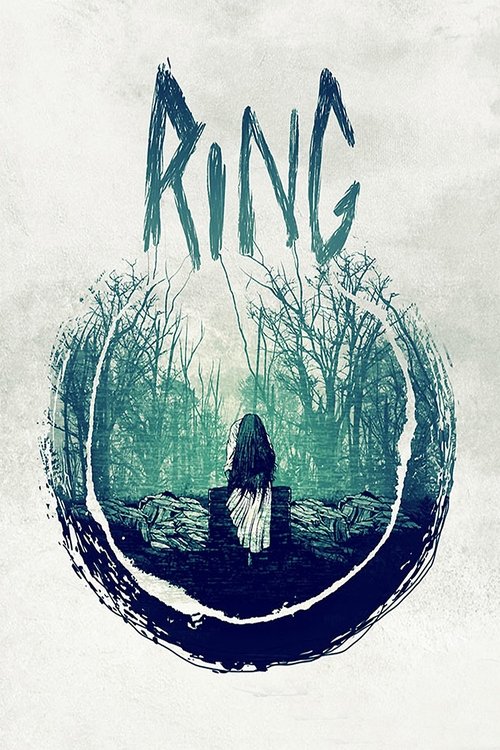
Ring1998
The foundational J-horror experience: a curse transmitted through media, methodical investigation, and a protagonist scrambling to understand inhuman logic. Influenced everything that followed, including Noroi.
But Slower pacing than Western horror. The finale is deliberately underwhelming if you expect climactic spectacle rather than cold inevitability.
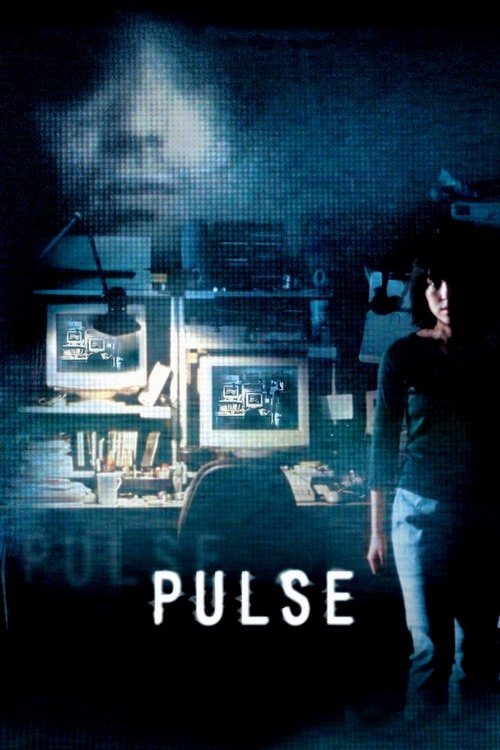
Pulse2001
Another Kiyoshi Kurosawa masterpiece about technology as a vector for supernatural intrusion. Shares Noroi's fixation on how modern documentation becomes entanglement with the cursed.
But Aggressively bleak. The film assumes you won't be comforted and doesn't try. Long stretches of atmospheric dread with minimal dialogue.
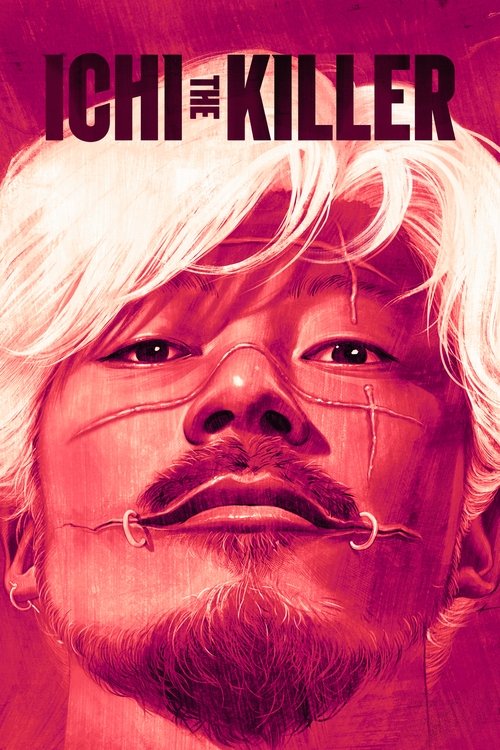
Ichi the Killer2001
Takashi Miike's visceral, formally inventive take on obsession and investigation. Like Noroi, it builds a narrative from fragments and rewards viewers who parse the details carefully.
But Extremely graphic violence and sexual content. The style can feel dated or alienating depending on your tolerance for 2000s excess.
Not sure tonight? Get a pick in a minute, starting from Noroi: The Curse
The wildcard
Something you would not have found on your own.
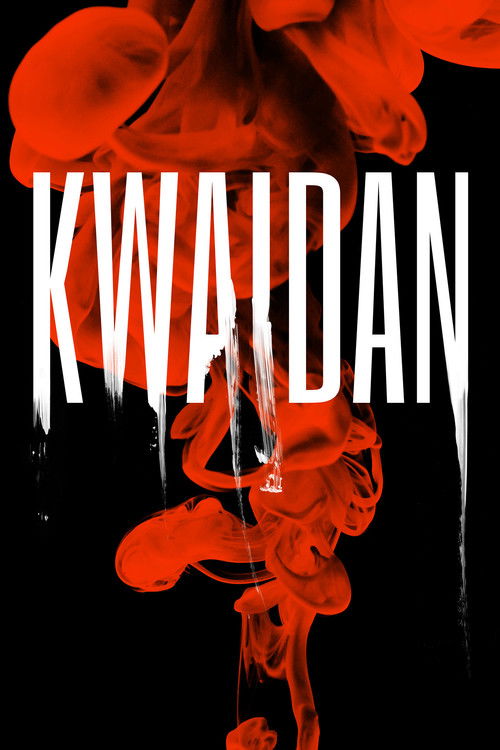
Kwaidan1965
Both treat the supernatural as a form of knowledge that cannot be unlearned. The curse is understanding, and understanding is irreversible.
Masaki Kobayashi's anthology of ghost stories shot in stunning color and composed like paintings. The ancestor to everything Noroi does: Japanese supernatural investigation as formal, meditative art. Each story is a curse transmitted through narrative.
But Sixty years old and slow even by that era's standards. No gore, no jump scares—purely psychological. Requires patience measured in decades.
More like this (7)
The Wailing2016
Na Hong-jin's masterwork about how investigation breeds paranoia. A mystery with multiple plausible solutions, where gathering information makes things worse, not better. Structurally similar to Noroi.
But Three hours long. Deliberately inconclusive and morally ambiguous in ways that infuriate people seeking resolution.

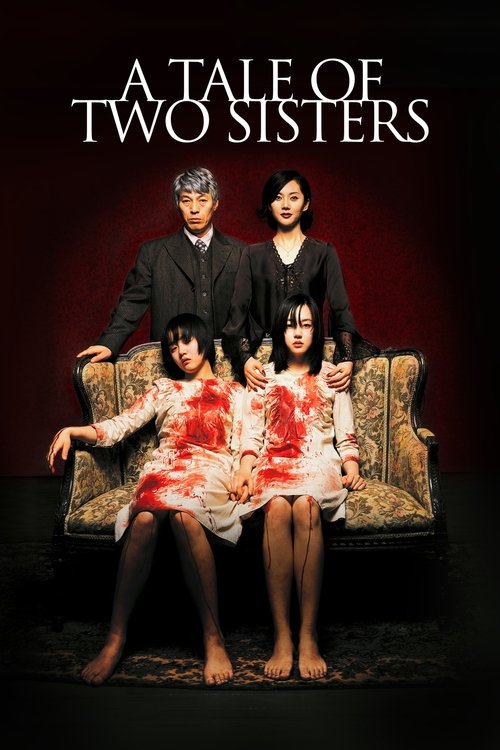
A Tale of Two Sisters2003
Kim Jee-woon's psychological horror using supernatural elements as metaphor. Gorgeous, unsettling, and obsessed with what lies beneath domestic surfaces—the same unseen architecture Noroi excavates.
But Relies on a reveal that, once known, diminishes repeat viewing. The dreamlike pacing will bore anyone wanting conventional narrative momentum.
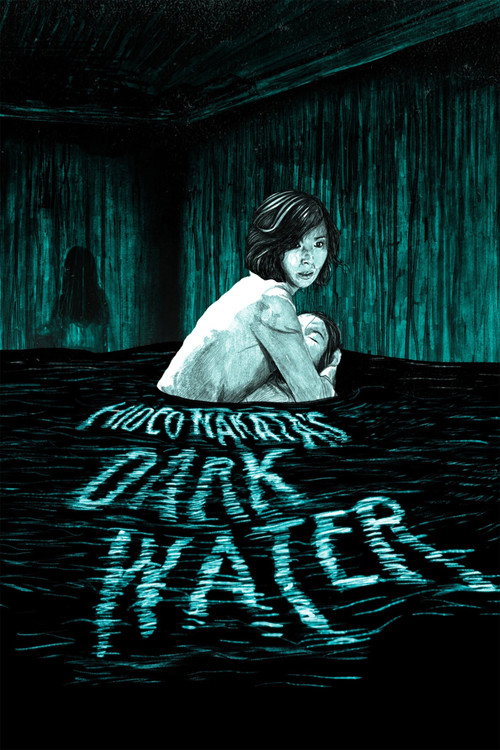
Dark Water2002
Hideo Nakata's creeping dread about a mother and daughter haunted by previous tenants. Quiet, patient, and genuinely tragic. The curse as inheritance rather than punishment.
But Very slow. Nothing you'd call a scare or action sequence. Sadness accumulates rather than shocking.
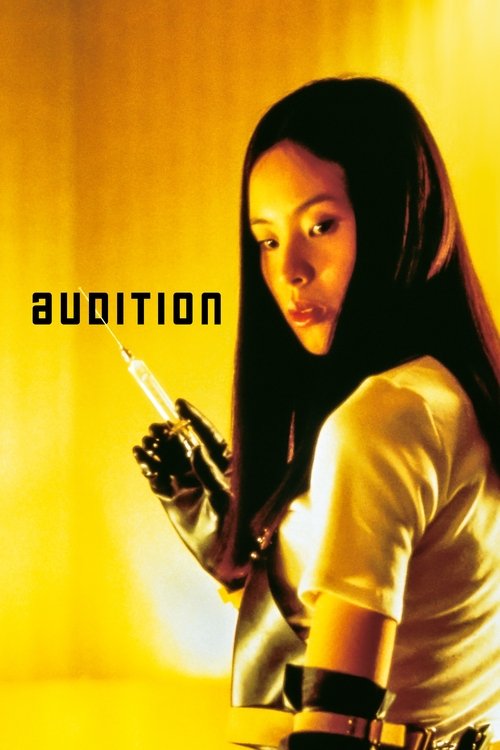
Audition2000
Takashi Miike's shift from exploitation to horror. A film about the camera's gaze and how documentation enables predation. Unsettling in ways that stick with you.
But The final act is extremely graphic and transgressive. Some will find it exploitative rather than insightful.
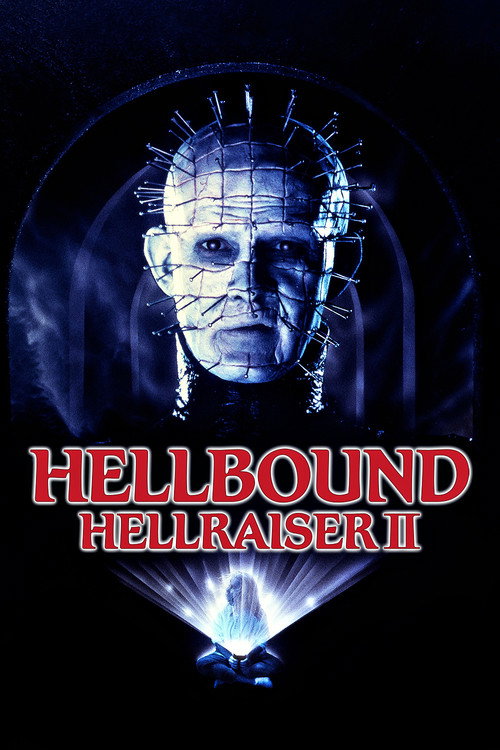
Hellbound: Hellraiser II1988
Clive Barker doubling down on his own mythology, creating a cosmology of pain and knowledge. Shares Noroi's obsession with investigation leading deeper into systems beyond comprehension.
But 1988 practical effects have a dated quality. Dialogue occasionally undercuts atmosphere with exposition.
Marble Hornets2009
Both understand that found footage horror works best as archaeology—the viewer assembles meaning from fragments, never seeing the full picture.
An early YouTube horror series (before the format became common) about a film student documenting something unknowable. Shot in found footage, episodic, and structured like Noroi as accumulating evidence of a presence that shouldn't exist.
But Low production values by design. Requires serial viewing and community interpretation. Some episodes are genuinely boring if you lack interest in what's *not* shown.

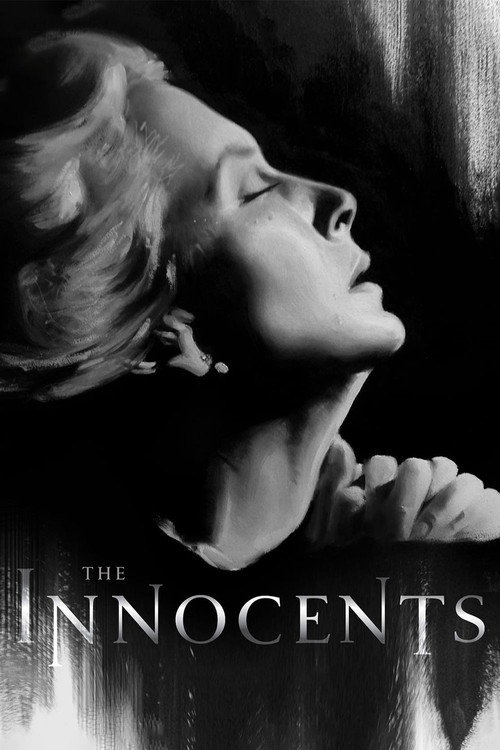
The Innocents1961
Both films make investigation itself the curse. The more you look, the less you see clearly. Certainty becomes impossible.
Jack Clayton's ambiguous ghost story about whether children are possessed or disturbed. A film that refuses to answer its own question, leaving dread suspended. Magnificent black-and-white atmosphere and the ancestor of psychological supernatural cinema.
But Glacially paced by modern standards. The ambiguity some find brilliant others find frustrating and inconclusive.
People
Cast
 Jin MurakiMasafumi Kobayashi
 Marika MatsumotoSelf
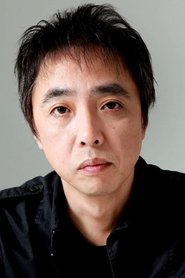 Satoru JitsunashiMitsuo Hori
 Rio KannoKana Yano
 Tomono KugaJunko Ishii
- Shûta KambayashiBoy with Junko
- Takashi KakizawaShin'ichi Ôsawa
 Yoshiki TanoTeruyuki Yano
 Yoko ChosokabeKimiko Yano
- Hisashi MiyajimaSelf
- Mana OkadaMidori Kimino
- Miyoko HanaiKeiko Kobayashi
Directing
- Isamu NagasekiAssistant Director
- Koji ShiraishiDirector
Writing
- Koji ShiraishiScreenplay
- Naoyuki YokotaScreenplay
- Koji ShiraishiWriter
Production
- Masashi YamaguchiCasting
- Takashige IchiseExecutive Producer
- Shingo MiyauchiLine Producer
- Takashige IchiseProducer
Recommended by
We're All Going to the World's Fair, Pulse, One Missed Call, Sadako vs. Kayako, Gonjiam: Haunted Asylum, Enys Men, Uzumaki, Cabin Fever, The Tunnel, Banshee Chapter, One Cut of the Dead, Marebito, Hospital, The Last Broadcast, Shutter, Catwoman, Late Night with the Devil, Sick Nurses, Theatre of Darkness: Yamishibai, Carved: The Slit-Mouthed Woman, Thale, The Farm, Afflicted, Angel Dust, Wounds, Whispering Corridors, Influencer, Ghost in the Cell, Unfollowed, Possessed, Evil Dead Trap, Tomie, Obsess, Never After Dark, The Rope Curse, Aaaaaaaah!