
Film
Hellbound: Hellraiser II
- Portal fantasy
- Supernatural horror
- Very dark
Clive Barker's sequel sends its traumatised heroine into the void itself. It's operatic body horror—gorgeous and grotesque, unafraid to be ugly and ambitious in equal measure. The logic is dream-logic; the film moves by mood and image as much as plot. For people who want their horror to feel like cinema.
Should you watch it?
Watch it if you relish surreal, gore-streaked horror where the imagery matters more than the logic, and you're happy for a sequel to go bigger and stranger rather than tidier.
Skip it if the story runs on dream logic, so you'll struggle if you want a tidy plot, grounded characters, or restraint in the grisly details.
What it asks of you: Under two hours, it moves in lurches rather than a steady build, and it wants you to accept its rules without explanation while it piles on hallucinatory images.
Not sure? Find tonight's pick in a minute.
If you liked this
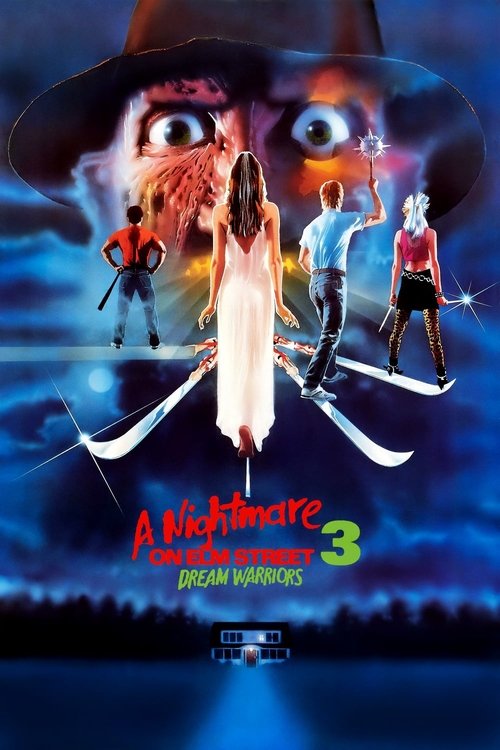
A Nightmare on Elm Street 3: Dream Warriors1987
A horror sequel that trusts its audience and expands its universe without losing the first film's bite. Smart, darkly funny, visually inventive—proof that sequels can deepen rather than repeat.
But Released the year before and set in an asylum, it shares DNA with Hellraiser II. If you've just seen it, this will feel familiar ground.
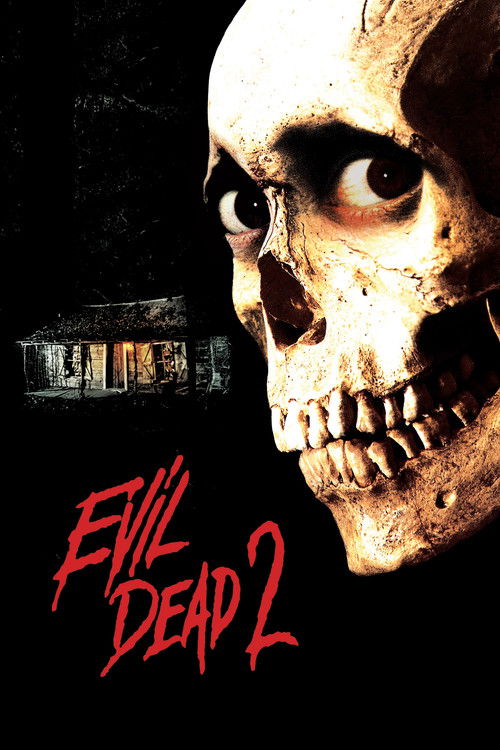
Evil Dead II1987
Barker and Sam Raimi share a commitment to grotesque physicality and style-over-logic storytelling. Both films make horror fun without making it stupid, and both trust wildly inventive visuals to carry impossible plots.
But It's comedy-horror; the tonal whiplash between laughs and genuine dread won't appeal if you want unbroken seriousness.
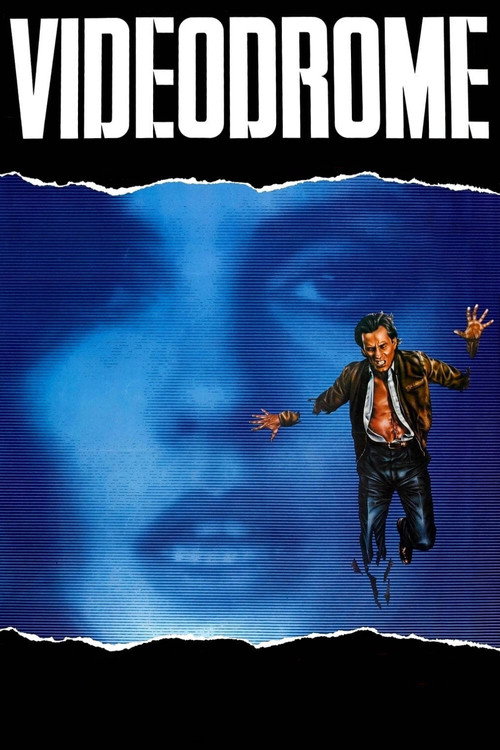
Videodrome1983
Cronenberg's descent into a nightmarish media landscape matches Hellraiser II's dream-logic plotting and body-horror aesthetics. Both films are visceral art objects that don't pretend plot makes sense when nightmare does.
But Slower and more abstract than Hellraiser II; it works through implication and dread rather than spectacle. Demands patience.
Not sure tonight? Get a pick in a minute, starting from Hellbound: Hellraiser II
The wildcard
Something you would not have found on your own.
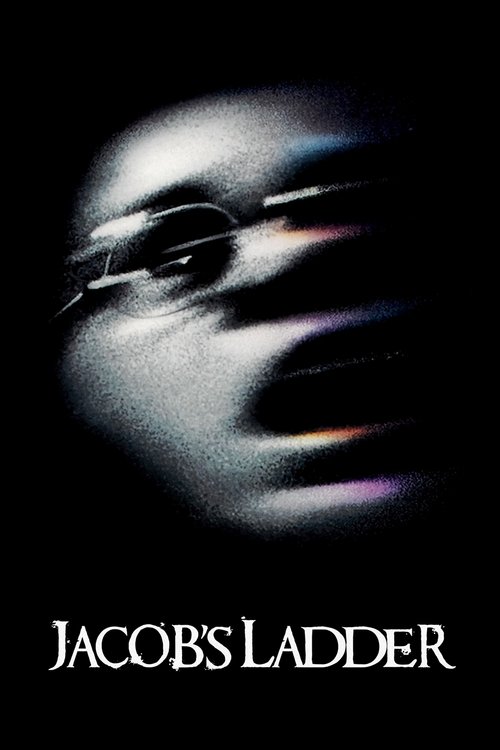
Jacob's Ladder1990
Both films understand that hell is often personal, and that trauma—sexual violence, betrayal, war—can shatter the boundary between the physical and the imagined. Both are pilgrimages through pain.
Adrian Lyne captures the same vision of everyday reality splintering into nightmare, trauma made visible. A Vietnam vet's PTSD unfolds like a waking fever dream—disorienting, compassionate, genuinely frightening. The film asks: what if hell isn't somewhere else, but a fracture in your own mind?
But It's slow and abstract; the horror works through dread and implication, not incident. The ending divides people on whether it earns its ambiguity.
More like this (8)
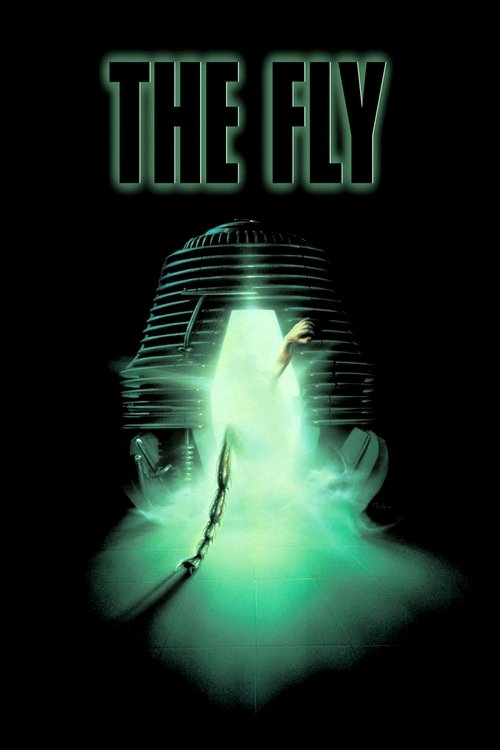
The Fly1986
Cronenberg again, but this time with narrative momentum. A love story wrapped in body horror, it has the same commitment to making suffering beautiful and transformation unbearable to watch.
But It's fundamentally about decay and disease. Beautiful, but relentless about showing you things falling apart.
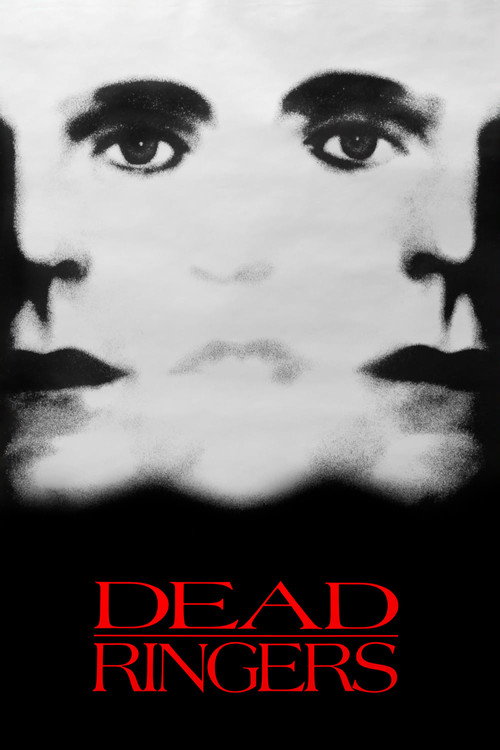
Dead Ringers1988
Released the same year, Cronenberg's twin-obsession nightmare shares Hellraiser II's hospital setting and interest in medical violation. Both are about bodies as the site of horror and identity.
But Deliberately unsexy and cold; if you're watching for visceral thrills, this offers psychological unease instead.
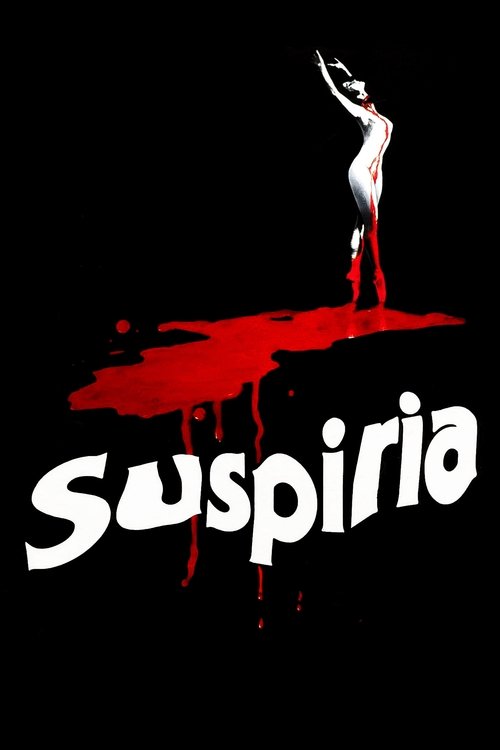
Suspiria1977
Argento's masterpiece is the ancestor of Hellraiser II's commitment to gorgeous, logic-defying nightmare architecture. Both films prioritise sensation and atmosphere over coherent plotting.
But It's 1977 Italian giallo; the pacing is hypnotic rather than propulsive, and some elements feel dated.
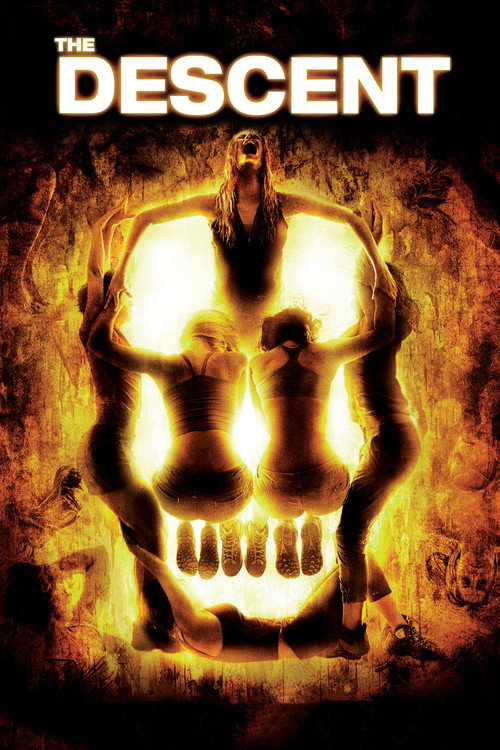
The Descent2005
A more recent film that captures Barker's sense of personal trauma made literal and physical. Claustrophobic, inventively brutal, and uncompromising about its heroine's suffering.
But Relies on jump scares and creature design rather than atmosphere. Less interested in nightmare logic than shock.
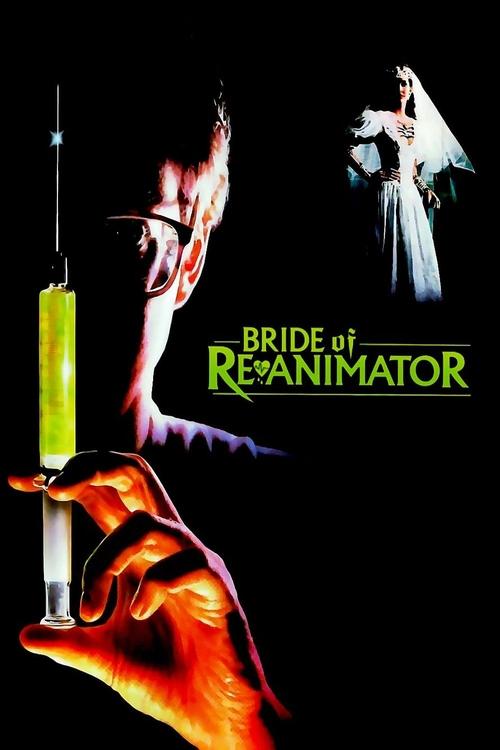
Bride of Re-Animator1990
Stuart Gordon's follow-up to Re-Animator shares Hellraiser II's willingness to be absurd, grotesque, and visually reckless in service of a wild premise. Genuinely funny without undercutting the horror.
But It's campy and knows it; if you want unironic dread, the tonal mix will undercut you.
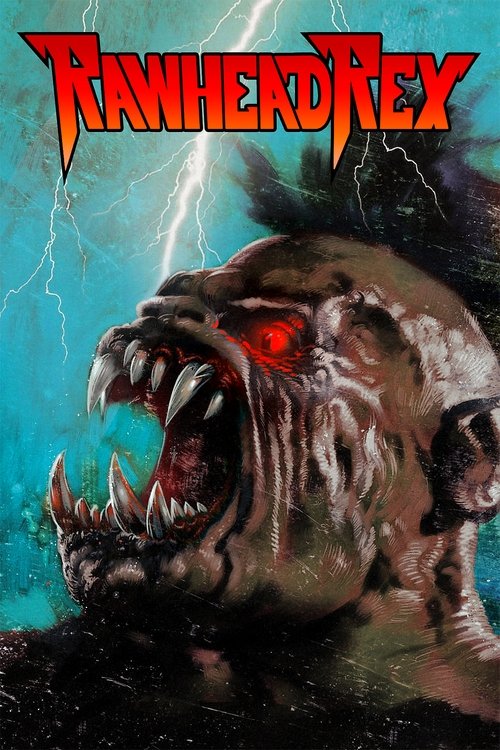
Rawhead Rex1986
Directed by George Elanjian Jr. from a Clive Barker story, it shares the source creator's sensibility: creature-driven horror with ambition exceeding budget. Weird and unapologetic.
But It's genuinely cheap-looking, and the creature effects haven't aged well. Has to work through sheer weird conviction.
Come and See1985
Both films treat hell as a real geography you can travel through, and both demand that their heroes witness and survive unbearable truths. Both are incantatory rather than explanatory.
A Soviet war film that annihilates the viewer with unrelenting, humanistic horror. A boy's journey through Nazi-occupied Belarus becomes a descent into actual damnation. Brutalist, uncompromising, and genuinely transcendent in its commitment to showing what destruction means.
But It's one of the most difficult films ever made—not for shock value, but because it refuses to let you look away from human suffering. Some people should not watch it. You may be one of them.

Synecdoche, New York2008
Both films build impossible worlds and invite their protagonists deeper into them. Both use constructed space as a metaphor for internal states. Both are more interested in mood and sensation than narrative order.
Kaufman's baroque nightmare about a theatre director collapsing reality and fiction into an ever-expanding set. It has Hellraiser II's dreamlike architecture and obsession with constructed worlds, but approaches it through existential comedy and human smallness. A portrait of a mind folding in on itself.
But It's deliberately fractured and refuses to make literal sense. If you need clarity or plot scaffolding, it will frustrate you into rage. Also bleak in a way that has nothing to do with monsters.

People
Cast
 Ashley LaurenceKirsty Cotton
 Clare HigginsJulia Cotton
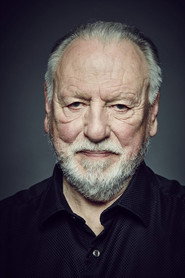 Kenneth CranhamDr. Philip Channard
 Imogen BoormanTiffany
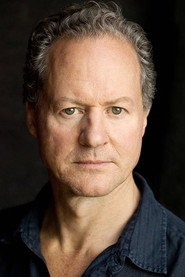 William HopeKyle MacRae
 Sean ChapmanFrank Cotton
 Doug BradleyPinhead
 Barbie WildeFemale Cenobite
 Simon Bamford‘Butterball’ Cenobite
 Nicholas VinceChatterer Cenobite
 Oliver SmithFrank the Monster
 Angus MacInnesDetective Ronson
Directing
- Tony RandelDirector
- Andy ArmstrongFirst Assistant Director
- Libbie BarrScript Supervisor
- Kieron PhippsSecond Assistant Director
- Kevin WestleyThird Assistant Director
- Peter FreemanThird Assistant Director
Writing
- Clive BarkerCharacters
- Peter AtkinsScreenplay
- Clive BarkerStory
Production
- David BarronAssociate Producer
- Doreen JonesCasting
- Christopher WebsterExecutive Producer
- Clive BarkerExecutive Producer
- Christopher FiggProducer
- Gillian BatesProduction Coordinator
- Brad StephensPublicist
Recommended by
Batman Ninja, Noroi: The Curse, Candyman: Farewell to the Flesh, The Wager, Hozuki's Coolheadedness, Hellboy Animated: Sword of Storms, Friday the 13th Part VIII: Jason Takes Manhattan