
Film
Candyman: Farewell to the Flesh
A direct sequel that abandons Chicago for New Orleans, trading atmosphere for melodrama. Annie Tarrant discovers her father's death connects to the Candyman myth, leading her deeper into the legend's brutal history. It's slicker and more conventional than its predecessor—less interested in social dread, more interested in family secrets and supernatural revenge. For those who want more Tony Todd and don't mind a step down in ambition.
Should you watch it?
Watch it if you like your horror rooted in folklore and a lingering, mournful sense of doom, and you don't mind trading the first film's Chicago setting for the humid, bayou-soaked streets of New Orleans.
Skip it if you wanted the first film's tight, claustrophobic dread, since this sequel loosens its grip, leans on louder shocks and sometimes feels like a more conventional slasher.
What it asks of you: Ninety-five brisk minutes of unsettling atmosphere broken by sudden violence; it rewards close attention to its folklore and does not wait for you to catch up.
Not sure? Find tonight's pick in a minute.
If you liked this
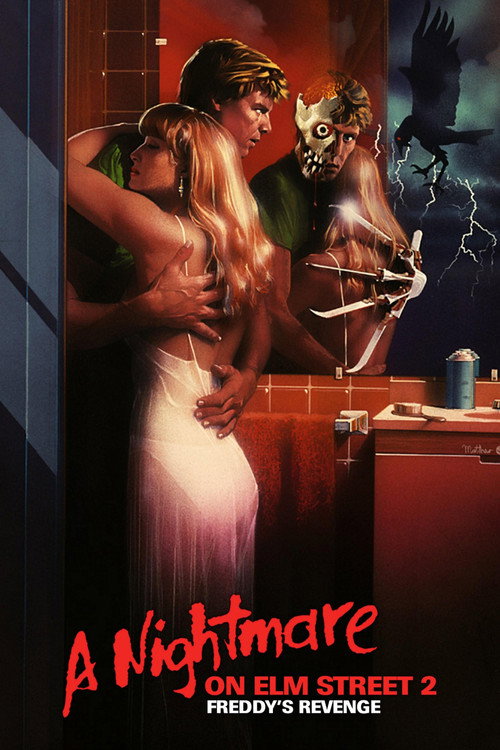
A Nightmare on Elm Street Part 2: Freddy's Revenge1985
A sequel that deepens its mythology while pivoting into new thematic territory. Freddy becomes more central, the kills more creative, and the film finds unexpected psychological complexity beneath the slasher surface.
But It's messier and more indulgent than the original. Some of the set pieces feel bloated, and the pacing occasionally drags between kills.
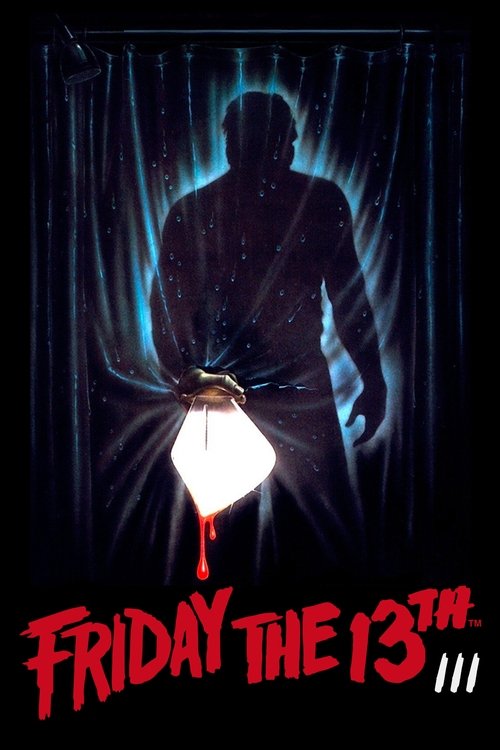
Friday the 13th Part III1982
Jason gets his iconic hockey mask and the franchise finds its voice: a lean, efficient body-count film that knows exactly what it is. It's stylish, nasty, and confident in a way the first two films weren't.
But There's almost no plot. The characters are thin sketches and the kills, while fun, can feel repetitive. It's purely momentum-driven.
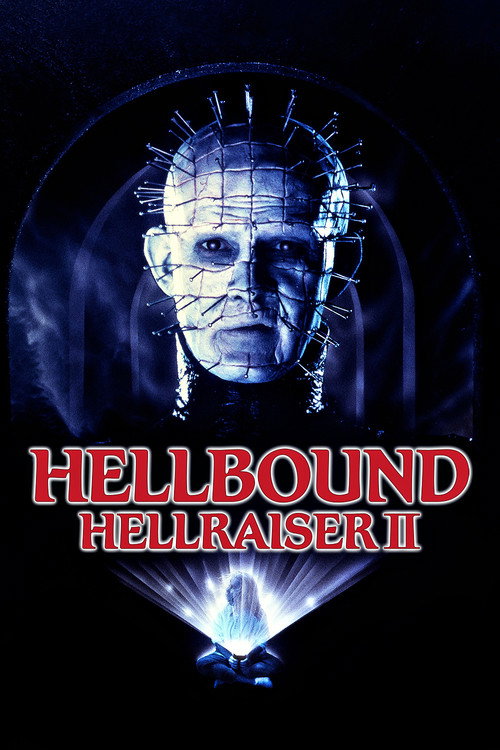
Hellbound: Hellraiser II1988
Clive Barker returns to expand his mythology with audacious set design and a genuinely unsettling cosmology. It's baroque, ambitious, and willing to get weird in ways most sequels wouldn't dare.
But The tone swings wildly between arthouse horror and B-movie excess. Some of the performances are campy, and the plot becomes increasingly convoluted.
Not sure tonight? Get a pick in a minute, starting from Candyman: Farewell to the Flesh
The wildcard
Something you would not have found on your own.
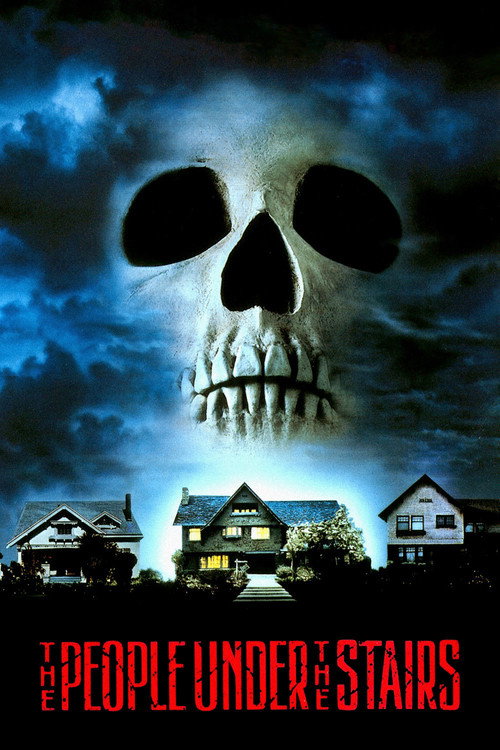
The People Under the Stairs1991
Both films use a supernatural avenger to explore American trauma and injustice. But where Candyman: Farewell to the Flesh stays mythological, this one gets furious and literal about systemic violence.
Wes Craven's most wildly imaginative film: a haunted-house film that's actually a rage-filled allegory about race, class, and violence in America. It's cartoonish and gruesome in equal measure, with genuine scares and real political bite.
But The tone is bizarre—part horror film, part dark comedy, part parable. It's not interested in subtlety and some will find it garish or simplistic. The ending is aggressively optimistic.
More like this (8)
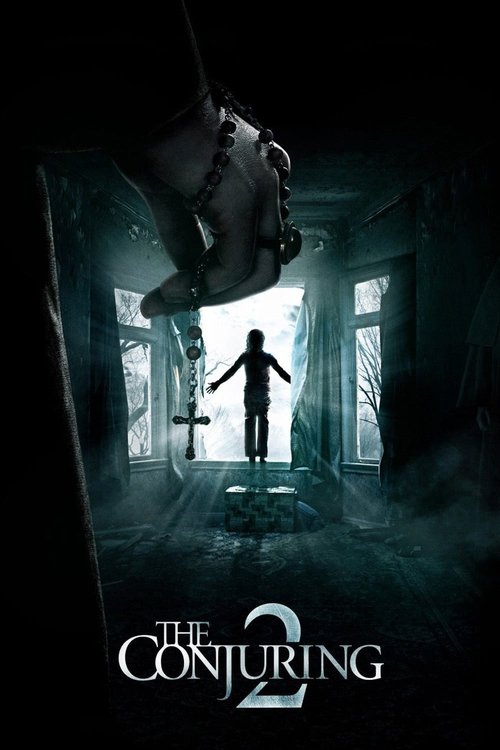
The Conjuring 22016
James Wan at his most confident, crafting set pieces of real grace and terror. The film respects its mythology while delivering genuine scares and a deep emotional center that elevates it beyond the usual.
But It runs nearly two and a half hours. Some will find it overstuffed, and the resolution leans hard on established supernatural rules rather than surprise.
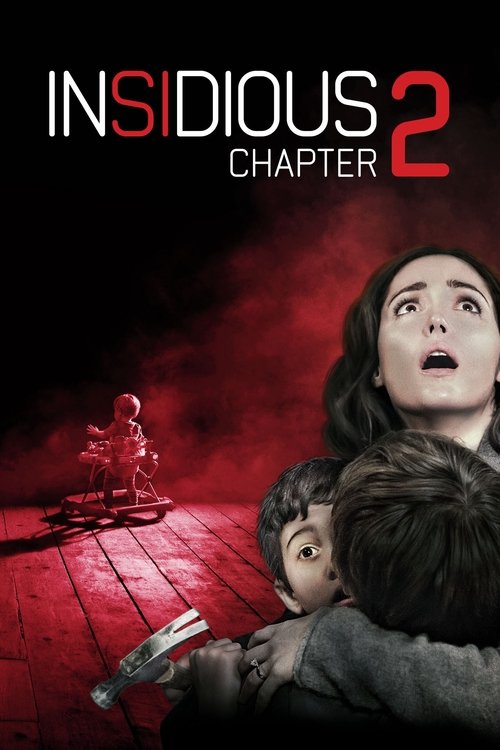
Insidious: Chapter 22013
A rare sequel that matches the original's ingenuity. It expands the mythology of the Further while maintaining that film's balance of creepiness and earnest emotion. Genuinely inventive scares.
But The plot becomes genuinely complicated, and if you haven't seen the first one recently you'll struggle to follow all the threads. Some jump scares feel cheap.
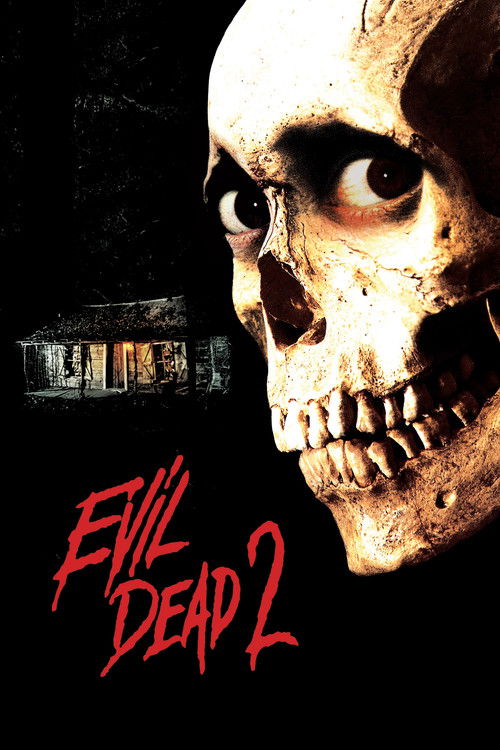
Evil Dead II1987
Sam Raimi's masterclass in comedic horror: a film that takes nothing seriously except the craft. It's grotesque, hilarious, and moves with balletic energy. Bruce Campbell is a force of nature.
But It's essentially a remake of the first film with a bigger budget and a tonal shift toward comedy. If you want pure horror, this might feel like a betrayal.
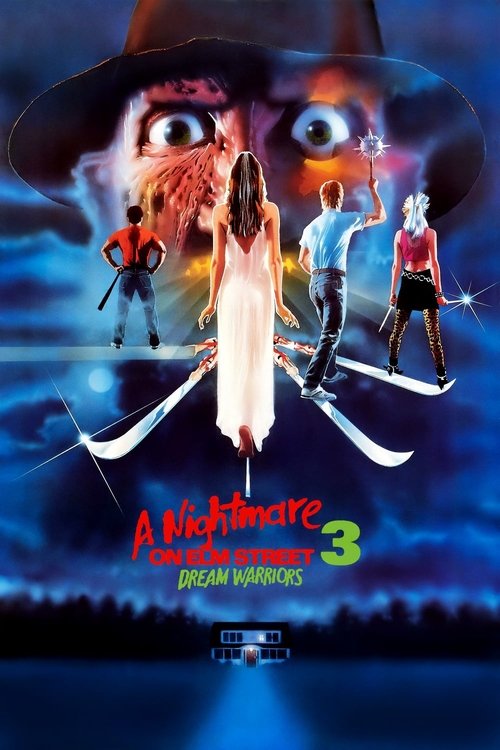
A Nightmare on Elm Street 3: Dream Warriors1987
The franchise at its creative peak: a film that understands mythology, character, and visual storytelling. It's funny, scary, and surprisingly moving. Every scene earns its place.
But It's less a pure horror film than a supernatural adventure. The tone can feel uneven if you're expecting consistent scares, and some of the dream sequences feel dated.
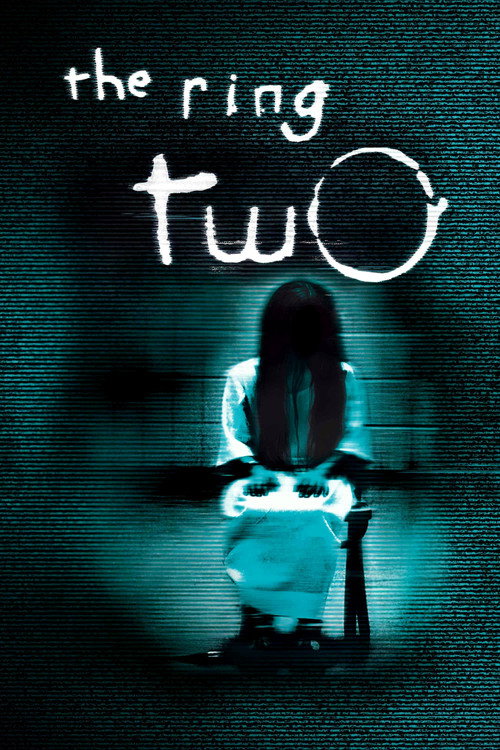
The Ring Two2005
Gore Verbinski doubles down on atmosphere and visual dread. It's slicker than the original, the mythology deepens in interesting ways, and there are some genuinely disturbing images.
But It prioritizes spectacle over mystery. The plot becomes more conventional, and the ending feels safer than what came before. Some of the scares are achieved through loud noises.
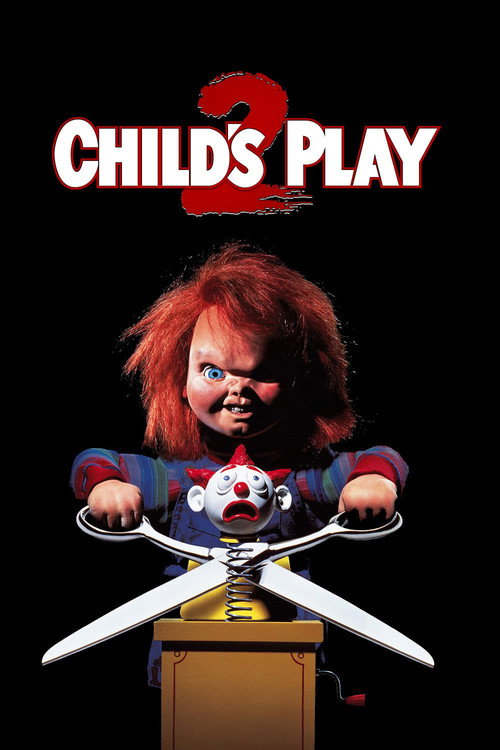
Child's Play 21990
A lean, efficient sequel that understands its premise completely. Chucky is more mobile, the violence more gleeful, and the film has a nasty energy that never lets up.
But It's essentially the same film as the first, just with a higher body count and less invention. The plot is thin and the character development is minimal.
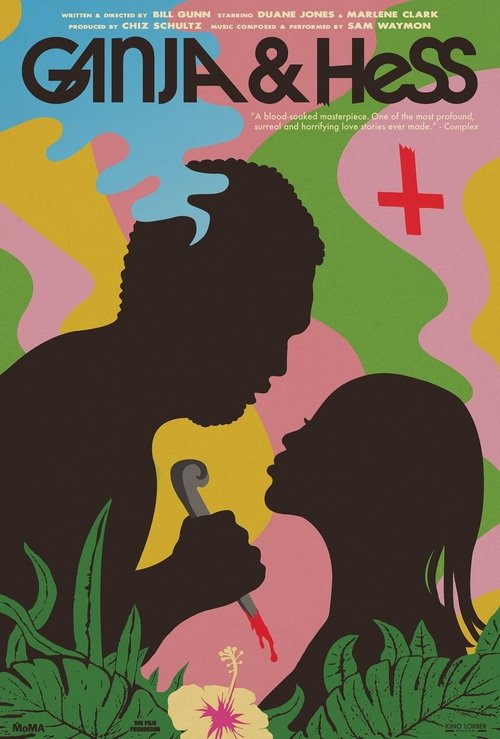
Ganja & Hess1973
Both center on Black vampiric figures wrestling with their own legacy and mythology. Both use horror as a language for exploring identity. But where Candyman is operatic, this is meditative and internally focused.
A vampire film that transcends the genre entirely. It's a meditation on addiction, race, desire, and mortality set against a landscape of Black art and beauty. Hypnotic, gorgeously shot, and fundamentally unlike anything else in horror.
But It moves at its own pace—slow, meditative, often cryptic. There are long passages without incident and the plot is minimal. It's an art film first and a horror film second, maybe third.
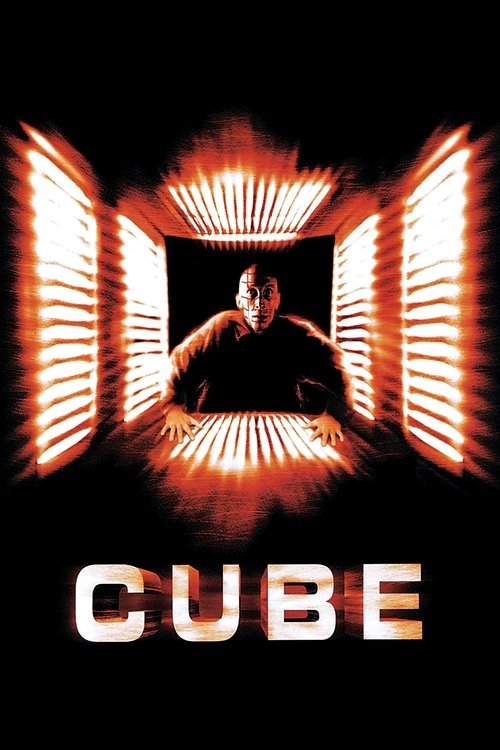
Cube1998
Both trap their protagonists in systems designed to destroy them—one supernatural, one technological. Both use isolation and mythology (real or constructed) as tools of control. Both suggest there's no escape, only acceptance or defiance.
A Canadian science-fiction horror film that's essentially a puzzle box made of dread. Strangers wake in a deadly geometric maze with no explanation. It's inventive, claustrophobic, and genuinely disturbing without relying on gore or jump scares.
But The acting is deliberately flat and the dialogue can feel stilted. The film is more interested in concept than character, and some will find that alienating. The resolution is unsatisfying by design.
People
Cast
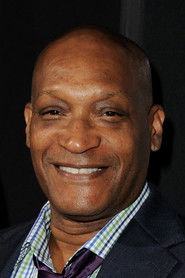 Tony ToddCandyman / Daniel Robitaille
 Kelly RowanAnnie Tarrant
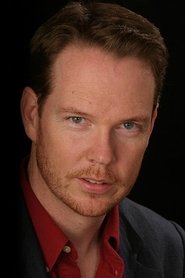 William O'LearyEthan Tarrant
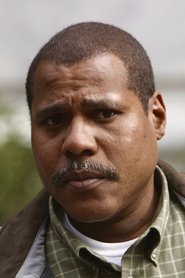 Bill NunnReverend Ellis
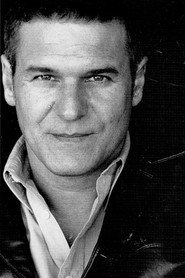 David GianopoulosDetective Ray Levesque
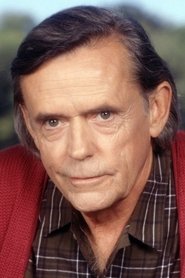 Matt ClarkHonore Thibideaux
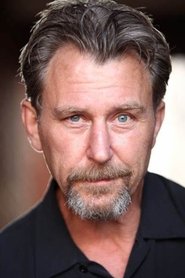 Timothy CarhartPaul McKeever
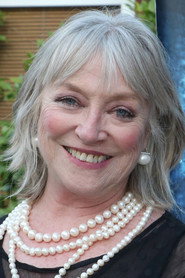 Veronica CartwrightOctavia Tarrant
 Fay HauserPam Carver
 Joshua Gibran MayweatherMatthew Ellis
 Caroline BarclayCaroline Sullivan
- Michael BergeronColeman Tarrant
Directing
- Bill CondonDirector
- Mary Ellen WoodsFirst Assistant Director
- Amy DiamondScript Supervisor
- Jeff ShiffmanSecond Assistant Director
- Lee H. GrantSecond Second Assistant Director
Writing
- Mark KrugerScreenplay
- Rand RavichScreenplay
- Clive BarkerShort Story
Production
- Bill KarydesAssistant Production Coordinator
- Elizabeth ArandaAssistant Production Coordinator
- Anna Camille MillerAssociate Producer
- Carol LewisCasting
- Alison StuartCasting Associate
- Lynn WeimerCo-Producer
- Clive BarkerExecutive Producer
- David AnthonyExtras Casting
- Jayne PageFirst Assistant Accountant
- Barry S. JonesLocation Manager
- Bruce MargolisLocation Manager
- Paul D. BoydstonLocation Manager
- Gregg FienbergProducer
- Sigurjón SighvatssonProducer
- Michelle ErbyProduction Coordinator
- Jeanne StackProduction Supervisor
- Brian BerkenfeldPublicist
- Steven ZellerPublicist
- Tim ClawsonSupervising Producer
- Gregg FienbergUnit Production Manager