
Film
Ganja & Hess
Ganja & Hess is less a vampire movie than a fever dream about need — bloodlust, sex, faith and addiction all blurred into one aching, hypnotic trance. Bill Gunn shot it as a genuine art film that happened to have a horror premise, all slow-burn ritual and gorgeous dread. It's for patient viewers who want mood and metaphor over jump scares, and who don't mind ambiguity lingering long past the credits.
Should you watch it?
Watch it if you want horror as a slow, hypnotic meditation on spiritual unease, where mood and images carry more weight than jump scares, closer in spirit to art-house cinema than to a monster movie.
Skip it if you need brisk plotting and clear scares, since this drifts through long, hushed scenes and its pace can feel like it is testing your patience.
What it asks of you: Its 113 minutes unfold slowly through dreamy, loosely connected sequences that reward patience and an open mind far more than close plot tracking.
Not sure? Find tonight's pick in a minute.
If you liked this
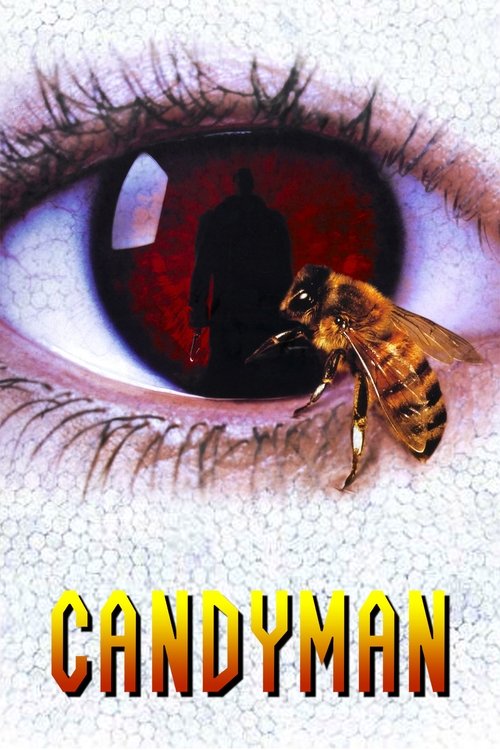
Candyman1992
Tony Todd's tragic, seductive monster turns urban legend into elegy for Black suffering and memory; like Gunn's film, it treats horror as a vessel for grief, class and history rather than mere scares.
But Its Chicago housing-project setting and 90s aesthetic feel dated next to Gunn's timeless dread, and some may want sharper scares.
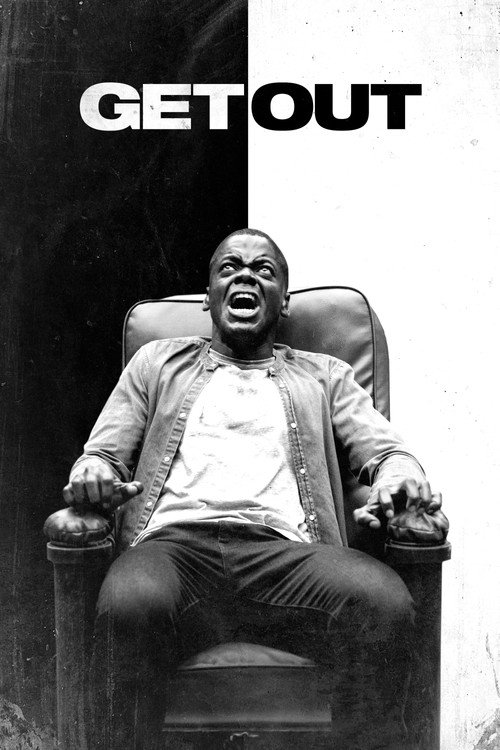
Get Out2017
Jordan Peele proves horror can still be the sharpest tool for talking about race, assimilation and bodily violation, echoing Gunn's belief that genre can carry real dread and real ideas.
But It's brisk, satirical and thriller-paced where Ganja & Hess is slow and dreamlike — a very different rhythm of unease.
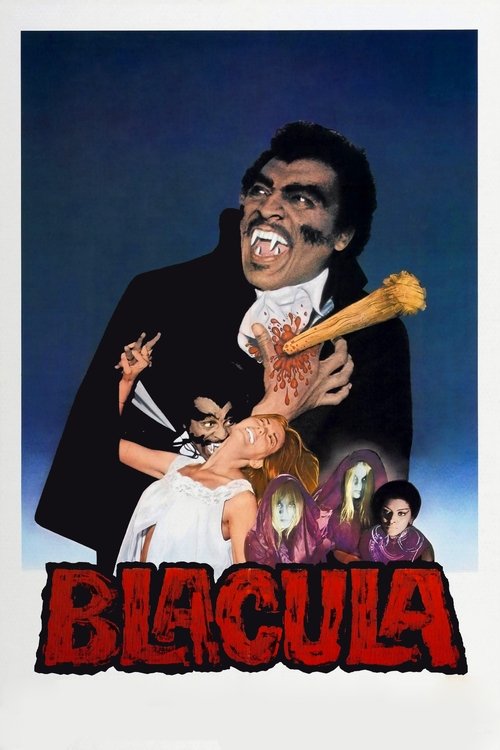
Blacula1972
Made the same year, in the same blaxploitation moment, William Marshall's regal vampire brings tragic dignity to a genre usually played for camp — a rougher cousin to Gunn's more meditative take.
But It's pulpier and funnier than Gunn's film, with none of the ambiguity or arthouse patience — pure genre pleasure, not metaphor.
Not sure tonight? Get a pick in a minute, starting from Ganja & Hess
The wildcard
Something you would not have found on your own.
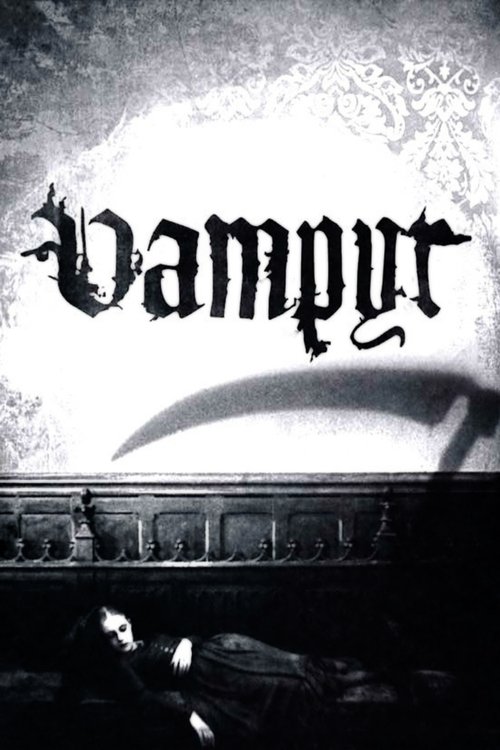
Vampyr1932
Gunn was steeped in European art-horror, and Vampyr's refusal of jump scares in favour of pure atmosphere and religious dread is the direct blueprint for the trance Ganja & Hess induces decades later.
Dreyer's early sound-era vampire film moves like a dream, all fog and dread and barely any plot — the direct ancestor of the trance-state horror Gunn later perfected in colour and blood.
But It's genuinely strange and slow even by 1930s standards, with pacing and presentation that will test modern patience.
More like this (8)
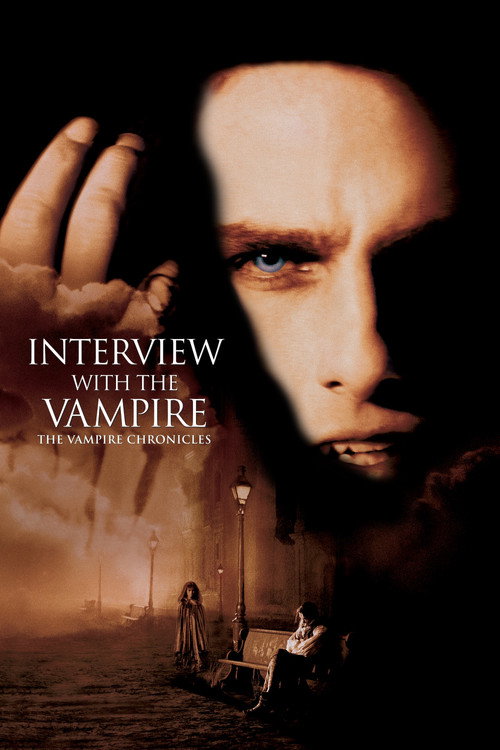
Interview with the Vampire1994
Anne Rice's vampires wrestle with guilt, faith and the horror of endless appetite, turning bloodlust into existential anguish — the same emotional register Gunn reaches for, just lusher and more theatrical.
But Its gothic glamour and star power make it a much glossier, more conventional watch than Gunn's raw, low-budget trance.
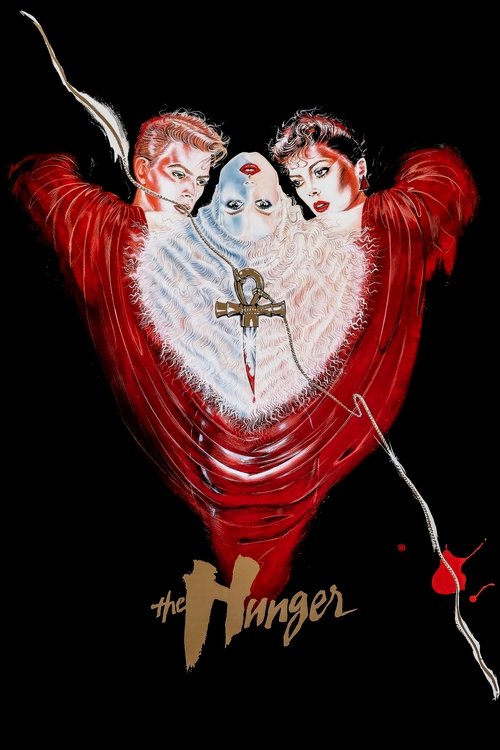
The Hunger1983
Tony Scott's vampire film treats immortality as addiction and vanity as a slow poison, all style and dread — a sleek, MTV-era cousin to Gunn's meditation on hunger.
But It's cooler and more detached, prioritising visual seduction over the raw, spiritual anguish that drives Gunn's film.
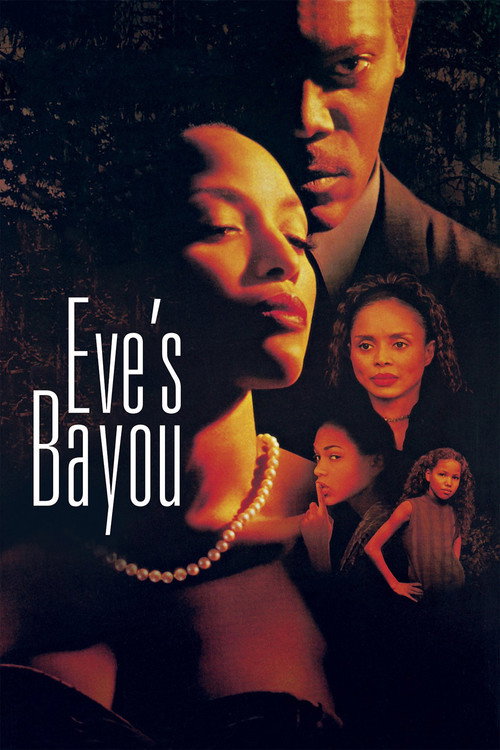
Eve's Bayou1997
A Southern gothic family drama steeped in memory, faith and the supernatural, told with the same patient, hypnotic tone Gunn brings to horror — a quieter but equally haunted film.
But There's no vampirism or overt horror here, just simmering dread — those wanting genre thrills should look elsewhere.
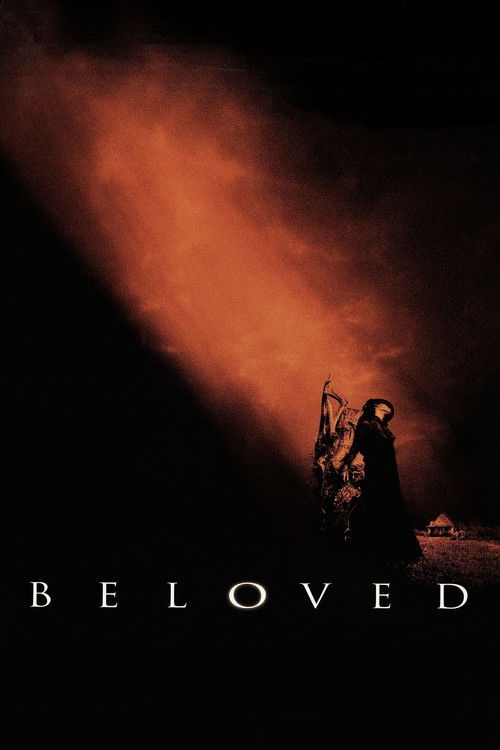
Beloved1998
Toni Morrison's ghost story turns trauma and history into something that literally haunts flesh and blood, a heavier, more explicitly historical echo of Gunn's blood-as-memory metaphor.
But It's punishing and slow by design, demanding real patience for a payoff that offers little comfort.
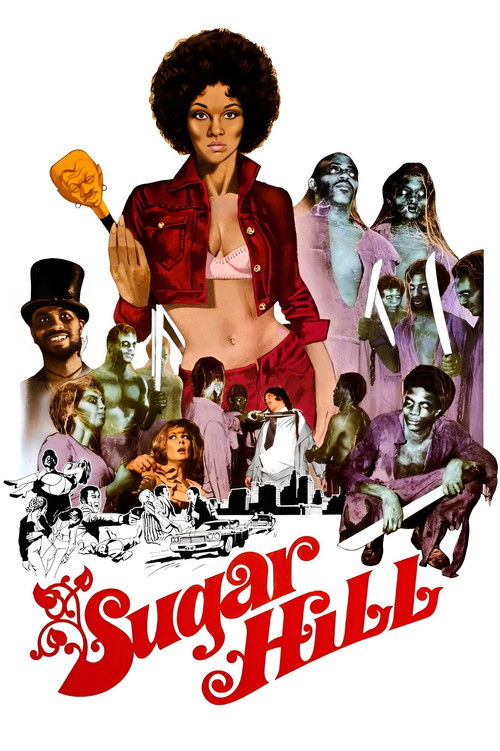
Sugar Hill1974
Voodoo zombies avenge a murdered lover in this defiantly trashy, gleeful blaxploitation horror — proof the era could also just have fun with these same ideas of blood, power and revenge.
But It's cheap, campy and unapologetically pulpy — nothing like Gunn's meditative seriousness.
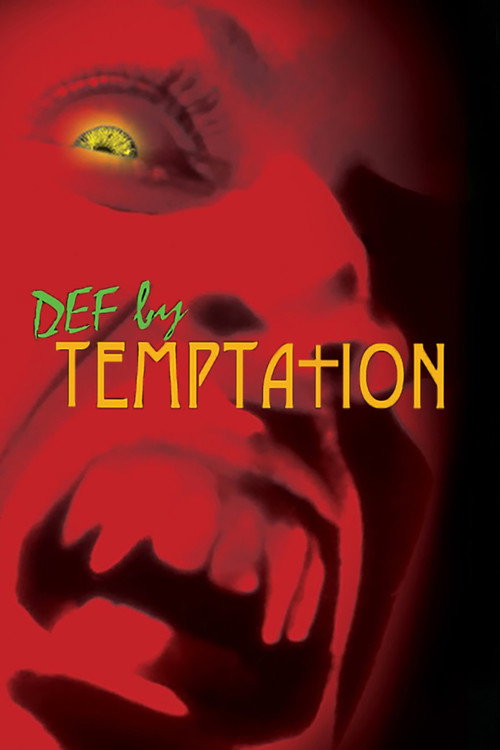
Def by Temptation1990
An overlooked indie Black vampire film steeped in church, temptation and desire, clearly working in Gunn's shadow but with a slicker, more overtly erotic horror sensibility.
But Its low budget and uneven pacing show, and it lacks the visual poetry that makes Gunn's film endure.
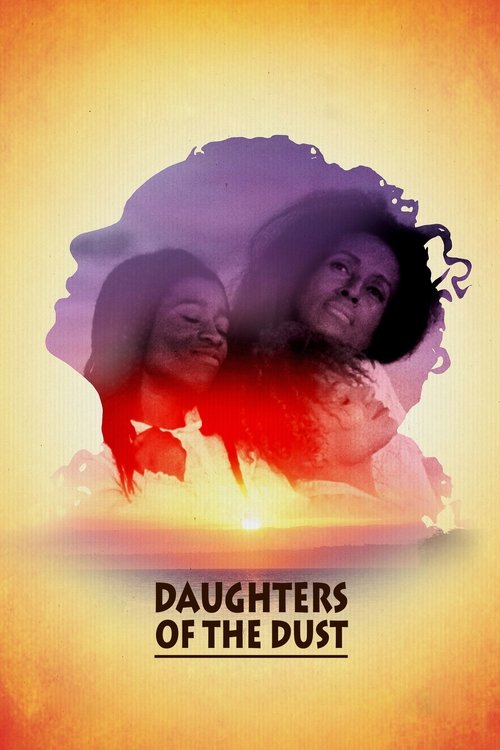
Daughters of the Dust1991
Both films are landmark works of the same Black independent film movement, deliberately abandoning linear realism for a ritualistic, dreamlike style built around African spiritual inheritance and memory.
Julie Dash's lyrical, non-linear drama about a Gullah family on the eve of migration shares Gunn's refusal of Hollywood plotting, trusting ritual, ancestry and images over exposition.
But There's no horror here at all — it's a slow, painterly family drama, and viewers expecting genre thrills will be disappointed.
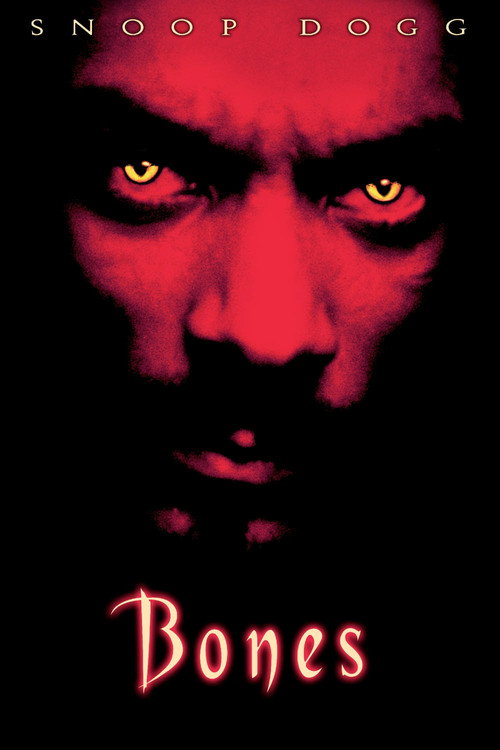
Bones2001
Both films use horror to dramatise Black urban history and buried violence resurfacing as literal hunger, but Bones takes the same engine and cranks it into gleeful genre trash rather than meditation.
Snoop Dogg plays a murdered numbers runner who returns from the dead to avenge his neighbourhood — pure hood-horror revenge fantasy that plays Gunn's ideas about blood, history and appetite as loud, gory fun.
But It's cartoonish, low-budget and utterly unashamed of its trashiness — a completely different animal from Gunn's solemn arthouse dread.
People
Cast
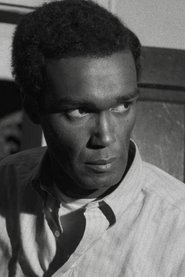 Duane JonesDr. Hess Green
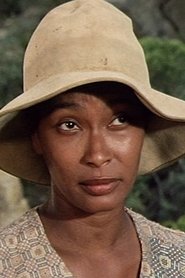 Marlene ClarkGanja Meda
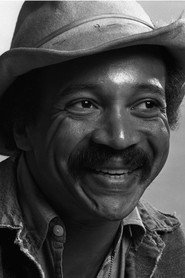 Bill GunnGeorge Meda
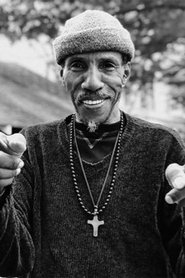 Sam WaymonRev. Luther Williams
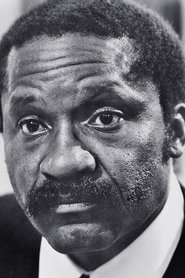 Leonard JacksonArchie
- Candece TarpleyGirl in Bar
- Richard HarrowDinner Guest
- John HoffmeisterJack Sargent
- Betty BarneySinger in Church
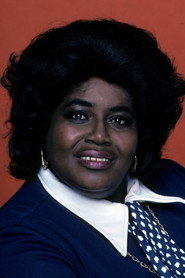 Mabel KingQueen of Myrthia
- Betsy ThurmanPoetess
- Enrico FalesDr. Green’s Son
Directing
- Tony MajorAssistant Director
- Bill GunnDirector
- Renoir DarrettScript Supervisor
Writing
- Bill GunnWriter
Production
- Joan ShigekawaAssociate Producer
- Jack JordanExecutive Producer
- Quentin KellyExecutive Producer
- Allan KellyProducer
- Chiz SchultzProducer
- Louis PastoreProduction Manager
- Ed DessissoProduction Supervisor
Recommended by
Sankofa, Random Acts of Flyness, Body and Soul, Blacula, Sugar Hill, Def by Temptation, Candyman: Farewell to the Flesh, Bad Hair, Scream Blacula Scream