
Film
Scream Blacula Scream
The sequel to Blacula finds the vampire prince caught between a voodoo power struggle in modern Los Angeles. William Marshall returns with magnetism and melancholy, anchoring a film that treats its supernatural mythology seriously while delivering genuine thrills. It's blaxploitation horror that actually engages with its themes rather than merely exploiting them—smart, stylish, and surprisingly moving.
If you liked this
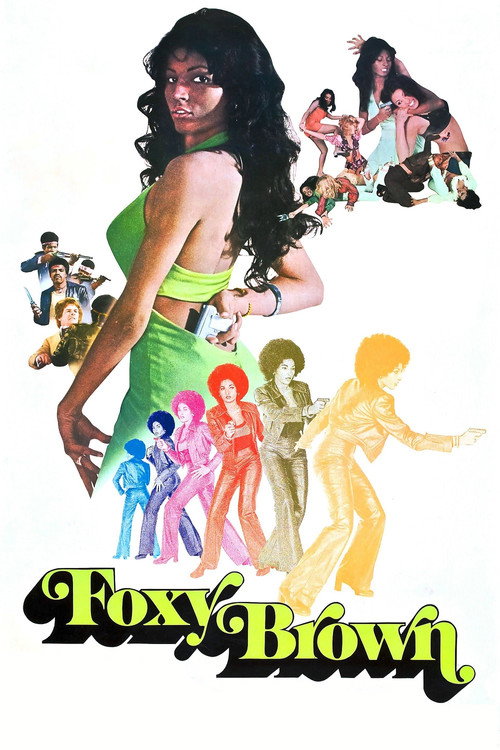
Foxy Brown1974
Pam Grier at her most formidable, commanding every frame with wit and ferocity. A revenge thriller that celebrates her intelligence and agency while delivering excellent action and a killer soundtrack.
But The plot is fairly straightforward, and some of the exploitation elements haven't aged perfectly. It's genuinely violent in ways that might feel gratuitous if action isn't your thing.
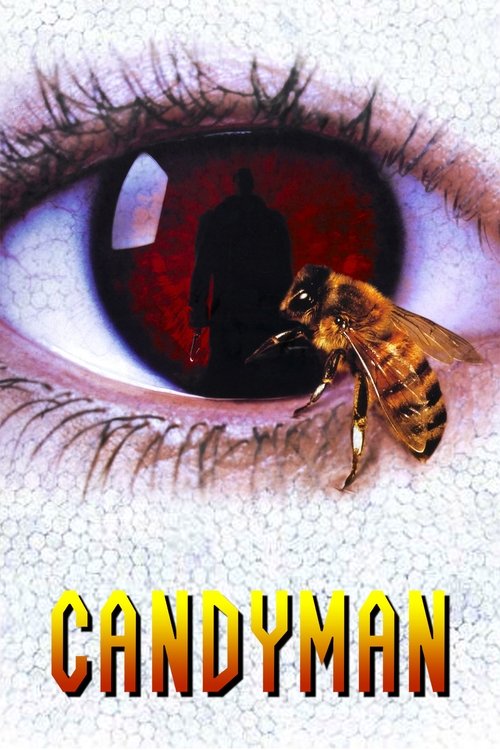
Candyman1992
Both films center a Black supernatural figure with tragic nobility, exploring how mythology and fear intertwine with race and power. Visually stunning, deeply unsettling, and thematically substantial.
But It's slow-burn dread rather than action. The third act shifts into territory some find pretentious, and it demands patience.
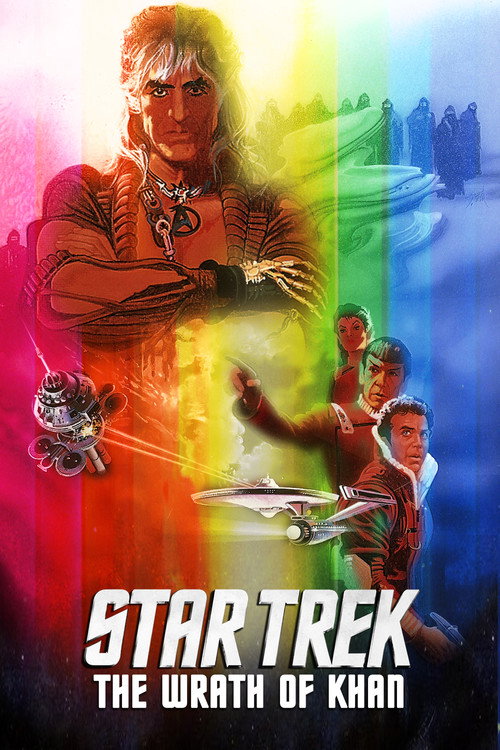
Star Trek II: The Wrath of Khan1982
A sequel that surpasses the original by deepening its villain's humanity and exploring his thirst for revenge. Ricardo Montalbán delivers operatic villainy; the film never cheapens his intelligence.
But Heavy on Star Trek lore—newcomers will struggle. It's also very much a 1982 film, which shows in pacing and effects, though that's part of its charm.
Not sure tonight? Get a pick in a minute, starting from Scream Blacula Scream
The wildcard
Something you would not have found on your own.
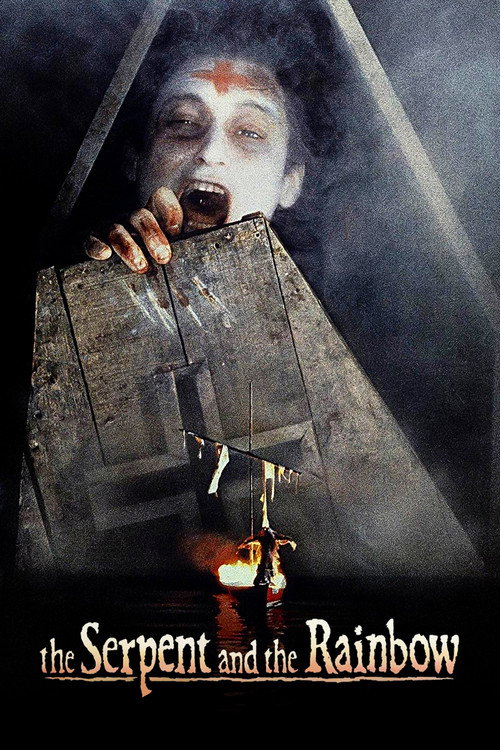
The Serpent and the Rainbow1988
Both use monster mythology to examine how American racism and colonial violence haunt the present. Both treat voodoo/African spirituality as real and powerful, not mere superstition.
Wes Craven grounding zombie mythology in Haiti's history of colonialism and exploitation—much like Blacula grounds vampirism in African trauma and diaspora. Bill Pullman descends into literal and metaphorical darkness; the imagery is unforgettable and deeply political without preaching.
But Some will read it as a white savior narrative despite its good intentions. The horror elements can feel overwrought next to the real historical horrors being invoked.
More like this (8)
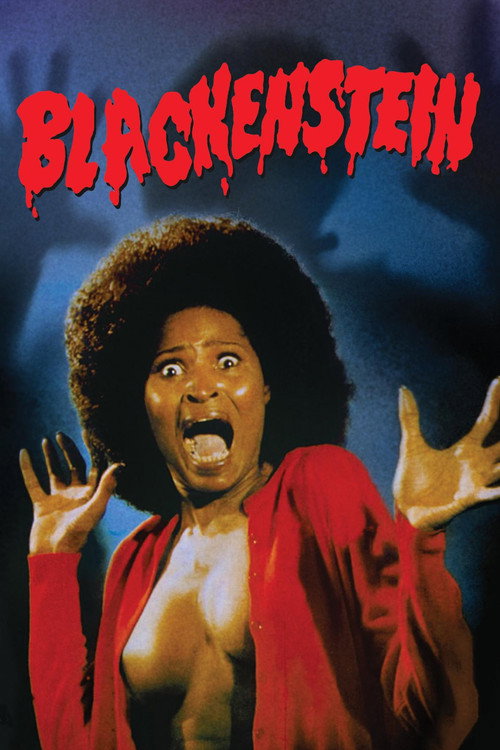
Blackenstein1973
A direct contemporary exploring similar territory: monster mythology remixed through a Black cultural lens. It's earnest, weird, and genuinely committed to its premise in ways that shouldn't work but do.
But It's genuinely rough around the edges—low budget shows everywhere. The acting is uneven and the dialogue sometimes unintentionally comic.
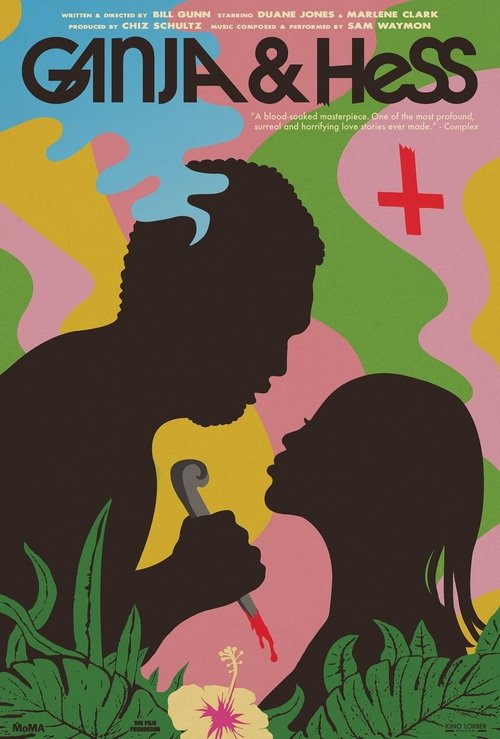
Ganja & Hess1973
Released the same year, another vampire film that uses the genre to explore power, addiction, and sexuality with stunning visual poetry. Meditative where others rush; hypnotic throughout.
But Glacially paced and deeply cryptic. It rewards patience but doesn't hold your hand—some will find it obtuse rather than profound.
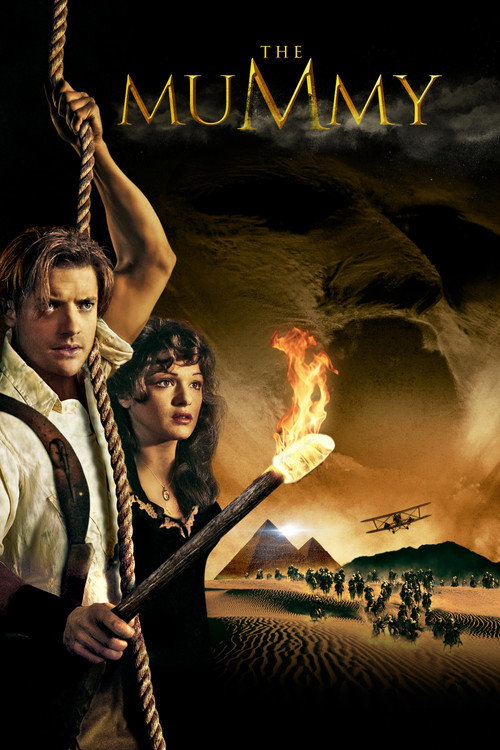
The Mummy1999
Adventure-horror that respects its source material while having enormous fun. Brendan Fraser and Rachel Weisz spark brilliantly; the action is inventive and the tone perfectly balanced.
But Fundamentally a summer blockbuster designed to entertain rather than challenge. If you want subtext over spectacle, look elsewhere.
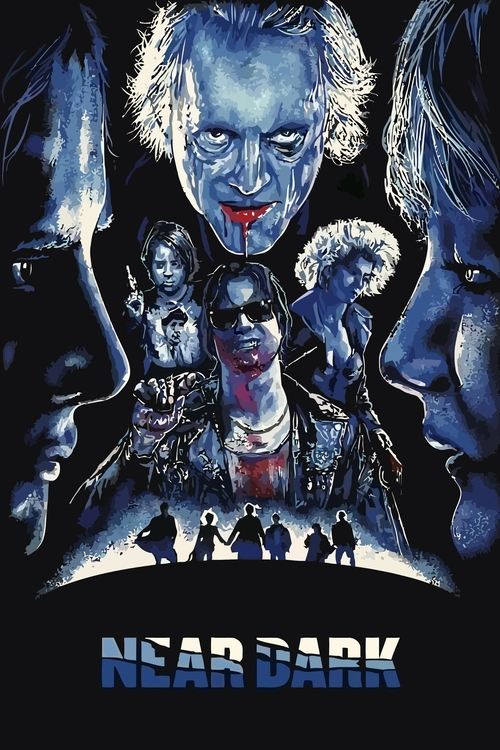
Near Dark1987
A vampire film that strips away gothic trappings for rural Americana dread. Bill Paxton is unforgettable; the violence is sudden and genuinely shocking in a way that still lands hard.
But Grim and relentless—there's little warmth or humor to ease the tension. The second half becomes fairly bleak.
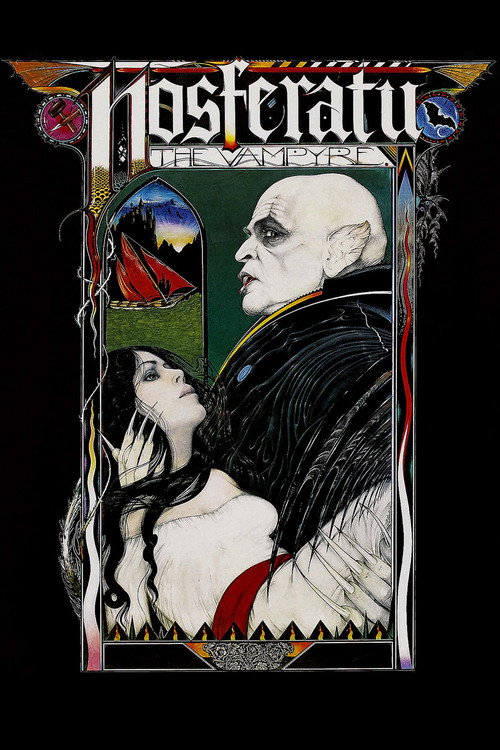
Nosferatu the Vampyre1979
Herzog's meditation on obsession and doom, with Klaus Kinski as a vampire that inspires pity rather than terror. Hypnotic cinematography and a performance of devastating loneliness.
But Deliberate to the point of stasis for long stretches. If you need momentum or plot momentum, you'll lose patience.
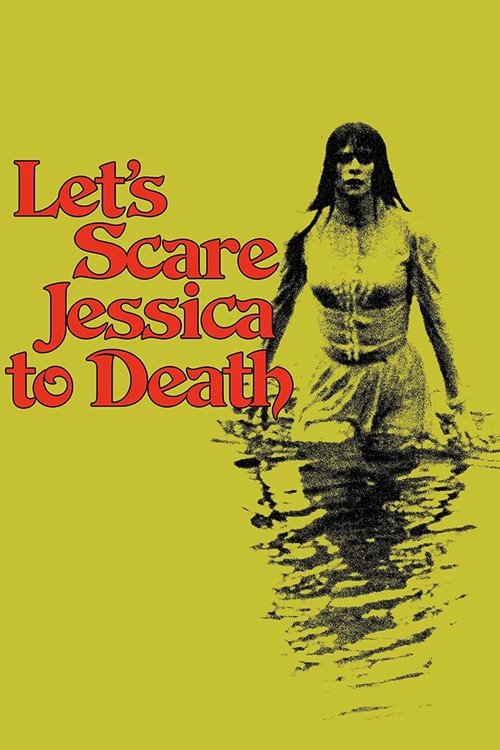
Let's Scare Jessica to Death1971
A haunted-house film shot through psychological dissolution and genuine unease. Zohra Lampert anchors it with raw vulnerability; the dread builds through suggestion rather than jump scares.
But Very slow, murky in places, and ambiguous about what's real. The pacing won't appeal if you prefer straightforward scares.
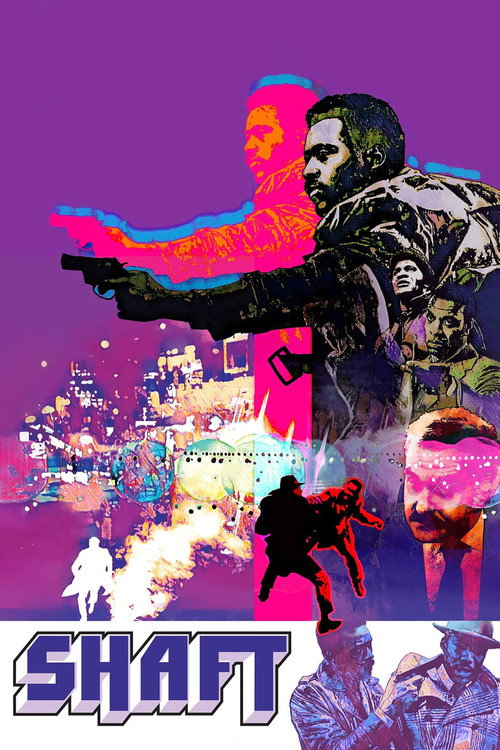
Shaft1971
Both are 1970s blaxploitation films where the protagonist is a figure of power and dignity who refuses to be victimized. Both use their era and setting as integral to character and theme.
Richard Roundtree as a detective navigating New York's underworld with style and moral complexity. Isaac Hayes' theme is iconic; the filmmaking is electric and the social commentary woven seamlessly into noir tradition.
But It's fundamentally a crime thriller rather than horror, so if you're hunting scares you'll find none. Some 70s action setpieces feel slow by modern standards.
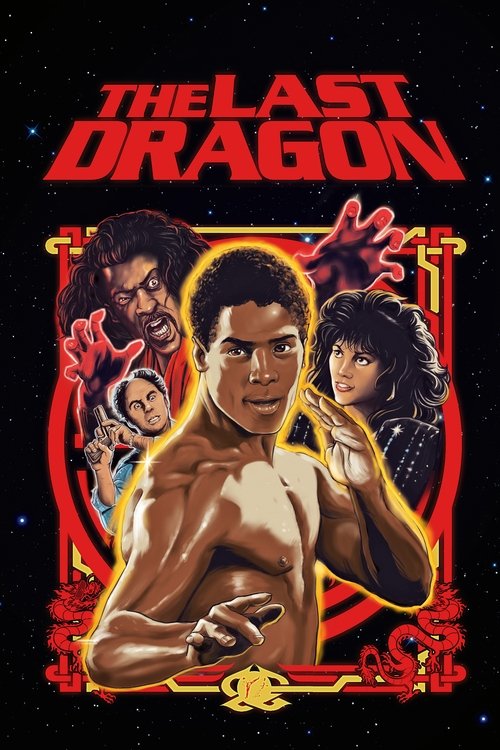
The Last Dragon1985
Both films center a charismatic Black man navigating supernatural or exceptional circumstances with dignity and power. Both reject victim narratives entirely. Both are proudly genre films from eras when that meant something different and bolder.
A martial arts fantasy that treats its Black protagonist as the hero of a mythic quest, mixing action, humor, and genuine heart. It's visually inventive, surprisingly moving, and unapologetically joyful in ways genre films rarely allow themselves.
But The tone shifts dramatically—it's half action thriller, half musical comedy, and some find that tonal whiplash fatal. The climax relies on special effects that haven't aged smoothly.
People
Cast
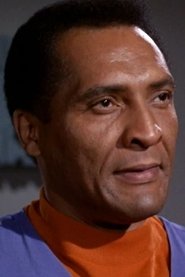 William MarshallBlacula / Prince Mamuwalde
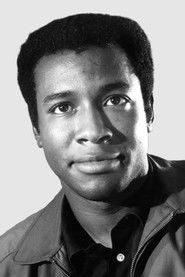 Don MitchellJustin Carter
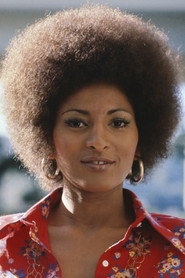 Pam GrierLisa Fortier
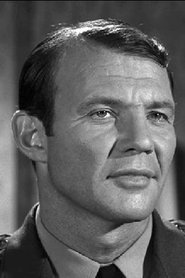 Michael ConradSheriff Harley Dunlop
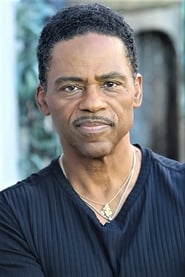 Richard LawsonWillis Daniels
 Lynne MoodyDenny
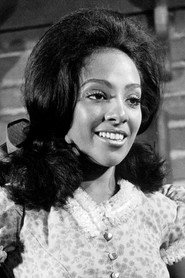 Janee MichelleGloria
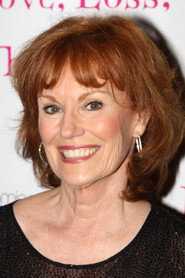 Barbara RhoadesElaine
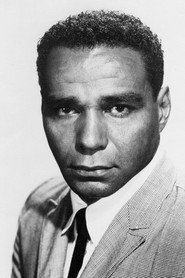 Bernie HamiltonRagman
- Arnold WilliamsLouis
- Van KirkseyProfessor Walston
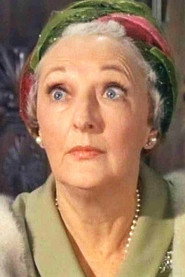 Leoda RichardsParty Guest
Directing
- Bob KelljanDirector
Writing
- Bram StokerOriginal Story
- Joan TorresScreenplay
- Maurice JulesScreenplay
- Raymond KoenigScreenplay
- Joan TorresStory
- Raymond KoenigStory
Production
- Bernard CarneolCasting
- Joe ScullyCasting
- Samuel Z. ArkoffExecutive Producer
- Joseph T. NaarProducer