
Film
Blackenstein
A 1973 blaxploitation riff on Frankenstein: a Black Vietnam vet gets experimental limb grafts, then a jealous lab assistant sabotages his DNA treatment, turning him into a shambling giant monster. It's gleefully unambitious B-movie horror with practical effects that strain against the budget and a tone that lurches between earnest and absurd. For those who love campy genre thrills and want to see where 70s exploitation cinema went when it grabbed mad-scientist tropes.
Should you watch it?
Watch it if you enjoy cheap, gleefully lurid 1970s exploitation horror where the monster movie's bones are stretched around a Vietnam veteran's rage and a blaxploitation swagger.
Skip it if the low budget shows in stiff acting, clumsy editing, and lab-talk scenes that stall the momentum whenever the monster is off screen.
What it asks of you: Brief and brisk at under ninety minutes, it moves quickly, leans on lurid set pieces, and wants little patience beyond its clinical exposition scenes.
Not sure? Find tonight's pick in a minute.
If you liked this
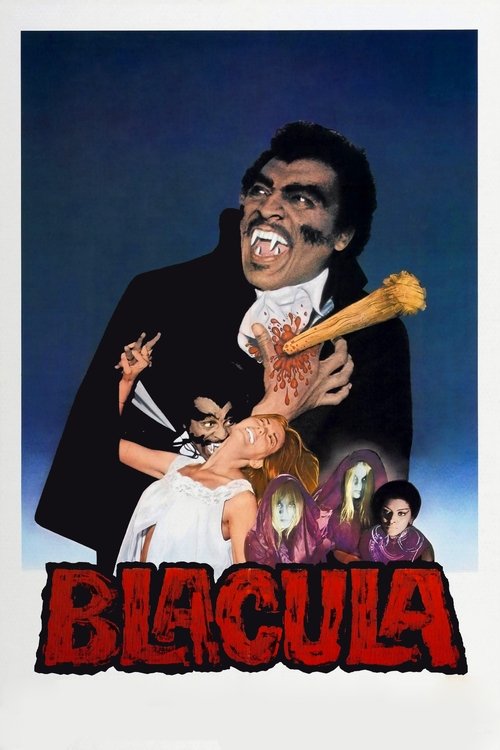
Blacula1972
The original blaxploitation vampire film that proved you could transplant classic horror into a new cultural context while keeping the thrills genuine. Stylish, tense, and genuinely atmospheric—it redefined what monster movies could be.
But It's a vampire film first and a genre experiment second, so if you're not drawn to traditional horror mechanics, the Dracula plot beats might feel familiar.
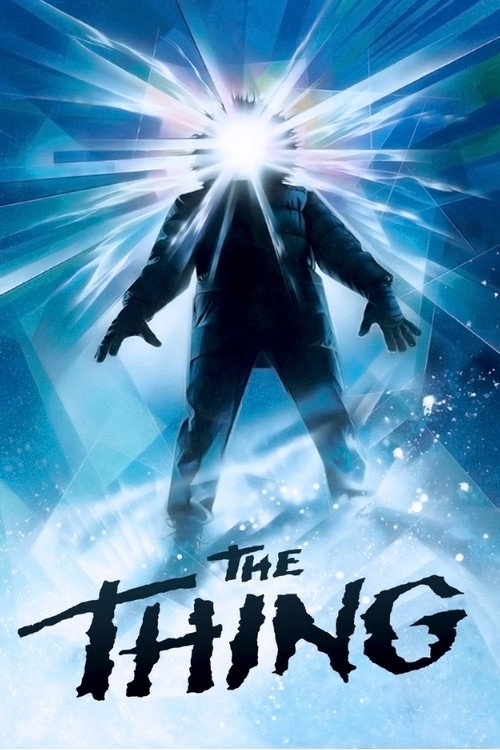
The Thing1982
A masterclass in practical creature effects and paranoid body-horror. Like Blackenstein, it's about a body being wrong—but Carpenter has an enormous budget and genius pacing. Genuinely unsettling in ways the 1973 film aspires to.
But It's bleak and claustrophobic in ways that can feel relentless. Some find the nihilism exhausting rather than exhilarating.
The Incredible Hulk1977
Bill Bixby and Lou Ferrigno's tv series has the same DNA as Blackenstein—a man's body transformed against his will into something monstrous, now hunted. It's sincere, surprisingly emotional, and the transformation scenes still hold up.
But It's episodic television with the pacing that entails. Each episode essentially resets, so there's no building narrative momentum.
Not sure tonight? Get a pick in a minute, starting from Blackenstein
The wildcard
Something you would not have found on your own.
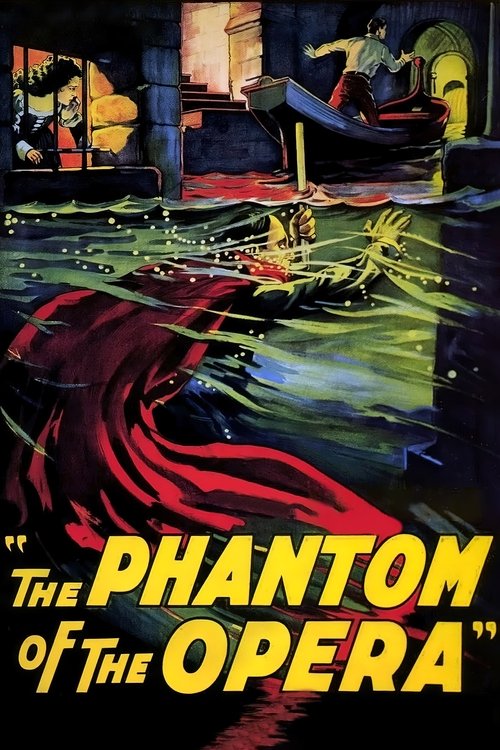
The Phantom of the Opera1925
Both pit a disfigured or transformed man against the world, driven by obsession and circumstance. Both are low-key tragedies dressed in exploitation clothes.
Lon Chaney's silent original. It's the ur-text of the obsessed-man-becomes-monster narrative. Like Blackenstein, it's about a body made grotesque by circumstance or will, but Chaney's performance and German Expressionist cinematography elevate it to pure cinema.
But It's nearly 100 years old, in black-and-white, and silent. The pacing and aesthetic are not modern. You need to surrender to the form entirely.
More like this (6)
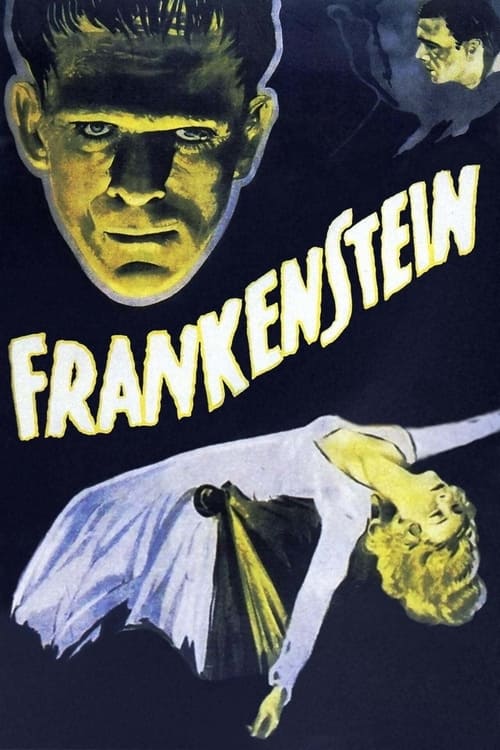
Frankenstein1931
The source material that inspired Blackenstein's premise. Boris Karloff and James Whale's 1931 version remains the template: brilliant scientist, forbidden experiment, tragic monster. A true foundation stone of horror cinema.
But At 70 minutes, it moves at classic-era pace. If you need constant action or humor, the restraint might feel slow.
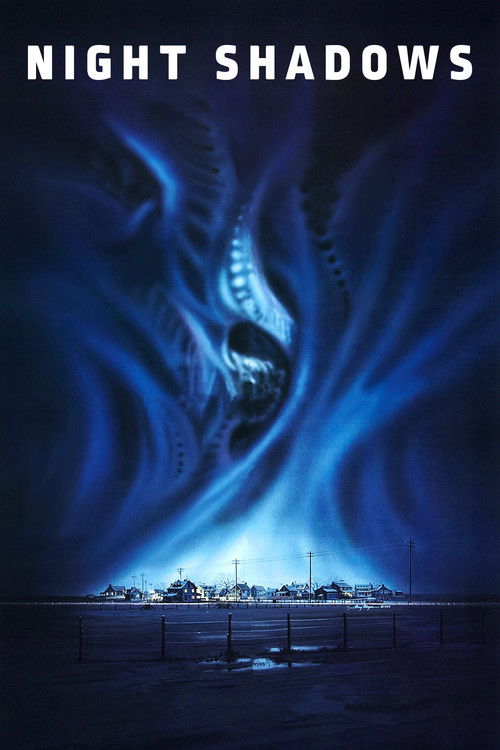
Night Shadows1984
Cheap 1980s sci-fi horror about contamination and bodily mutation. Shares Blackenstein's budget constraints and willingness to just let the weird premise run. Raw and unpretentious in ways that are strangely endearing.
But It's genuinely rough around the edges—acting, dialogue, effects all strain with the limited resources. Some call it character-driven; others just call it rough.
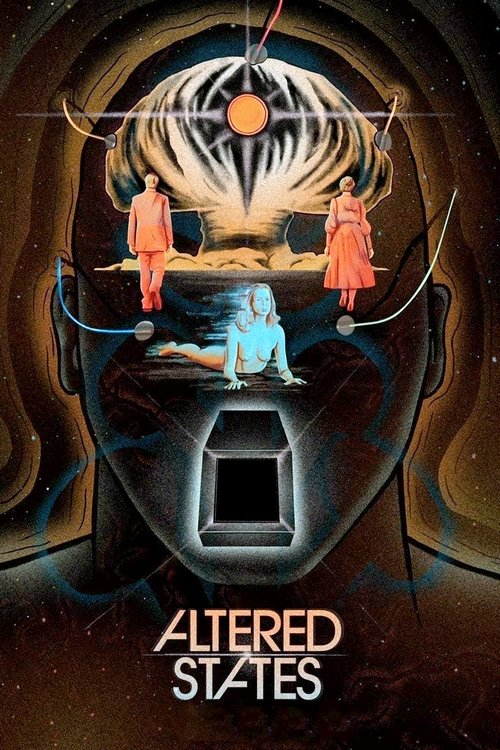
Altered States1980
Ken Russell's fever-dream about an altered sensory-deprivation experiment that mutates a man into a primordial creature. Surreal, ambitious, and visually stunning where Blackenstein is earthbound—but driven by the same mad-science DNA horror.
But It's heavily philosophical and deliberately disorienting. If you want plot clarity and straightforward narrative, this will frustrate you.
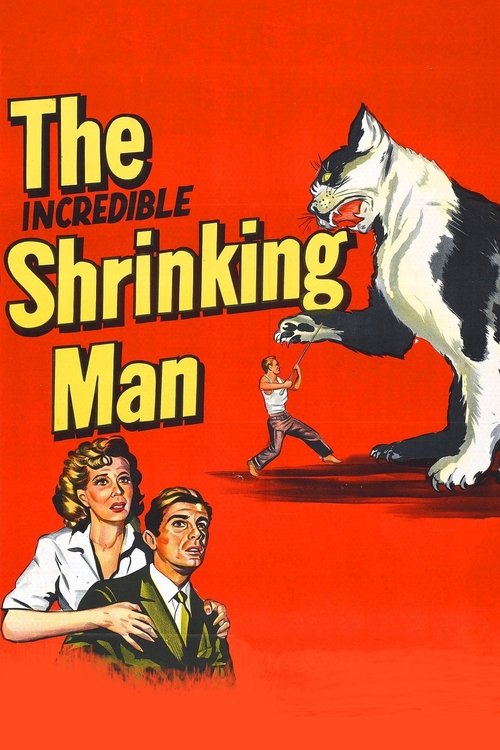
The Incredible Shrinking Man1957
A man's body fundamentally transformed by forces outside his control, forced into a new existence. It's existential rather than exploitative, but shares the core horror: what happens when your body stops being yours?
But It's slow, meditative, and deeply 1950s in its pacing. The sci-fi elements are secondary to the philosophical crisis.
Tusk2014
Kevin Smith's grotesque body-horror comedy about a man surgically transformed into a walrus. It's absurdist where Blackenstein is earnest, but both films lean into the surreal monstrosity of limbs and flesh remade.
But It's intentionally disgusting and the humor is deliberately nasty. If you prefer your horror played straight, the comedy will undercut the visceral impact.

Akira1988
Both feature government/scientific abuse resulting in uncontrollable bodily transformation. Both pit the transformed man against institutions that created him. But Akira asks bigger questions with far more visual ambition.
A sprawling anime dystopia with practical-effects animation that looks weightier than anything Blackenstein attempts. It explores government experimentation, mutated bodies, and the horror of a young man losing control of his own flesh. Visually overwhelming and thematically dense.
But It's deliberately obscure in plot, and the pacing can feel chaotic. You need to sit with confusion; it doesn't hold your hand, and some find that frustrating.

People
Cast
 John HartDr. Stein
- Ivory StoneDr. Winifred Walker
- Joe De SueEddie Turner
- Roosevelt JacksonMalcomb
 Andrea KingEleanor
- Nick BolinBruno Strager
- Karin LindMrs. Wayne
- Yvonne RobinsonReceptionist
- Bob BrophyHospital Attendant
 Liz RenayCouple in Bed
- Gerald SoucieNelson (Couple in Bed)
- Beverly HaggertyBeth (Couple in Car)
Directing
- William A. LeveyDirector
Writing
- Mary ShelleyOriginal Story
- Frank R. SaletriWriter
Production
- Ted TetrickExecutive Producer
- Frank R. SaletriProducer
- F.A. MillerProduction Manager