
Film
The Serpent and the Rainbow
Wes Creed's 1988 horror-thriller follows a Harvard anthropologist investigating Haiti's zombie phenomenon. It's grounded, atmospheric terror rooted in real ethnobotany and colonial dread, filtered through visceral body horror. For anyone who wants scares that feel plausible, and who's tired of supernatural hand-waving.
Should you watch it?
Watch it if you like horror that runs on a skeptic's unease and a sense of foreign ritual more than jump scares, with a real-world anthropological footing and a thriller's slow tightening grip.
Skip it if you want brisk scares or a clean genre machine; the middle stretch leans on talk, politics and dreamlike detours, and its 1988 rhythms feel deliberate rather than urgent.
What it asks of you: Under ninety-nine minutes, it moves at a measured pace, asks you to sit with atmosphere and unfamiliar belief, and lets dread build in long, unsettled stretches rather than in sudden bursts.
Not sure? Find tonight's pick in a minute.
If you liked this
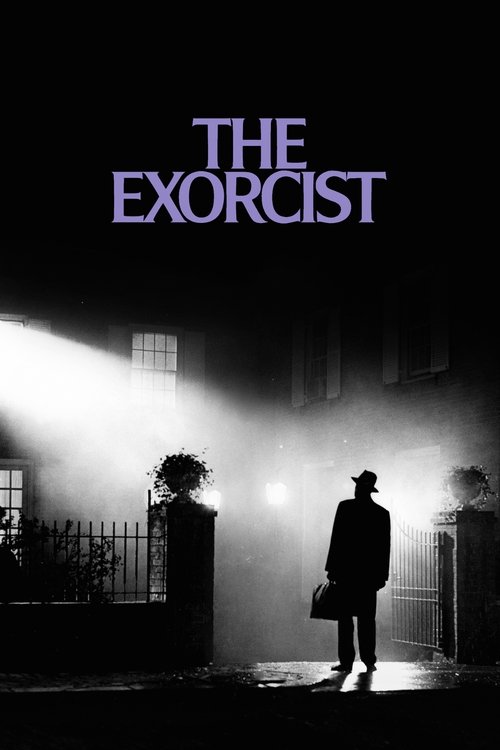
The Exorcist1973
The gold standard of intelligent horror: meticulous, terrifying, and takes its supernatural premise with absolute seriousness. Friedkin builds dread through patient direction and genuine uncertainty about what's possible.
But Glacially paced in the first half, and the religious messaging won't resonate with everyone. It's also deeply bleak.
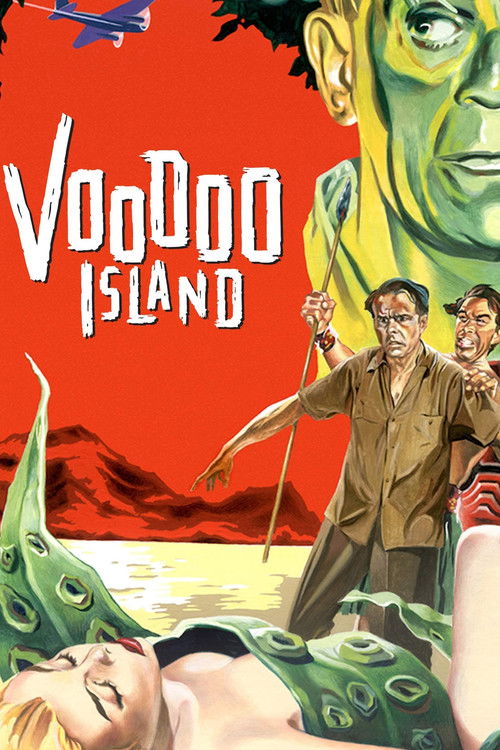
Voodoo Island1957
An earlier, weirder take on Caribbean supernaturalism and colonial fear. Wonderfully strange creature design, genuine atmosphere, and it shares that same collision of science and legend that drives Serpent and the Rainbow.
But The film stock is fragile, the effects are dated, and the politics are murkier. It's less polished than you'd expect.
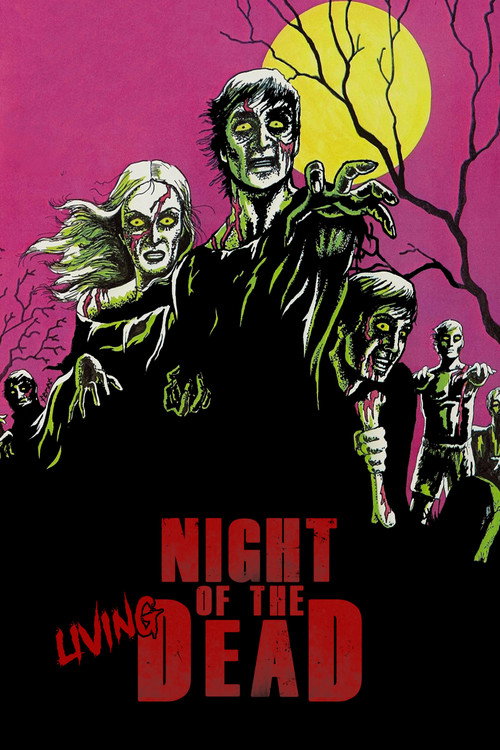
Night of the Living Dead1968
Romero's original defines zombie cinema and the social dread underlying it. Black and white, low-budget, relentless—it shares Serpent's commitment to taking the impossible seriously and wringing terror from it.
But Shot cheaply in grainy black and white, which some find harder to engage with. The pacing is deliberate rather than propulsive.
Not sure tonight? Get a pick in a minute, starting from The Serpent and the Rainbow
The wildcard
Something you would not have found on your own.
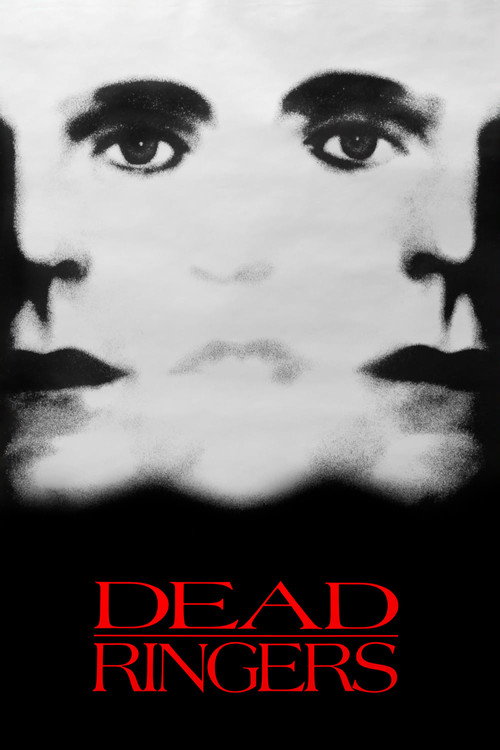
Dead Ringers1988
Both films from 1988 treat the body as a battleground between consciousness and something darker. Where Serpent features shamanic control, Dead Ringers features psychological fracture manifesting in flesh.
Cronenberg's body horror masterpiece, released the same year as Serpent. Jeremy Irons is unforgettable in twin roles. Like Serpent, it makes the body itself a site of horror and psychological violation, but inverts the zombie premise: here the body is a prison of the mind.
But Sexually explicit, deeply misogynistic in its premise (deliberately so), and deeply uncomfortable. It's a difficult watch that doesn't relent.
More like this (8)
The Wailing2016
A South Korean masterpiece that layers folk horror, uncertainty, and spiritual dread exactly as Serpent does. Stunningly shot, genuinely unsettling, and refuses easy answers about what's real and what's supernatural.
But Nearly three hours, deliberately obtuse about plot, and it rewards viewers who tolerate ambiguity. Subtitles required.

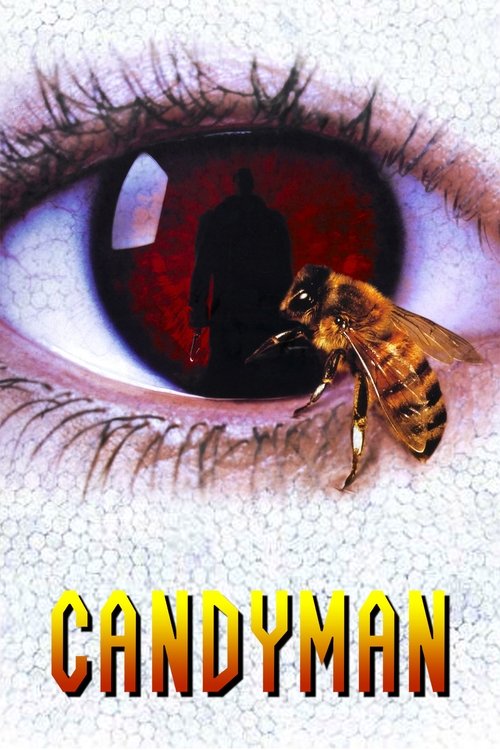
Candyman1992
Urban legend becomes very real horror, powered by history and injustice. Like Serpent, it takes folk belief seriously and grounds supernatural terror in actual lived experience and systemic harm.
But Slower than modern horror. The twist in the third act divides viewers on whether it deepens or oversimplifies the film's themes.
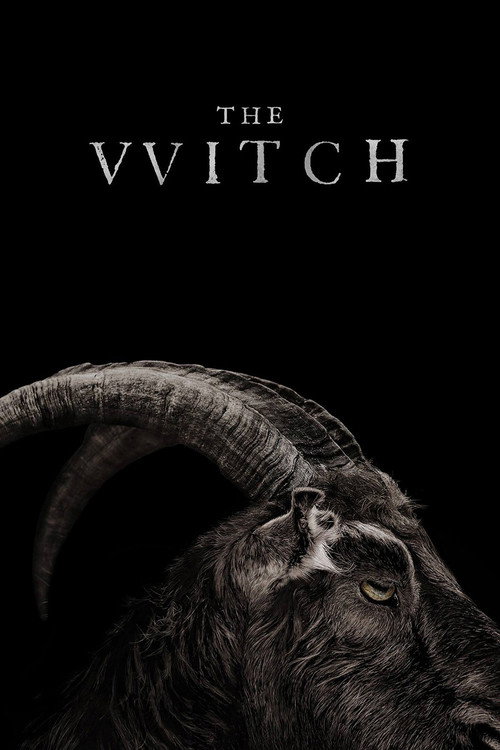
The Witch2016
Atmospheric folk horror that earns every scare through slow-burn dread and meticulous period detail. It shares Serpent's commitment to making the supernatural feel like an intrusion into the real world.
But Virtually no jump scares, minimal gore, and it's about psychological dissolution rather than external threat. Some find it slow.
Possession1981
Andrzej Żuławski's fever dream of body horror and supernatural transgression. Transgressive, visually stunning, and utterly committed to the reality of its impossible premise, much like Serpent.
But Deliberately alienating, sexually graphic, and narratively non-linear. It's challenging by design, not for casual viewing.

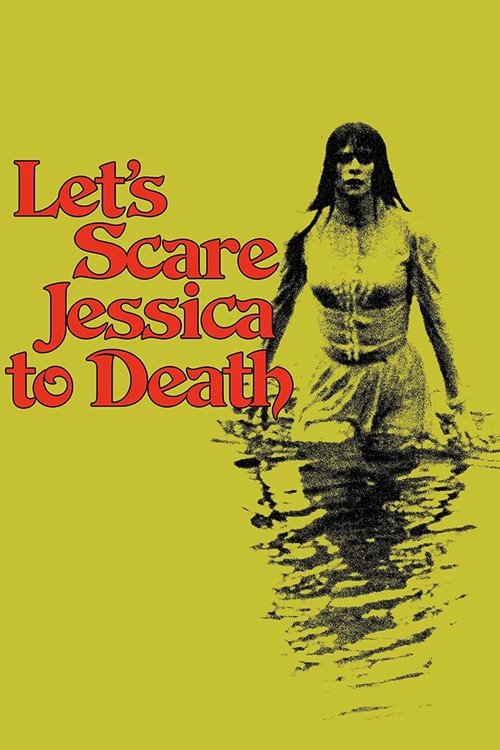
Let's Scare Jessica to Death1971
A quietly devastating folk horror about a woman unraveling in rural America. Like Serpent, it fuses the supernatural with psychological unease and an ambiguous threat you can't quite locate.
But Very slow, shot on low film stock, and the ending is deliberately unclear. Some will find it frustrating rather than atmospheric.
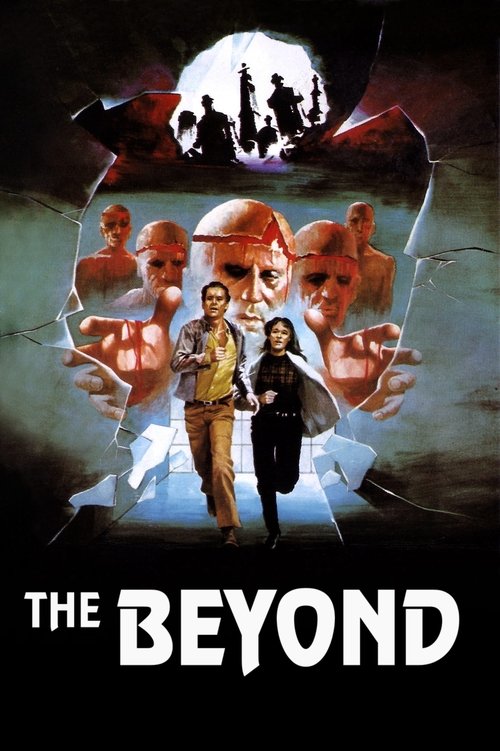
The Beyond1981
Lucio Fulci's masterpiece of pure visceral dread. Seven gates to hell, surreal logic, relentless atmosphere. It shares Serpent's willingness to let things remain irrational and nightmarish rather than explained away.
But Deliberately nonsensical plot, cheaply made even by 80s standards, and it's all mood and imagery rather than coherent narrative. Exhausting for some viewers.
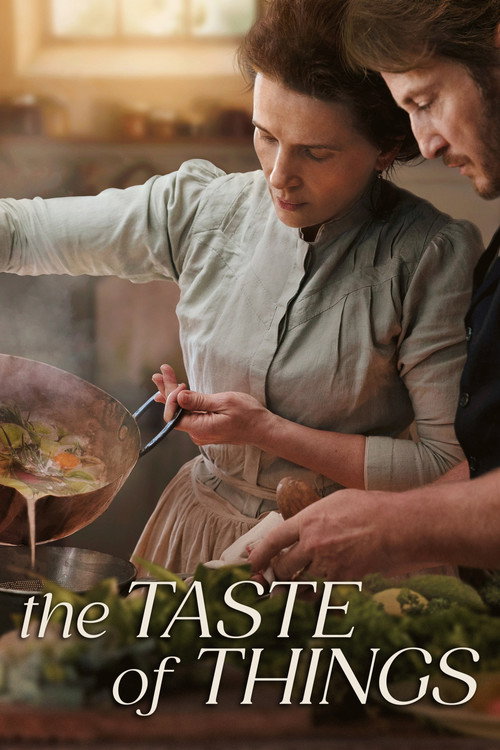
The Taste of Things2023
Both are about substances (powder, food) that unlock hidden knowledge or bring the dead back into presence. Both insist that sensory experience and ritual are pathways to truth.
Jérôme Clément's luminous French film about a widowed chef preparing one final meal. Seemingly a million miles from Serpent, but it shares the same foundation: ritual, time, the recovery of something lost, the dance between belief and sensory reality.
But It's slow, domestic, almost plotless—a meditation on memory and taste rather than a thriller. If you want momentum, you won't find it here.
Under the Skin2014
Both feature an outsider (anthropologist, alien) encountering a system of ritualized killing they can't fully comprehend. Both make the body itself unknowable and strange.
Jonathan Glazer's hypnotic sci-fi nightmare, mostly silent, deeply unsettling. An alien in human form lures men to their deaths. Like Serpent, it treats the human body as vulnerable, penetrable, subject to forces beyond understanding, but through pure mood and sound design rather than plot.
But Deliberately opaque, minimal dialogue, experimental formal choices. It's closer to horror art-film than narrative cinema, which will alienate most viewers.

People
Cast
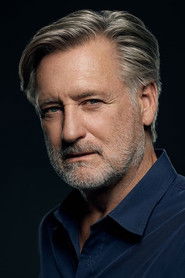 Bill PullmanDennis Alan
 Cathy TysonMarielle Duchamp
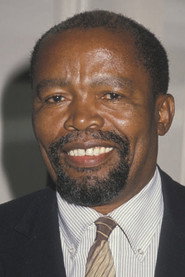 Zakes MokaeDargent Peytraud
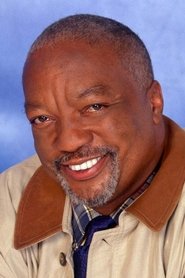 Paul WinfieldLucien Celine
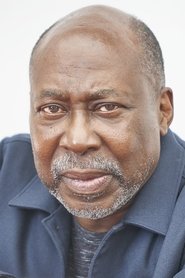 Brent JenningsLouis Mozart
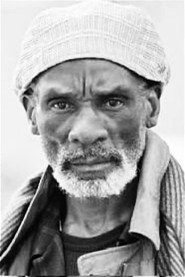 Conrad RobertsChristophe
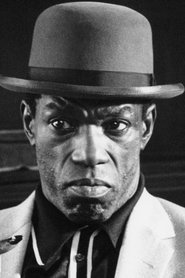 Badja DjolaGaston
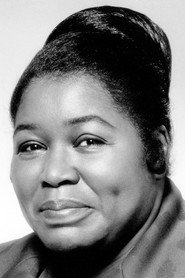 Theresa MerrittSimone
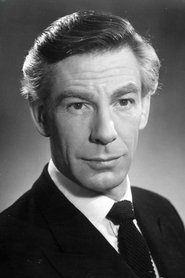 Michael GoughSchoonbacher
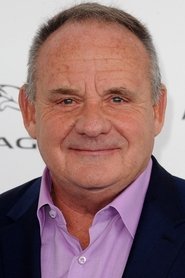 Paul GuilfoyleAndrew Cassedy
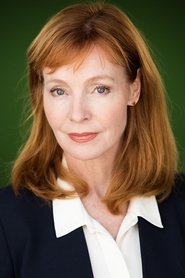 Dey YoungMrs. Cassedy
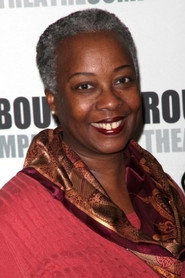 Aleta MitchellCelestine
Directing
- Felipe ViciniAdditional Second Assistant Director
- José Luis OrtegaAdditional Second Assistant Director
- Miguel HededAdditional Second Assistant Director
- Wes CravenDirector
- Robert EngelmanFirst Assistant Director
- Carmen SorianoScript Supervisor
- George P. GreggSecond Assistant Director
- Rob CohenSecond Unit Director
Writing
- Wade DavisBook
- Adam RodmanScreenplay
- Richard MaxwellScreenplay
Production
- Barbara HarrisADR Voice Casting
- David B. PaukerAssociate Producer
- Victoria KlugeAssociate Producer
- Dianne CrittendenCasting
- Sarah C. KoeppeCasting Assistant
- Robert EngelmanCo-Producer
- Keith BarishExecutive Producer
- Rob CohenExecutive Producer
- Heig BeckExtras Casting Assistant
- Ivan Arturo ReynosoLocation Assistant
- Sue ParkerLocation Casting
- David LaddProducer
- Doug ClaybourneProducer
- Curtis BurchProduction Executive
- Jaime Pina GautierProduction Manager
- Juanita Diane FeeneyProduction Manager
- Michael BennettUnit Production Manager