
Film
Body and Soul
Other titles called Body and Soul: the 1947 film.
A silent film where Paul Robeson plays a con artist masquerading as a preacher in the segregated South. It's a morality tale with real teeth, shot through with contempt for hypocrisy and appetite. Watchable now as both period drama and radical statement: a Black filmmaker telling a story about corruption within the Black church, with full dignity and no apology.
Should you watch it?
Watch it if you enjoy silent melodrama that treats hypocrisy in a pulpit with a hard, unsentimental eye, and you don't mind intertitles doing half the talking.
Skip it if you want quick cuts and subtle performances, since its pacing is deliberate and its melodrama and stage-trained acting play broad by modern standards.
What it asks of you: Expect ninety-odd minutes of silence broken by title cards, with faces and gestures doing the work, and a patience for scenes that linger before they turn.
Not sure? Find tonight's pick in a minute.
If you liked this
Intolerance: Love's Struggle Throughout the Ages1916
D.W. Griffith's epic silent narrative poem about human cruelty across centuries. Formally audacious, visually overwhelming, the kind of canvas that makes you feel cinema's power even a century on.
But Four hours long and structurally dense. Patience with intertitles and a narrative that braids together four different timelines is non-negotiable.

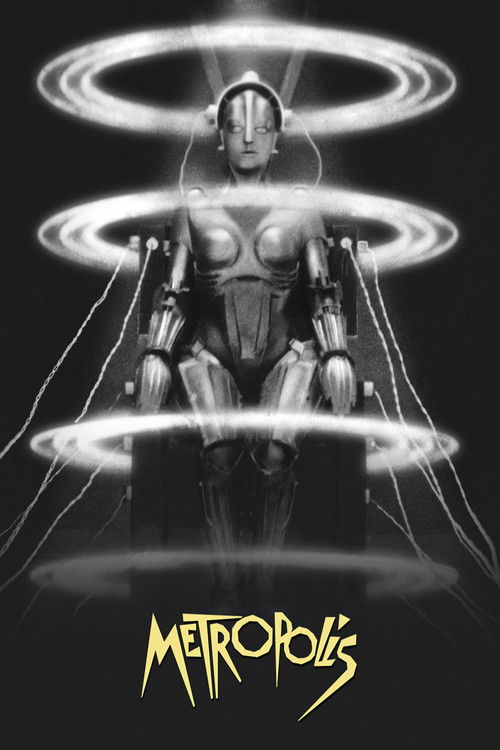
Metropolis1927
Fritz Lang's silent sci-fi masterpiece about class war in a futuristic city. The production design alone justifies it: vast, precise, humming with dread and ambition. Electrifying.
But The restored version restores some ambiguity to the ending that the original cut flattened. Some found that more interesting; others found it less satisfying.
The Phantom Carriage1921
Arne Bergman's Swedish ghost story where special effects feel genuinely supernatural rather than quaint. Haunted, beautiful, structurally complex for 1921. It *works*.
But Gothic and melancholic throughout. If you need warmth or levity, you won't find it here.

Not sure tonight? Get a pick in a minute, starting from Body and Soul
The wildcard
Something you would not have found on your own.
Blackmail1929
Both are silent films where sound is incidental, focused on a single moral crime at the heart of a small community, with visuals doing the psychological work.
Hitchcock's first sound film, but shot as silent cinema with synchronized sound bolted on. It's a murder thriller set in a London townhouse with moral vertigo at its center. Early Hitchcock before the machinery calcified.
But The first sound mixing is occasionally rough. Some of the tonal shifts feel experimental in ways that don't always land.

More like this (8)
Sunrise: A Song of Two Humans1927
F.W. Murnau's masterpiece about a marriage tested by temptation and betrayal. The camera work is virtuosic; the emotional arc is simple and true. One of cinema's great achievements.
But Very much a product of its time in how it frames women and desire. Some moments read differently now than they did then.

The General1926
Buster Keaton's silent comedy set during the Civil War, a love story disguised as a train heist. The stunts are real, the comic timing supernatural. Endlessly rewatchable and somehow joyful.
But If you need plot momentum and clear narrative stakes, this drifts. It's more interested in texture and gag architecture than story drive.

Nosferatu1922
F.W. Murnau's vampire film, unauthorized and brilliant. Shadow work and production design that still feels malevolent. Genuine atmosphere without a drop of camp.
But Extremely slow-paced by modern standards. The horror is ambient and existential rather than shocking.

The Lodger: A Story of the London Fog1927
Hitchcock's debut silent thriller, lean and paranoid. He's already inventing his visual language: suspicion built through composition and editing. Remarkably tense.
But A Jack the Ripper story that has aged uneasily in some respects. Also very brief, which leaves less time to settle in.

The Passion of Joan of Arc1928
Carl Theodor Dreyer's close-up masterpiece. Renée Jeanne Falconetti's face is the entire film and it's transcendent. A radical experiment in what cinema could be emotionally.
But Deliberately austere and repetitive in form. The power comes from restriction, which some will experience as limitation.

The Man Who Laughs1928
Paul Leni's expressionist melodrama about a man whose face is surgically mutilated. Gothic, grotesque, unexpectedly moving. Lon Chaney's empathy under the makeup is extraordinary.
But Heavy on silent-film melodrama and theatrical emotion. If that register feels overwrought, this will too.

Ganja & Hess1973
Both use genre (horror/con-man crime) to interrogate power dynamics within Black communities. Both are uncompromising about their moral seriousness.
Bill Gunn's vampire film and meditation on race, class, and vampirism-as-addiction. Shot on 16mm in fragments and reverie. Formally radical, thematically fearless. Absolutely hypnotic.
But Aggressively experimental in structure and pacing. It does not explain itself and refuses conventional narrative satisfaction.

Diary of a Lost Girl1929
Both are silent dramas where religious and social hypocrisy is the actual villain. Both center the spiritual corruption of institutions rather than individual sins.
G.W. Pabst's late silent about a girl betrayed and criminalized by respectability. Louise Brooks is incandescent. It's Weimar cinema at its most socially enraged, structurally assured, morally complex.
But A film about sexual coercion, institutional cruelty, and exploitation. It treats these subjects without sentiment but without distance either—some viewers find that unbearable.

People
Cast
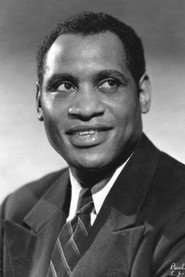 Paul RobesonReverend Isaiah T. Jenkins / His brother Sylvester
 Mercedes GilbertSister Martha Jane
 Julia Theresa RussellIsabelle
 Marshall RogersSpeakeasy Proprietor
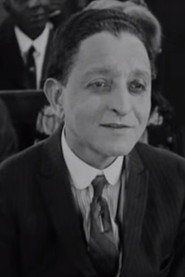 Lawrence ChenaultYello-Curley' Hinds - the Phony Reverend's Former Jailmate
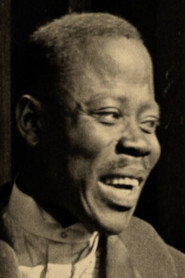 Chester A. AlexanderDeacon Simpkins - a Church Elder
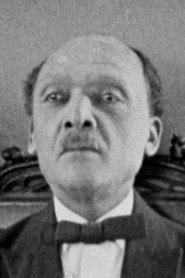 Walter Henry CornickBrother Amos - a Church Elder
 Lillian Johnson"Sis" Ca'line
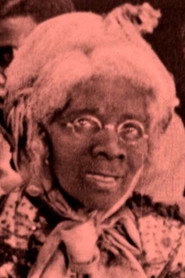 Madame Robinson"Sis" Lucy