
Film
Diary of a Lost Girl
- Social drama
- Very dark
G.W. Pabst's 1929 masterpiece follows an innocent girl destroyed by a single act of violence and society's indifference to her suffering. Shot with formal precision and emotional devastation, it refuses easy comfort or redemption. Essential cinema for anyone serious about silent film—raw, unflinching, and still punishing in its clarity about how quickly the world can swallow a vulnerable life.
If you liked this
The Phantom Carriage1921
Sjöström's ghost story uses the supernatural to examine guilt, poverty, and redemption with the same moral weight Pabst brings to earthly suffering. Equally rigorous, equally moving, and it shows how sophisticated silent cinema could be.
But It's nearly two hours of slow-burn Swedish melancholy. There's no plot twist to rescue you—just the accumulated weight of regret and a man confronting what he's become.

Sunrise: A Song of Two Humans1927
Murnau's exploration of how quickly innocence fractures under temptation mirrors Pabst's vision of social cruelty. Both films understand that one moment can erase a life. The photography is hypnotic and the emotional core is devastating.
But The middle section is nearly experimental in its abstraction. If you need plot momentum over atmosphere and symbolism, you'll feel adrift.

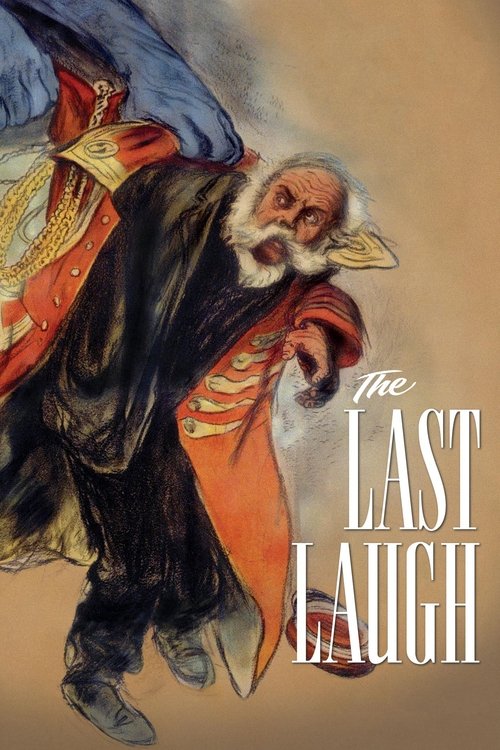
The Last Laugh1924
Murnau again, but this time tracking a man's descent into invisibility—stripped of dignity by a world that discards him. Like Thymian, he cannot stop what's coming. The camera work is revolutionary and the pathos is unbearable.
But The framing is theatrical and the pacing is deliberate. Modern viewers often find it too slow, but that slowness is the point—watching someone disappear takes time.
Not sure tonight? Get a pick in a minute, starting from Diary of a Lost Girl
The wildcard
Something you would not have found on your own.
Akira1988
Both films position a young woman as a victim of institutional cruelty—pharmaceutical/sexual in one, technological/governmental in the other. Neither offers rescue or redemption. Both insist we witness what we'd rather ignore.
Otomo's anime tracks a young girl (Kaori) destroyed by state experimentation and discarded when she's no longer useful. Like Pabst's film, it's about how institutions treat vulnerable bodies as disposable and how quickly a person can vanish into a system designed to forget them. The animation is extraordinary.
But It's cyberpunk science fiction, not social realism. If you want fidelity to the 1929 setting and naturalistic acting, the anime format and dystopian genre are radical departures.

More like this (8)
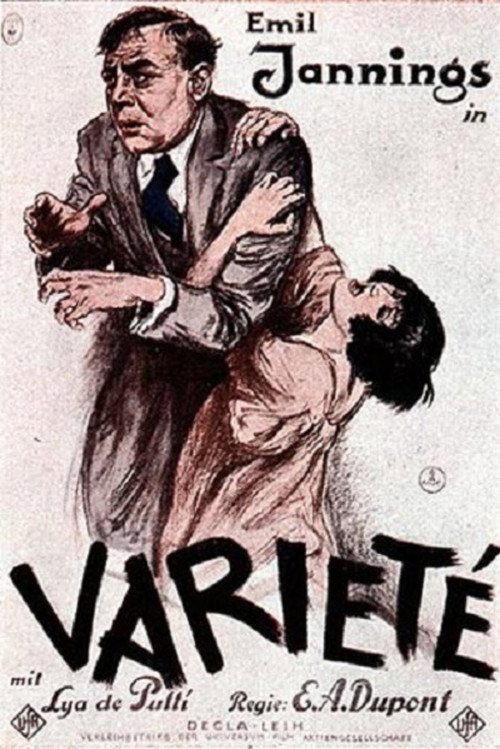
Variety1925
Eizensteiner's brutal circus drama uses the same German Expressionist language as Pabst to show how desire and ambition destroy lives. It's sexually frank in a way that shocked 1925 and still unsettles. The trapeze sequences are stunning.
But It's violent and sexually explicit by any era's standards. The affair at the centre is treated without romance or mercy, which some find gratuitous rather than clarifying.
Battleship Potemkin1925
Eisenstein's monument to collective suffering and social injustice operates at the same pitch of moral urgency. The Odessa Steps sequence remains the most powerful depiction of institutional cruelty in cinema. It will break you.
But It's a Soviet revolutionary tract, and the editing is so aggressive it can feel like being lectured to. If you need a story with character arcs, this offers ideology instead.

Nosferatu1922
Murnau's vampire film uses Gothic imagery to explore how evil infiltrates ordinary life and destroys innocent people. Like Pabst, it suggests the horror isn't the supernatural—it's the world's indifference to suffering and corruption.
But It's supernatural horror, which is a different register entirely. If you want social realism rather than symbolism, the vampire story might feel like a dodge.

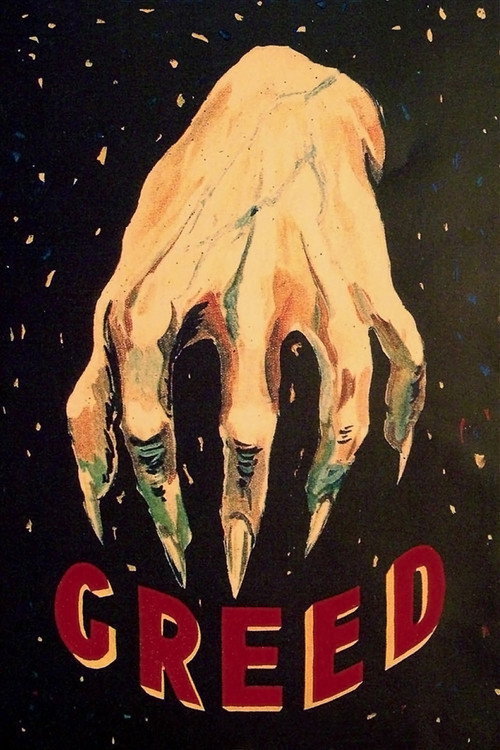
Greed1924
Stroheim's nine-hour epic (usually seen in truncated form) follows ordinary people destroyed by desire. It has the same unflinching commitment to moral degradation and the same refusal to provide comfort that makes Pabst's film unbearable and necessary.
But The surviving versions are fragmentary and the film moves like a glacier. Watching people destroy themselves for money is fascinating and repetitive in equal measure.
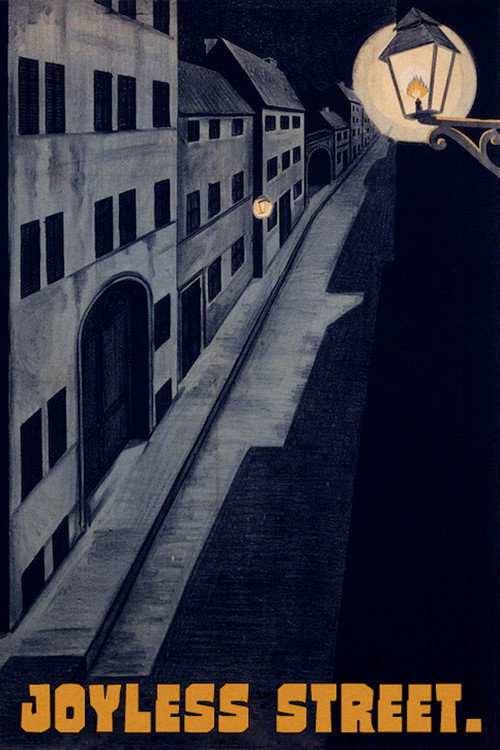
Joyless Street1925
Also Pabst—earlier, but it shows his fixation on how poverty and sexual vulnerability trap women in impossible choices. If Diary of a Lost Girl is his masterpiece of individual destruction, this is his portrait of systemic cruelty.
But It's long and episodic and some reels are lost, which damages the narrative flow. The cynicism is relentless—there are no good people, only varying degrees of complicity.
The Cabinet of Dr. Caligari1920
This is German Expressionism's foundation—distorted sets and shadows that visualize psychological torment. Like Pabst, it shows how institutions and authority figures exploit the vulnerable, though it leans toward horror rather than social realism.
But The acting style is wildly theatrical by modern standards. The distorted sets, while iconic, can read as campy rather than unsettling to contemporary eyes.

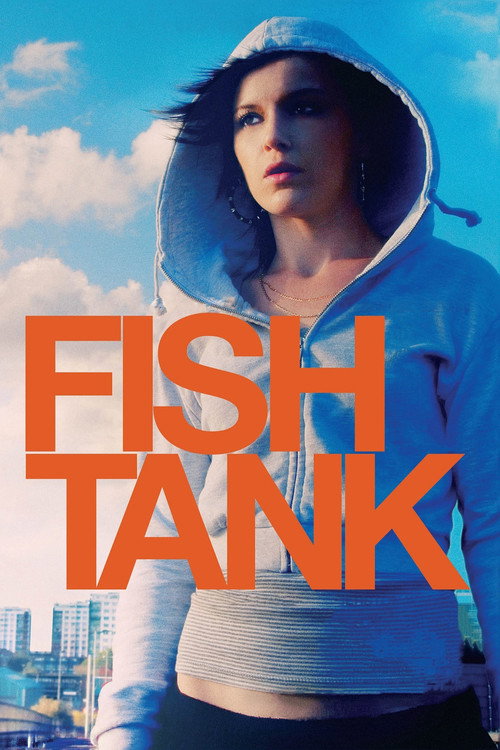
Fish Tank2009
Both films refuse to soft-pedal sexual violence or suggest that suffering ennobles. Both show a girl moving through a world that sees her only as available. Both are morally rigorous about complicity and indifference.
Andrea Arnold's contemporary British film follows a girl from a struggling family preyed upon by an older man. It has Pabst's unflinching commitment to showing how quickly predators exploit vulnerability and how the world supplies no safety net. The handheld camera and naturalistic acting make the violence feel inescapable.
But It's rough and sexually aggressive and there's no artistic distance. The realism is oppressive—some viewers find it exploitative rather than clarifying, and it ends in numbness rather than catharsis.
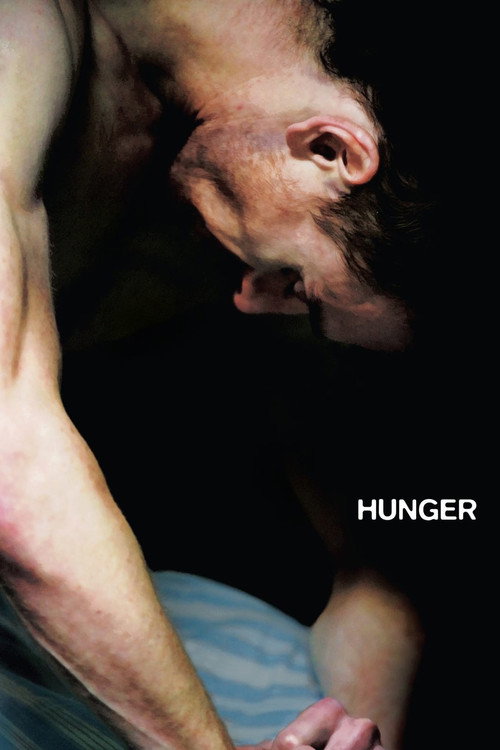
Hunger2008
Both films use formal precision to convey internal collapse. Both show a girl becoming invisible to the world and to herself. Both suggest that social erasure can be as total as death, and neither offers false comfort.
Lynne Ramsay's portrait of artist Carey Mulligan's slow dissolution into invisibility—trapped in London, underemployed, erased—uses fragmentation and repetition to capture the experience of being disposable. Like Pabst, it shows how systems and indifference can erase a person more completely than violence.
But There's almost no plot. The pacing is glacial and deliberately alienating. If you need narrative momentum or character development, the film will feel self-punishing and pretentious.
People
Cast
 Louise BrooksThymian Henning
 André RoanneCount Nicolas Osdorff
 Josef RovenskýKarl Friedrich Henning
 Fritz RaspMeinert
 Vera PawlowaAunt Frida
 Franziska KinzMeta Koch Henning
 Arnold KorffElder Count Osdorff
 Andrews EngelmannThe Reformatory's Dean
- Valeska GertThe Reformatory Dean's Wife
 Edith MeinhardErika
 Sybille SchmitzElisabeth
 Sig ArnoBrothel Visitor
Directing
- Marc SorkinAssistant Director
- Paul FalkenbergAssistant Director
- G.W. PabstDirector
Writing
- Margarete BöhmeNovel
- Rudolf LeonhardtWriter
Production
- G.W. PabstProducer
- Victor SkutezkyProduction Manager
- Heinz LandsmannUnit Production Manager
Recommended by
The Diary of a Teenage Girl, Body and Soul, The Happy Ending