
Film
The Happy Ending
A woman sixteen years into a marriage finds her fairy-tale ending crumbling. As she spirals through pills, alcohol, and infidelity, she escapes to the Bahamas to piece together where love went wrong. A frank, melancholic portrait of marital collapse and the gap between expectation and reality—unflinching about female disillusionment.
If you liked this
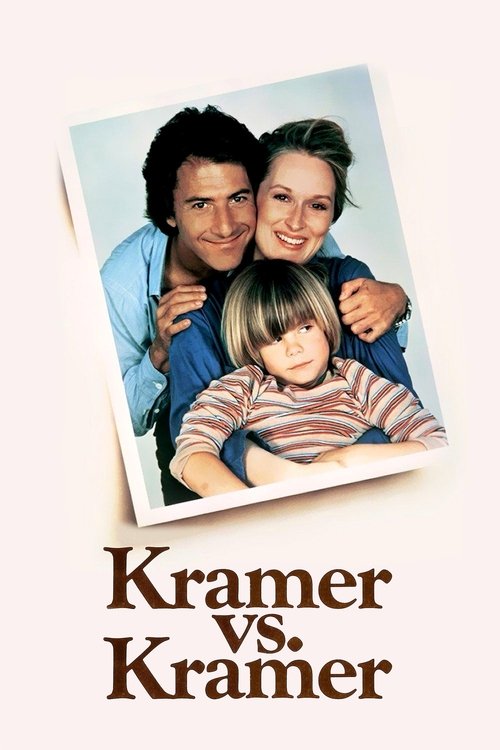
Kramer vs. Kramer1979
A divorce story told with equal weight to both partners' pain. It doesn't take sides; it shows how two good people can break each other without meaning to. Heartbreaking and humane.
But Released a decade later, it's become the definitive film on marriage collapse for many. If you want something less well-worn, this isn't it.
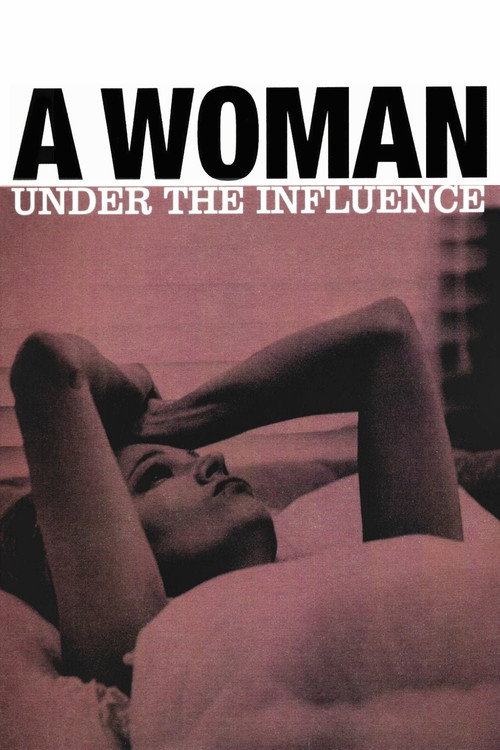
A Woman Under the Influence1974
Gena Rowlands destroys herself as a wife unraveling under domestic pressure. Cassavetes films her with unflinching closeness. It's raw, sometimes hard to watch, and completely alive.
But The handheld camera and improvisational style can feel claustrophobic. Some will find it exhausting rather than moving.
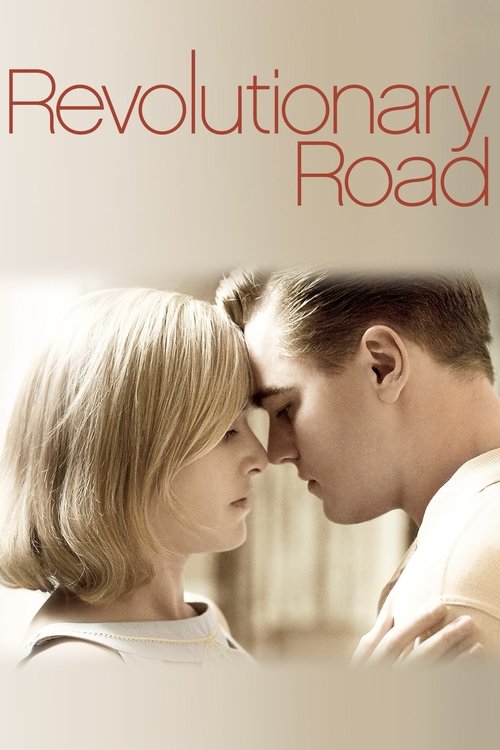
Revolutionary Road2008
DiCaprio and Winslet as a couple whose suburban dream curdles into resentment and rage. It's gorgeous and poisonous—every frame hums with disappointment.
But The period setting and literary pedigree can feel like homework. It's also relentlessly bleak without much lightness.
Not sure tonight? Get a pick in a minute, starting from The Happy Ending
The wildcard
Something you would not have found on your own.
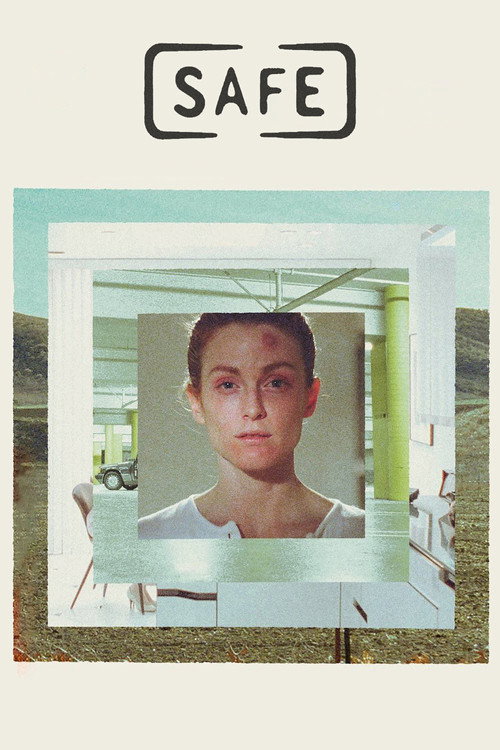
Safe1995
Both are about women whose internal lives are unrecognizable to their spouses, and both use the body (addiction, illness) as a language for emotional abandonment.
Julianne Moore as a woman whose body becomes inexplicably intolerant of the modern world. It reads as science fiction but functions as a metaphor for psychological dissolution—the marriage crumbles not from betrayal but from her husband's inability to recognize her suffering. Haynes makes the invisible visceral.
But The ending is bleak in ways that offer no catharsis or resolution. Some will see it as punitive rather than tragic.
More like this (8)
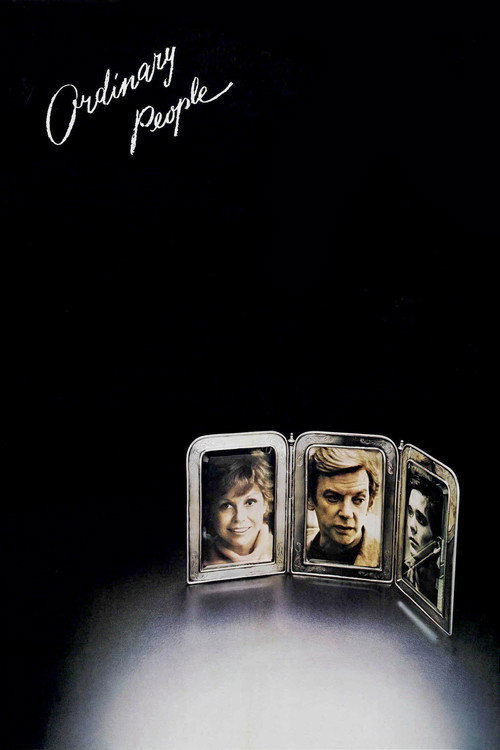
Ordinary People1980
A fractured family trying to hold itself together after tragedy. Mary Tyler Moore is extraordinary as a woman suffocating under her own facade. Quiet, devastating.
But It can feel a touch theatrical despite its restraint. The therapy sessions, while honest, occasionally tip toward being a little on-the-nose.
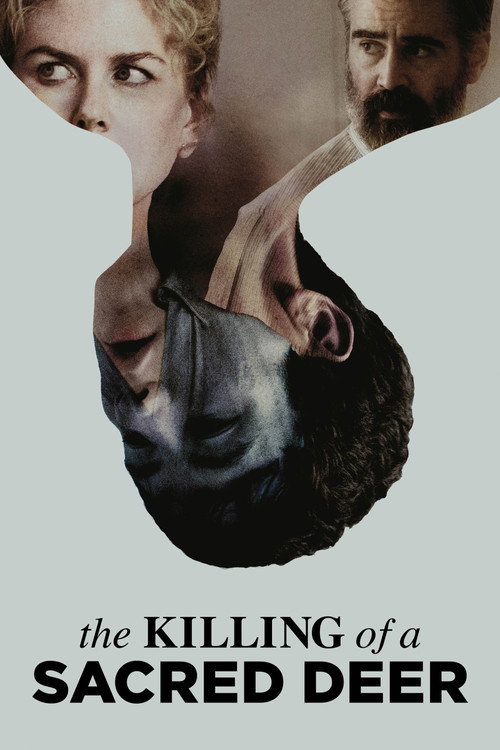
The Killing of a Sacred Deer2017
A marriage corrodes under an impossible moral weight. Lanthimos makes dread visible in every gesture, every word. It's a different kind of domestic horror.
But The stylization and deliberate pacing will alienate anyone wanting naturalism. Some will find it cold rather than moving.
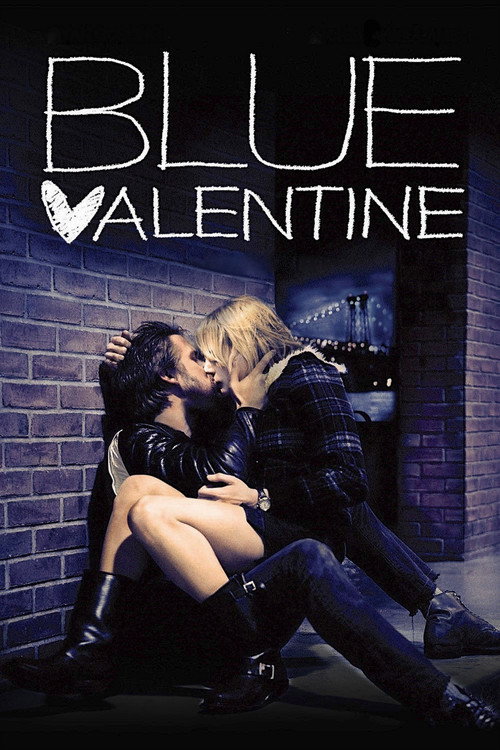
Blue Valentine2010
Ryan Gosling and Michelle Williams trace a relationship backward—from collapse to its beginning. You feel every wrong turn. Achingly tender and brutal at once.
But The handheld work and fractured timeline can be disorienting. It's also intimate in a way that some find uncomfortable.
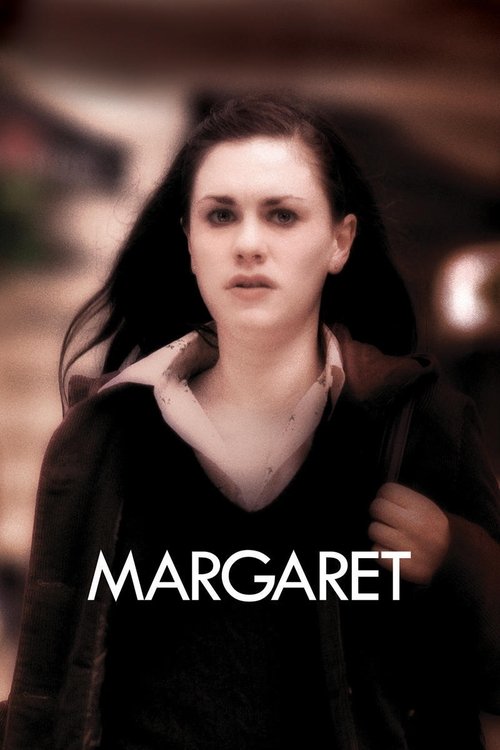
Margaret2011
Anna Paquin as a young woman grappling with witnessing trauma and its aftermath. Lonergan writes characters who speak like people think—fractured, circular, real. Her mother (J. Smith-Cameron) is phenomenal.
But At over three hours, it's demanding. The narrative is deliberately unfocused, which frustrated many viewers at release.
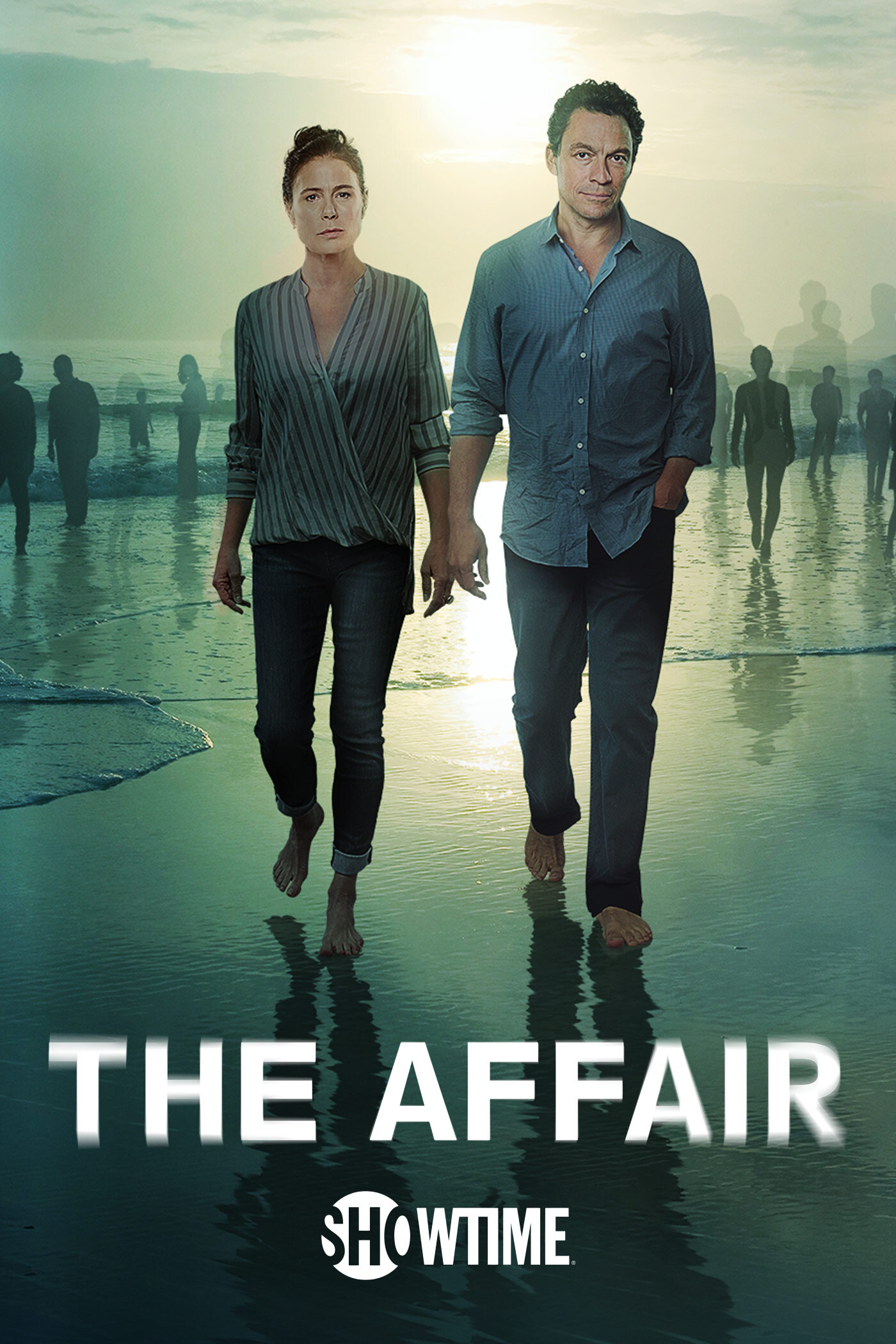
The Affair2014
Four seasons of a marriage imploding because of—and then defined by—a single indiscretion. Each episode retells the same events from a different person's perspective. Hypnotic.
But The repetition, while clever, can feel redundant by season three. And the show ultimately asks whether infidelity matters more than everything else.
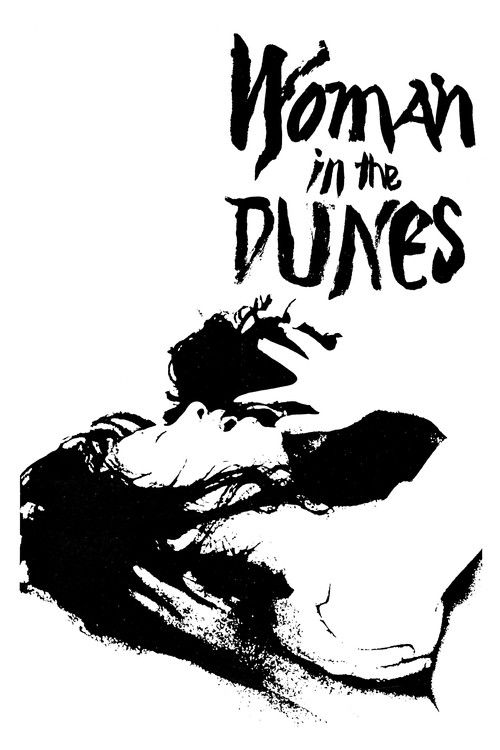
Woman in the Dunes1964
A surrealist nightmare about a woman trapped in the most ordinary of prisons: domestic expectation. Teshigahara's visual language turns housework into existential horror.
But It's abstract and slow-moving in a way that rewards patience but punishes impatience. Some will find the premise more interesting than the execution.
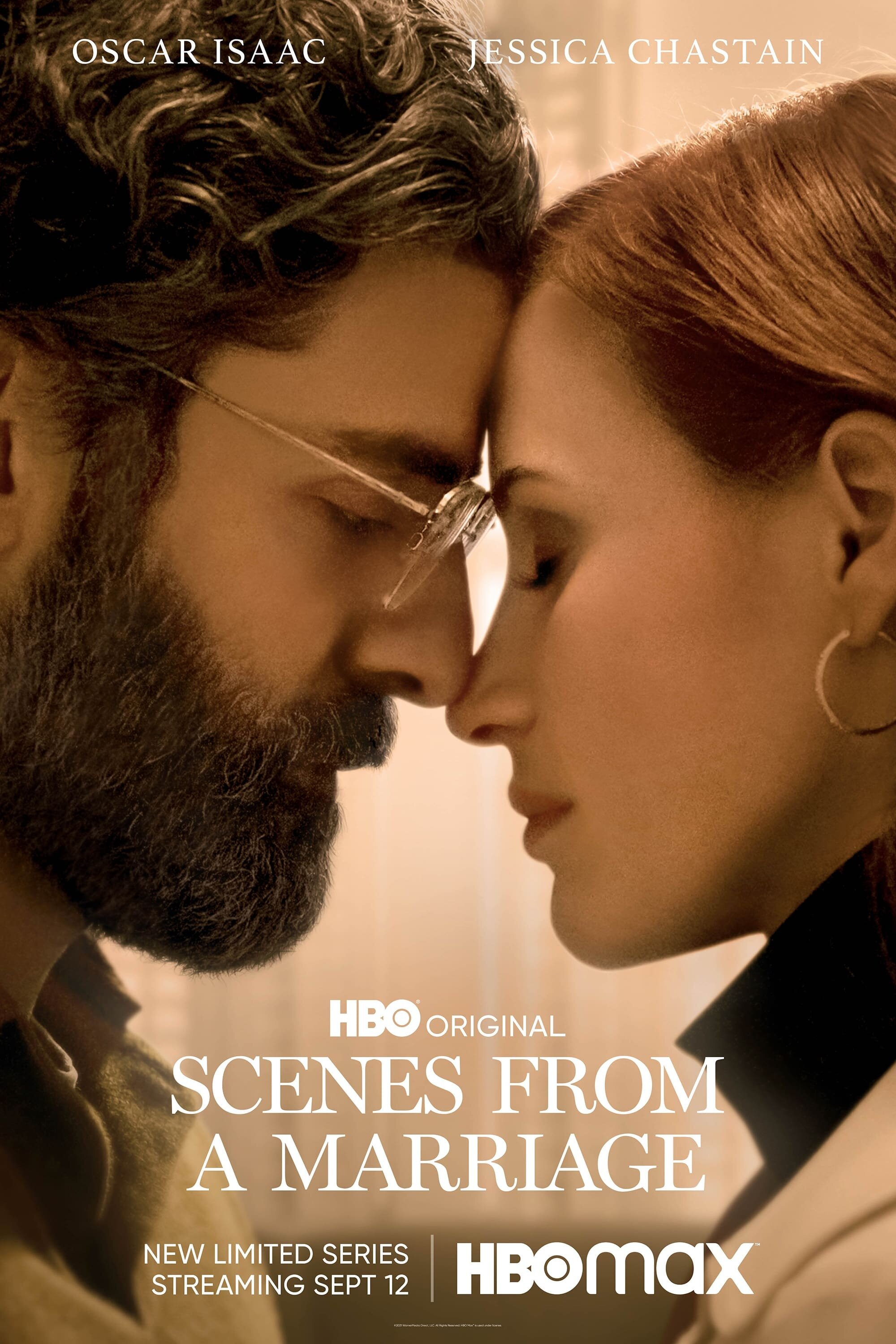
Scenes from a Marriage2021
Both films are structured as portraits of marriage in freefall, but where The Happy Ending moves through space and time, Bergman plants you in the room and doesn't let you leave.
Bergman's six-episode masterpiece dissects a relationship in real time. Liv Ullmann and Erland Josephson sit across from each other for ninety minutes per episode and let intimacy and cruelty do all the work. Television has never been more honest.
But It is almost unbearably slow and claustrophobic. Two people in rooms, talking. If that sounds like punishment, it might be.
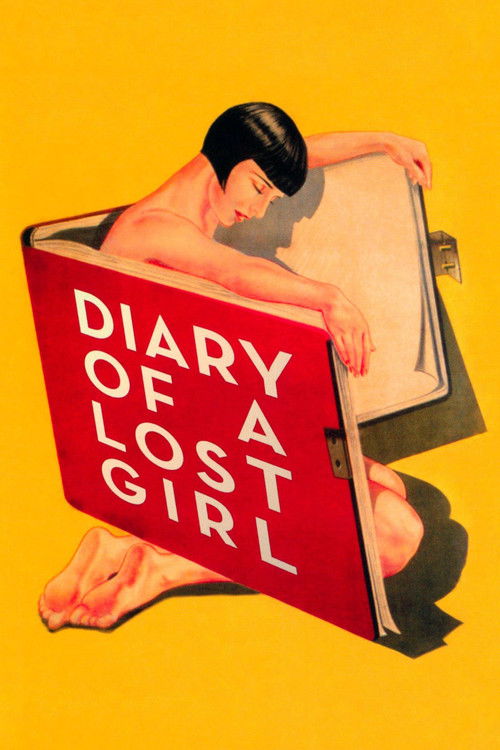
Diary of a Lost Girl1929
Both track a woman's slow realization that the world promised her something it never intended to give. The difference is Brooks had no agency from the start; Jean Simmons's character believed she did.
Louise Brooks as a girl destroyed by circumstance and male desire, her face betraying everything while she endures. Pabst's silent film is sixty years older than The Happy Ending but feels like its predecessor—a woman's disillusionment filmed with such precision that silence becomes more eloquent than words.
But It's silent film from 1929. The pacing will feel glacial to anyone accustomed to contemporary editing. And Brooks's story is far darker than marital disappointment.
People
Cast
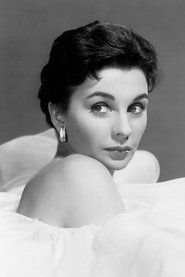 Jean SimmonsMary Wilson
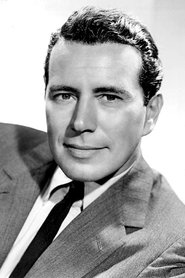 John ForsytheFred Wilson
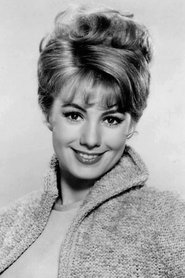 Shirley JonesFlo Harrigan
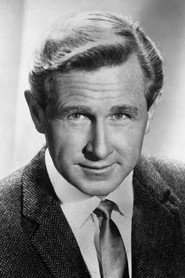
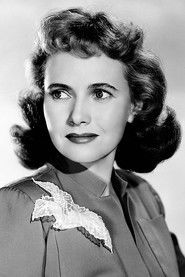 Teresa WrightMrs. Spencer
 Dick ShawnHarry Bricker
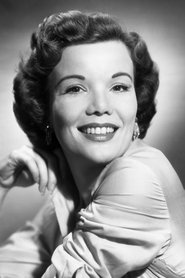 Nanette FabrayAgnes
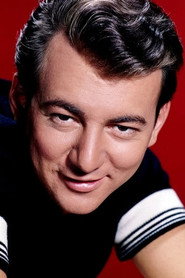 Bobby DarinFranco
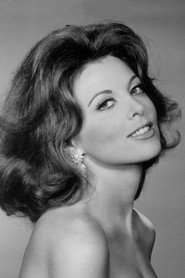 Tina LouiseHelen Bricker
- Kathy FieldsMarge Wilson
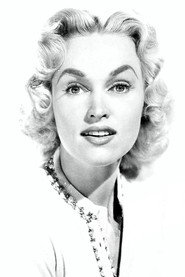 Karen SteeleDivorcee
- Gail HensleyBetty
Directing
- Tom ShawAssistant Director
- Richard BrooksDirector
- Marshall SchlomScript Supervisor
Writing
- Alan BergmanLyricist
- Marilyn BergmanLyricist
- Richard BrooksWriter
Production
- Richard BrooksProducer
- Gene LevyProduction Assistant