
Film
The Last Laugh
Other titles called The Last Laugh: the 2017 film.
A silent masterpiece about an aging hotel doorman's humiliating fall from grace. Emil Jannings delivers a powerhouse performance as pride crumbles into desperation. Technically revolutionary—moving camera, expressive sets—it transforms social shame into unbearable intimacy. Essential viewing for anyone who cares how cinema actually works.
Should you watch it?
Watch it if you love silent cinema that tells its whole story through camera movement and images, where a single unbroken tracking shot can carry more feeling than a page of dialogue.
Skip it if you need talk, plot turns and a brisk pace; this is a slow, mostly wordless chamber piece in which a lot of the action is one man's humiliation played out in pantomime.
What it asks of you: Roughly ninety minutes of patient looking, with almost no intertitles, so you have to read faces and gestures and let the mood build rather than waiting for the story to explain itself.
Not sure? Find tonight's pick in a minute.
If you liked this
Sunrise: A Song of Two Humans1927
F.W. Murnau's other silent triumph: a man tempted to destroy everything he loves. Like *The Last Laugh*, it uses the camera itself as a character, and Emil Jannings again carries impossible emotional weight with devastating restraint.
But Silent film moves slowly, and this one is meticulous about it. If you need constant plot momentum, the deliberate pacing will test you.

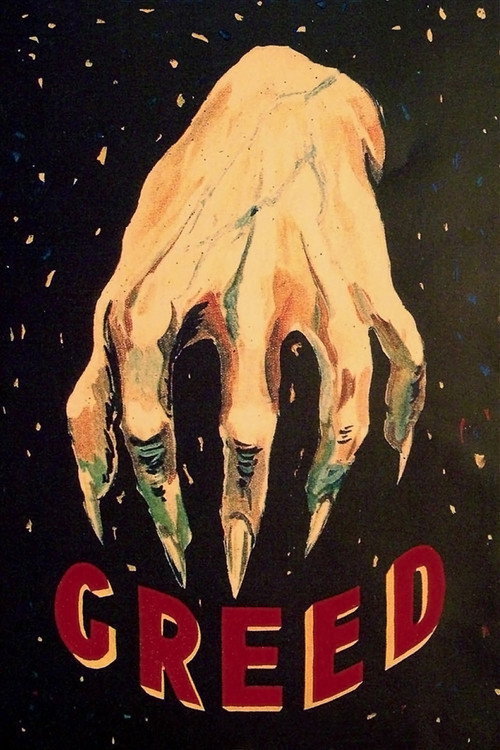
Greed1924
Erich von Stroheim's savage vision of ordinary people corrupted by desire. Same year as *The Last Laugh*, same moral seriousness about watching someone's world collapse from the inside. Raw and unflinching.
But Heavily cut from its original length and patchy in places. The surviving version is still powerful but feels fragmentary, which can be frustrating.
The Cabinet of Dr. Caligari1920
German Expressionism at its hypnotic peak. Distorted sets and shadows create psychological dread that modern horror still can't match. Pure cinema language before dialogue existed.
But The stylization can feel mannered if you're not in the mood for it. The acting is theatrical in ways that read as campy to modern eyes.

Not sure tonight? Get a pick in a minute, starting from The Last Laugh
The wildcard
Something you would not have found on your own.
Nosferatu1922
Both are German Expressionist masterworks using camera movement and set design to make the invisible visible—in one case dread, in the other shame. Both prove that the camera's subjective power matters more than plot.
Two years before *The Last Laugh*, F.W. Murnau created pure visual terror without a word of explanation. The camera moves, the shadows live, the frame itself becomes menacing. Proof that cinema didn't need sound to revolutionize how stories could be told.
But It's a vampire film played dead serious and shot in grain and flicker. Modern audiences often find horror from this era more tedious than frightening.

More like this (8)
In a Lonely Place1950
Humphrey Bogart as a man society assumes is guilty, and the way suspicion erodes him mirrors the doorman's fall. Mid-century noir with the same bitter understanding of how quickly reputation dies.
But It's a slow burn about emotional deterioration rather than plot. Some find the pacing glacial; others find it perfect.

Bicycle Thieves1948
Post-war Italian neorealism. A man desperately trying to maintain dignity while circumstances strip it away. Non-actors, real streets, unbearable authenticity. The spiritual successor to *The Last Laugh*.
But Deliberately unglamorous and bleak. If you want uplift or neat resolution, this film will not give it to you.

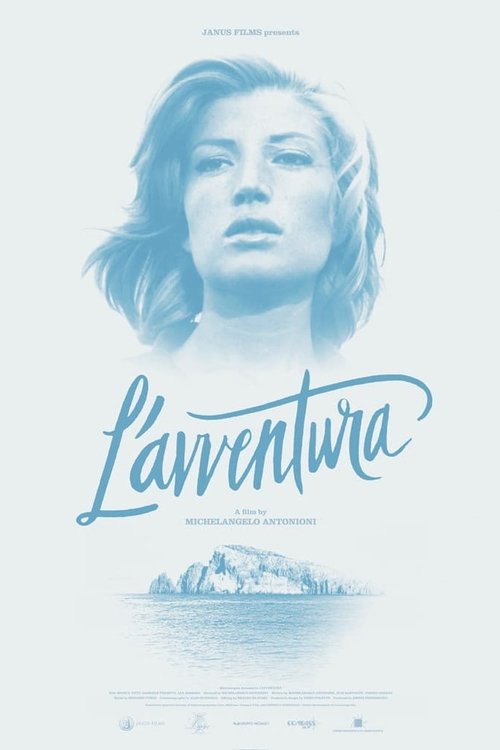
L'Avventura1960
Antonioni's masterwork about modern alienation. A man drifting through beautiful emptiness, becoming invisible while the world moves past him. The doorman's invisibility, but in colour and with deeper existential distance.
But Nearly three hours of slow observation. Some experience it as profound; others as self-indulgent emptiness.
Pather Panchali1955
Satyajit Ray's debut: a family's quiet collapse into poverty. The weight of circumstance pressing on ordinary people with dignity intact. Emotionally devastating and technically luminous.
But Deals with the slow death of hope in ways that are genuinely difficult to watch. No catharsis, just observation.

Tokyo Story1953
Ozu's gentle tragedy about age and irrelevance. An elderly couple visits their children and realizes the world no longer needs them. The same theme as *The Last Laugh*, but rendered in quiet conversation and empty rooms.
But Nothing happens. There is no plot. If you require dramatic incident, you will be baffled and bored.

Umberto D.1952
De Sica's portrait of an elderly pensioner facing eviction. Complete dignity in complete degradation. A counterpoint to the doorman's spiral—here, the man refuses to break even as everything breaks.
But Slow, undramatic, and deeply uncomfortable. Watching poverty and loneliness with this much honesty is not entertainment.

The Killers1946
Both films use camera technique as the primary emotional tool. Neither explains or sentimentalizes. Both trust the image to carry what dialogue cannot.
Siodmak's noir opening: two men enter a diner to kill someone, and we never see it. The camera stays outside, locked in unbearable tension. A radical formal choice that influenced decades of cinema. Burt Lancaster's debut smolders.
But It's fragmented and genre-bound, more interested in style than character. If you want emotional depth like *The Last Laugh*, this is all surfaces and shadows.

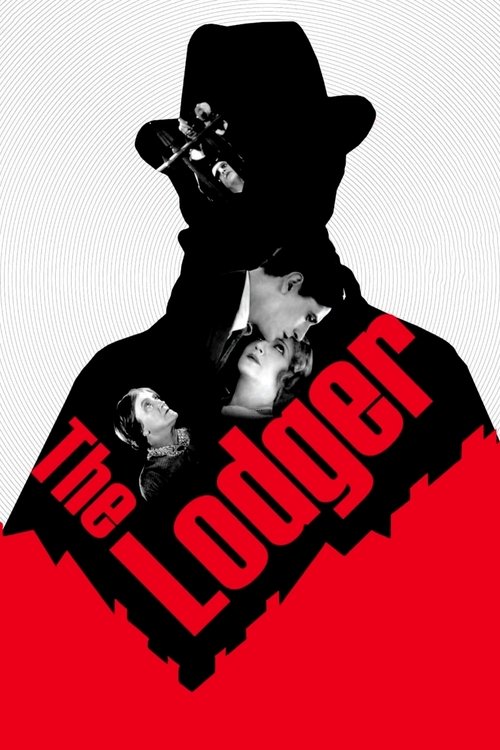
The Lodger: A Story of the London Fog1927
Both are 1920s silent films where Expressionist camera work and production design carry the story. Both use the frame itself to show us what characters feel. Both understand that what you don't see matters more than what you do.
Hitchcock's silent debut about a man renting a room while a serial killer hunts the city. Paranoia, social suspicion, the camera tilting and moving to create unease. A thriller that proves *The Last Laugh*'s techniques work for dread as well as pathos.
But Silent film with theatrical acting and a plot that nowadays feels creaky. The emotional power depends entirely on your patience with the form.
People
Cast
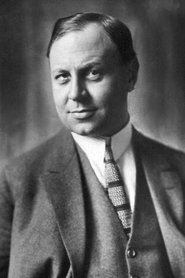 Emil JanningsHotel Doorman
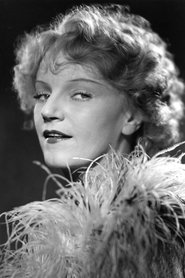 Maly DelschaftHis Niece
- Max HillerBridegroom
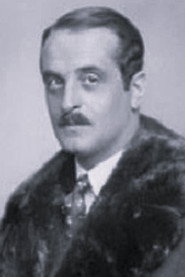 Hans UnterkircherHotel Manager
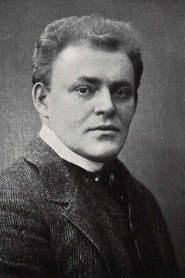 Hermann VallentinPotbellied Guest
 Emilie KurzBridegroom's Aunt
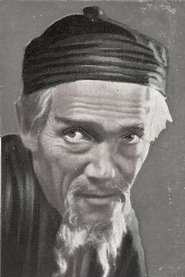 Georg JohnNight Watchman
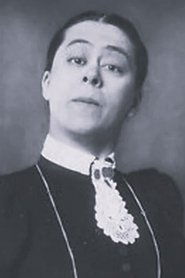 Emmy WydaThin Neighbor
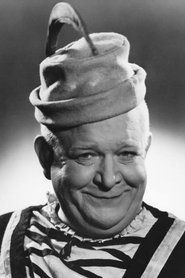 Harald Madsenuncredited
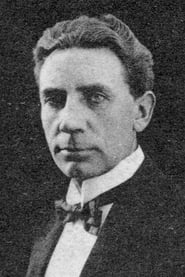 Carl SchenstrømWedding Musician
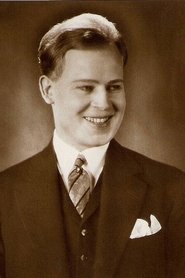 Olaf StormYoung Guest
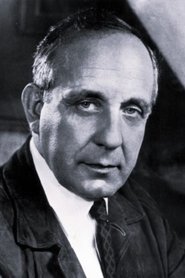 O.E. Hasseuncredited
Directing
- Edgar G. UlmerAssistant Director
- F. W. MurnauDirector
Writing
- Carl MayerScreenplay
Production
- Erich PommerProducer
Recommended by
The Mark of Zorro, The Executioner, Broken Blossoms or The Yellow Man and the Girl, The Miracle Man, Destiny, Woman in the Moon, The Birth of a Nation, Diary of a Lost Girl, Dr. Mabuse, the Gambler, A Chinese Ghost Story II, He Who Gets Slapped, The Seashell and the Clergyman, Liliom, Weekend, The Wedding March, Satantango, Variety, The Pleasure Garden, The Cat Creeps, Bergman Island, L'Atlantide, A Page of Madness, Thérèse Raquin, The Haunted House, The Mother, The Assassination of the Duke de Guise, La Bohème, Ashes of Vengeance, The Patriot, Joyless Street, The Ace of Cads, A Cottage on Dartmoor, Atlantis, Limite, Madame DuBarry, Old San Francisco, The Student Prince in Old Heidelberg, Asphalt, Cheap Kisses, Flower Girl, La Roue, L'assommoir, Gul-e-Bakavali, Sorrell and Son, The Smiling Madame Beudet, A Man's Mate, The Son of Tarzan, Suspense, An Unseen Enemy, The Love of Jeanne Ney, Spies, The Tower of Lies