
Film
The Son of Tarzan
A 1920 silent serial following Tarzan's son Jack through kidnapping, African jungle adventure, and romance. It's episodic and deliberately paced—thrilling for patient viewers who love physical stunt work and the earnest melodrama of early cinema. For those drawn to action's roots and willing to meet silent film on its own terms.
If you liked this
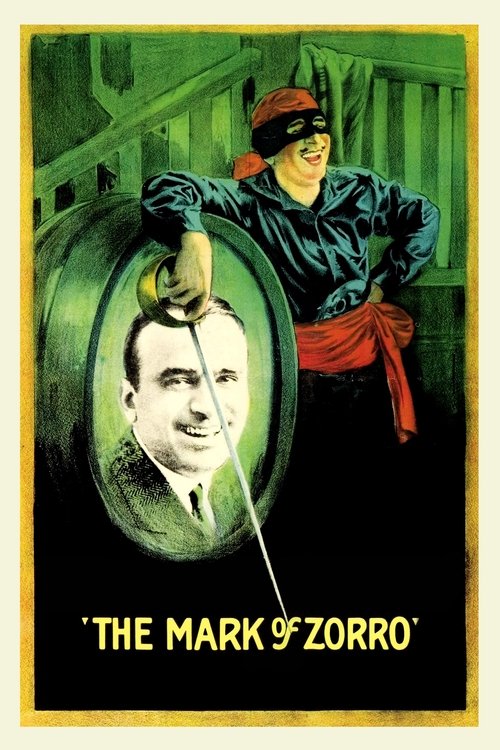
The Mark of Zorro1920
Released the same year, this Douglas Fairbanks swashbuckler perfected the template of acrobatic heroism and secret identity intrigue that defined the decade. Pure kinetic joy and expert fight choreography.
But Silent film requires adjustment; the pacing and intertitles will test modern viewers accustomed to rapid cutting and constant dialogue.
Nosferatu1922
German Expressionism at its peak, with visuals so striking and atmospheric they've never been equalled. It proves silent cinema could achieve genuine dread through image alone, not just action.
But The vampire is unsettling by design. Some find it slow; others find it hypnotic. There's no middle ground.

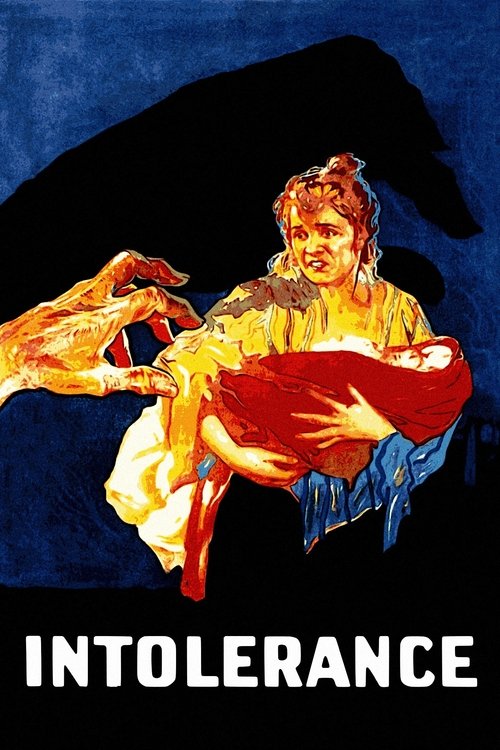
Intolerance: Love's Struggle Throughout the Ages1916
D.W. Griffith's mad, ambitious epic spans four historical periods in one film. The sheer ambition and scale—those Babylon sets—remind you why silent cinema felt like magic to its first audiences.
But At over three hours, it's narratively chaotic and philosophically muddled. Requires real commitment and tolerance for structural messiness.
Not sure tonight? Get a pick in a minute, starting from The Son of Tarzan
The wildcard
Something you would not have found on your own.
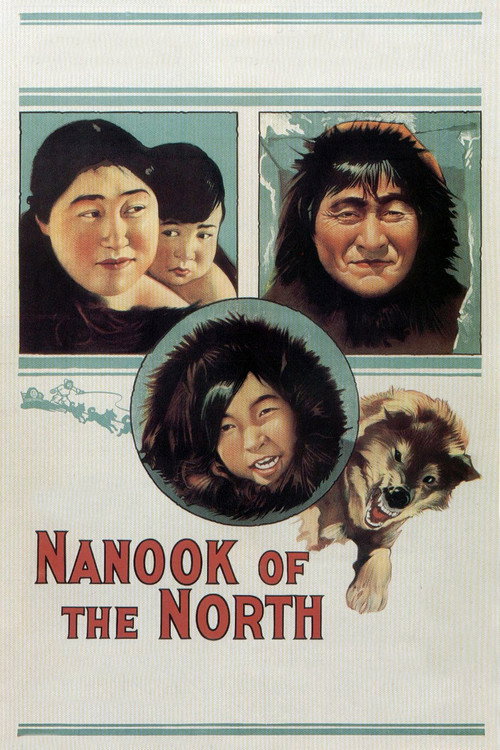
Nanook of the North1922
Both are episodic adventure films where landscape and physical survival drive the story more than plot. Both use stunt work and real locations instead of studio sets. Both were made by men attempting to capture a world most audiences would never see.
Robert Flaherty's documentary-or-is-it follows an Inuit hunter and his family. It's adventure cinema without a plot—raw, hypnotic, and proof that survival itself is the ultimate drama. Invented the feature documentary.
But It's partially staged and ethically complicated by modern standards. Also genuinely slow; there's no narrative arc, just life. You have to surrender to its rhythm entirely.
More like this (8)
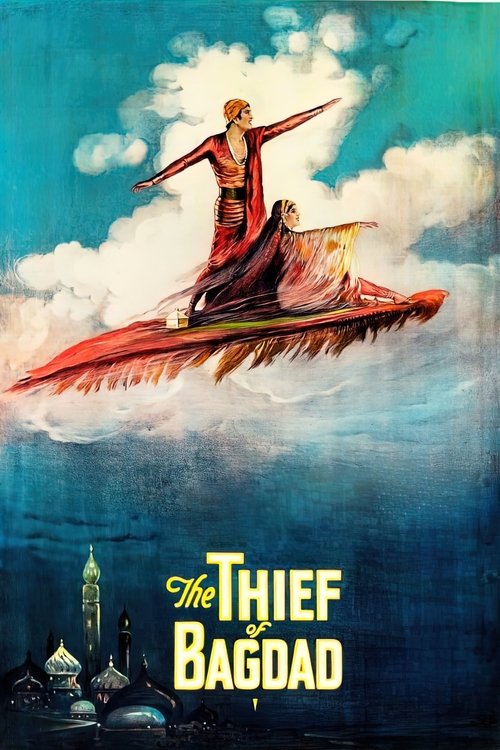
The Thief of Bagdad1924
Douglas Fairbanks in pure fantasy mode: impossible stunts, magical sets, and an energy that makes you believe someone could actually swing across rooftops. Adventure filmmaking at its most inventive.
But The racial politics are uncomfortably of their time. The plot is thin—it's really just an excuse for increasingly elaborate set pieces.
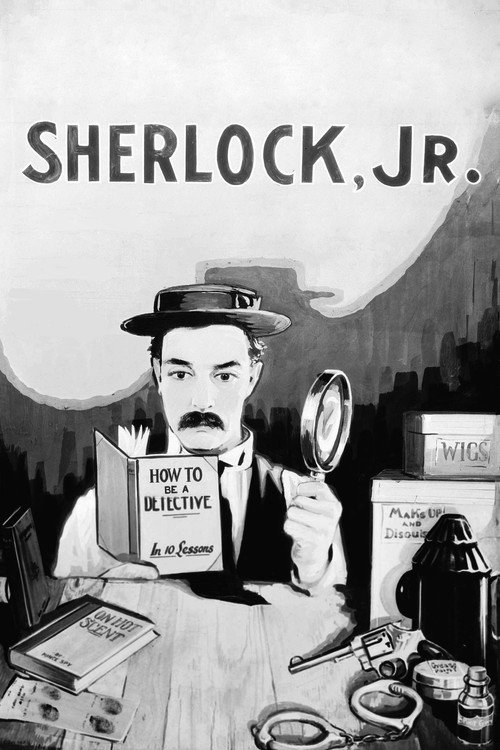
Sherlock Jr.1924
Keaton's masterpiece of physical comedy and impossible camera tricks. He becomes a film projectionist who enters the movie on screen. The gags are mathematically precise and genuinely hilarious.
But Comedy timing in silent film is alien to modern rhythms. If you don't find Keaton funny, nothing here will convert you.
The Phantom Carriage1921
Swedish master Victor Sjöström creates a haunting ghost story with revolutionary use of double exposure and light. Emotionally devastating in ways that prove silent cinema could break your heart.
But It's a period redemption drama, not action. Slow, meditative, and morally complex—nothing like the adventure you might expect.

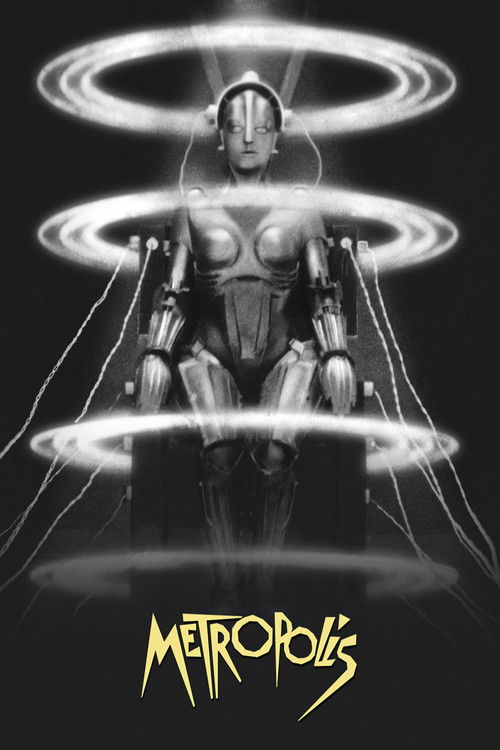
Metropolis1927
Fritz Lang's science fiction epic is the grandparent of everything that came after: dystopian cities, class rebellion, mad scientists. The vision is so complete it's still futuristic.
But Restoration work means different cuts exist. The 1927 version is incomplete. Some find the plot heavy-handed and the pacing glacial by modern standards.
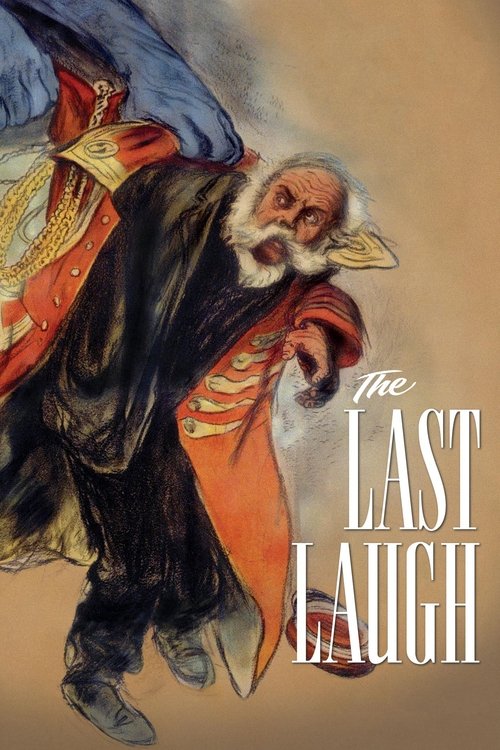
The Last Laugh1924
F.W. Murnau's camera is the star—it moves, it floats, it tells the story without intertitles for long stretches. A portrait of dignity lost that's devastatingly human.
But It's German Expressionist melodrama about a doorman losing status. If that sounds depressing, it is. No adventure here, just slow psychological decline.
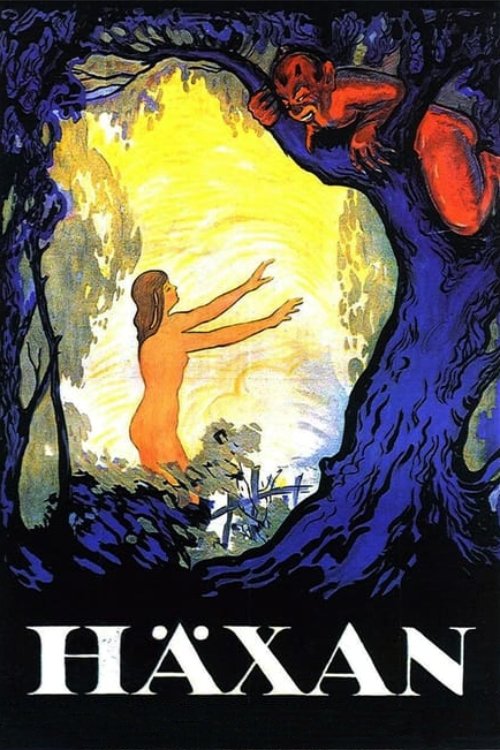
Häxan1922
A documentary-fantasia about witch hunts that somehow works as both genuine history and surreal horror. Bizarre, learned, and visually unforgettable in ways no film should be.
But It's a Swedish pseudodocumentary about torture and persecution. Genuinely disturbing imagery, and the historical framing doesn't soften the content. Not entertainment.
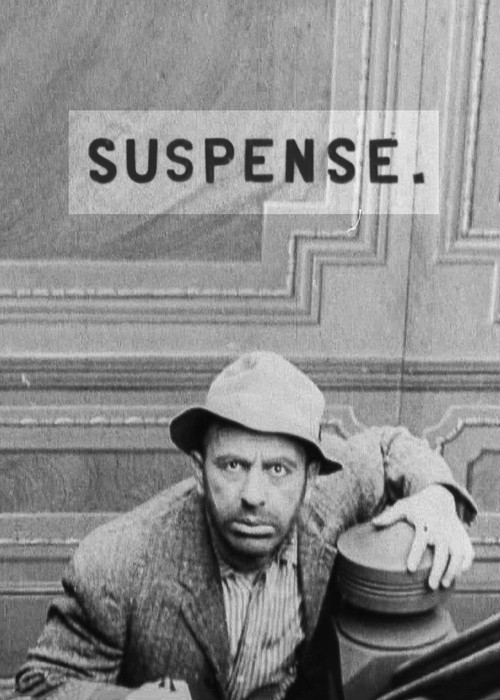
Suspense1913
Both are early adventure films that use editing and physical action as their primary storytelling tool. Both prove that you need almost nothing—just movement, stakes, and skillful cutting—to make an audience grip their seat.
This 4-minute Griffith film contains the entire syntax of suspense cinema before most people had seen a feature. A chase, parallel editing, mounting tension—it's the Ur-text of thriller language, and it's perfect.
But Four minutes long. It's a fragment, a sketch. If you need narrative meat, you'll find it undernourished. Also archival quality means the image is degraded.
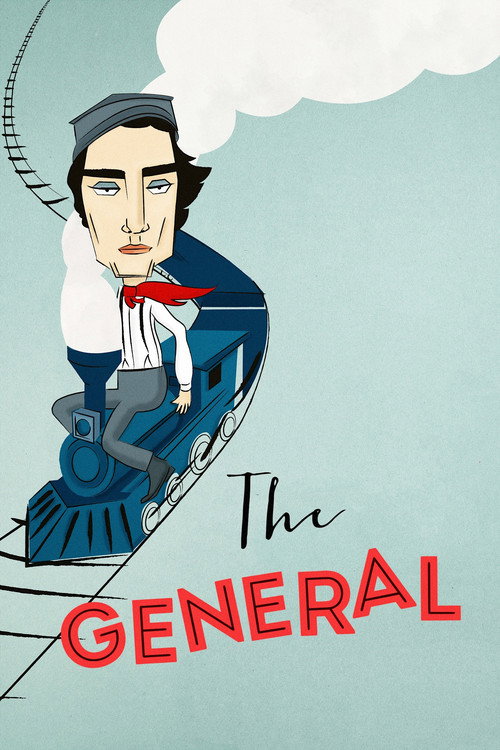
The General1926
Both center on a physically capable hero navigating a hostile landscape using ingenuity and movement. Both are long chase narratives (The General is 79 minutes) where plot serves action rather than the reverse. Both trust the image completely and never explain through words what the camera can show.
Buster Keaton's silent masterpiece: a man, a train, a Civil War, and impossible stunts performed for real by Keaton himself. It's a perfect film—every frame earned, every gag ballistic, every emotion genuine without a word.
But It's comedy-action, not pure adventure. The humor is subtle and physical; if you expect big laughs or dialogue, you'll be baffled. Some find Keaton's deadpan remote rather than endearing.
People
Cast
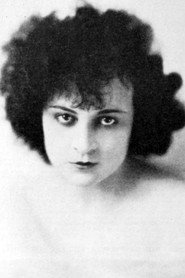
 Karla SchrammLady Greystoke / Jane
 Gordon GriffithJack
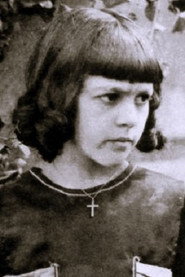 Mae GiraciMeriem
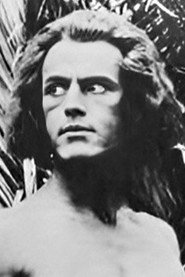 Kamuela C. SearleKorak, Son of Tarzan grown up
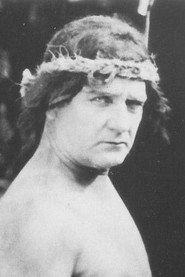 P. Dempsey TablerLord Greystoke / Tarzan
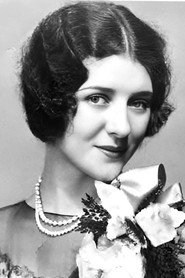 Nita MartanMeriem as a young woman
- Eugene BurrIvan Paulovich
- Frank MorrellSheik Amor Ben Khatour
Directing
- Arthur J. FlavenDirector
- Harry RevierDirector
Writing
- Edgar Rice BurroughsNovel