
Film
The Assassination of the Duke de Guise
A stark 18-minute recreation of a pivotal French royal assassination in 1608, filmed in 1908. This is cinema as historical document: dialogue cards, stately tableaux, no cuts within scenes. Watching it means meeting the form itself—how early film told stories before it learned to move. For students of cinema history and anyone curious about what dramatized narrative looked like before montage was invented.
Should you watch it?
Watch it if you are curious how early cinema staged court intrigue, and you enjoy seeing a story built from deliberate scenes and bold performance in under twenty minutes.
Skip it if you need dialogue-driven plots or modern pacing; this early-cinema piece leans on broad acting and leaves little room for nuance or subtext.
What it asks of you: An eighteen-minute sitting where the performances carry everything and the pace stays measured, with no scene lingering to explain itself.
Not sure? Find tonight's pick in a minute.
If you liked this
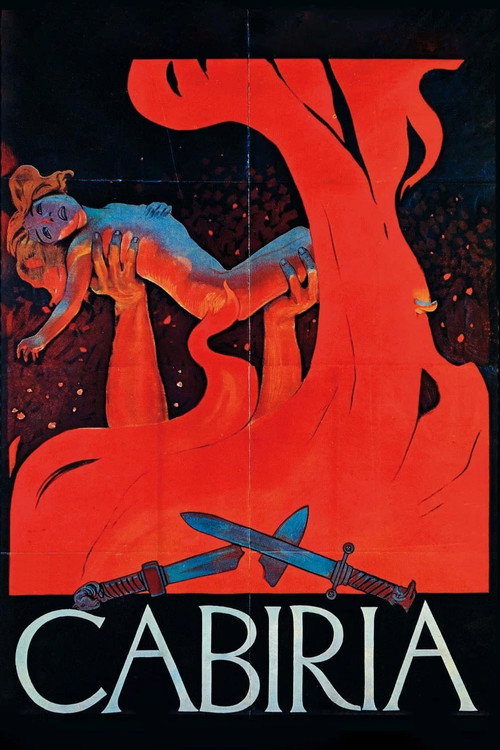
Cabiria1914
Italian spectacle cinema that makes *Assassination's* restraint look like minimalism. Lavish sets, hundreds of extras, and a narrative that actually *moves*—this is what European cinema discovered the year after the French court drama aired.
But The pacing is still glacial and the acting style feels alien. You'll spend stretches watching people walk across rooms while dramatic music plays. Patience required.
The Phantom Carriage1921
Swedish master Sjöström's ghost story proves that by the 1920s, cinema had learned fluidity and psychology. Compare its mobile camera and expressive editing to *Assassination*: you'll see the entire arc of early cinema's invention in one leap.
But The moral framework is preachy and the resolution sentimental by modern tastes. If you're comparing it to *Assassination* as a technical exercise, the story itself won't grab you.

Battleship Potemkin1925
By this point, Soviet montage cinema had achieved what *Assassination* couldn't imagine: rhythm, collision, emotional crescendo. Eisenstein's massacre on the Odessa Steps does in five minutes what the Guise film takes 18 to attempt, and with revolutionary technique underneath.
But It's a propaganda film with an ideological axe to grind. The aesthetic ambitions can feel cold, and the narrative is secondary to the editing theory Eisenstein was working out in real time.

Not sure tonight? Get a pick in a minute, starting from The Assassination of the Duke de Guise
The wildcard
Something you would not have found on your own.
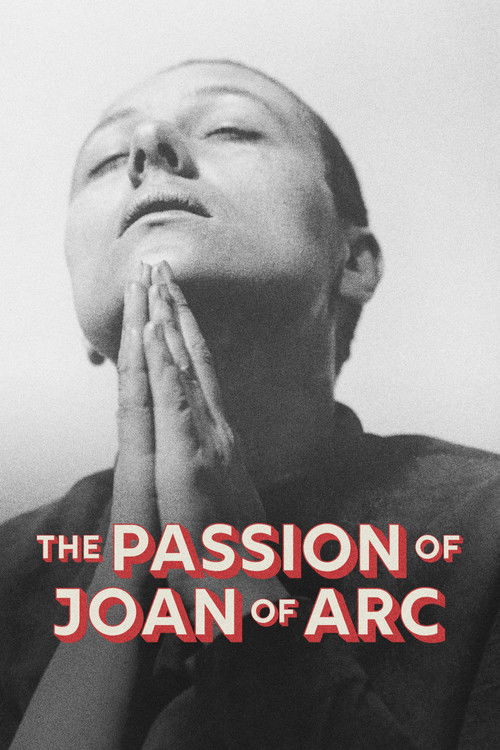
The Passion of Joan of Arc1928
Both are French historical dramas of state violence and royal death, but *Assassination* is civic ceremony and *Passion* is inner devastation. Dreyer inverts every choice the 1908 film made.
Carl Theodor Dreyer's final silent masterpiece—a trial-and-execution drama using only close-ups of Renée Jeanne's anguished face. Where *Assassination* was tableau and distance, this is intimacy and agony. Same historical-religious subject matter, inverted approach: not spectacle but soul.
But Seventeen minutes of essentially one woman's face undergoing torture and transcendence. If you need plot momentum or scene variety, this will feel like endurance rather than cinema. The physical and emotional intensity is draining.
More like this (5)
Nosferatu1922
German Expressionism shows what horror cinema became once directors stopped being bound by theatrical space. The lighting, shadows, and mobile compositions make *Assassination's* stagy compositions look like museum pieces—but that contrast teaches you something about each.
But The story is familiar and the pacing works against modern audience expectations. The opening is slow, and you'll spend the first half watching bureaucratic setup before the vampire arrives.

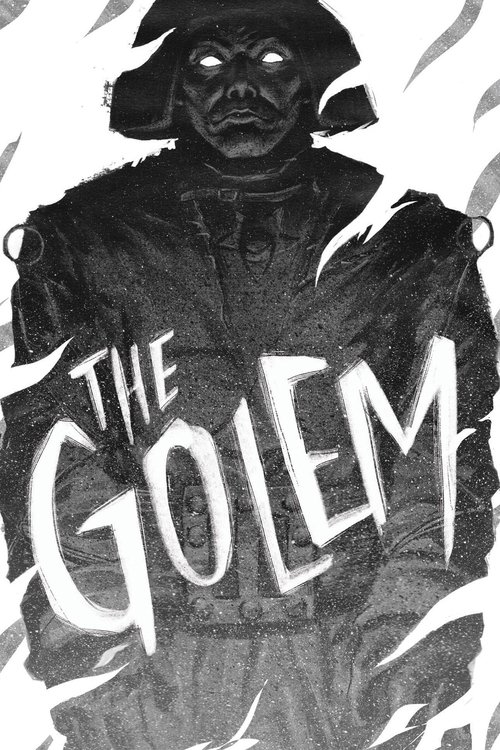
The Golem: How He Came into the World1920
Another German Expressionist masterpiece, this one about a rabbi animating a clay servant. It proves that by 1920, cinema could build entire fantasy worlds on set, using shadows and architecture to create atmosphere—a universe away from *Assassination's* palace rooms.
But The creature suit is unconvincing and the narrative becomes a straightforward mob story. The horror elements haven't aged well, and the ending is abrupt and didactic.
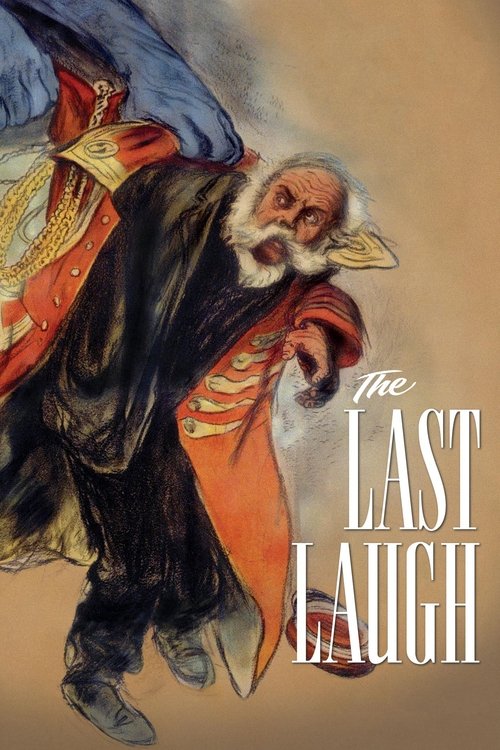
The Last Laugh1924
F.W. Murnau's chamber drama about a doorman's disgrace, filmed with a mobile camera and no intertitles. It's proof that psychological storytelling could happen in silent cinema without the stateliness of *Assassination*—small rooms, intimate stakes, pure emotion.
But The plot is straightforward to the point of simplicity. The ending is notorious for being tacked on and incongruous. If you're watching for narrative surprise, you'll be disappointed.
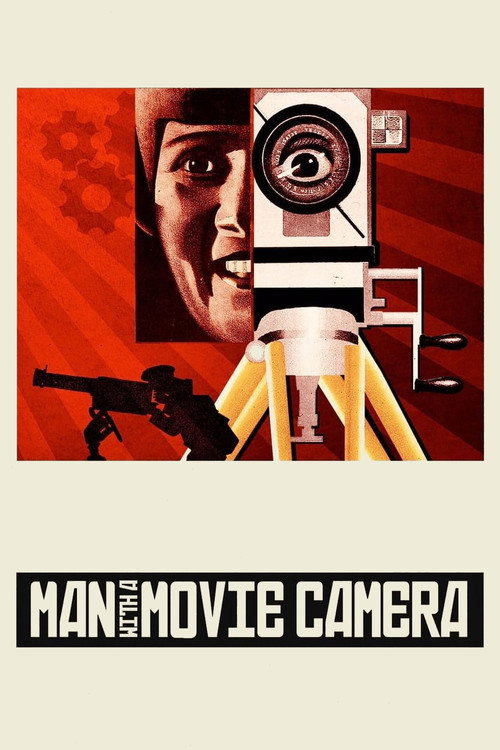
Man with a Movie Camera1929
Both are early cinema asking what the medium *is*. One applies cinema to historical record; the other applies it to the texture of present reality. Opposite directions, same moment of artistic self-consciousness.
Dziga Vertov's Soviet documentary essay about a day in urban life—no actors, no narrative, just montage of real footage and experimental editing. It asks: what is cinema *for*? *Assassination* uses the form to preserve history; this film uses it to interrogate how we see. Revolutionary technique in service of a radical question.
But There is no story. No characters. The editing can feel abstract and didactic. If you need narrative anchor or emotional investment, this is pure formal experiment—sometimes brilliant, sometimes impenetrable.
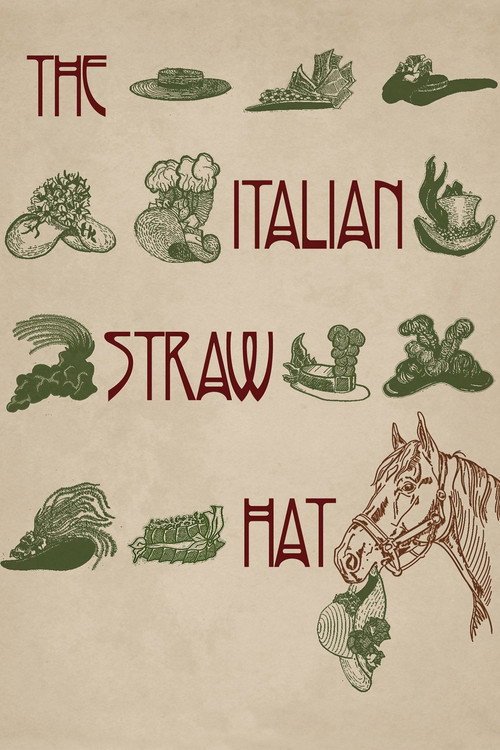
The Italian Straw Hat1928
Both French cinema of different eras, but this one proves that silent film didn't have to be heavy. The contrast shows the full range of what the form could be—from royal tragedy frozen in time to romantic comedy that *dances*.
René Clair's comic masterpiece: a groom must find a hat before his wedding, and 60 minutes of escalating chaos ensue. Light, swift, joyful—it shows that by the late 1920s, cinema had learned to *move*. Where *Assassination* is solemn and still, this is kinetic play. Same era, opposite spirit.
But The humor is stage-bound and relies on farce logic that can feel thin. The sentimentality of the ending undercuts the comic invention. If you're watching for character depth, you'll find only types and situations.
People
Cast
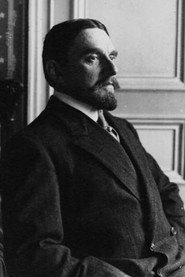
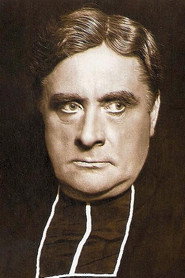 Charles le BargyHenri III
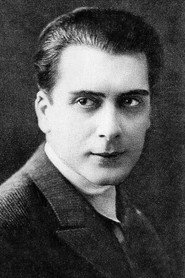
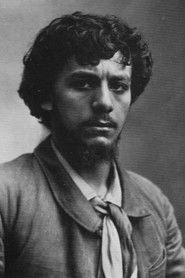 Albert LambertLe duc de Guise
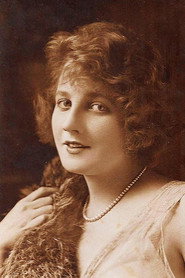
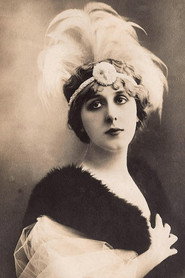 Gabrielle RobinneMarquise de Noirmoutier, maîtresse du duc
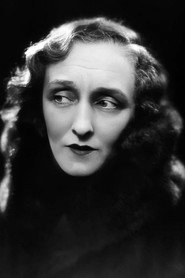 Berthe BovyLe page
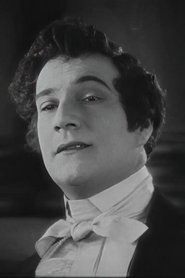
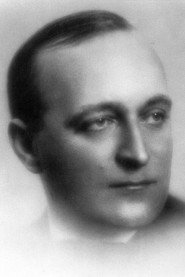
Directing
- André CalmettesDirector
- Charles le BargyDirector
Writing
- Henri LavedanWriter
Production
- Frères LafitteProducer