
Film
Old San Francisco
A 1927 silent melodrama set in San Francisco's underworld, where a scheming landowner targets a Spanish family's estate. It's a showcase for the visual storytelling of early cinema—dramatic lighting, expressive acting, kinetic editing—and for understanding how studios told stories before sound. For anyone curious about film history or silent-era intensity.
Should you watch it?
Watch it if you enjoy silent-era melodrama played at full volume, where grand gestures and sharp moral lines carry the story and San Francisco itself feels like a character.
Skip it if you need subtle performance and modern pacing; the acting runs broad, and the plotting leans on stock villainy and melodramatic convenience.
What it asks of you: Settle in for roughly an hour and a half, with intertitles to read and a pace that lets scenes breathe; attention is steady rather than demanding.
Not sure? Find tonight's pick in a minute.
If you liked this
The Phantom Carriage1921
Swedish master Arne Mattsson's ghost story uses shadow and light with devastating effect. It's formally inventive, emotionally raw, and proves silent cinema could be profound without relying on plot mechanics.
But The pacing is glacial by modern standards, and the plot hinges on spiritualist ideas that may feel dated or precious.

Sunrise: A Song of Two Humans1927
Released the same year, F.W. Murnau's masterpiece shows what peak silent cinema looked like—ravishing cinematography, genuine human drama, a story that transcends its era entirely. A pillow fight to Old San Francisco's punch.
But It's long, slow, and requires your full attention. There are no shortcuts into it.

Intolerance: Love's Struggle Throughout the Ages1916
D.W. Griffith's epic interweaves four stories across centuries using montage, scale, and visual metaphor in ways that feel experimental even now. It's cinema arguing with itself in real time.
But It's nearly three and a half hours, structurally complex, and Griffith's politics are deeply uncomfortable. Endurance is part of the bargain.

Not sure tonight? Get a pick in a minute, starting from Old San Francisco
The wildcard
Something you would not have found on your own.
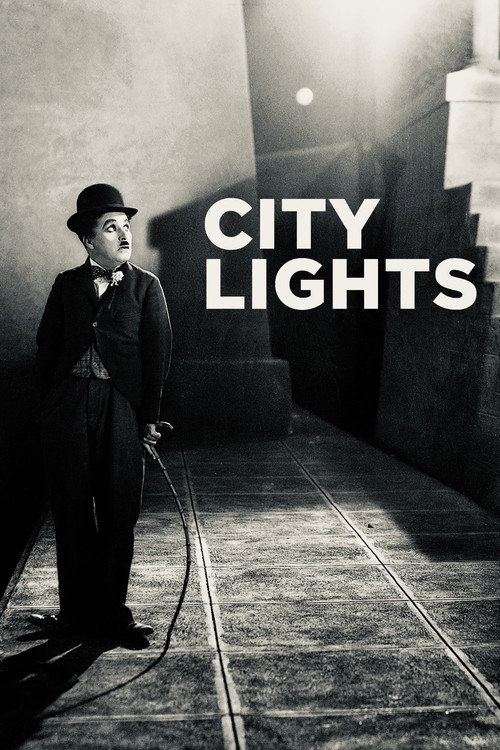
City Lights1931
Both are American films about class and power in cities, using visual storytelling to show what money and desperation do to ordinary people. Both believe the camera can make you feel without words.
Chaplin made this as sound film was arriving—and refused sound entirely, proving silent cinema still had oxygen. A penniless tramp and a blind flower-seller; politics, comedy, heartbreak. It's late enough to feel modern, early enough to feel strange.
But Chaplin's sentimentality can curdle fast if you resist it. The pacing favors prolonged gags over momentum, and some are dead on arrival.
More like this (8)
Nosferatu1922
German Expressionism distilled into 90 minutes of atmosphere and dread. The vampire counts because the shadows make him real. Pure mood, pure cinema language.
But Slow-burn horror doesn't work for everyone, and the image quality of available prints can be rough.

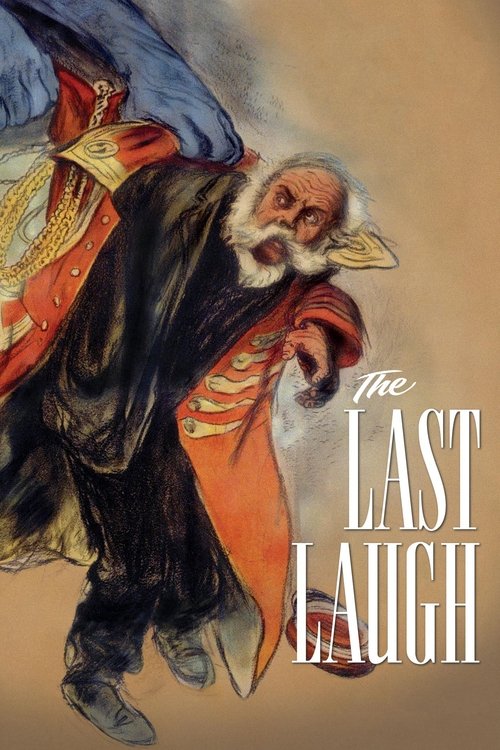
The Last Laugh1924
Emil Jannings is extraordinary as a hotel doorman's dignity crumbles. Murnau's camera moves in ways that remake what cinema can do. No intertitles, just visual storytelling at its most confident.
But The ending is famously sentimental and undercuts everything that came before. Some find it transcendent; others find it naive.
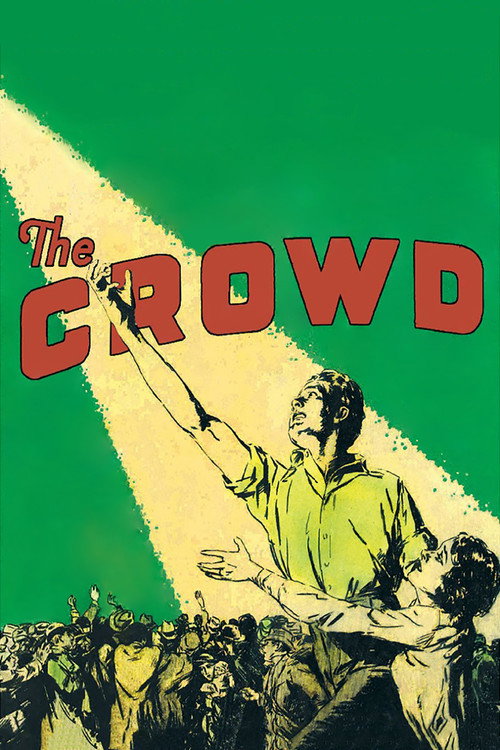
The Crowd1928
King Vidor's portrait of ordinary life—marriage, work, disappointment, joy—is tender and unsparing. It feels modern because it refuses to mythologize its characters.
But There's no plot in the conventional sense, and the emotional realism can feel bleak if you're not in the mood.
The Lodger: A Story of the London Fog1927
Hitchcock's first solo feature is a thriller where camera placement and editing do the work. It's taut, visually ingenious, and proof that suspense needs no sound.
But The mystery is simple, and once you're a few scenes in, there's little doubt about where it heads.

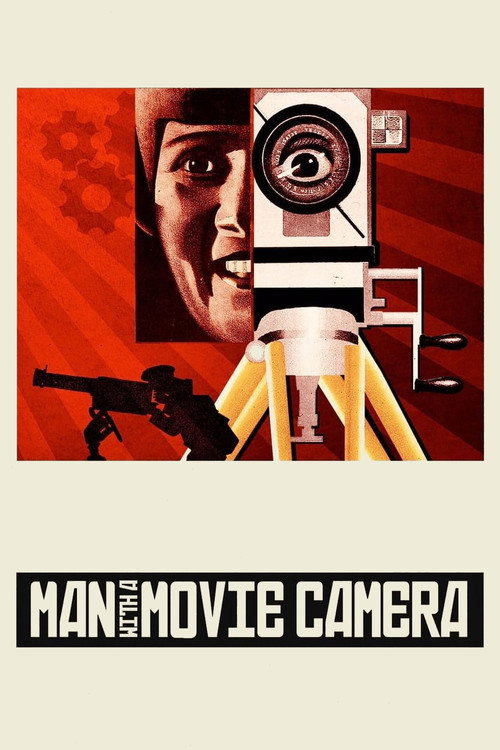
Man with a Movie Camera1929
Dziga Vertov's Soviet documentary is pure cinema syntax—footage of everyday Moscow arranged into a symphony of sight and rhythm. It's an argument for what film language can express without plot.
But It's experimental and abstract. If you need narrative or character, this will feel like watching someone organize their footage rather than tell a story.
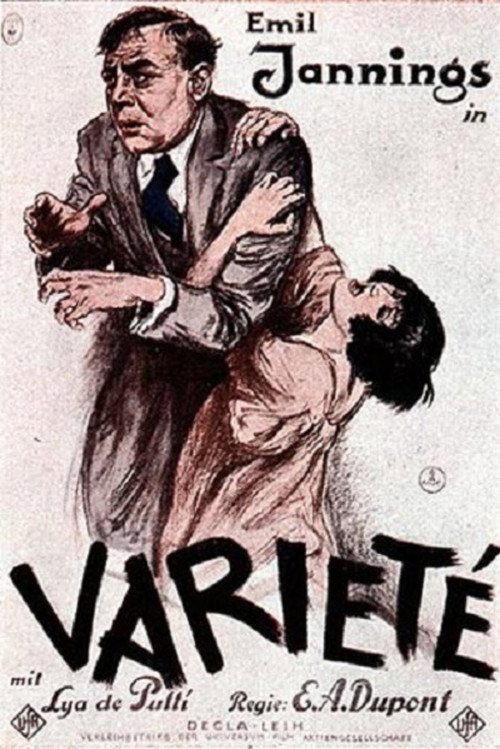
Variety1925
Ewald André Dupont's circus drama is technically audacious—the camera swings through space, perspective warps, editing creates vertigo. A technical showcase that's also genuinely gripping.
But The gender politics are bad in ways that feel more pointed than distant. And the plot relies on a love triangle that resolves in predictable, dated ways.
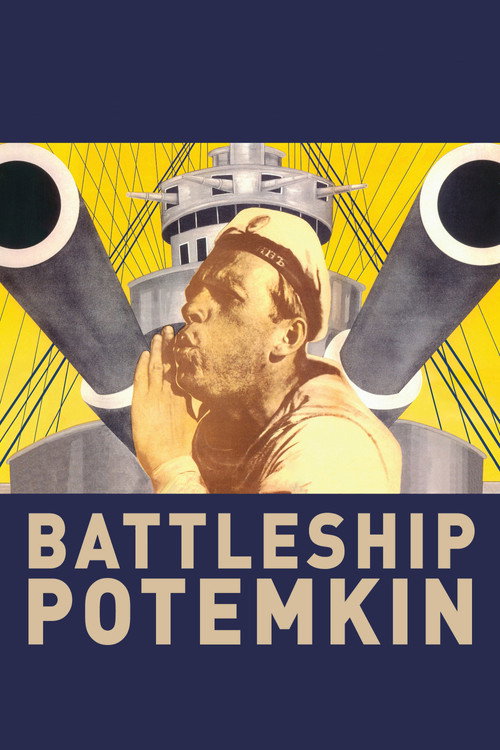
Battleship Potemkin1925
Both use melodramatic plotting—heroes, villains, stakes—as the frame for something larger: a vision of how power operates and who gets crushed beneath it. Both are cinema as argument.
Sergei Eisenstein's revolutionary montage technique—cutting images together to generate new meanings—invented a language cinema is still speaking. It's formally bold and genuinely moving about collective action and sacrifice.
But It's propaganda, unmistakably. And the editing style, while influential, can feel mechanical or abstract if you're watching for human connection.
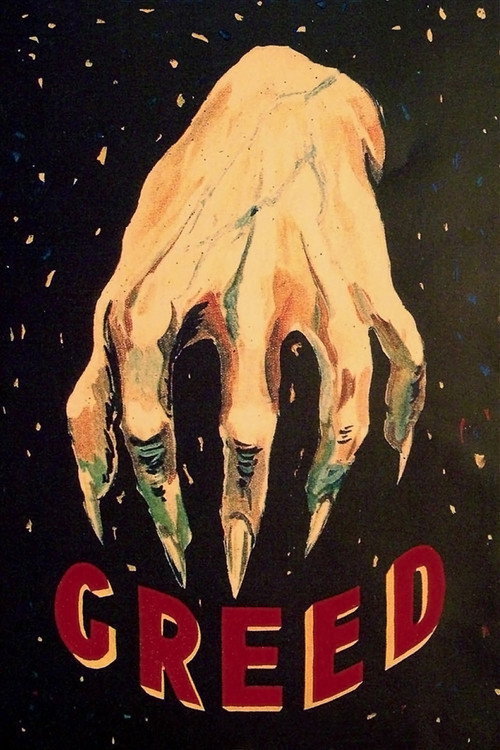
Greed1924
Both are about acquisitiveness and betrayal, about how want corrodes character. Both trust that melodrama, played straight and richly, can excavate real human damage beneath the surface of plot.
Erich von Stroheim's four-hour epic about a couple destroyed by money and greed is visually dense and morally complex. It's a melodrama about material obsession that somehow feels modern, even now.
But The studio cut it from ten hours to two and a half; surviving versions are reconstructed from fragments and stills. What you watch is a ghost of what was made. And it's slow and grinding—misery as method.
People
Cast
 Dolores CostelloDolores Vasquez
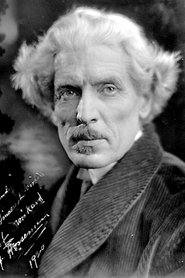 Josef SwickardDon Hernandez de Vasquez
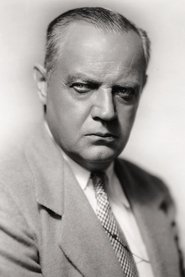 Anders RandolfMichael Brandon
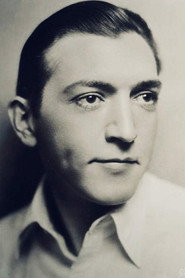 Charles Emmett MackTerrence O'Shaughnessy
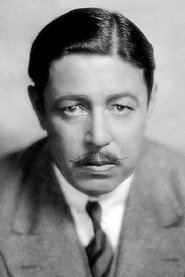 Warner OlandChris Buckwell
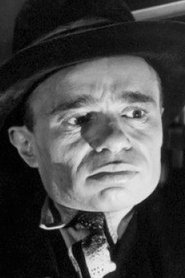 Angelo RossittoChang Loo - the Dwarf
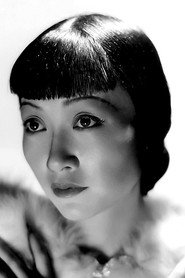 Anna May WongA Flower of the Orient
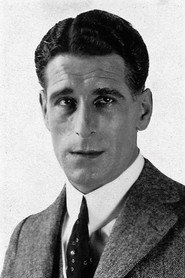 Lawson ButtCaptain Enrique de Solano Y Vasquez - in Prologue
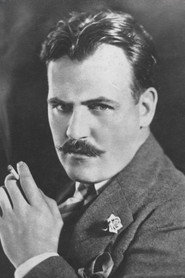 Walter McGrailVasquez's Grandson - in Prologue
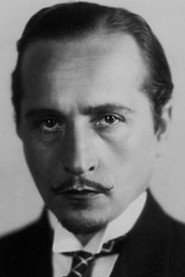 Otto MatiesonVasquez's Grandson - in Prologue
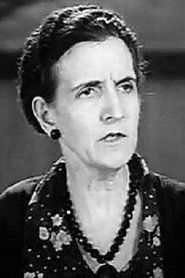 Martha MattoxMother - in Prologue
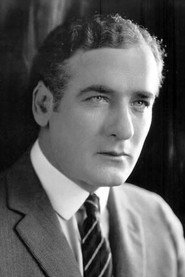 Tom SantschiCaptain Stoner - in Prologue
Directing
- Gordon HollingsheadAssistant Director
- Alan CroslandDirector
Writing
- Anthony ColdewayScreenplay
- Darryl F. ZanuckWriter
Production
- Darryl F. ZanuckProducer