
Film
He Who Gets Slapped
A brilliant scientist becomes a circus clown after the humiliating betrayal of his discovery and marriage. Lon Chaney turns degradation into performance art in this 1924 silent masterpiece—a dizzy mix of melodrama and sideshow grotesque that asks whether shame can be transformed into freedom. Hypnotic and strange.
Should you watch it?
Watch it if you love silent melodrama where a clown's painted grin hides real heartbreak, and you enjoy Lon Chaney's wordless, body-led acting doing the heavy lifting.
Skip it if you need fast pacing and modern dialogue, since this silent melodrama moves at a deliberate pace and leans on broad gestures and intertitles.
What it asks of you: At seventy-two minutes it is brief, yet it wants full attention: silent storytelling means reading title cards and studying faces, and the mood swings from tender to bitter.
Not sure? Find tonight's pick in a minute.
If you liked this
Nosferatu1922
German Expressionism at its most visually intoxicating. Count Orlok is cinema's first true monster, and the film's architecture of shadow and dread established the visual language of horror itself.
But It's slow by modern standards, and the pacing asks patience. Also genuinely unsettling in ways that feel uncomfortable rather than thrilling.

The Phantom Carriage1921
Ushered in supernatural cinema with staggering technical innovation. Bergman's film uses ghostly visuals not for spectacle but to excavate grief and redemption—profoundly moving.
But Swedish melodrama from a century ago means heavy themes and a moralistic streak that can feel didactic to modern viewers.

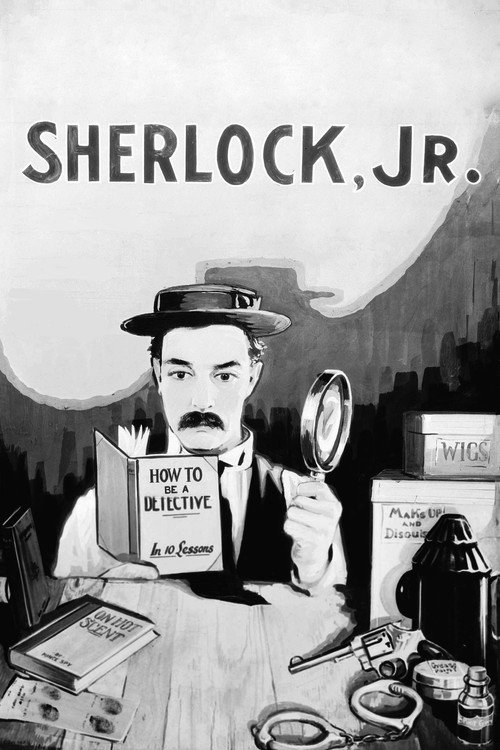
Sherlock Jr.1924
Buster Keaton at peak invention: a projectionist dreaming himself into a film-within-a-film. The gags are engineering marvels, funny and clever in ways that still astonish.
But Silent comedy can feel quaint if you're not attuned to Keaton's precise physical language. Some stretches play slower than others.
Not sure tonight? Get a pick in a minute, starting from He Who Gets Slapped
The wildcard
Something you would not have found on your own.
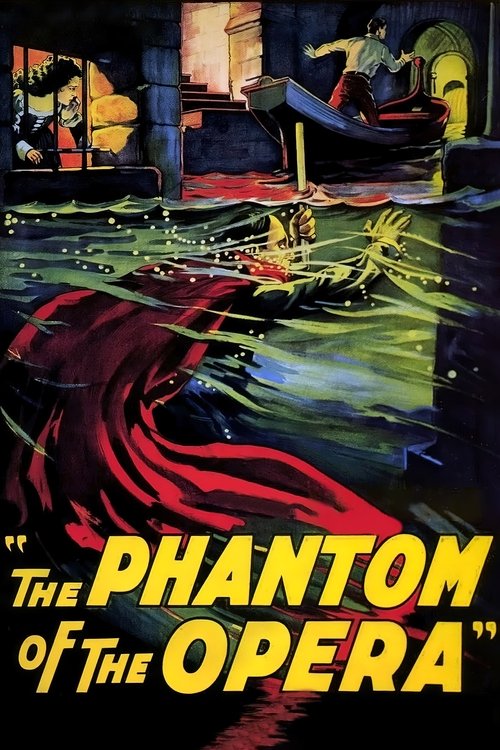
The Phantom of the Opera1925
Chaney playing men whose hideousness is their entire world—one hides in cellars, one hides behind humiliation. Both films use his face as a map of suffering.
Lon Chaney in his other iconic role—tortured, theatrical, operatic. The famous unmasking is genuine shock cinema. It's Gothic melodrama at fever pitch, with a masquerade ball that's visually rapturous.
But The plot is overwrought even by silent standards. The 'romance' with the soprano feels uncomfortable now, and the film sometimes tips into unintentional camp.
More like this (8)
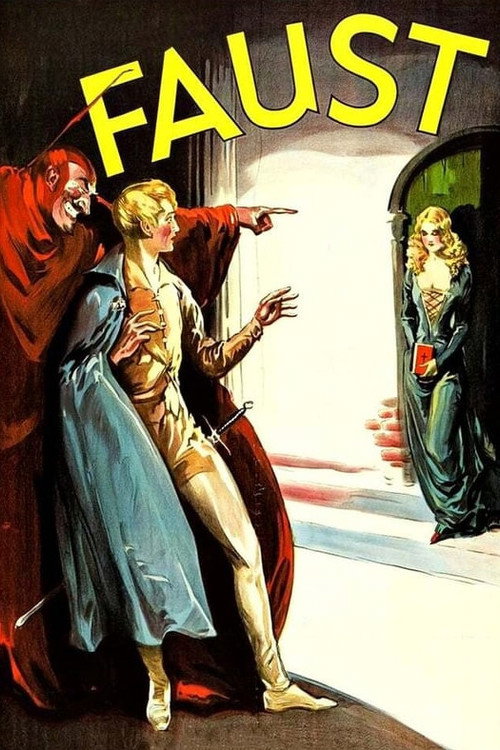
Faust1926
Murnau (Nosferatu's director) made his masterpiece here. The visual composition is cathedral-like; Mephistopheles is a character of genuine menace. Pure cinema—no dialogue needed.
But At over two hours, it's demanding. The pacing is deliberate, almost glacial, which works thematically but won't suit everyone.
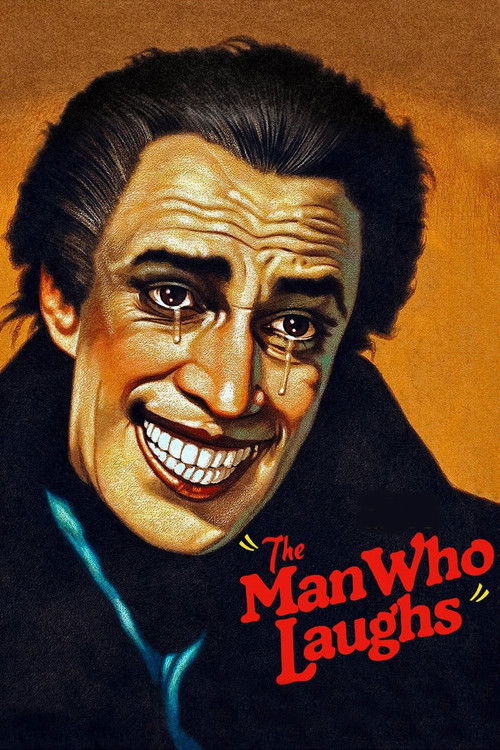
The Man Who Laughs1928
Lon Chaney in perhaps his most grotesque and heartbreaking role, with makeup that anticipates the Joker. A tale of disfigurement and love that's genuinely tragic.
But The grotesquerie can feel overwrought, and the plot meanders. It's more about Chaney's performance than narrative momentum.
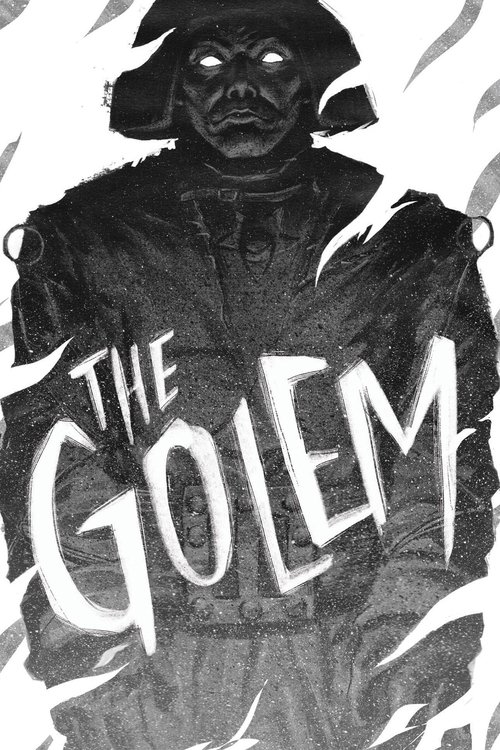
The Golem: How He Came into the World1920
Prague's Jewish legend brought to screen with Germanic Expressionist intensity. A clay monster brought to life is both creature-feature and parable—visually extraordinary.
But The pacing is deliberate and sometimes static. Also a film steeped in Central European politics of the 1920s that can feel obscure.
Pandora's Box1929
Louise Brooks as Lulu—cinema's most compelling femme fatale, morally ambiguous and magnetic. Pabst's direction is fluid and modern-feeling; the film remains genuinely transgressive.
But The misogyny is historical but real. Also a downward-spiral narrative that some find relentless rather than cathartic.

Battleship Potemkin1925
Eisenstein's revolutionary montage technique changed cinema forever. The Odessa Steps sequence is still the most copied moment in film history—technically audacious and emotionally devastating.
But Soviet propaganda film with Marxist ideology baked in. The rhetoric can feel heavy-handed, and pacing is experimental rather than propulsive.

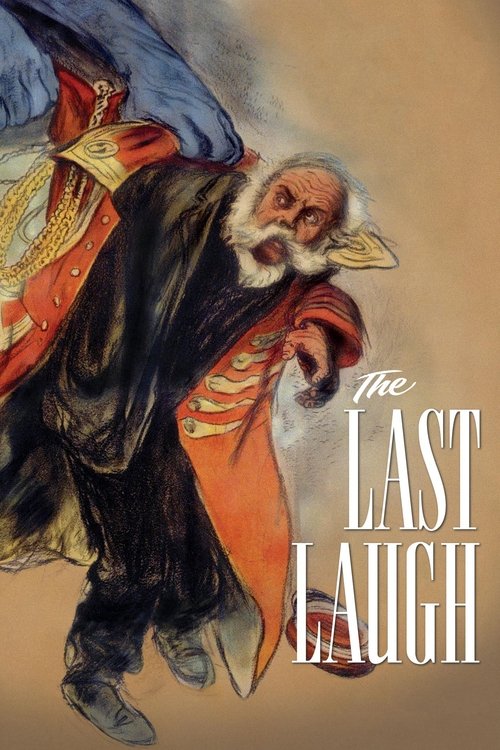
The Last Laugh1924
Emil Jannings as a hotel doorman whose uniform is his dignity—a small tragedy with huge emotional stakes. The camera movement is inventive; the degradation feels real.
But It's essentially a study of shame and social collapse, which means it's depressing. The resolution feels tacked-on and false.
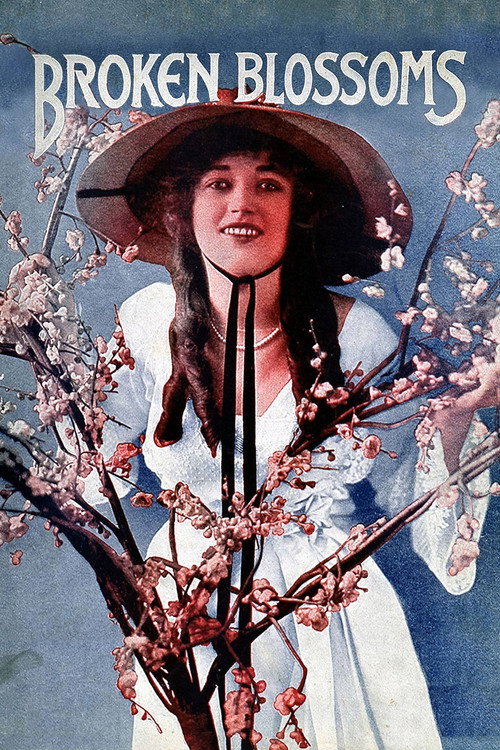
Broken Blossoms or The Yellow Man and the Girl1919
Both explore how the powerless find refuge—one in performing shame, one in a secret room. Both suggest that kindness is radical and doomed.
Griffith's quietly heartbreaking chamber piece: a Chinese immigrant and an abused English girl find tenderness in each other. Intimate, achingly sad, shot with such delicacy it feels like watercolor. Lillian Gish is luminous.
But The racial politics are troubling—yellowface and orientalist fantasy are woven in. Also devastatingly sad, with no uplift: this is about love destroyed by cruelty.
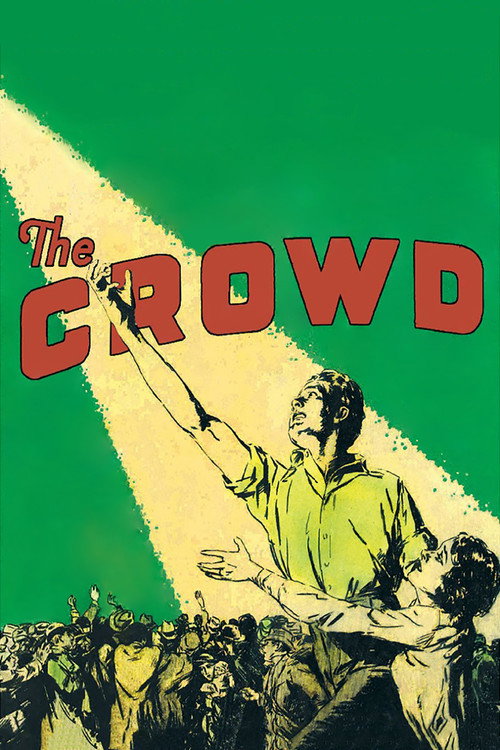
The Crowd1928
Both films argue that identity and self-worth can shatter under pressure, and that performance—whether as a clown or as a 'normal' man—is all we have to survive.
Vidor's silent masterpiece about an ordinary man crushed by ordinariness. No melodrama, no stars playing dress-up—just the slow erosion of hope. Painfully real and formally perfect.
But It's anti-spectacle, which means it requires you to care about mundane unhappiness rather than circus performers. Some find it grim to the point of hostility.
People
Cast
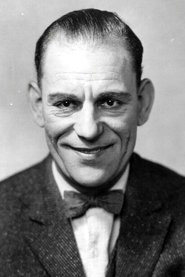 Lon ChaneyPaul Beaumont
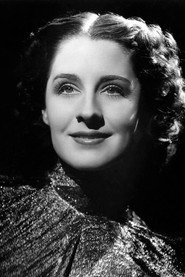 Norma ShearerConsuelo
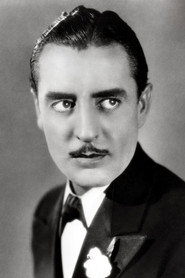 John GilbertBezano
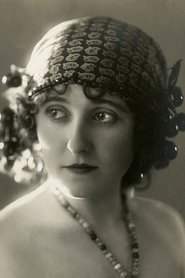 Ruth KingMarie Beaumont
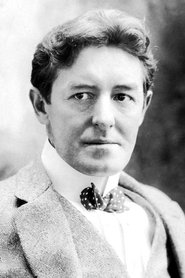 Marc McDermottBaron Regnard
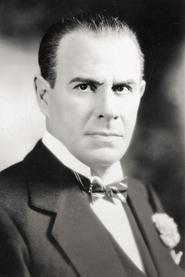 Ford SterlingTricaud
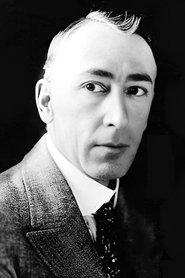 Tully MarshallCount Mancini
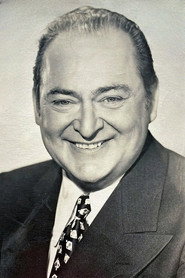 Edward Arnold(uncredited)
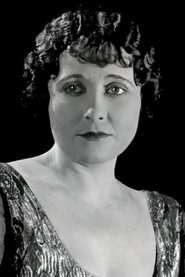 Paulette DuvalZinida (uncredited)
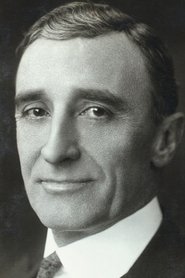 Brandon HurstClown (uncredited)
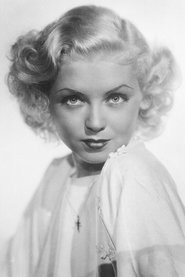 Toby WingPlaying Child (uncredited)
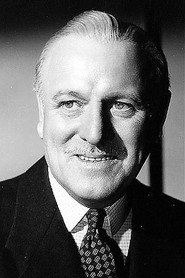 Pierre WatkinSpectator at Final Performance (uncredited)
Directing
- Victor SjöströmDirector
Writing
- Carey WilsonAdaptation
- Victor SjöströmAdaptation
- Leonid AndreyevTheatre Play
Production
- Victor SjöströmProducer