
Film
The Three Musketeers
Other titles called The Three Musketeers: the 1939 film, the 1948 film, the 1973 film, the 1993 film.
Douglas Fairbanks at the peak of his acrobatic powers, performing impossible swordplay and impossible stunts as D'Artagnan in the silent era's definitive Dumas adaptation. Pure swashbuckling joy: comedy, adventure, romance, and physical virtuosity in equal measure. It's what blockbusters looked like before sound.
Should you watch it?
Watch it if you love swashbucklers built on physical bravado and big theatrical grins, and you're happy to let a silent picture's gestures and title cards carry the romance and intrigue.
Skip it if you want tight modern pacing, because at nearly two and a half hours of silent title-card storytelling, every minute of it will test your patience.
What it asks of you: Settle in for a long, unhurried evening: the story unspools slowly, with stretches of courtly pageantry between the sword work, and it rewards patience more than close attention.
Not sure? Find tonight's pick in a minute.
If you liked this
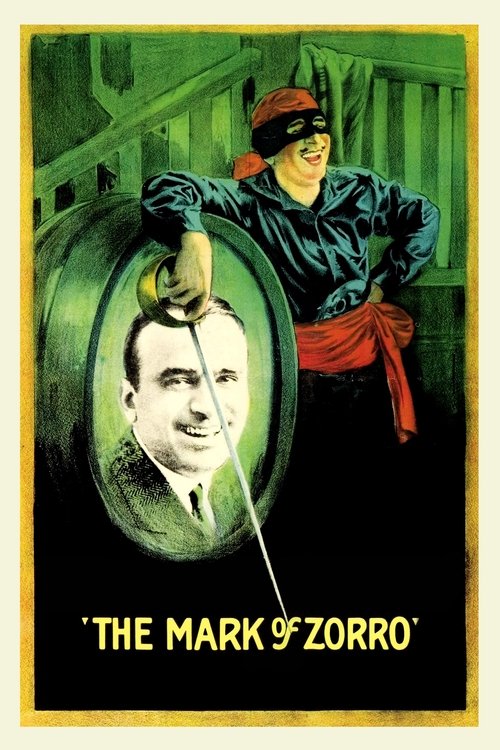
The Mark of Zorro1920
Also Fairbanks, also about a masked hero outwitting authority through wit and swordplay. This established the template; see the original that made him the era's biggest star and helped define the form.
But Released just before The Three Musketeers, so if you're watching both, the magic can feel repetitive. It's also a bit shorter on spectacle.
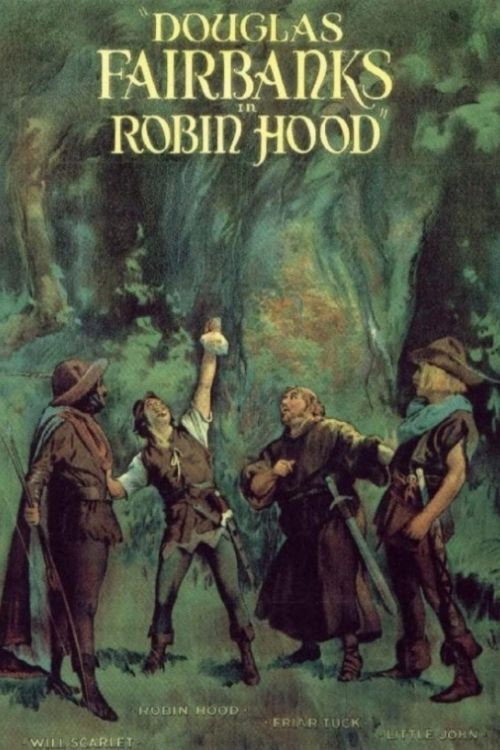
Robin Hood1922
Fairbanks again, this time with even grander sets and more audacious stunts. The castle siege sequences are genuinely breathtaking. Same director, same commitment to practical impossibility.
But At 156 minutes, it can drag between action sequences. The romantic subplot feels obligatory rather than earned.
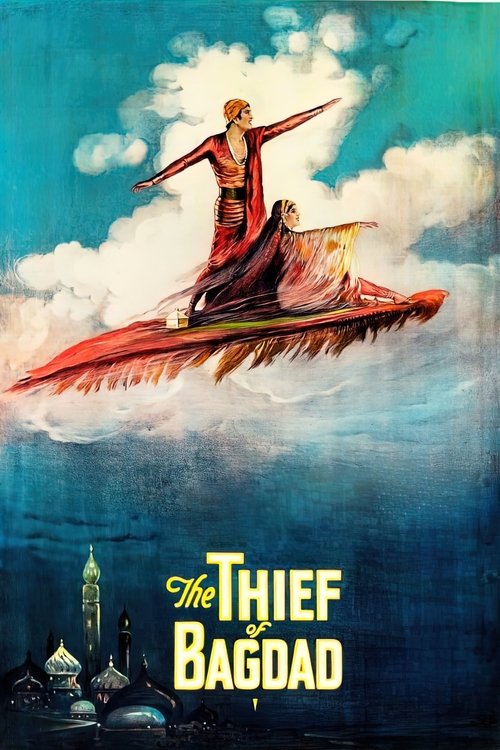
The Thief of Bagdad1924
Fairbanks' masterpiece: fantasy adventure with deeper emotional stakes than the swashbucklers, lavish orientalist sets, and effects that still astound. Proof the man could do more than fence.
But The fantasy elements and extremely dated racial aesthetics will require some patience. It's also slow to start.
Not sure tonight? Get a pick in a minute, starting from The Three Musketeers
The wildcard
Something you would not have found on your own.
Nosferatu1922
Both products of the early 1920s silent era proving cinema's possibilities—one kinetic and joyful, one psychological and dark. They define the poles of what the medium could be in that moment.
Made the same year as The Three Musketeers in Germany: an entirely different cinema. Expressionist shadows and genuine dread instead of sunlit adventure. Proof that 1920s cinema could be radically beautiful in multiple ways. Essential contrast-watch.
But Atmospheric horror rather than action. If you want excitement, this is slow and quiet and deeply unsettling. The dated racial mythology in the script is troubling.

More like this (8)
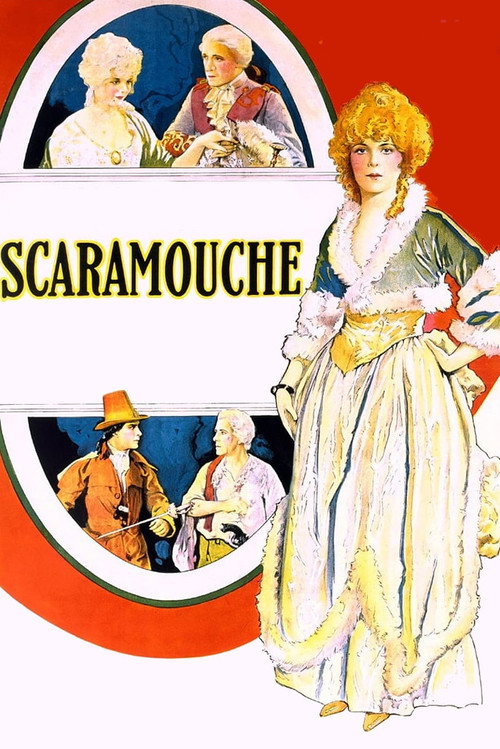
Scaramouche1923
Ramon Novarro following the Fairbanks template with style: a commoner rising through wit and swordplay, gorgeous locations, and an extended duel finale that's genuinely inventive. The perfect backup recommendation.
But Not as charismatic a lead. The comedy elements don't always land. It's the second-best film of this exact type.
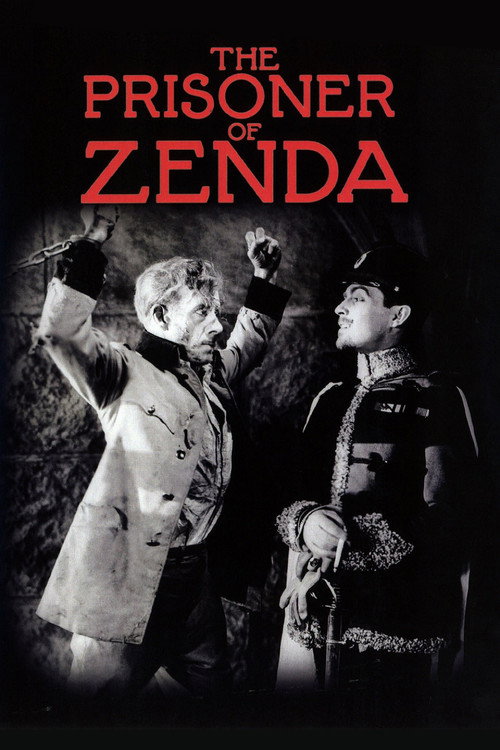
The Prisoner of Zenda1922
Adventure with more plot density: a man impersonating a king, intrigue, danger, and stellar supporting players. If you want the swashbuckling but also a proper page-turner, this delivers.
But Slightly stodgier in tone. Not as physically inventive as Fairbanks. You're trading acrobatics for intrigue.
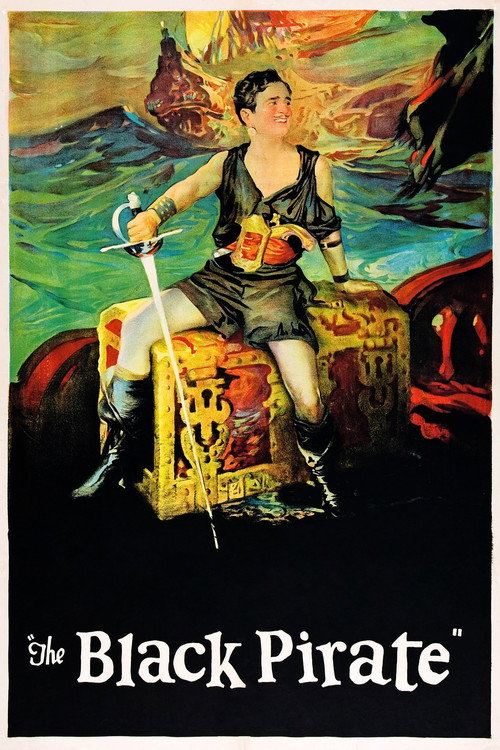
The Black Pirate1926
Fairbanks' most technically ambitious film: a pirate adventure with famous underwater sequences and some of his most daring stunts. Later than the others, so you see a perfected version of what he'd been building.
But The swashbuckling gives way to action sequences that, while impressive, are less varied. You may prefer the earlier films' balance.
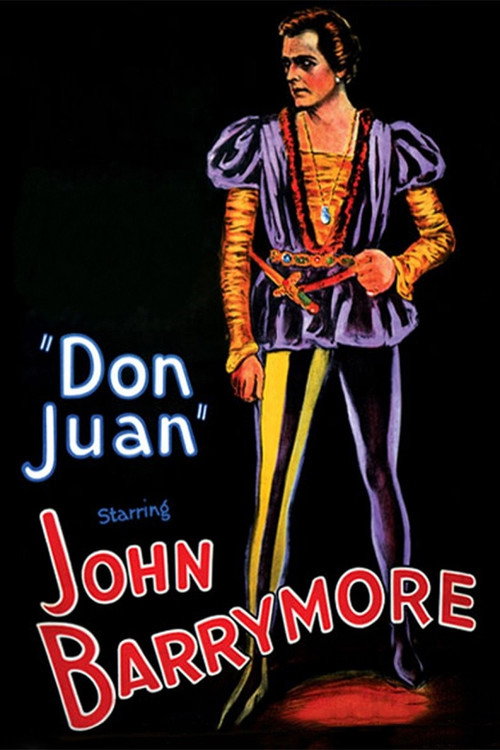
Don Juan1926
Late Fairbanks in a Dumas tale with excellent fencing, genuine stakes, and darker material than his earlier work. Barrymore's presence adds weight. A refined version of his formula.
But Slower pacing. The romantic elements outweigh the adventure for some. Coming at the end of the silent era, it feels more old-fashioned than films from just years before.
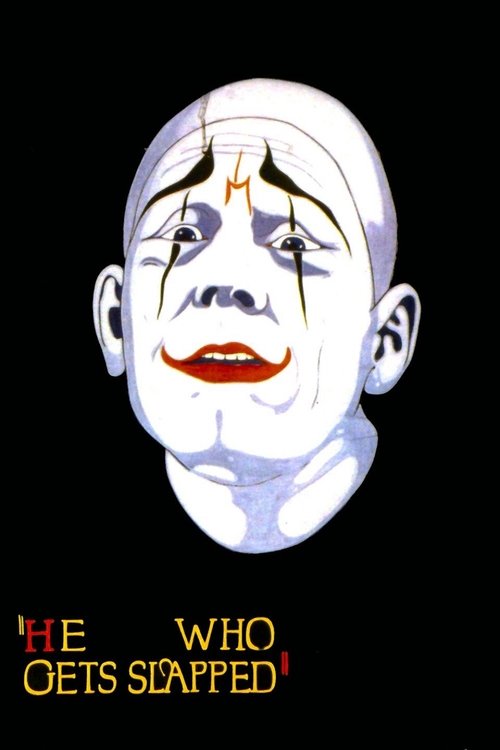
He Who Gets Slapped1924
Silent melodrama with the same era's technical skill but entirely different register: a tragedy about a scientist who becomes a circus clown. Shows what else cinema could do in this moment. Lon Chaney is magnificent.
But It's not adventure. It's heartbreak. If you want another swashbuckler, this will feel like a wrong turn.
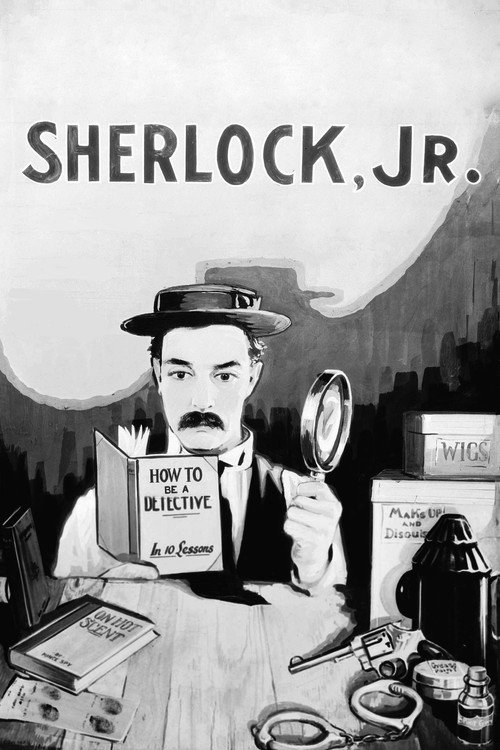
Sherlock Jr.1924
Buster Keaton's masterpiece: a projectionist becomes a detective in his own fantasy. Absurdist comedy with practical stunts as audacious as Fairbanks', but committed to gags rather than plot. The final chase is immortal.
But Entirely comic in tone. No romance, no political intrigue. If you want swashbuckling adventure, this is the opposite direction.
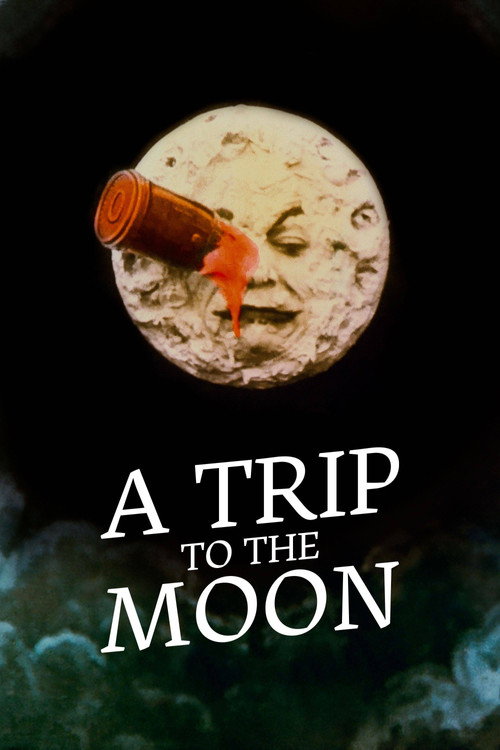
A Trip to the Moon1902
The Three Musketeers is built on Méliès' legacy: using cinema not to stage theater but to accomplish impossibilities. Both films are about visual wonder—one personal and whimsical, one grand and athletic, but cousins under the skin.
Méliès' pioneering 1902 fantasy shows what inspired the spectacle in The Three Musketeers: hand-painted frames, impossible scenes, pure invention. Only 12 minutes, so a quick glimpse of cinema's birth as a medium for the imagination.
But It's not a narrative. It's visual ingenuity in miniature. If you expect plot or character development, you'll be confused. The lack of sound might feel stranger here than in 1921.
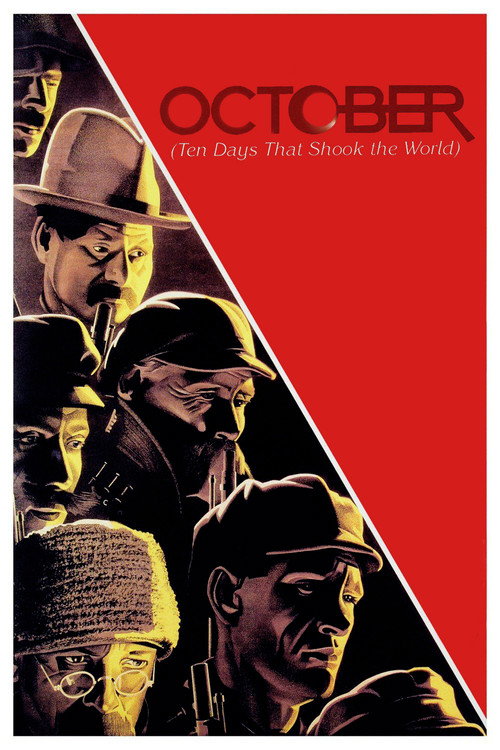
October (Ten Days that Shook the World)1928
The Three Musketeers and October both represent the late silent era at maximum ambition: one perfecting entertainment cinema, the other inventing propaganda cinema. Each is the pinnacle of its path. Watching both shows the fork in the road cinema was taking.
Sergei Eisenstein's revolutionary epic using the opposite techniques: montage, crowds, propaganda, geometric compositions. Equally ambitious filmmaking from the late silent era, but political and collective where Fairbanks is individual and joyful. A necessary alternative vision.
But Dense, demanding, and explicitly Marxist. It's a work of intellectual power, not entertainment. Three and a half hours with no plot in the conventional sense. You need to study this; you don't watch it for fun.
People
Cast
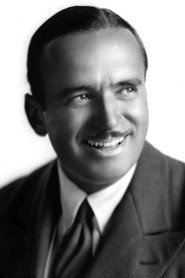 Douglas FairbanksD'Artagnan
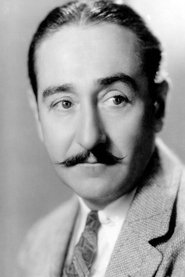 Adolphe MenjouLouis XIII
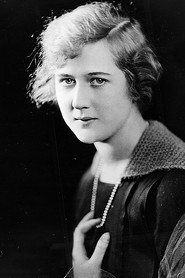 Mary MacLarenAnne of Austria
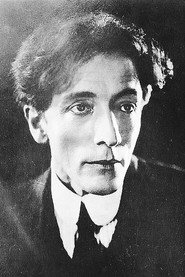 Nigel De BrulierCardinal Richelieu
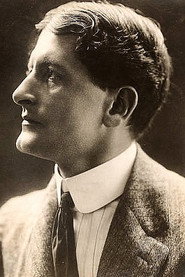 Thomas HoldingDuke of Buckingham
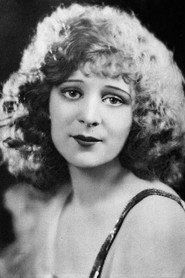 Marguerite De La MotteConstance
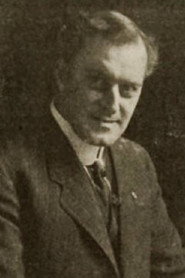 Willis RobardsDe Treville
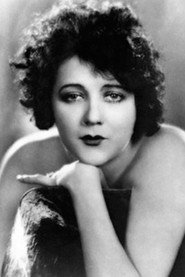 Barbara La MarrMilady de Winter
 Sidney FranklinBonacieux
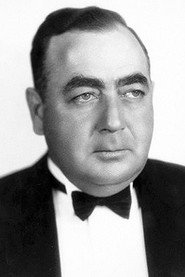 Eugene PalletteAramis
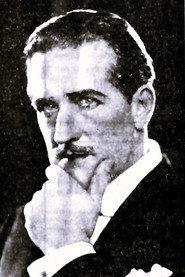 Boyd IrwinRochefort
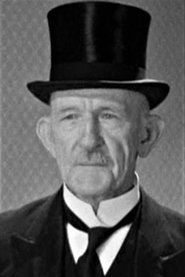 Lon PoffFather Joseph
Directing
- Doran CoxAssistant Director
- Fred NibloDirector
Writing
- Edward KnoblockAdaptation
- Alexandre DumasNovel
- Lotta WoodsStory Editor
Production
- Douglas FairbanksProducer