
Film
Robin Hood
Other titles called Robin Hood: the 1973 film, the 2006 series (BBC One), the 2010 film.
Fairbanks at the height of his powers, performing jaw-dropping acrobatic stunts as Robin Hood in a lavish 1922 adventure. It's visual storytelling at its most exuberant—less interested in plot than in watching an athlete move through impossible spaces with balletic precision. For anyone curious about silent cinema's lost grandeur, or who loves swashbuckling with genuine danger.
Should you watch it?
Watch it if you are charmed by old-fashioned acrobatic derring-do, where a star's own leaps, sword fights and rope swings carry the story across huge medieval sets.
Skip it if you need dialogue and subtlety, since this is a silent film with title cards, and at over two hours its pageantry moves at a stately pace.
What it asks of you: Over two hours of silent, picture-led storytelling, with patience needed between the big set pieces and stretches of exposition carried by printed title cards.
Not sure? Find tonight's pick in a minute.
If you liked this
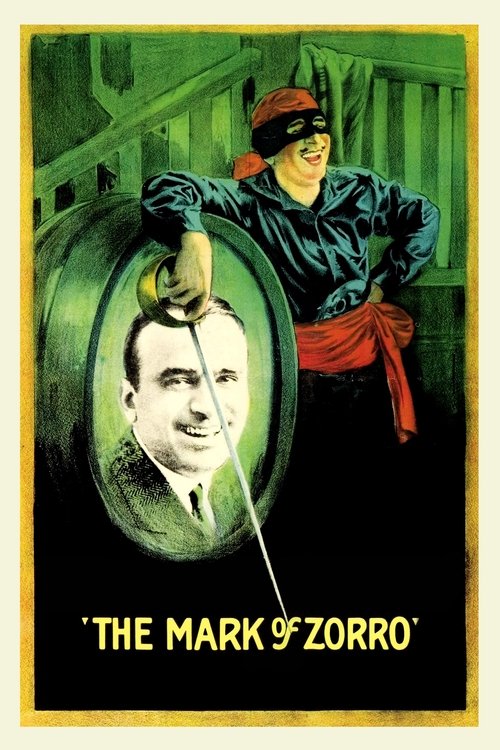
The Mark of Zorro1920
Fairbanks perfecting the masked hero template two years before Robin Hood, with the same mix of acrobatic showmanship and genuine dramatic tension. Zorro is tighter and more influential—see where this whole thing started.
But The romantic subplot is thin, and the social commentary about class feels more like decoration than driving the story. Pacing dips when Fairbanks isn't on screen.
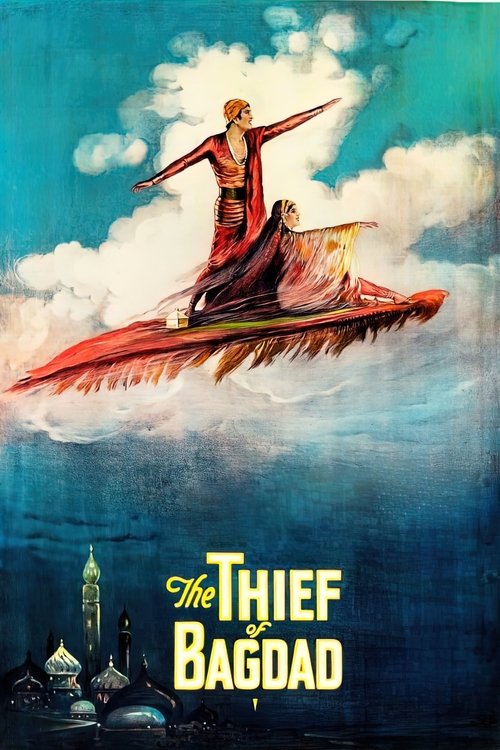
The Thief of Bagdad1924
Another Fairbanks triumph with even more lavish production design—a fantasy adventure where the acrobatics feel even more impossible because the world itself is dreamlike. Visual effects work that still astounds. Pure escapism done with an artist's hand.
But Slower than Robin Hood and relies heavily on stop-motion tricks that will feel quaint if you expect seamless modern effects. Some scenes drag.
Nosferatu1922
Released the same year as Robin Hood but from the opposite end of cinema's spectrum—German Expressionist horror that's just as visually adventurous and technically audacious. Proof that 1922 had range, and that silent film was capable of multiple kinds of greatness.
But Glacially paced, monochrome, and genuinely unsettling rather than fun. Requires patience and a willingness to sit with dread instead of excitement.

Not sure tonight? Get a pick in a minute, starting from Robin Hood
The wildcard
Something you would not have found on your own.
The Cabinet of Dr. Caligari1920
Both use cinema's visual grammar to do things impossible on stage; both are solutions to the problem of how to tell adventure without dialogue. Robin Hood says 'watch me move'; Caligari says 'watch how the world can bend.'
German Expressionism's masterpiece—visually as daring and inventive as Robin Hood, but using distorted sets and shadow instead of acrobatics to tell its story. Proof that cinema's early adventure wasn't just about heroes and stunts, but about what the camera and design could express.
But Unsettling and deliberately artificial—the opposite of Fairbanks' naturalistic athleticism. Silent, slow, cryptic, and genuinely disturbing rather than thrilling.

More like this (6)
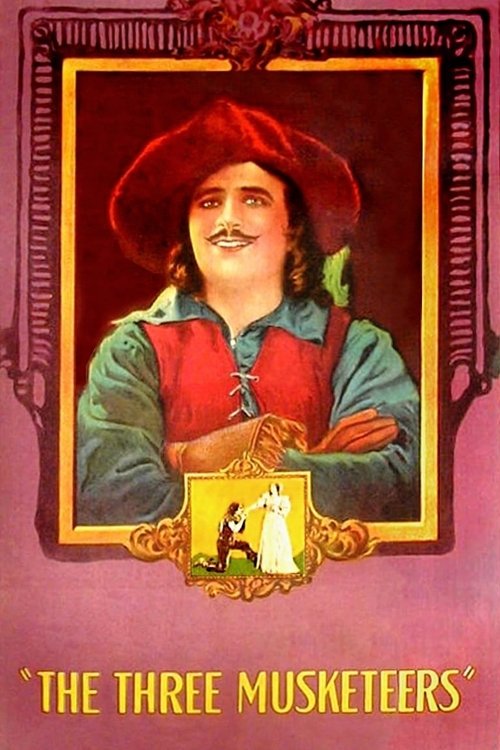
The Three Musketeers1921
Fairbanks doing the exact same thing—acrobatic swashbuckling, sword fights, impossible stunts—but with more narrative momentum. If Robin Hood's plot feels paper-thin, this will feel like a proper adventure with stakes and momentum.
But Slightly earlier and creakier than Robin Hood technically. Some of the humor lands flat, and the pacing takes time to find itself.
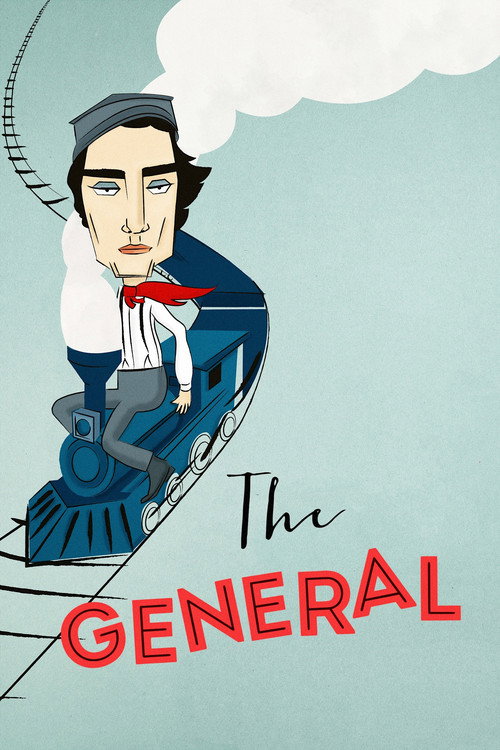
The General1926
Buster Keaton performing stunts as genuinely dangerous as Fairbanks', but from behind an impassive face. A comedy that's also a chase film that's also a masterpiece of physical filmmaking. Pure cinema—no plot, just brilliant problem-solving.
But Keaton's comedy is deadpan and strange; it doesn't play like modern humor. The pacing is meditative, almost mathematical. Some find it remote.
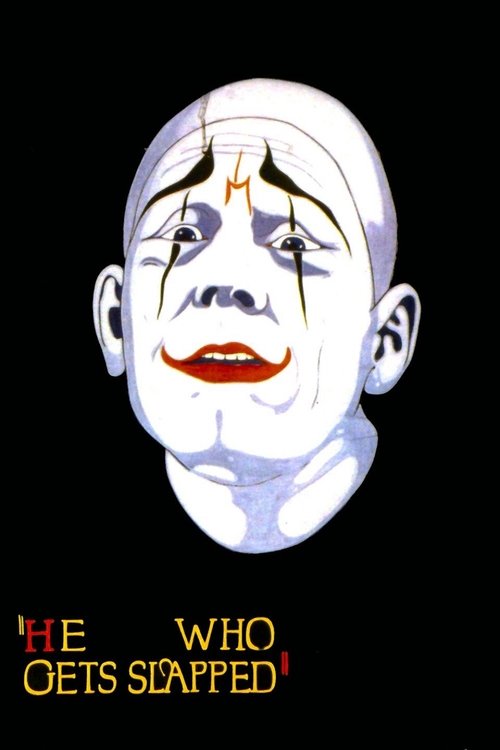
He Who Gets Slapped1924
Silent cinema's emotional peak—a circus melodrama with genuine pathos and moral complexity. Lon Chaney destroying you with nothing but gesture and expression. A reminder that silent film wasn't just about stunts and spectacle.
But Bleak and fatalistic in ways that contradict Robin Hood's heroism. If you want exuberance, this goes the other direction deliberately.
The Phantom Carriage1921
Swedish cinema at its height—a ghost story with visual effects that are astonishing without relying on acrobatics. Shows what silent film could do with atmosphere, grief, and moral reckoning instead of derring-do.
But Profoundly sad and slow. No action sequences, no humor. It's about death and redemption, not heroism.

Intolerance: Love's Struggle Throughout the Ages1916
Griffith's massive, ambitious epic—contemporary to Robin Hood's era but operating on a completely different scale and ambition. If you want to understand what silent cinema was capable of at its most grandiose, this is it.
But Nearly four hours long and structurally chaotic, cutting between four different historical periods. Many find it exhausting rather than exciting. Also: morally problematic in places.

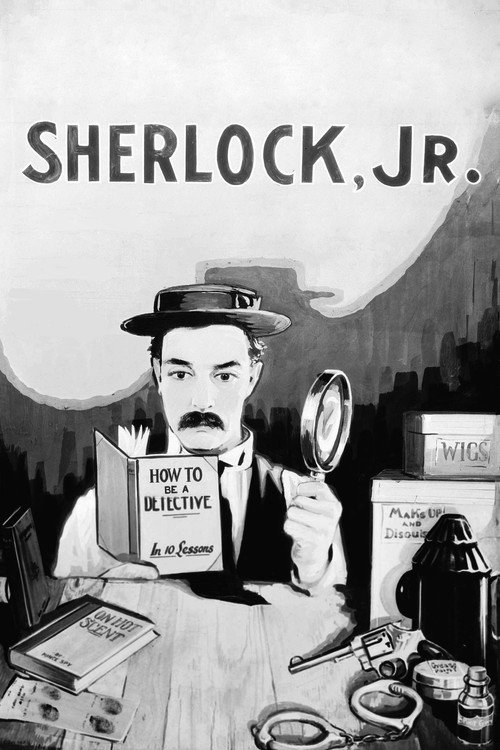
Sherlock Jr.1924
Both are about the magic of cinema and what the body can do on film. But where Robin Hood says 'believe in the hero,' Sherlock Jr. says 'don't believe anything you see—including me.'
Buster Keaton's masterpiece about a projectionist who enters a film—a meditation on cinema itself, with stunts as death-defying as Fairbanks' but deployed for comedy and philosophy instead of heroism. Keaton falls from a building and gets up; the joke is on us for caring.
But The humor is abstract and philosophical rather than slapstick. Keaton's face doesn't move. If you want warmth and clear emotion, this is glacial and withholding.
People
Cast
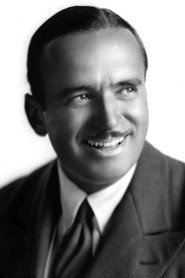 Douglas FairbanksRobin Hood
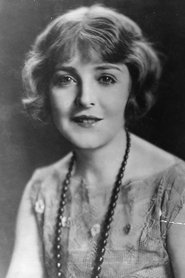 Enid BennettLady Marian Fitzwalter
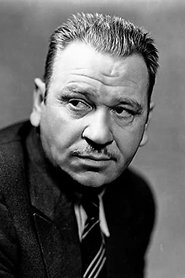 Wallace BeeryRichard the Lion-Hearted
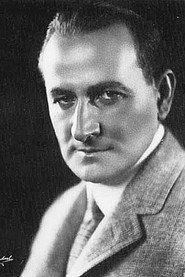 Sam De GrassePrince John
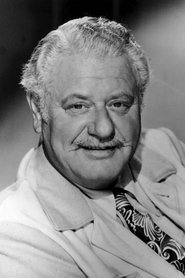 Alan HaleLittle John
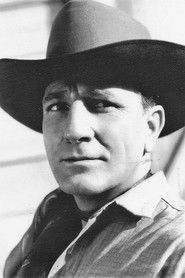 Bud GearyWill Scarlett
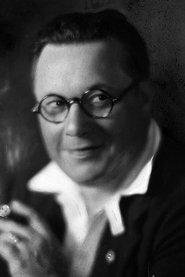 Willard LouisFriar Tuck
- Lloyd TalmanAllan-a-Dale
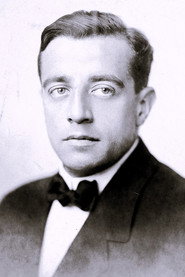 Paul DickeySir Guy of Gisbourne
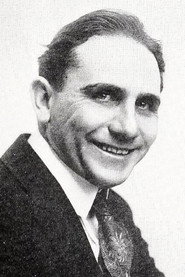 William LoweryThe High Sheriff of Nottingham
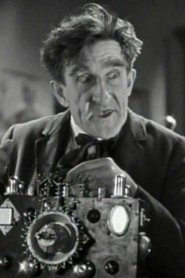 Frank AustinFriar
- Roy CoulsonKing's Jester
Directing
- Allan DwanDirector
Writing
- Douglas FairbanksStory
- Allan DwanWriter
- Edward KnoblockWriter
- Kenneth DavenportWriter
- Lotta WoodsWriter
Production
- Douglas FairbanksProducer
Recommended by
The Mark of Zorro, The Black Pirate, Ivanhoe, The Iron Mask, Scaramouche, The Three Musketeers, Don Q Son of Zorro