
Film
The Iron Mask
Douglas Fairbanks' final silent film, a lavish swashbuckler about twin princes and forbidden love. Fairbanks at sixty brings weary charm to D'Artagnan, and the film dazzles with intricate sword choreography and elaborate sets. It's a love letter to an era of cinema already being eclipsed by sound—epic, occasionally creaky, unmistakably of its moment.
Should you watch it?
Watch it if you enjoy silent-era swashbuckling where acrobatics, sweeping sets and Fairbanks's grin do nearly all the talking, with intertitles a mere footnote.
Skip it if you want dialogue-driven intrigue or modern pacing; silent acting is broad, intertitles interrupt the flow, and the plot is more episodic than tightly knotted.
What it asks of you: Expect a brisk hour and three-quarters with a silent film's patience: you'll read title cards, watch faces hard, and accept broad gestures and stunts as the storytelling.
Not sure? Find tonight's pick in a minute.
If you liked this
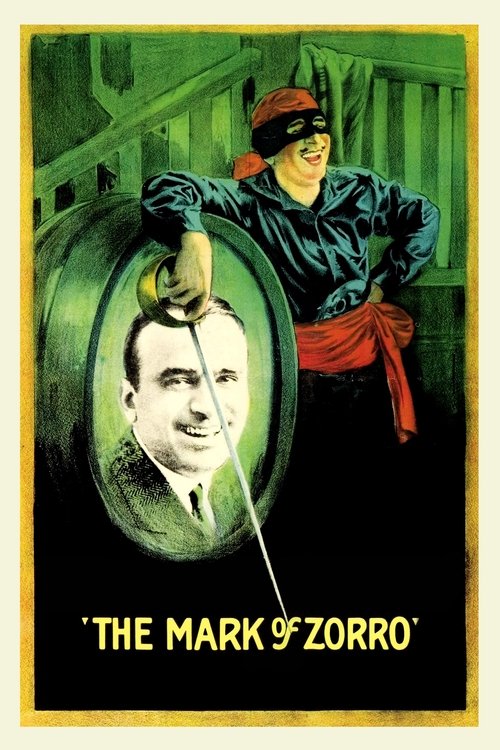
The Mark of Zorro1920
Fairbanks' earlier triumph that invented the template for masked avengers. The sword work is sharper, the humour snappier, and you see the full voltage of his athleticism before age began to temper it.
But Silent film pacing feels deliberate rather than thrilling by modern standards, and the plot is straightforward to the point of simplicity.
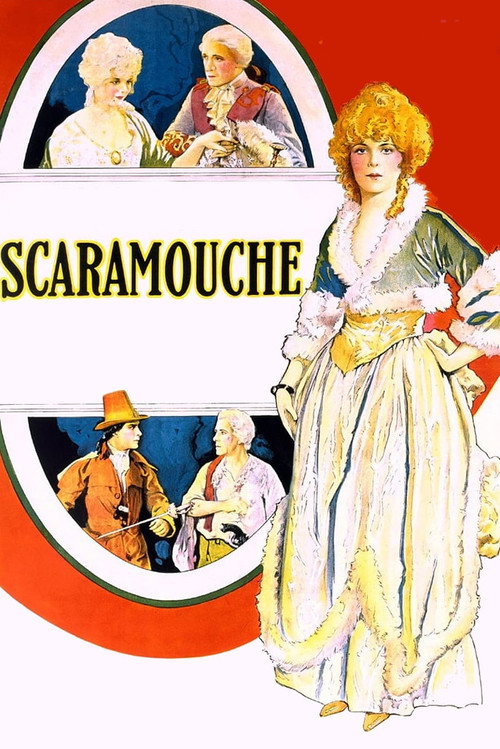
Scaramouche1923
Another adventure masterpiece with Ramon Novarro, built around a legendary seven-minute duel that genuinely justifies the hype. The romance lands, the stakes feel real, and the physical comedy crackles.
But Running nearly three hours in silent form is a commitment; modern audiences often find the emotional beats overwrought.
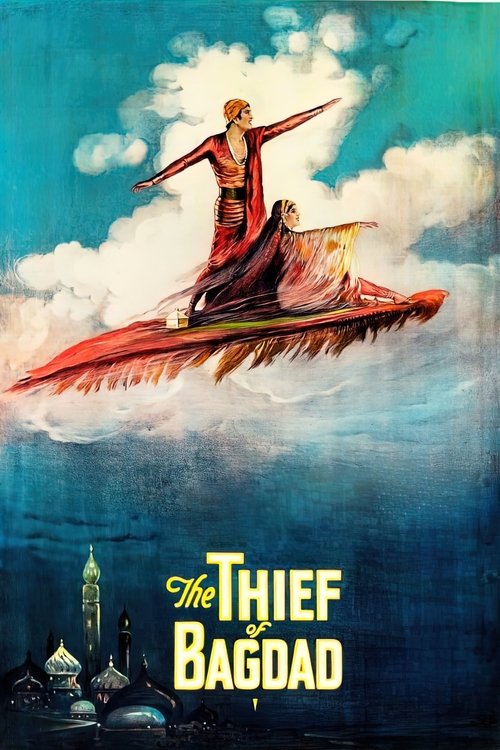
The Thief of Bagdad1924
Fairbanks in pure fantasy mode, with sets and effects that still astonish. A film about pure enchantment and movement, less plot-bound than Iron Mask, more visually intoxicating.
But The orientalist framing is cringe-worthy now, and the story is gossamer-thin—you're watching for spectacle, not narrative.
Not sure tonight? Get a pick in a minute, starting from The Iron Mask
The wildcard
Something you would not have found on your own.
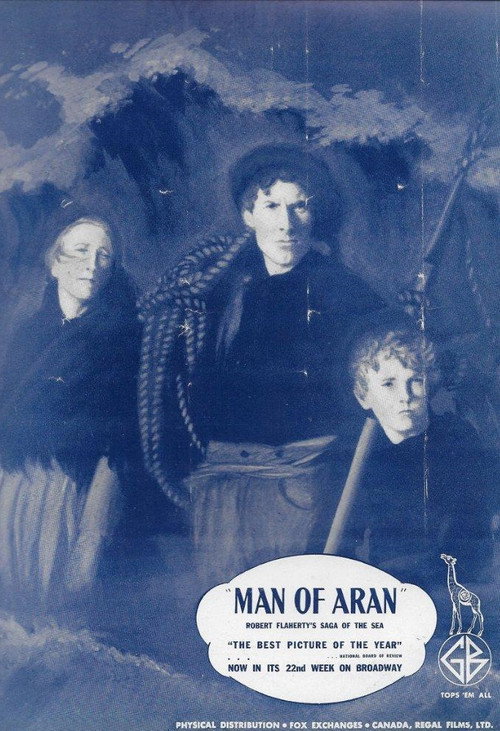
Man of Aran1934
Both are elegies for a form of cinema that was dying. Iron Mask tried to reclaim silent grandeur with bigger budgets; Flaherty showed that the form's future lay in stripping away the narrative machinery and trusting image and rhythm alone.
Flaherty's documentary-fiction hybrid about island life is silent and contemporary with the death of the silent era itself. A vision of cinema as poetry and anthropology, not plot. Hypnotic and utterly unlike anything in the adventure canon.
But There is no story, no characters you're meant to root for, and no music. It demands patience and offers only mood, and that mood is austere.
More like this (8)
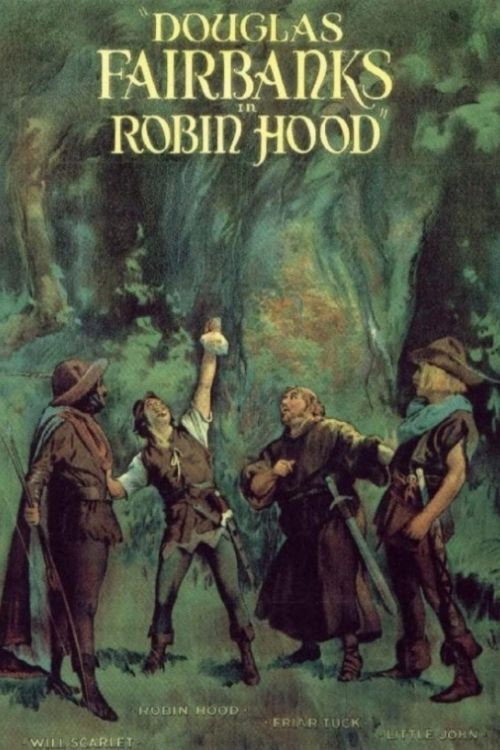
Robin Hood1922
Fairbanks at his physical peak, executing stunts that look impossible even now. The castle siege is genuinely inventive, and the film moves with real purpose rather than languorous pacing.
But The social commentary is thin, and the film occasionally halts for romantic business that doesn't quite sing.
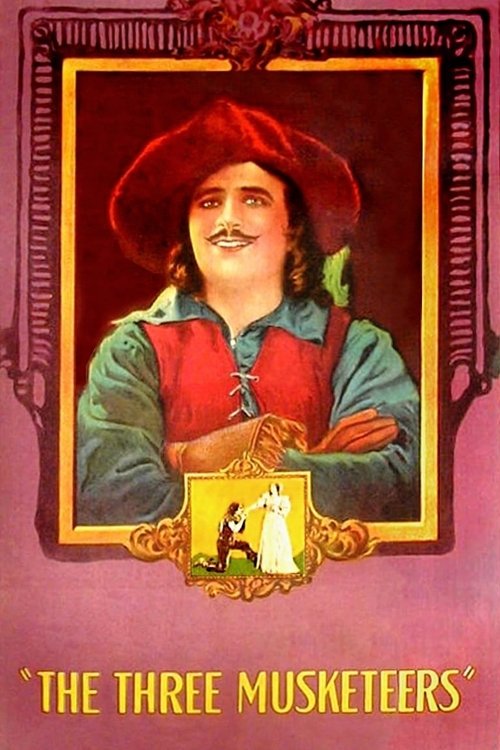
The Three Musketeers1921
Fairbanks' first go at Dumas, lighter and faster than Iron Mask, with genuine ensemble chemistry. The sword fights feel playful rather than portentous, and the film knows when to end.
But It's less visually ambitious than the later film, and some restoration copies can look murky.
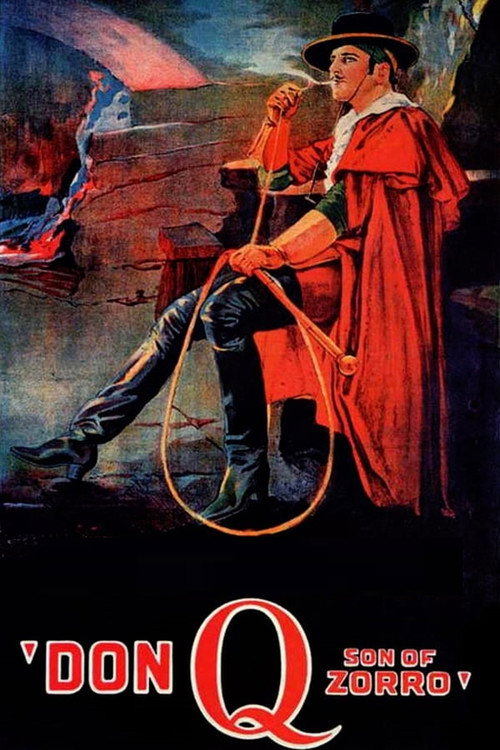
Don Q Son of Zorro1925
The sequel that works, with Fairbanks returning as a new generation of masked hero. Better budgeted than the first Zorro, with location shooting in Spain that grounds the fantasy.
But The plot meanders; it feels less like a story and more like a series of set pieces connected by string.
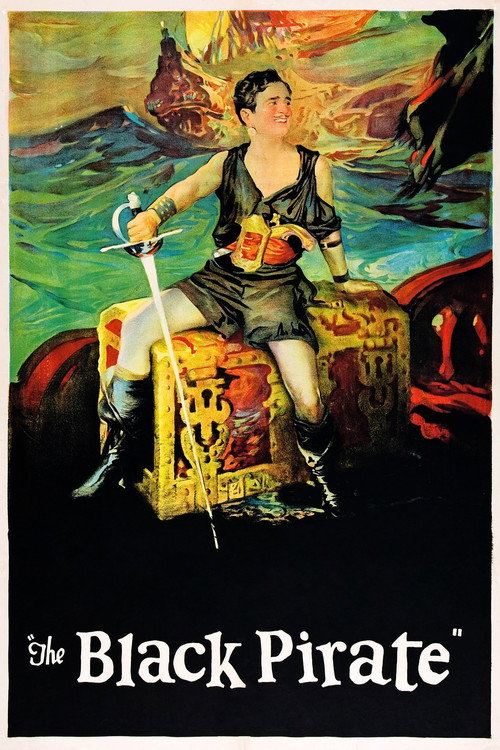
The Black Pirate1926
Fairbanks' only Technicolor film, a genuine spectacle that shows what silent cinema could achieve with resources and imagination. Bursting with invention and colour.
But The two-colour process is limited and sometimes garish by modern sensibilities; the plot is pure hokum.
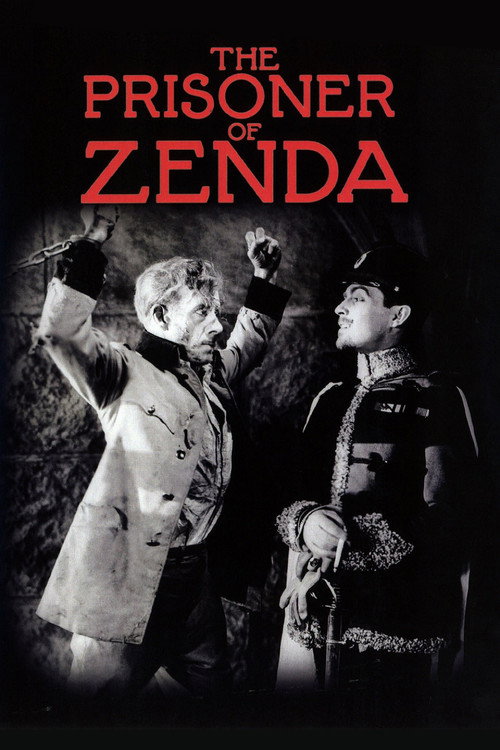
The Prisoner of Zenda1922
Rex Ingram's mastery of composition and editing, with John Gilbert giving Fairbanks' athleticism a run for its money. A romance that actually matters, and intrigue that feels consequential.
But Slower-paced than Fairbanks' work, and Gilbert's melodrama can feel overwrought to viewers raised on restraint.
The Phantom Carriage1921
Sjöström's masterpiece—Swedish cinema at its height, exploring ghosts, redemption, and time with philosophical depth. Visually innovative and emotionally devastating.
But It's a tragedy with a moral sermon, not an adventure; the pacing is glacial and the mood punishing.

The Leopard1963
Both are sword-and-period films obsessed with honour and loyalty, but where Iron Mask celebrates heroes fighting the system, The Leopard asks whether the system itself might have been worth something. Same genre, opposite moral.
Visconti's Italian epic about a nobleman watching his world collapse, with Burt Lancaster delivering the most poignant performance of his life. Baroque, devastating, about the romance of doomed systems—and whether to fight them or accept them.
But It's two hours fifty minutes of aristocratic melancholy and reflection. There is one action sequence. It's about acceptance, not heroism.

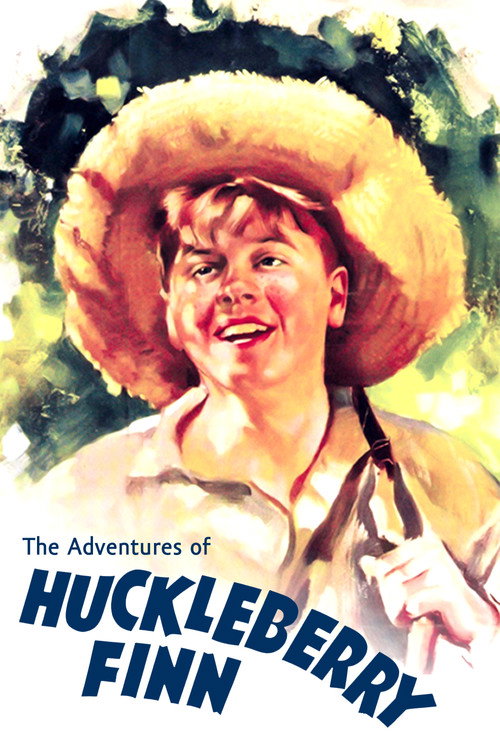
The Adventures of Huckleberry Finn1939
Both centre on a young man whose loyalty to a friend costs him everything, and both suggest that companionship and personal honour matter more than obedience to authority. But where D'Artagnan serves a king, Huck learns to reject the whole structure—a quieter kind of revolution.
Metro's adaptation with Mickey Rooney, a film about freedom that's technically a Disney-adjacent studio product but carries real longing for escape and genuine friendship. The river itself becomes a character, and the journey matters more than any destination.
But The racial politics are of its era, which means they're ugly; and Rooney's performance is mannered by modern standards, all mugging and affectation.
People
Cast
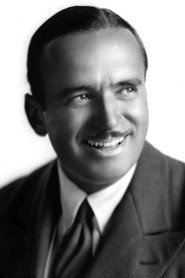 Douglas FairbanksD'Artagnan
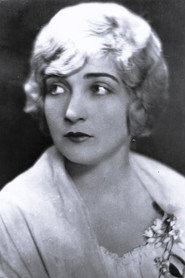 Belle BennettThe Queen Mother, Anne of Austria
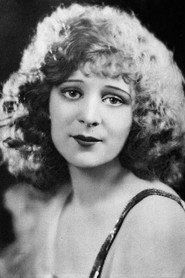 Marguerite De La MotteConstance Bonacieux
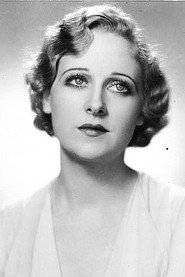 Dorothy RevierMilady de Winter
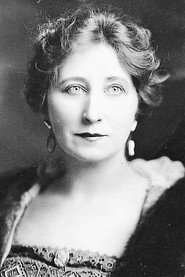 Vera LewisMadame Peronne
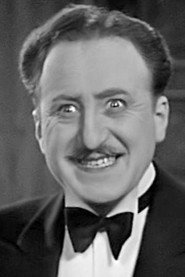 Rolfe SedanLouis XIII
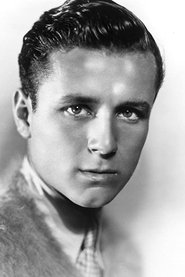 William BakewellLouis XIV / Twin Brother
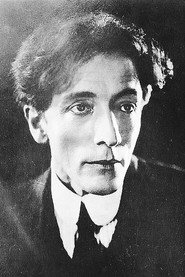 Nigel De BrulierCardinal Richelieu
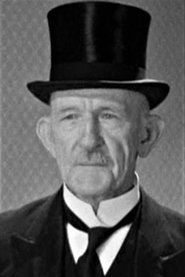 Lon PoffFather Joseph
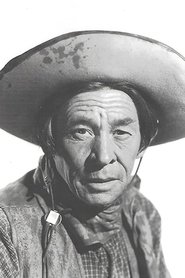 Charles StevensPlanchet - D'Artagnan's Servant
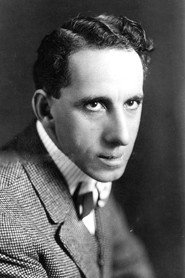 Henry OttoThe King's Valet
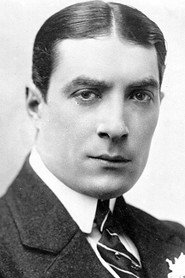 Léon BaryAthos
Directing
- Allan DwanDirector
Writing
- Alexandre DumasNovel
- Douglas FairbanksWriter
Production
- Douglas FairbanksProducer
Recommended by
The Man in the Iron Mask, Scaramouche, The Viking, The Foreign Legion