
Film
Scaramouche
Other titles called Scaramouche: the 1952 film.
A 1923 silent swashbuckler about a law student who becomes a revolutionary clown to avenge his murdered friend. Dazzling sword-play, slapstick comedy, and romantic intrigue collide in this technically astonishing film that practically invented the action-adventure template. For anyone curious how cinema looked when it was still discovering what it could do.
Should you watch it?
Watch it if you love swashbuckling costume epics built on fencing duels, sweeping crowd scenes, and a hero who hides his real purpose behind the mask of a comic performer, and you don't mind silent-era acting in its most theatrical form.
Skip it if you need dialogue and quick cutting, since this silent film from 1923 moves at a stately pace and leans heavily on broad pantomime.
What it asks of you: Plan for just over two hours, reading intertitles between long stretches of gesture and staging, with grand set pieces that take their time arriving.
Not sure? Find tonight's pick in a minute.
If you liked this
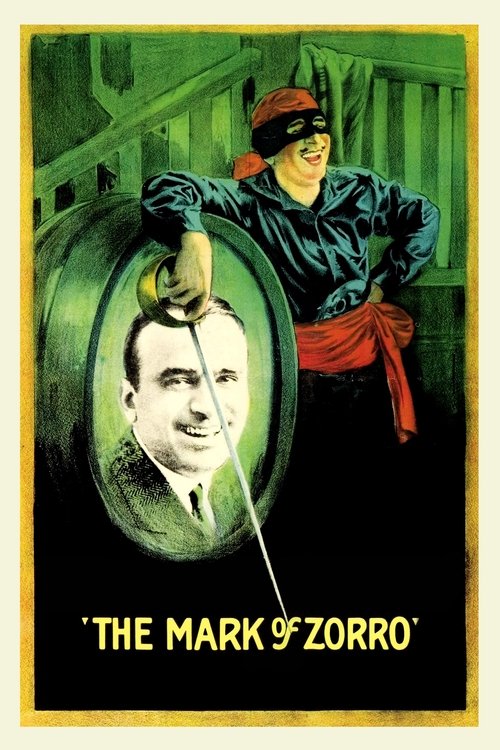
The Mark of Zorro1920
The template for masked avengers everywhere. Douglas Fairbanks as a nobleman who fools society with a secret identity, combining acrobatic swordplay with genuine emotional stakes. Essential viewing for understanding what Scaramouche builds on.
But Silent film pacing can feel slow if you're used to modern editing, and some comedy bits haven't aged as gracefully as the action sequences.
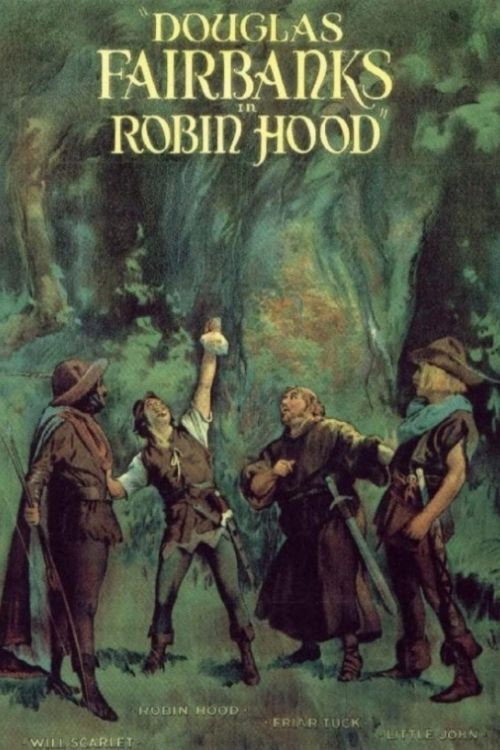
Robin Hood1922
Fairbanks again, in full spectacular mode—this time with massive sets, genuine crowds, and some of the most athletic swordplay silent cinema ever captured. A masterclass in physical storytelling and adventure design.
But Nearly three hours of silent film requires genuine patience, and the plot is thin compared to the spectacle—it's an excuse for incredible action and stunts.
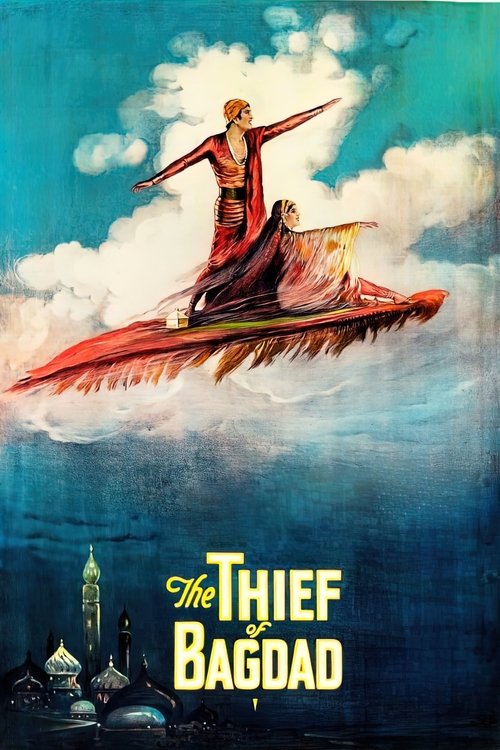
The Thief of Bagdad1924
A different kind of adventure: fantasy instead of historical, but equally inventive with its practical effects and imaginative design. Shows how silent cinema could conjure enchantment through pure visual ingenuity.
But Even more episodic than Scaramouche, and some of the mystical elements feel dated rather than timeless. The fantasy framing matters less than the technical wizardry.
Not sure tonight? Get a pick in a minute, starting from Scaramouche
The wildcard
Something you would not have found on your own.
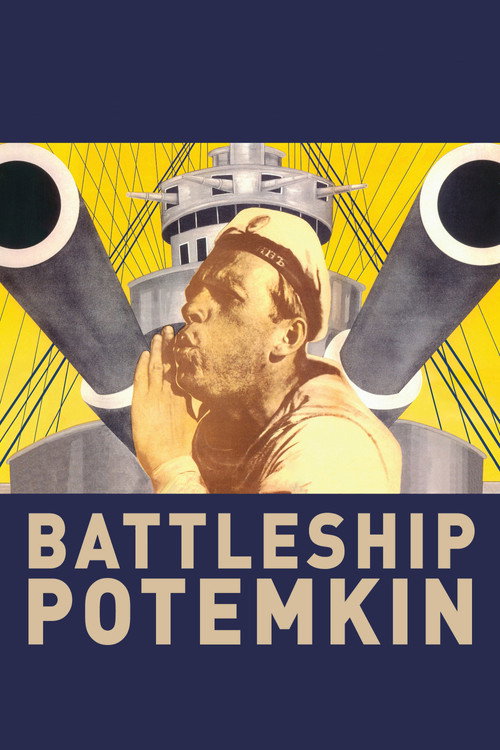
Battleship Potemkin1925
Both are political action films dressed in adventure, using sword and body to express ideological conflict. One is a romantic entertainment that contains revolution; one is revolution that uses cinema as a weapon.
Eisenstein's revolutionary Soviet film about mutiny and uprising—a completely different kind of political cinema from Scaramouche. Both films use swordplay and physical action as metaphors for liberation, but Potemkin weaponizes editing itself as a form of storytelling. The Odessa Steps sequence alone is worth the price of admission.
But It's propaganda, unapologetically. The rhythm is experimental and sometimes jarring, and there's no romance or humor to soften the message. It asks you to feel cinema's power, not enjoy a story.
More like this (8)
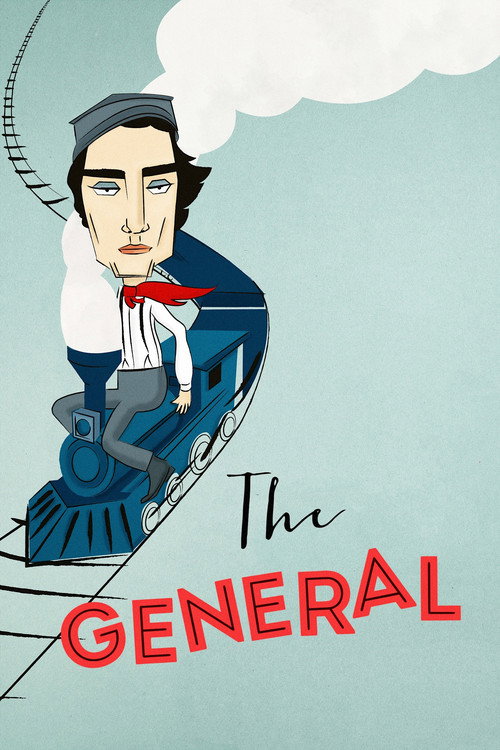
The General1926
Buster Keaton's masterpiece, where a man becomes an unlikely hero through wit and physical comedy. The action sequences are precisely choreographed, and it shares Scaramouche's blend of humor and genuine peril.
But It's a comedy first, so the adventure and romance elements are lighter. Keaton's deadpan style is an acquired taste for some viewers.
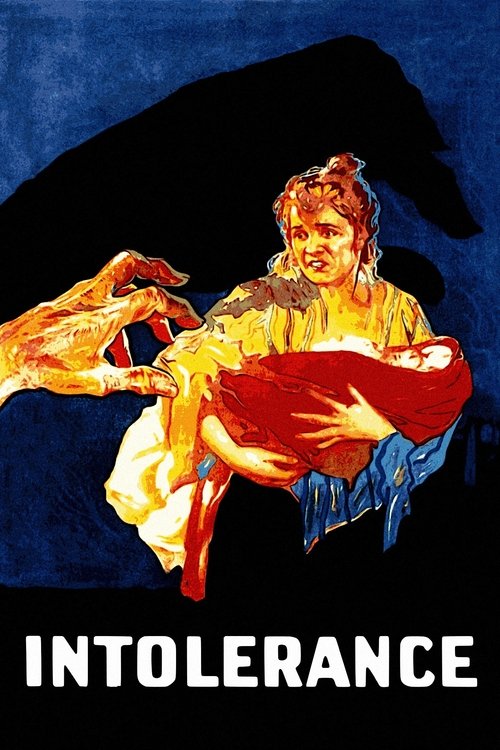
Intolerance: Love's Struggle Throughout the Ages1916
D.W. Griffith's epic about four historical periods cut together. It's technically revolutionary and visually overwhelming—the sheer ambition and scale show what silent cinema was attempting at its peak.
But At nearly four hours, it's genuinely difficult to sit through, and the narrative experiment can feel self-defeating rather than involving. It's a museum piece as much as an entertainment.
The Phantom Carriage1921
A Swedish ghost story with genuinely eerie atmosphere and visual poetry. If you loved Scaramouche's technical inventiveness, this shows how silent cinema could also do dread and melancholy with equal skill.
But It's slow-burn and mournful where Scaramouche is ebullient. The mood is austere, and some viewers will find it more museum-worthy than gripping.

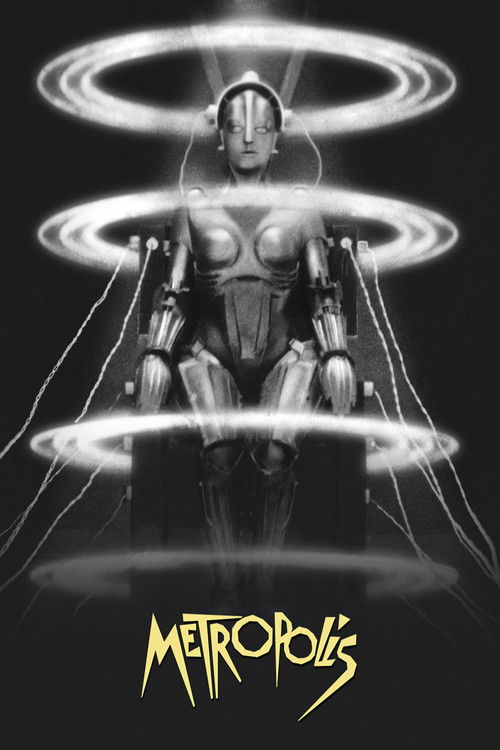
Metropolis1927
Fritz Lang's science-fiction epic about a futuristic city divided by class. Visually staggering, with action sequences and emotional scale that still impress. Shows what silent cinema could do with dystopian spectacle.
But The restored version is long and dense, and the social allegory can feel dated. The plot itself is less sophisticated than the design and imagery.
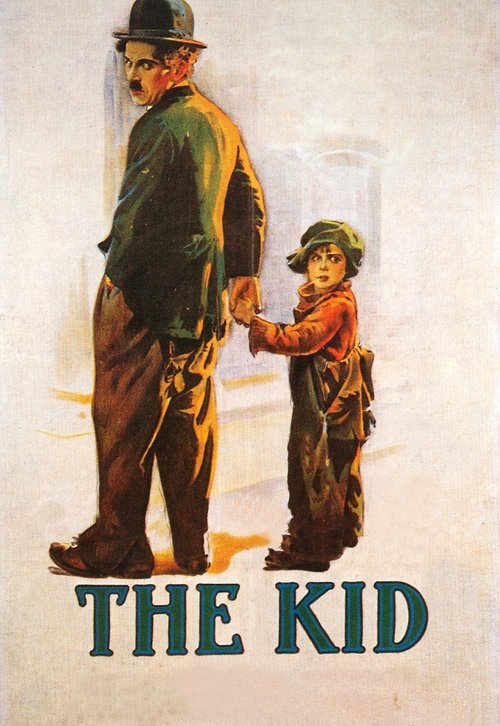
The Kid1921
Chaplin's blend of comedy, sentiment, and human warmth in a story about a tramp and an orphan. It has action and adventure moments alongside the pathos, and the emotional sincerity still lands.
But The sentimentality is heavy-handed by modern standards, and Chaplin's Little Tramp character can feel cloying if you're not already invested in his work.
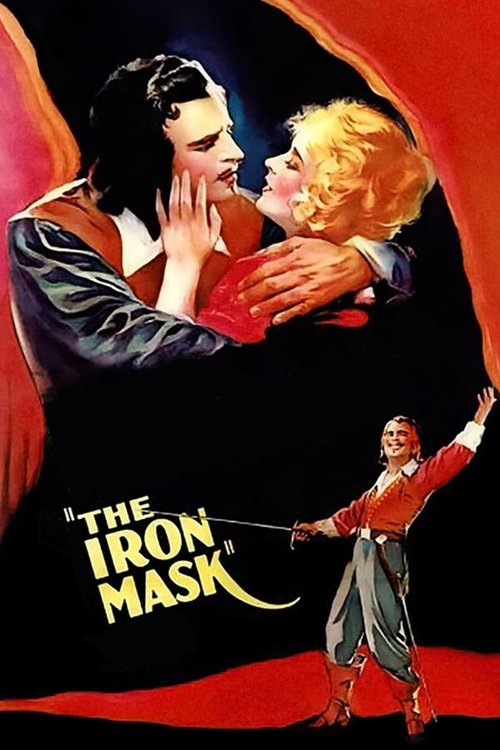
The Iron Mask1929
Fairbanks' last great silent film, a Dumas adaptation with dueling, betrayal, and a double-role performance. Swashbuckling adventure with genuine star charisma holding it together across nearly two hours.
But It's late-silent-era, so sound was beginning—some prints are incomplete or restored awkwardly. The plot meanders, and some sequences feel padded compared to Scaramouche's momentum.
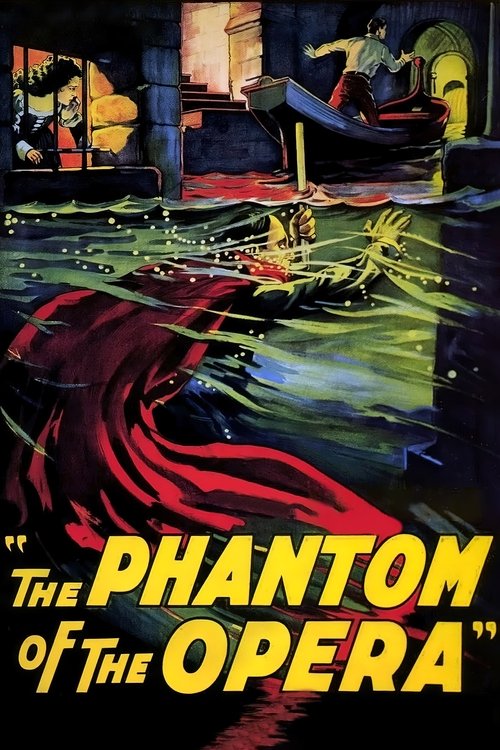
The Phantom of the Opera1925
Both are about identity transformation and elaborate masquerade. Both use costume and disguise as a way to navigate a hostile world. Where Scaramouche uses his mask to punch upward, the Phantom uses his to isolate himself—opposite emotional registers, same formal obsession.
Lon Chaney's masterpiece of gothic melodrama and spectacle—the Masquerade Ball sequence is as technically audacious as anything in Scaramouche. A completely different genre, but equally committed to visual storytelling and creating atmosphere through design, makeup, and movement.
But It's slow, moody, and romantic in a operatic way. The horror elements are theatrical rather than frightening, and if you want action and comedy, this is purely tragic spectacle and unrequited longing.
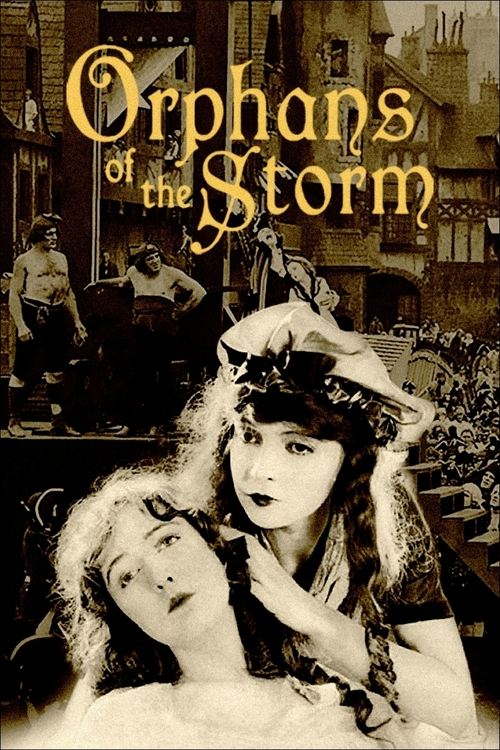
Orphans of the Storm1921
Both films use the French Revolution as a playground for adventure and disguise, but Orphans treats it as a genuine historical catastrophe. Where Scaramouche is a clever man who uses revolution for personal revenge, Orphans is about people swept up by forces larger than themselves.
D.W. Griffith's French Revolution epic with genuine historical scale, real sword-fighting, and sisters separated by chaos. It's more serious than Scaramouche—Gish's performance carries real weight—but the action sequences are thrilling, and the revolution itself is the hero of the story.
But It's relentlessly earnest and tragic. There's no humor, no roguish charm, just suffering and heroism. At over two hours, it's a heavy sit, and the melodrama can feel overwrought compared to Scaramouche's lighter touch.
People
Cast
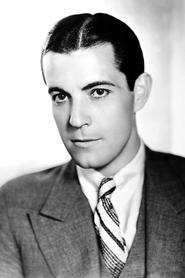 Ramon NovarroAndré-Louis Moreau, alias 'Scaramouche'
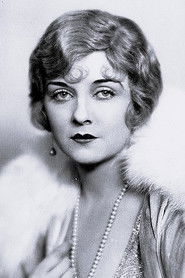 Alice TerryAline de Kercadiou
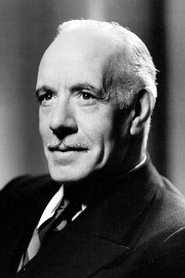 Lewis StoneThe Marquis de la Tour d'Azyr
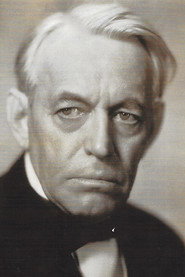 Lloyd IngrahamQuintin de Kercadiou
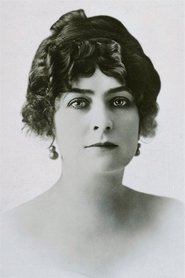 Julia Swayne GordonThe Countess de Plougastel
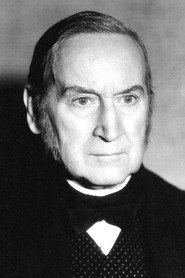 William HumphreyThe Chevalier de Chabrillane
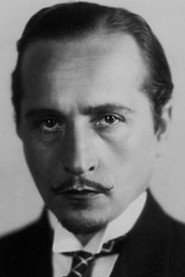 Otto MatiesonPhilippe de Vilmorin
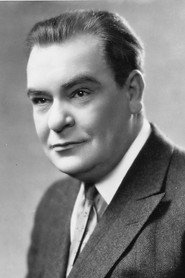 George SiegmannDanton
- Bowditch M. TurnerChapelier
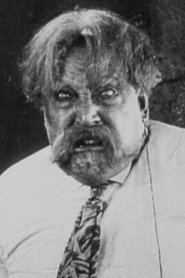 James A. MarcusBinet
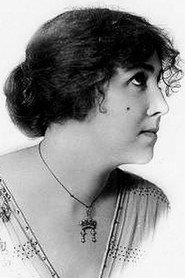 Edith AllenClimène Binet
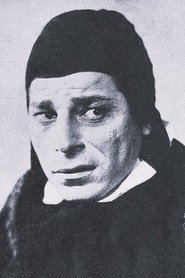 John GeorgePolichinelle
Directing
- Curt RehfeldAssistant Director
- Rex IngramDirector
Writing
- Willis GoldbeckAdaptation
- Willis GoldbeckScenario Writer
- Rafael SabatiniWriter
Production
- Rex IngramProducer
- Curt RehfeldProduction Manager
Recommended by
The Mark of Zorro, The Iron Mask, The Three Musketeers, Don Juan, The Eagle