
Film
Don Juan
John Barrymore's Don Juan is a lavish 1926 silent swashbuckler where seduction and swordplay collide in Renaissance Rome. Barrymore throws himself into the role with theatrical abandon, performing for the camera with the charm of someone who knows exactly how magnetic he is. It's pure spectacle—elaborate sets, daring stunts, romance that builds through glances and gestures. Perfect if you love early cinema's confidence and Barrymore's unashamed theatricality.
If you liked this
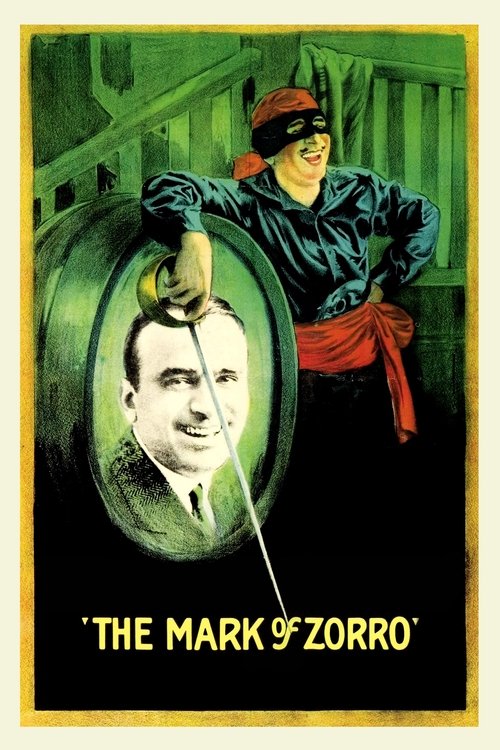
The Mark of Zorro1920
Douglas Fairbanks defined the swashbuckling hero who fights injustice with wit and swordplay. Like Don Juan, it's adventure cinema at its most purely enjoyable—acrobatic, charming, impossible not to watch.
But The pacing is deliberate by modern standards, and the satire can feel broad. If you need plot momentum over spectacle, it drags.
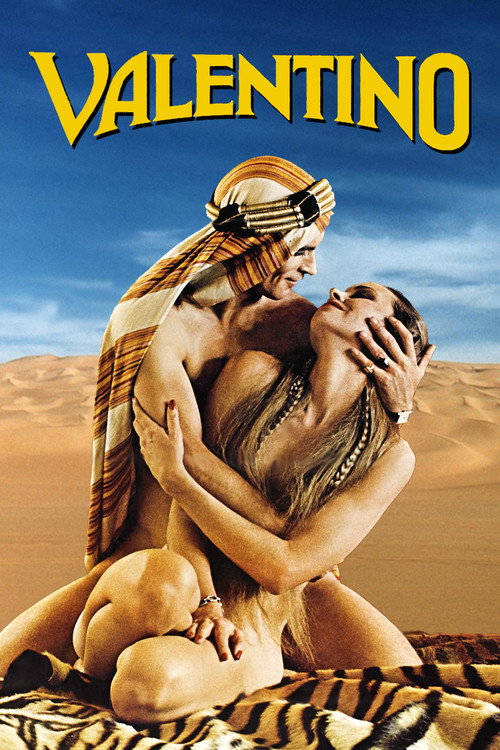
Valentino1977
Ken Russell's biopic of Rudolph Valentino captures the same contradiction: a man whose erotic charisma on screen was inseparable from his carefully constructed image. Both films are obsessed with masculine beauty as power.
But Russell's film is deliberately camp and provocative in ways that might feel like mockery rather than tribute if you're expecting reverence.
The Phantom Carriage1921
Swedish silent masterpiece about sin, redemption, and the weight of past actions. Like Don Juan, it uses supernatural elements and visual virtuosity to explore moral consequence without preaching.
But The pacing is contemplative rather than exciting. It's more interested in mood and dread than in the kind of adventure spectacle that drives Don Juan.

Not sure tonight? Get a pick in a minute, starting from Don Juan
The wildcard
Something you would not have found on your own.
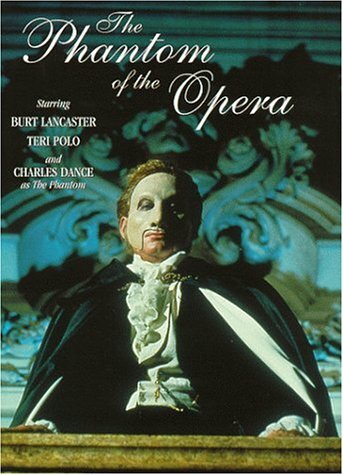
The Phantom of the Opera1990
Both are stories of charismatic men whose seductive power becomes their doom. Both use sumptuous design and performance as the main event. The Phantom literalizes the darkness beneath Don Juan's charm.
Lloyd Webber's musical captures the same Gothic obsession and theatrical grandeur as Don Juan, but through song. The Phantom is Don Juan's shadow self—the seducer who can't accept rejection, whose charm masks violence.
But If you find Broadway melodrama cloying, the unironic passion and costume Gothic will feel overwrought. The pacing is glacial, and the emotional logic is pure fantasy.
More like this (6)
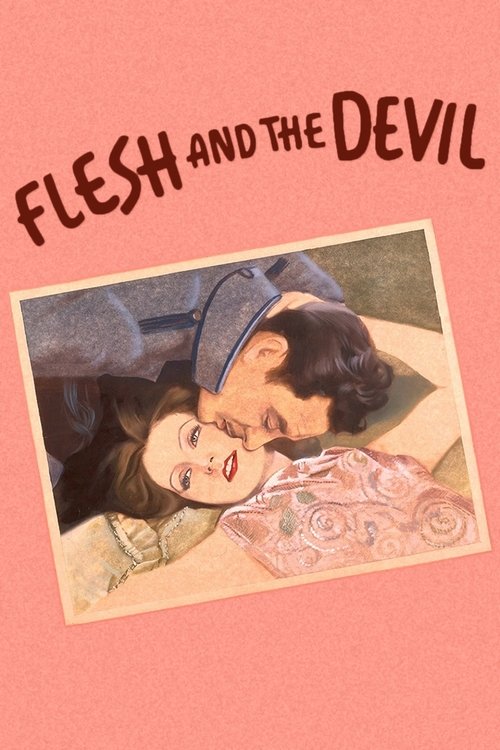
Flesh and the Devil1926
Greta Garbo and John Gilbert in a tale of seduction, betrayal, and obsession set across Europe. Silent cinema at its most erotically charged, with the same emphasis on face and gesture that makes Barrymore's Don Juan hypnotic.
But The melodrama is unironic. If you watch it with modern sensibilities about gender, the female betrayal narrative can feel uncomfortably familiar.
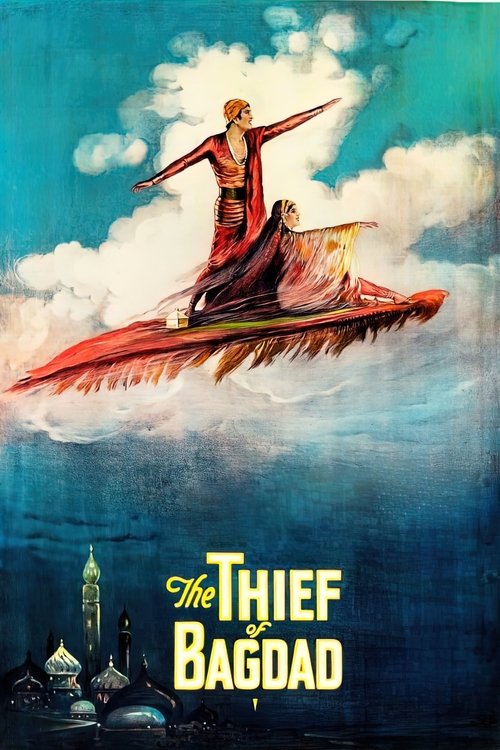
The Thief of Bagdad1924
Douglas Fairbanks in an even more fantastical adventure, with sets and effects that rival Don Juan's opulence. Pure cinema spectacle: acrobatics, magic, impossible architecture, unironic heroism.
But The racial elements are deeply uncomfortable. The plot is thin, and the exoticism feels like a playground for production design rather than storytelling.
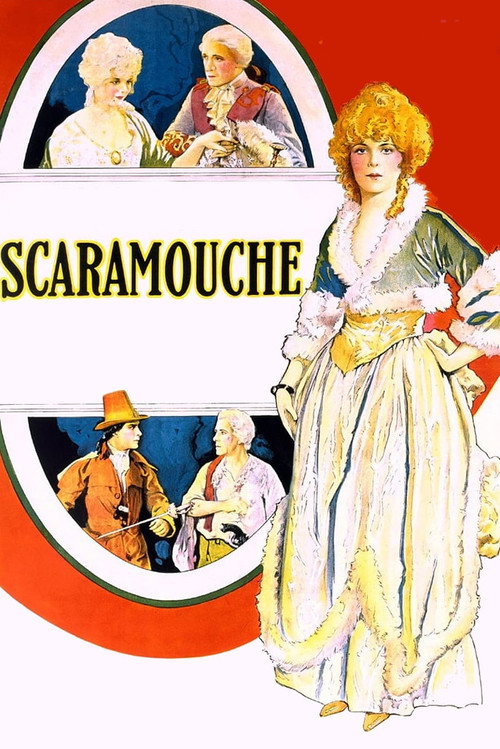
Scaramouche1923
Ramon Novarro as a charismatic rogue navigating the French Revolution with charm and swordplay. The duel sequence is among silent cinema's greatest action scenes, and the tone balances adventure with genuine wit.
But It's long and episodic. The political backdrop feels like decoration, and the ending is sentimental in a way that undercuts the roguish appeal.
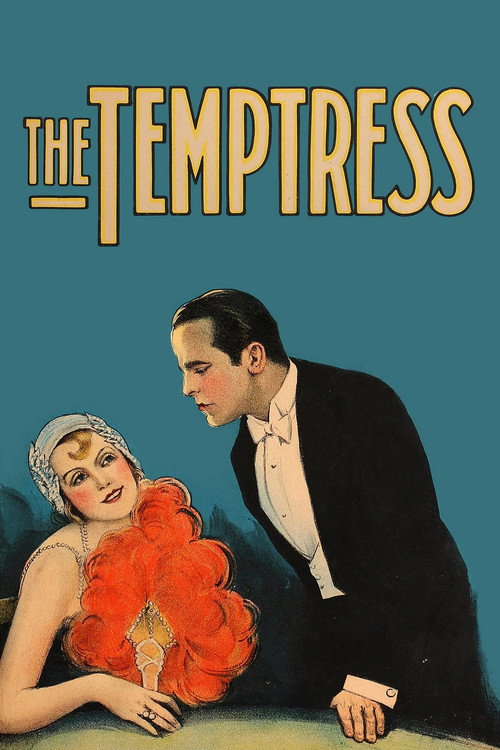
The Temptress1926
Greta Garbo again, this time with Antonio Moreno in a tale of passionate destruction. Made the same year as Don Juan, it shows how Hollywood's most glamorous stars performed desire in the silent era.
But The film is partially lost, and what survives is fragmentary. The plot descends into melodrama in ways that feel unintentionally funny rather than tragic.
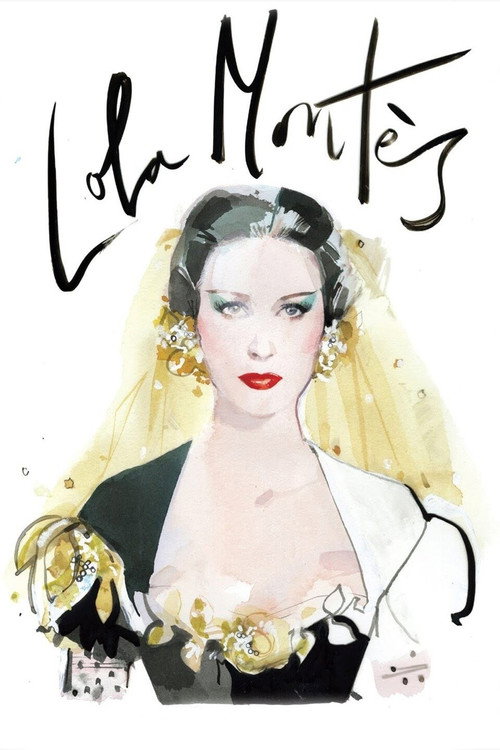
Lola Montès1955
Both centre on a legendary seducer whose sexual power is inseparable from their identity. But Ophüls reveals what Don Juan's narrative hides: the exhaustion, the emptiness, the way charm becomes its own trap.
Max Ophüls' masterpiece tells the life of a real courtesan whose beauty and sexuality made her famous across Europe. It's shot in colour and Cinemascope, visually intoxicating, and utterly unsentimental about the cost of being desired.
But The non-linear structure is disorienting. It's more interested in the performance of desire than in plot, and the ending is deliberately, bleakly matter-of-fact.
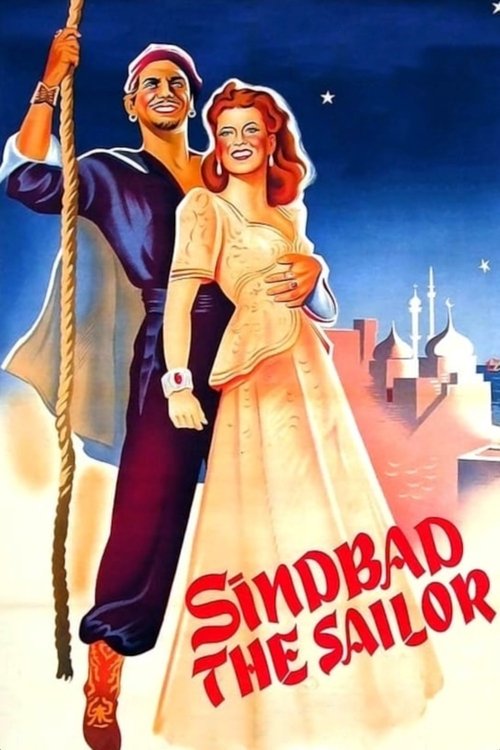
Sinbad the Sailor1947
Both are unapologetic vehicles for a charismatic male star to perform physical prowess and seductive charm. Both were made in eras when that was enough. Sinbad is what Don Juan might be if its hero were permitted to be happy.
Douglas Fairbanks Jr. in Technicolor swashbuckling adventure with the same emphasis on acrobatics, romance, and impossible sets that makes Don Juan visually intoxicating. It's Don Juan relocated to fantasy, where the charm is permitted to succeed.
But The story is negligible. The characterization is nil. If you need emotional investment or meaningful stakes, you're watching the wrong film.
People
Cast
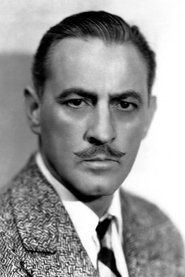 John BarrymoreDon Jose de Marana / Don Juan de Marana
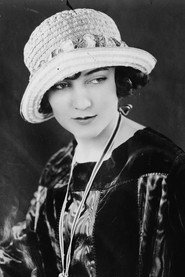 Jane WintonDonna Isobel
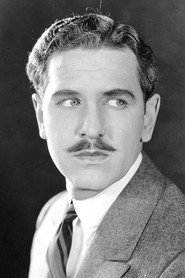 John RocheLeandro
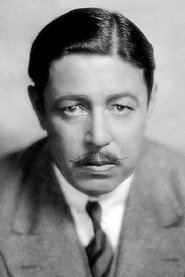 Warner OlandCesare Borgia
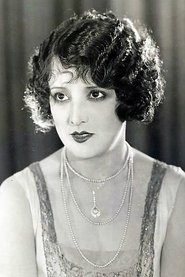 Estelle TaylorLucrezia Borgia
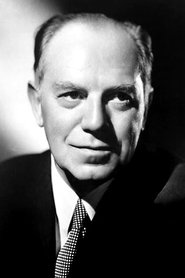 Montagu LoveCount Giano Donati
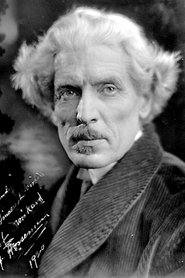 Josef SwickardDuke Della Varnese
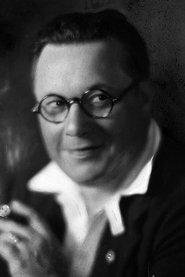 Willard LouisPedrillo
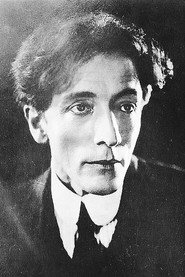 Nigel De BrulierMarchese Rinaldo
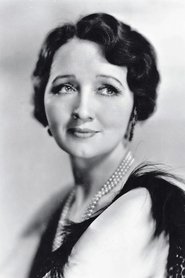 Hedda HopperMarchesia Rinaldo
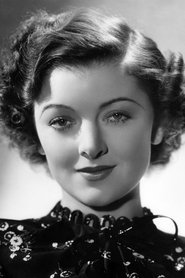 Myrna LoyMai - Lady in Waiting
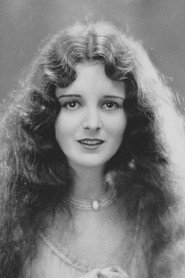 Mary AstorAdriana della Varnese
Directing
- Gordon HollingsheadAssistant Director
- Alan CroslandDirector
Writing
- Bess MeredythScreenplay