
Film
Valentino
Ken Russell's Valentino uses the death of cinema's first male sex symbol to frame a delirious journey through 1920s stardom: Nureyev as Valentino, shot through with Russell's operatic excess, baroque decadence, and genuine melancholy about fame's cost. Sensual, strange, utterly committed to its own mythology.
If you liked this
Singin' in the Rain1952
The most joyful film about Old Hollywood artifice, full of wit and dancing and romance. Shows the industry Russell attacks with genuine affection and sparkle instead.
But If you want grit or disillusionment, this offers neither. It's a celebration, not an exposé.

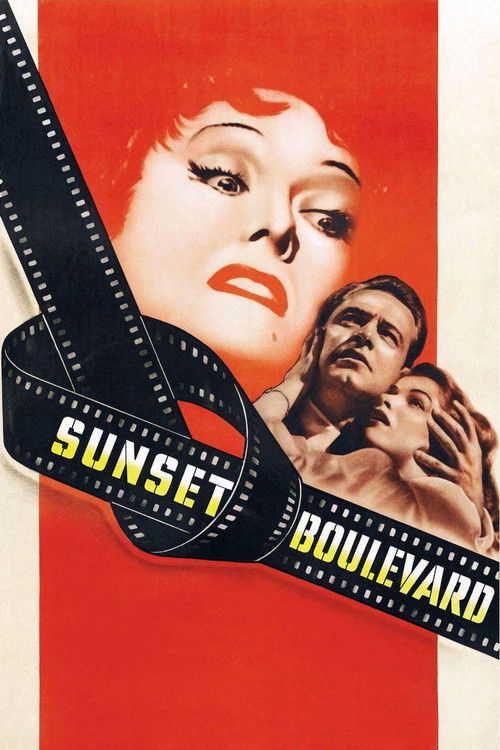
Sunset Boulevard1950
Noir's definitive meditation on Old Hollywood's cruelty and delusion. Gloria Swanson's faded star is the dark mirror to Valentino's meteoric rise. Bitter where Russell is baroque.
But Bleak, claustrophobic, and it stays that way. No redemption, no sparkle, just decay.
The Red Shoes1948
Powell and Pressburger's ballet film about a dancer destroyed by competing obsessions—fame or love. Visual grandeur, cosmic ambition, and real pathos about art consuming the artist.
But Operatic and stylized to the point some find it overwrought. The dance sequences are very long.

Not sure tonight? Get a pick in a minute, starting from Valentino
The wildcard
Something you would not have found on your own.
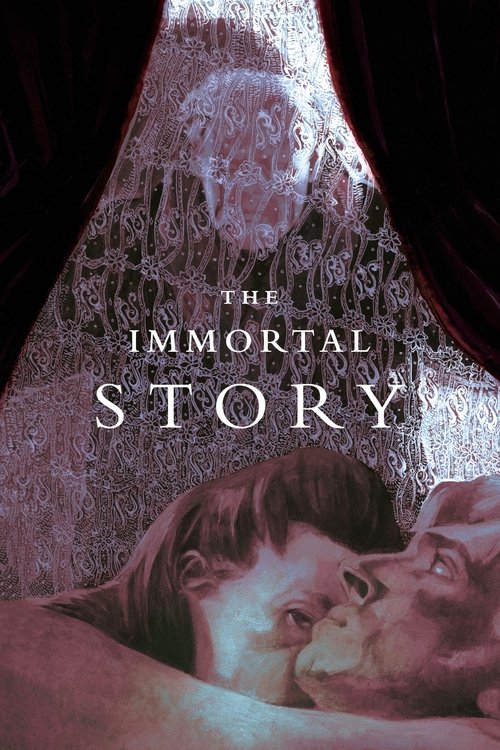
The Immortal Story1968
Both films are obsessed with the gap between the Valentino myth and the man underneath—how performance consumes identity. Both use sumptuous visual excess to explore that distance.
Welles' last fiction film: a wealthy man stages the famous seduction story to see it enacted in the flesh. A meditation on myth, performance, and the hunger to possess beauty by making it real. Thirty-eight minutes of pure cinema.
But Glacially slow, almost abstract. It's a chamber piece about stasis, not action. Some find it precious rather than profound.
More like this (8)
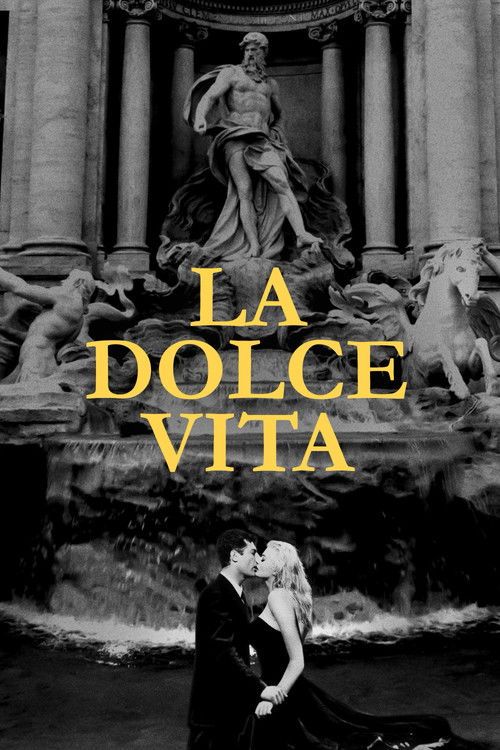
La Dolce Vita1960
Fellini's Rome is Russell's natural habitat. Glamour, scandal, emptiness, beauty—all coexisting. A three-hour fever dream about the corruption of stardom and the people who worship it.
But Glacially paced and refuses to judge its characters. Some find it self-indulgent and remote rather than moving.
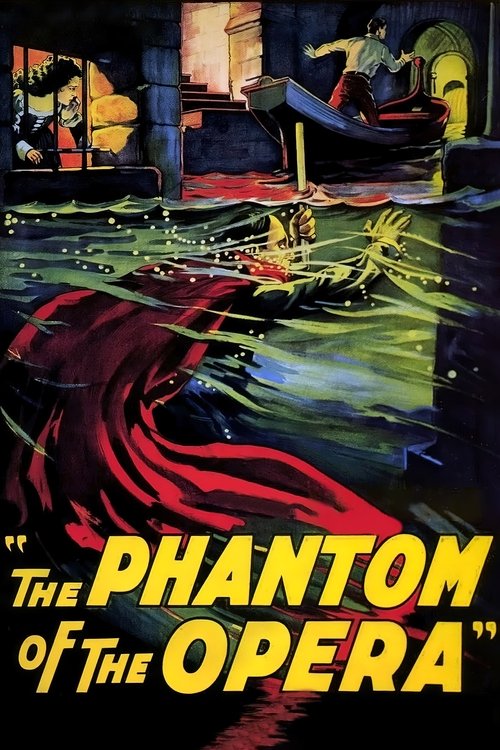
The Phantom of the Opera1925
Lon Chaney's silent masterpiece about obsession, beauty, and performance. The production design and Chaney's absolute commitment to the grotesque predate Russell's excess by decades.
But Silent, which requires active attention. The plot is melodrama, and Chaney's makeup is more grotesque than romantic.
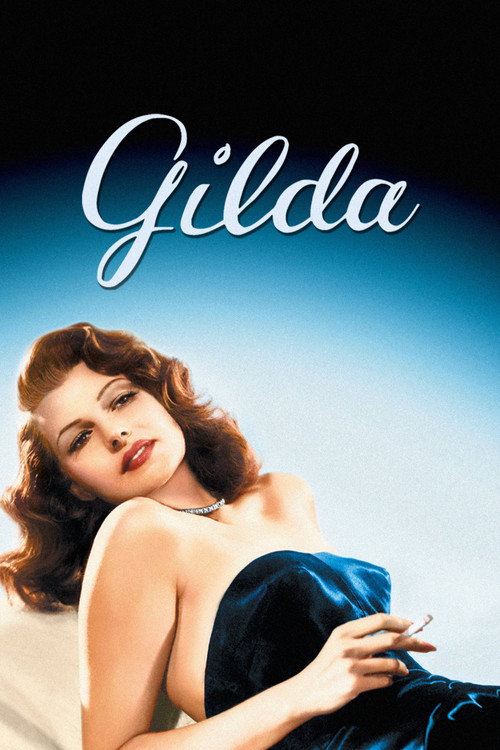
Gilda1946
Rita Hayworth as the ultimate screen siren—glamorous, corrupting, desired by everyone and owned by none. The clothes, the photography, the tease of it all. Pure Old Hollywood sexuality.
But Thin plot. The story stops for musical numbers and glamour shots. If you want narrative momentum, this isn't it.
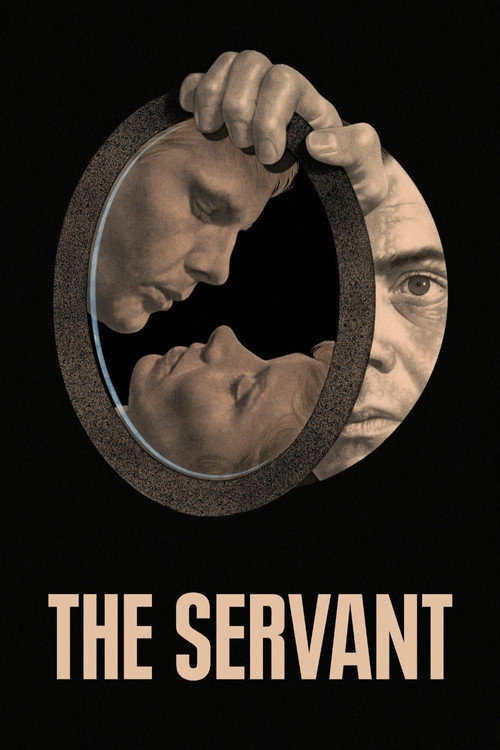
The Servant1963
Pinter and Losey's chamber piece about manipulation, class, and the corruption of beauty. Claustrophobic where Russell is expansive, but the same interest in desire as a power dynamic.
But Slow-burn psychological game. No spectacle, no relief. Can feel airless and punishing.
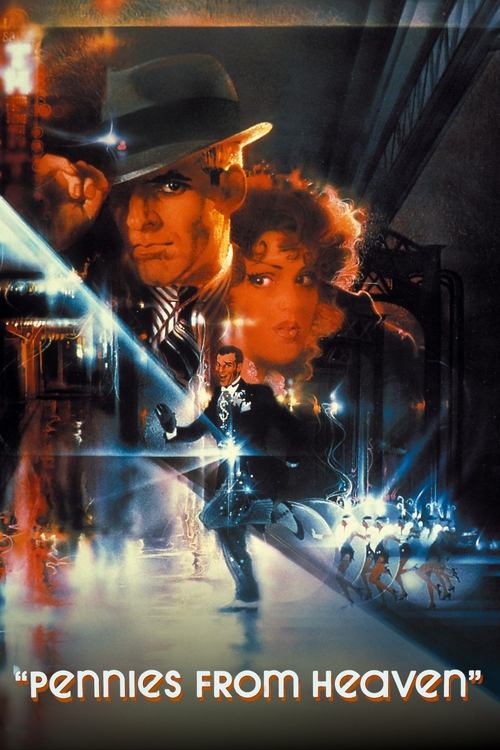
Pennies from Heaven1981
Dennis Potter's miniseries (film cut available) fuses Depression-era grit with fantasy and period song. The collision of brutal reality and dream-logic echoes Russell's approach to the Valentino myth.
But Blends tones sharply—some find it jarring rather than magical. The American film cut is abbreviated and loses structure.
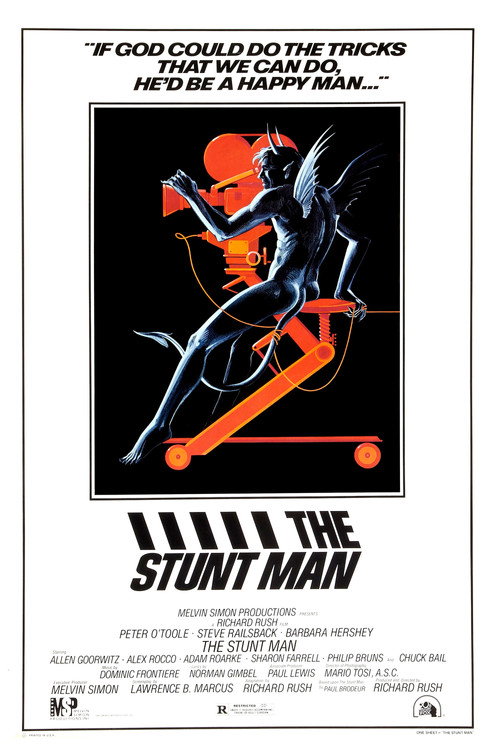
The Stunt Man1980
Peter O'Toole as a director orchestrating reality like a god. A dazzling, paranoid thriller about performance, filmmaking, and the thin line between director and star. Meta before meta was fashionable.
But Intricate plot demands attention. Some find it too clever, more interested in its own ingenuity than genuine emotion.
Pandora's Box1929
Both made by European directors fascinated by how cinema transforms bodies into myth. Both center on a beautiful figure whose eroticism becomes a kind of curse rather than triumph.
G.W. Pabst's silent film: Louise Brooks as Lulu, a woman so beautiful she destroys every man who pursues her. The shadow-side of silent-era glamour and desire. Brooks is mesmerizing; the film moves like a curse.
But Silent film with intertitles. Bleaker than Valentino—no redemption, just inevitable destruction. Feels relentless rather than moving.

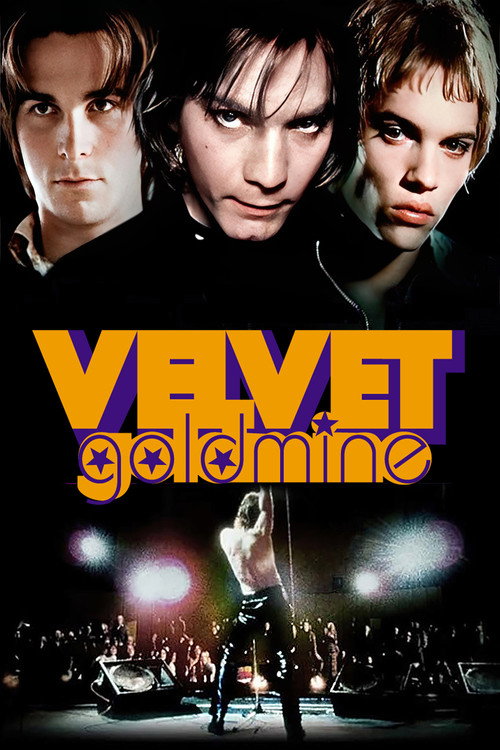
Velvet Goldmine1998
Like Russell's Valentino, it's a biographical collage about a beautiful man who became an icon, told through visual excess and competing testimonies. Both ask: who was the real person beneath the myth?
Todd Haynes' glam-rock mystery about a Ziggy Stardust-like figure (Ewan McGregor) who vanishes. Shot like a fever dream, told in fragments and songs, it's about the seduction of myth and the emptiness beneath the sequins.
But Deliberately fractured narrative. Some find it style over substance—pretty but hollow. The ending resolves little and alienates many.
People
Cast
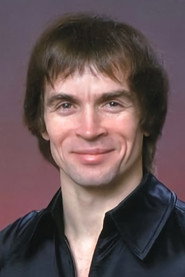 Rudolf NureyevRudolph Valentino
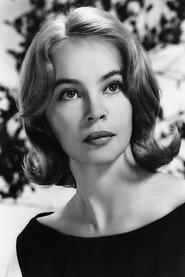 Leslie CaronAlla Nazimova
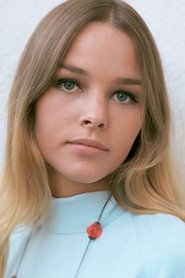 Michelle PhillipsNatasha Rambova
 Carol KaneStarlet
 Felicity KendalJune Mathis
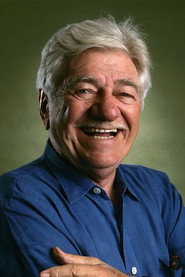 Seymour CasselGeorge Ullman
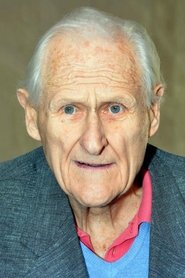 Peter VaughanRory O'Neil
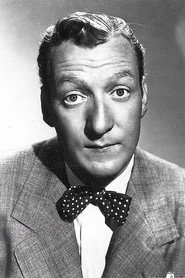 Huntz HallJesse Lasky
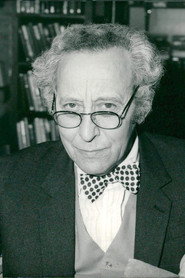 David de KeyserJoseph Schenck
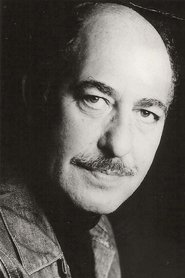 Alfred MarksRichard Rowland
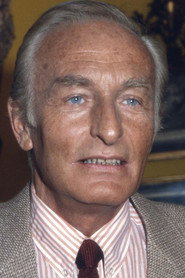 Anton DiffringBaron Long
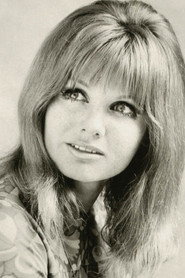 Jennie LindenAgnes Ayres
Directing
- Jonathan BensonAssistant Director
- Zelda BarronContinuity
- Ken RussellDirector
Writing
- Brad SteigerBook
- Chaw MankBook
- Ken RussellScreenplay
- Mardik MartinWriter
Production
- Harry BennAssociate Producer
- Lynn StalmasterCasting
- Maude SpectorCasting
- Richard GreenLocation Manager
- Irwin WinklerProducer
- Robert ChartoffProducer
- Peter PriceProduction Manager
- Philip JenkinsonResearcher