
Film
The Temptress
A 1926 silent melodrama starring Greta Garbo as a magnetic, morally ambiguous woman who upends the lives of men around her. It's pure cinema of desire and consequence—movement, shadow, and expression doing the heavy lifting that dialogue would later claim. For anyone curious about silent film's psychological depth or Garbo's hypnotic presence.
Should you watch it?
Watch it if you love silent-era melodrama where a single actress's glance and pause carry the whole plot, and you don't mind lush, operatic passion played completely straight.
Skip it if you need modern pacing, since this unhurried silent picture lingers on glances and staged longing, and its melodrama can feel stagey.
What it asks of you: Settle in for a near two-hour stretch, with much of the storytelling carried by faces, intertitles and slow-burning looks rather than dialogue.
Not sure? Find tonight's pick in a minute.
If you liked this
Sunrise: A Song of Two Humans1927
A masterpiece of silent cinema about temptation and moral reckoning. Like *The Temptress*, it treats seduction not as plot but as visual and emotional catastrophe. Utterly gripping without a word spoken.
But Very long, very slow by modern standards. The emotional register is relentlessly dark and serious; there's no release.

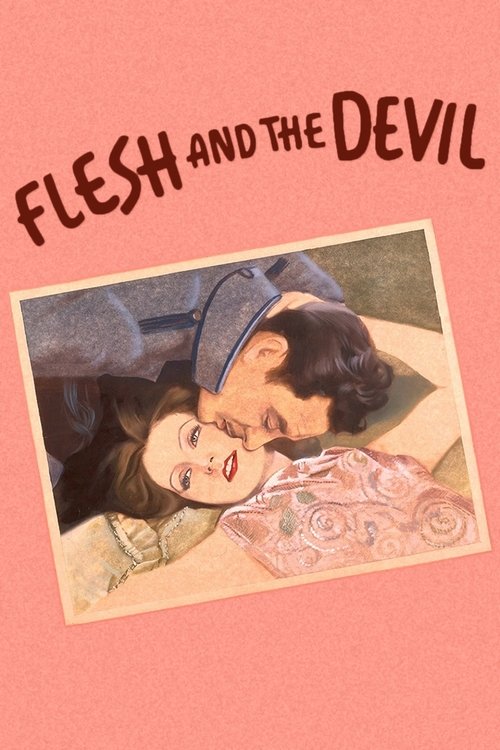
Flesh and the Devil1926
Garbo again, with John Gilbert, in a film about forbidden desire and betrayal that matches *The Temptress* in its visual sophistication and moral complexity. The chemistry is legendary.
But Garbo and Gilbert's off-screen drama overshadows the film for some. Also silent, also melodramatic—if you didn't connect with *The Temptress*, this won't convert you.
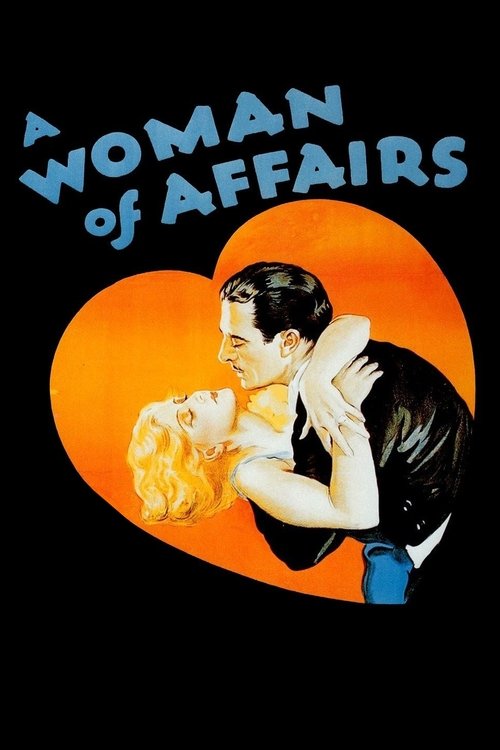
A Woman of Affairs1928
Silent-era melodrama about a woman destroyed by scandal and desire. The emotional intensity and visual storytelling feel like *The Temptress*' close cousin, with slightly better narrative coherence.
But Another tale of moral ruin and consequences. The worldview is deeply pessimistic about female desire, which can feel bleak.
Not sure tonight? Get a pick in a minute, starting from The Temptress
The wildcard
Something you would not have found on your own.
Pandora's Box1929
Both films locate the tragedy not in the woman's actions but in the male vulnerability she exposes. Desire as inevitability rather than choice.
A German Expressionist masterpiece about a woman whose mere existence draws men to destruction. Like *The Temptress*, it's about desire as a force beyond morality, but filtered through an entirely different visual and philosophical language—rawer, stranger, more sexual. Louise Brooks is unforgettable.
But German Expressionism is an acquired taste: distorted sets, extreme angles, a sense of psychological unease. The attitude toward female sexuality is complex and won't feel modern or comfortable.

More like this (6)
The Last Command1928
Emil Jannings in a visually sumptuous drama about a man undone by forces beyond his control. Like *The Temptress*, it's about the machinery of seduction and the wreckage it leaves. Superb cinematography.
But Slower pacing than you might expect. The plot is thin and mostly serves to showcase atmosphere and performance.

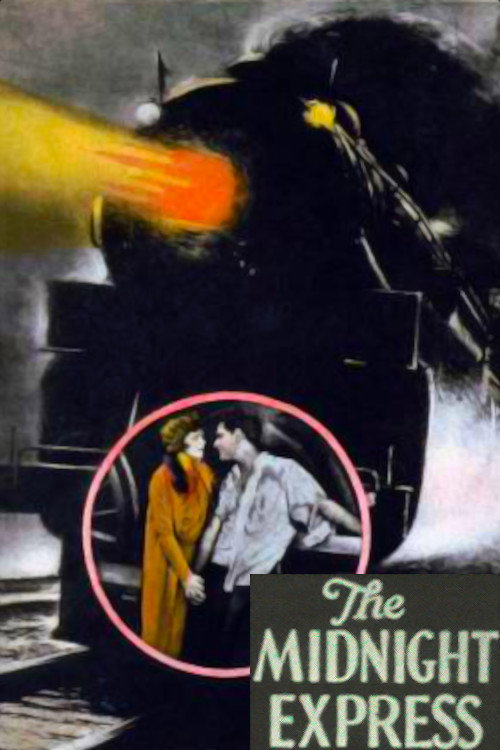
The Midnight Express1924
A melodrama about a woman whose deceptions catch up with her, with the visual sophistication and emotional weight of *The Temptress*. Sharp and surprisingly modern in its moral ambiguity.
But The print quality varies. Also, it's genuinely sad—there's no triumph here, only consequence.
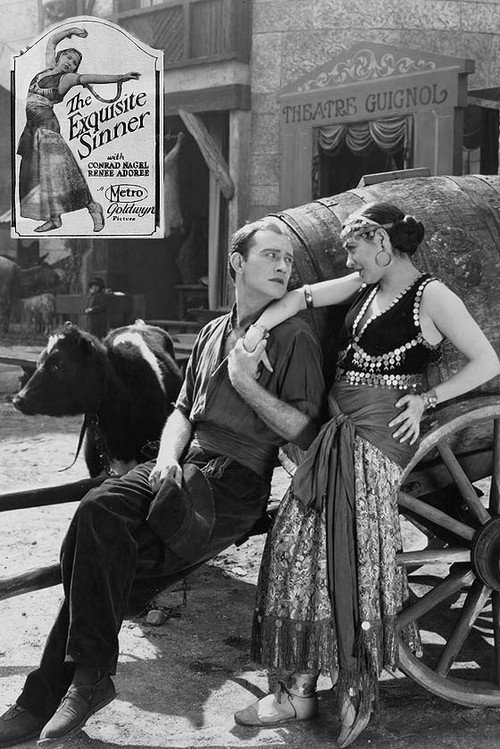
The Exquisite Sinner1926
A contemporary of *The Temptress* about passion overriding reason. The visual language of temptation and ruin will feel very familiar, and it's tighter narratively.
But Lesser known and harder to find. The melodrama can feel overwrought to modern sensibilities.
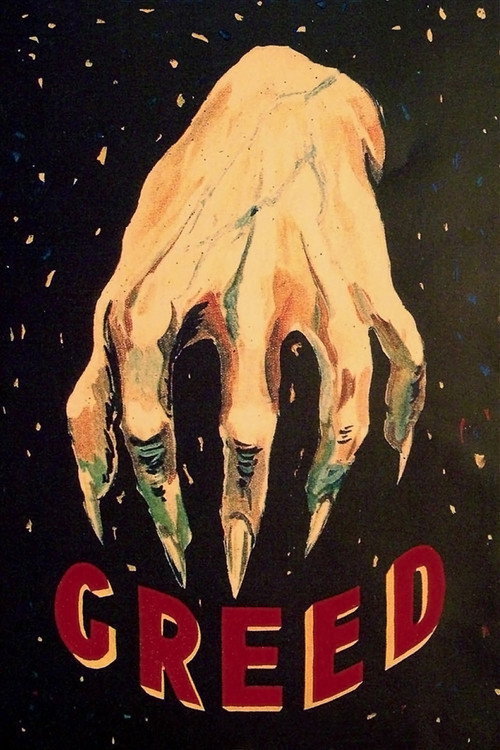
Greed1924
Erich von Stroheim's masterpiece about human weakness and desire destroying people from the inside. The visual storytelling and emotional depth match *The Temptress*, and it's even more ambitious.
But Famously long (originally nine hours; most versions are shorter). Punishingly bleak. If you found *The Temptress* depressing, this will flatten you.
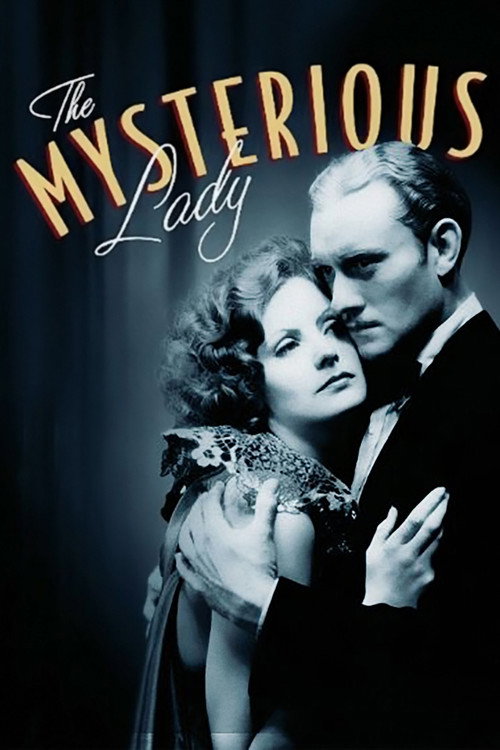
The Mysterious Lady1928
Garbo as a spy whose deceptions and attractions entangle a soldier. It has the same focus on female mystique and masculine vulnerability, with better pacing than *The Temptress*.
But Espionage plot is thin and sometimes confusing. More reliant on star charisma than story, which doesn't always compensate.
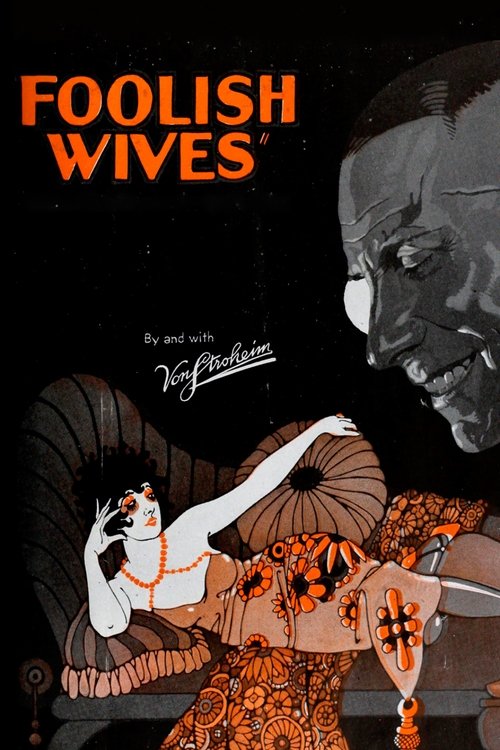
Foolish Wives1922
Both films are structured around a magnetic woman moving through a male world, but where *The Temptress* is tragic, *Foolish Wives* is cynical—almost satirical. Same engine, opposite tone.
Stroheim's earlier film about a con woman seducing wealthy men on the Riviera. It's *The Temptress* from the opposite angle—told with savage wit and nearly three hours of visual detail. A document of seduction as performance and con.
But Extremely long, intentionally digressive, and shot through with misogyny (Stroheim's, embedded in the story). Some will find it brilliant, others exhausting or offensive.
People
Cast
 Greta GarboElena
 Antonio MorenoManuel Robledo
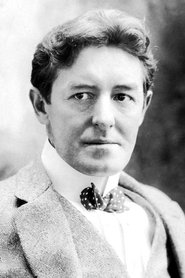 Marc McDermottM. Fontenoy
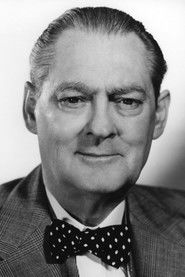 Lionel BarrymoreCanterac
 Armand KalizMarquis de Torre Bianca
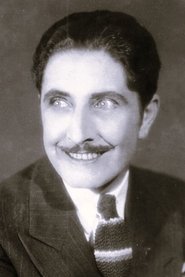 Roy D'ArcyManos Duras
 Robert AndersonPirovani
 Francis McDonaldTimoteo
 Hector V. SarnoRojas
 Virginia Brown FaireCelinda
 Constantine RomanoffDuras Henchman (uncredited)
Directing
- H. Bruce HumberstoneAssistant Director
- Mauritz StillerCo-Director
- Fred NibloDirector
Writing
- Dorothy FarnumScenario Writer
Production
- Irving ThalbergProducer