
Film
A Fool There Was
Theda Bara's 1915 masterpiece that invented the vampire archetype—a seductive, predatory woman who destroys men through desire. Silent cinema at its most theatrical and morally urgent, a gothic melodrama that made Bara a star and gave the world an icon. It's lurid, deliberate, and utterly absorbed in the wages of temptation.
Should you watch it?
Watch it if you enjoy silent-era melodrama played as stylized, deliberately theatrical moral parable, where the performance and the wardrobe of temptation carry more weight than realism.
Skip it if you need naturalistic acting, modern pacing or subtle psychology; this is stage-bound staging and blunt moralizing from an era that spoke in broad gestures, so expect a creaky ride.
What it asks of you: Sixty-seven minutes, silent, and fully committed to its big gestures; it wants you to accept the old-style stylization and watch closely rather than hunting for realism.
Not sure? Find tonight's pick in a minute.
If you liked this
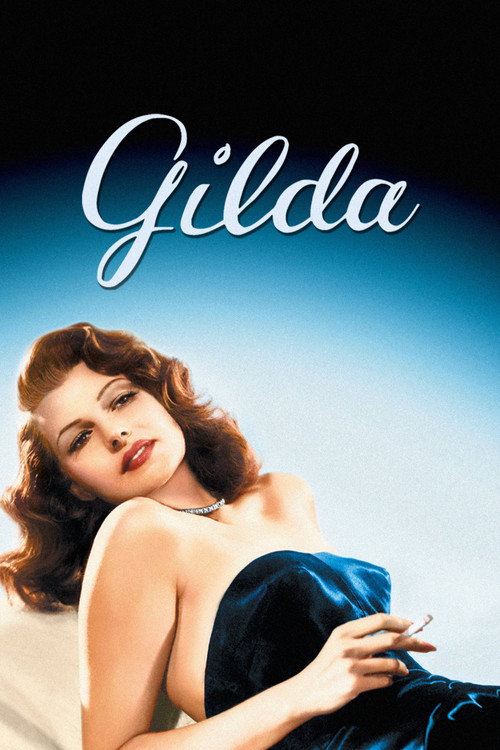
Gilda1946
Rita Hayworth as the ultimate femme fatale—glamorous, dangerous, and utterly in control. Postwar noir that channels the same sexual threat and moral panic, but with Technicolor and a jazz score. A direct spiritual descendant.
But The plot is thin and the misogyny audible. Watching a woman punished for her sexuality wears differently now, and not in a good way.
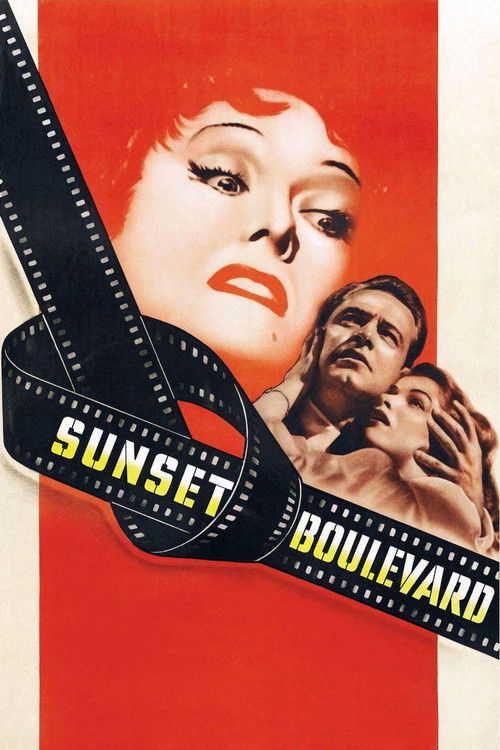
Sunset Boulevard1950
Billy Wilder's Hollywood gothic about parasitic desire and moral corruption. Gloria Swanson as Norma Desmond is cinema's other great vampire—not seductive but commanding, draining the protagonist of will and money. Equally stylized, equally dark.
But It's cynical in a way that can feel exhausting. The tragedy is in the worldview, not just the story.
Pandora's Box1929
Louise Brooks as Lulu, another seductive destroyer, but German Expressionism makes it visual poetry. Georg Wilhelm Pabst captures the same dangerous allure and the same doom, but with shadow and geometry instead of performance.
But It's slower than you expect and the print quality can vary wildly. The pacing assumes you're watching for mood, not plot momentum.

Not sure tonight? Get a pick in a minute, starting from A Fool There Was
The wildcard
Something you would not have found on your own.
Nosferatu1922
Both use the word 'vampire' for a figure who destroys through intimate contact. Murnau made it literal and made it a masterpiece. Bara made it metaphorical and made it unforgettable. They're the same myth in two registers.
F.W. Murnau's vampire is literally a creature of death, but the structure is identical: arrival, seduction, destruction, doom. The visual language is German Expressionism at its peak—shadows and angles that make desire look like disease. It literalizes what Bara does metaphorically.
But It's slow and the restoration varies. You're watching for atmosphere and meaning, not plot.

More like this (6)
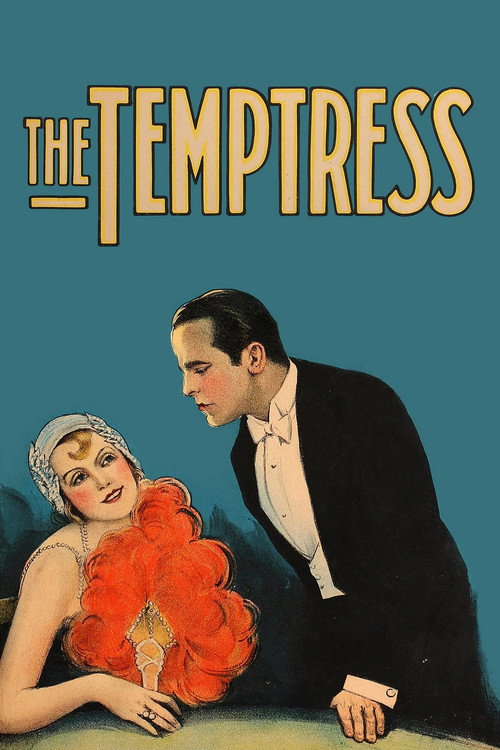
The Temptress1926
Greta Garbo—Bara's great rival—in a story of seduction and ruin with almost identical plot beats. Both women became stars partly by playing this archetype. Watching them back-to-back is a masterclass in different approaches to the same mythology.
But Garbo's performance is subtler, which means less immediately satisfying if you're drawn to Bara's raw theatricality. The film itself is less visually inventive.
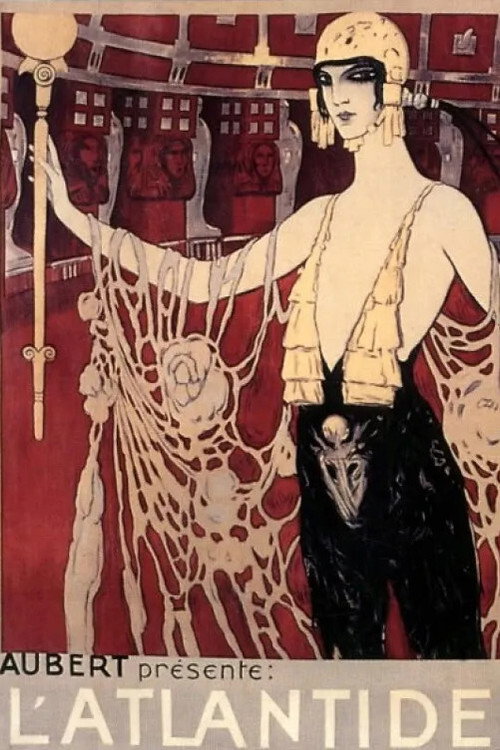
L'Atlantide1921
A French fantasia about a siren queen who lures men to their doom in a hidden city. It has the same dream logic and predatory sexuality, rendered in elaborate sets and soft-focus photography. Exotic where Bara is urban.
But It's difficult to see in good condition, and the pacing is genuinely slack by modern standards. Patience required.
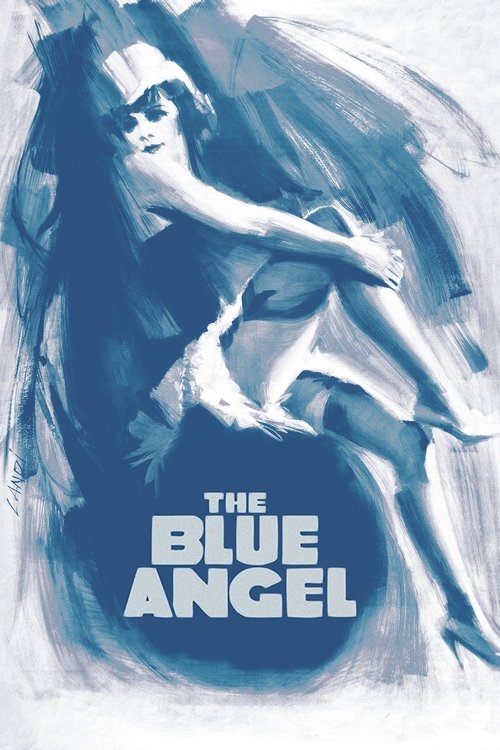
The Blue Angel1930
Marlene Dietrich as Lola, the cabaret singer who destroys an austere professor. Sound film, so you get the musical and vocal component of seduction. It's the vampire archetype with a voice and a cigarette.
But The camera is unkind to the male lead, and the film is willing to be deeply miserable. It's not entertainment in the way Bara's film is.
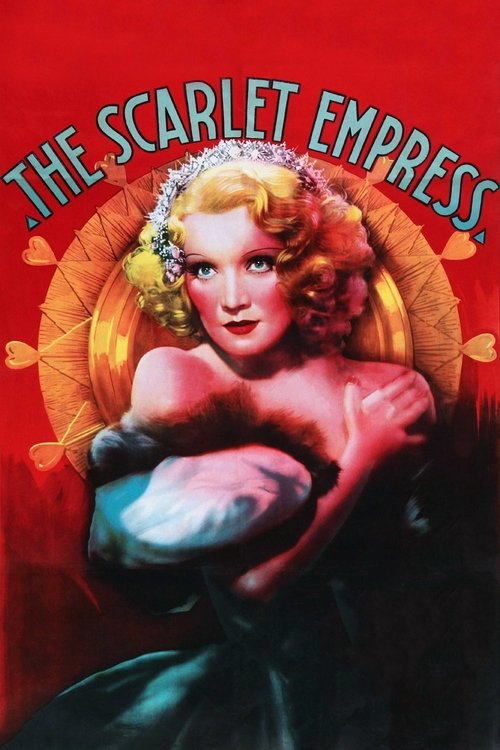
The Scarlet Empress1934
Marlene Dietrich again, but directed by Josef von Sternberg as pure visual delirium—sets so baroque they threaten to collapse under their own weight. The seductress as architect of her own power rather than agent of destruction. It's Bara's world remade as gorgeous fever dream.
But The narrative coherence takes a back seat to style. Some viewers find Sternberg's approach so mannered it becomes unintentionally funny.
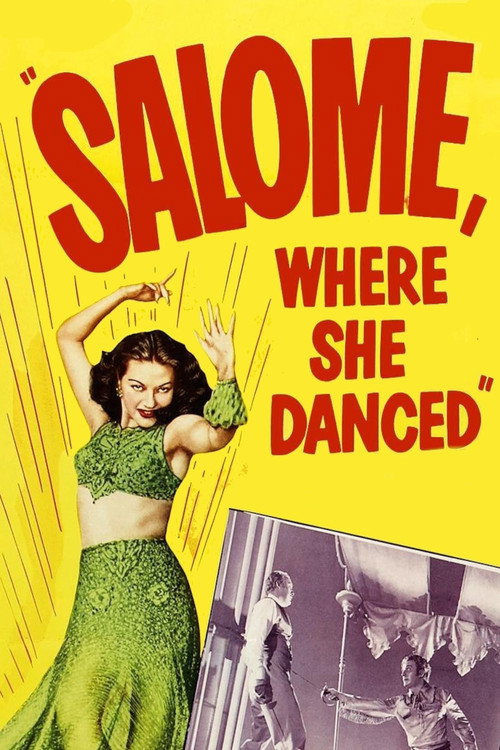
Salome, Where She Danced1945
Same seductress archetype, same moral questions about women and power, but treated with winking knowingness instead of fevered earnestness. It's what happens when cinema stops believing in the myth and starts enjoying it.
Yvonne De Carlo as Salome—Bara's archetype remade for postwar Technicolor as technicolor adventure, with Viennese waltzes and battlefield intrigue. It's campy and gorgeous and utterly convinced of its own importance. Pure pleasure.
But The seriousness is unearned and the history is nonsense. If you need the film to know what it is, this will drive you mad.
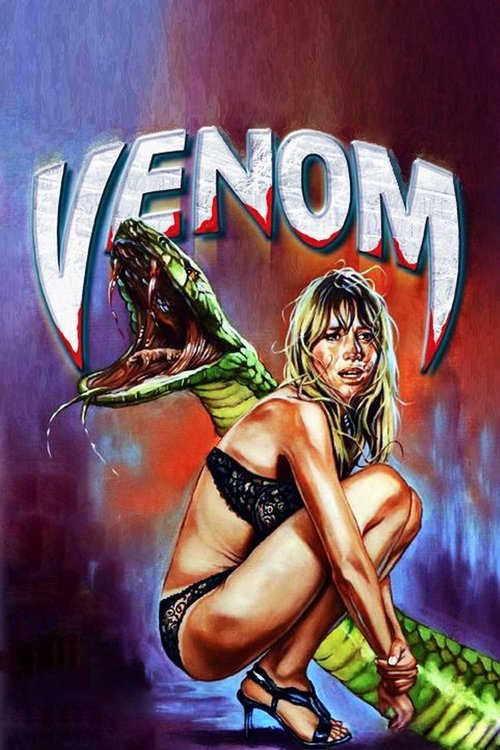
Venom1981
Both are about the danger of attractive charisma with no moral anchor. Kinski-as-villain and Bara-as-Vampire are functionally the same thing: beauty as toxin, seduction as predation. One is 1915 melodrama, the other is 1981 B-movie, but the fear they're tapping is identical.
Klaus Kinski in a hostage thriller about a black mamba loose in a townhouse, but Kinski's charisma—his quiet predatory sexuality—is the real venom. He moves through the film like Bara moved through hers: hypnotic, amoral, impossible to look away from. A creature that destroys by existing.
But It's a B-movie and it looks it. The serpent is obviously a prop and the logic of the plot doesn't hold up. It's not trying to be important, which some viewers resent.
People
Cast
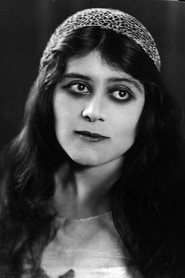 Theda BaraThe Vampire
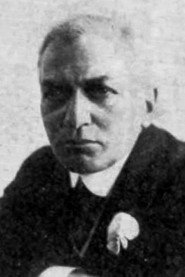 Edward JoséJohn Schuyler
- Mabel FrenyearJohn Schuyler's Wife
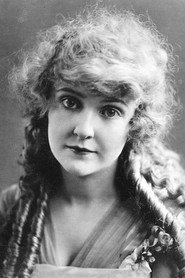 May AllisonThe Wife's Sister
- Runa HodgesSchuyler Child
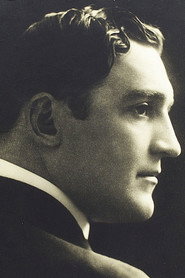 Clifford BruceThe Friend
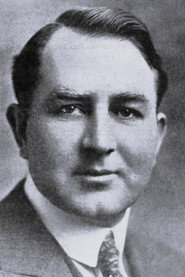 Frank PowellThe Doctor
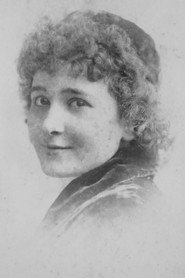 Minna GaleThe Doctor's Fiancee
- Victor BenoitOne of the Vamp's Victims
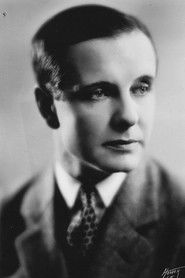 Creighton HaleYoung Man at Wild Party (uncredited)
Directing
- Frank PowellDirector
Writing
- Frank PowellScenario Writer
- Roy L. McCardellScenario Writer
- Rudyard KiplingStory
- Porter Emerson BrowneWriter
Production
- Frank PowellProducer
- William FoxProducer