
Film
L'Atlantide
A 1921 French silent film where two soldiers discover the hidden kingdom of Atlantis beneath the Sahara, ruled by the enigmatic Queen Antinea. Visually sumptuous and dreamlike, it's an early adventure fantasy that blends exotic romance with mythological ambition. For lovers of silent cinema and fantastical world-building.
Should you watch it?
Watch it if you love silent-era spectacle, with sand-swept desert vistas and a dreamlike, slightly eerie mood, and you don't mind the story unfolding through images more than dialogue.
Skip it if you need quick pacing or spoken dialogue, since this runs nearly three hours without it and its drama drifts like dunes.
What it asks of you: Settle in for almost three hours of unhurried silent storytelling, where the title cards carry the plot and long stretches linger on faces and landscapes.
Not sure? Find tonight's pick in a minute.
If you liked this
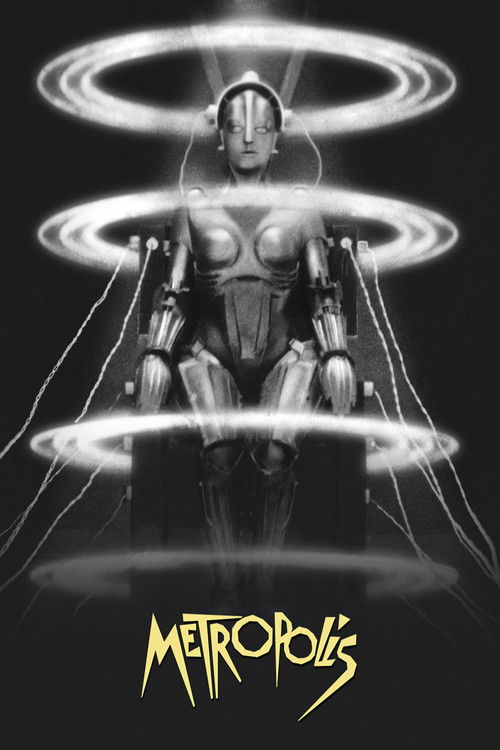
Metropolis1927
Fritz Lang's masterpiece of futuristic spectacle shares L'Atlantide's ambition to build entire worlds through set design and special effects. A vision of the future as grandiose and otherworldly as an ancient lost kingdom.
But At over two hours, it demands patience, and the print quality can vary. The pacing is deliberate in ways modern audiences find challenging.
The Phantom Carriage1921
Swedish silent from the same year, equally haunting and atmospheric. Ysabella Mansfield's direction creates a supernatural mood that rivals L'Atlantide's dreamlike quality without relying on exotic locations.
But The story is bleak and moralistic in ways that can feel heavy-handed. Silent film acting conventions will seem mannered if you're unfamiliar with the form.

Intolerance: Love's Struggle Throughout the Ages1916
D.W. Griffith's sprawling epic similarly constructs multiple worlds and timescales with breathtaking ambition. The sheer scope and visual invention feel related to what L'Atlantide is attempting.
But It's nearly four hours long and makes considerable narrative demands. The film's problematic racial politics are unavoidable and difficult.

Not sure tonight? Get a pick in a minute, starting from L'Atlantide
The wildcard
Something you would not have found on your own.
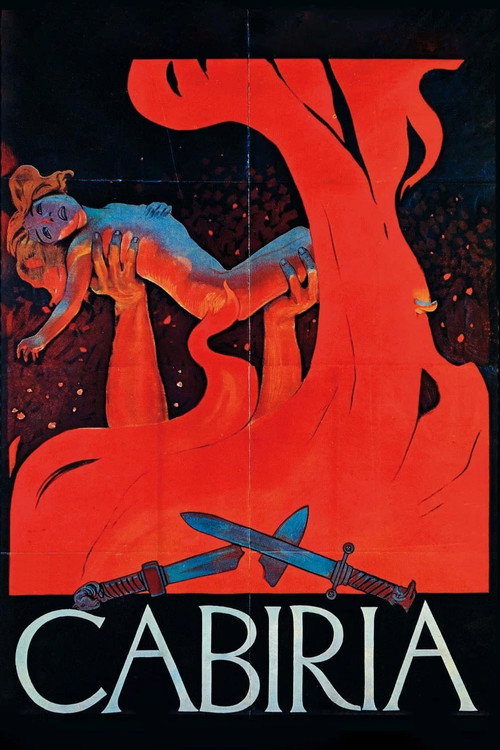
Cabiria1914
Both are European adventure fantasies that prioritize spectacular production design and architectural grandeur over plot. Cabiria is the template; L'Atlantide is the variation.
Giovanni Pastrone's Italian epic is the direct ancestor of what L'Atlantide is trying to do—vast historical world-building, exotic locations, impossible logistics brought to the screen. If you want to understand where this film came from, start here.
But It's even longer and more dramatically static than L'Atlantide. The acting style is even more theatrical and the pacing tests modern patience.
More like this (7)
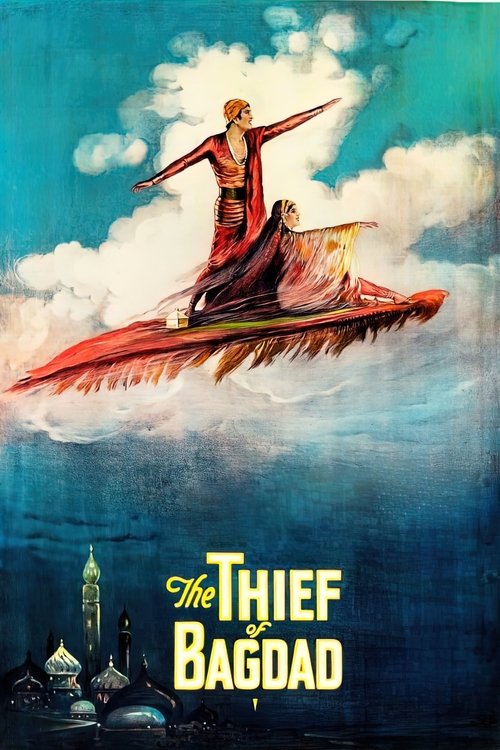
The Thief of Bagdad1924
Douglas Fairbanks in a fantasy adventure filled with impossible magic and exotic sets. Shares L'Atlantide's belief that cinema should transport you somewhere genuinely other.
But The fantastical elements occasionally look crude by modern standards. The romantic subplot can feel lightweight compared to the spectacle.
Nosferatu1922
German Expressionist horror contemporary with L'Atlantide, equally invested in atmosphere and the uncanny. Both films understand that silent cinema's strength lies in visual suggestion rather than exposition.
But It's much darker and more focused on dread than adventure. If you want escapism rather than creeping unease, this won't satisfy.

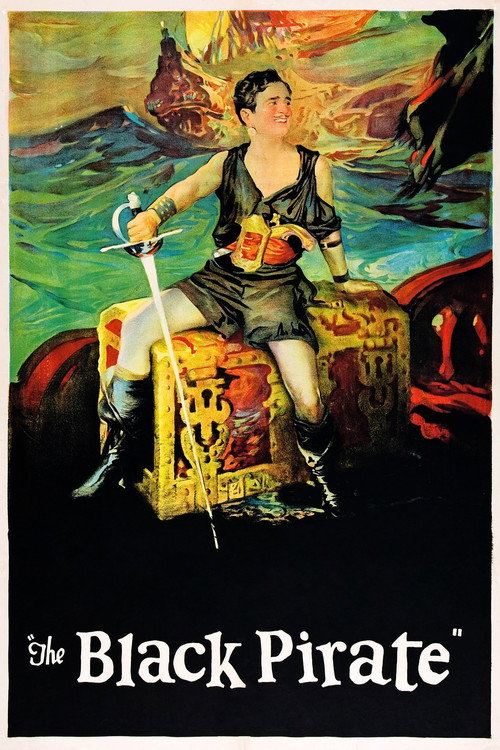
The Black Pirate1926
Fairbanks again, in full swashbuckling mode. The adventure DNA is similar, and the technical innovation—two-color Technicolor—marks it as forward-thinking as L'Atlantide's ambitions.
But The plot is thin and the action is the point. If you're watching for character or dialogue, you'll be disappointed.
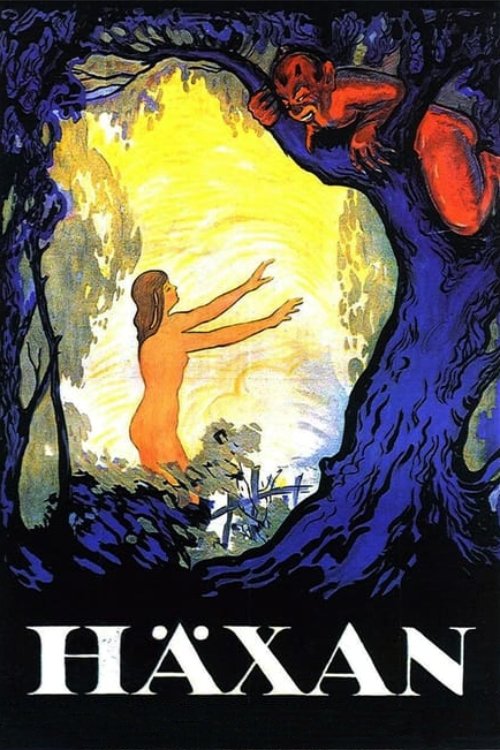
Häxan1922
Benjamin Christensen's visceral exploration of witchcraft mythology uses fantastical imagery and practical effects with surreal power. A film equally uninterested in naturalism.
But It's genuinely unsettling and grotesque in places. The tone shifts between documentary and nightmare can be jarring.
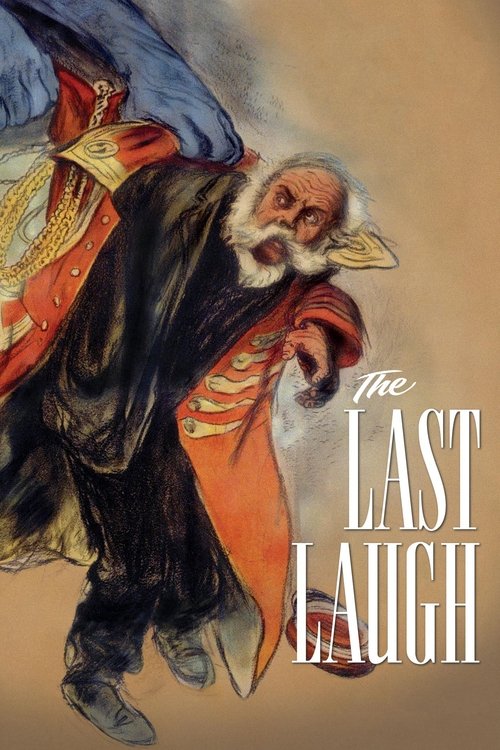
The Last Laugh1924
F.W. Murnau's technical mastery—mobile camera, lighting, composition—shows what silent cinema could achieve. A different kind of spectacle, but equally inventive.
But It's a small, intimate story about a hotel porter, not an adventure. The emotional realism may feel like a comedown after L'Atlantide's exoticism.
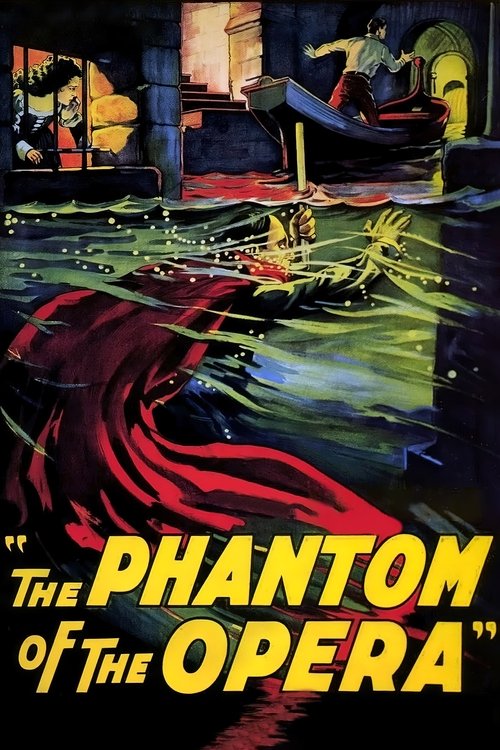
The Phantom of the Opera1925
Lon Chaney's performance and the Gothic production design create atmosphere through visual means alone. The Masquerade Ball sequence rivals anything in L'Atlantide for visual grandeur.
But The romantic melodrama is melodramatic in ways that haven't aged gracefully. Chaney's makeup, iconic as it is, can look dated.
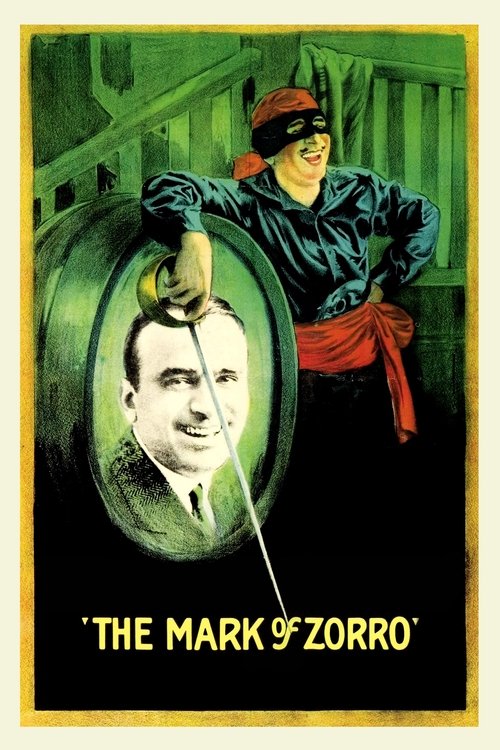
The Mark of Zorro1920
Both are 1920s silent adventures about men enchanted by powerful women and exotic worlds, but Zorro is anchored in character and romance where L'Atlantide is lost in spectacle. They represent opposing philosophies of what cinema adventure could be.
Douglas Fairbanks as a Spanish nobleman leading a double life, with swordplay, romance, and genuine wit in the intertitles. It's adventure cinema that knows it's entertainment and never apologizes for the fun of it.
But It prioritizes charm and humor over spectacle. If you want L'Atlantide's visual grandeur, this is smaller and more domestic in scale.
People
Cast
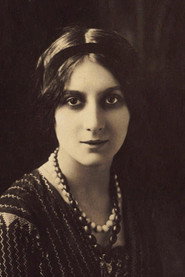 Stacia NapierkowskaQueen Antinea
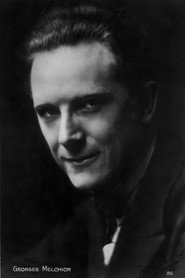 Georges MelchiorLt. de Saint-Avit
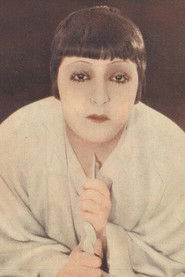 Marie-Louise IribeTanib-Zerga
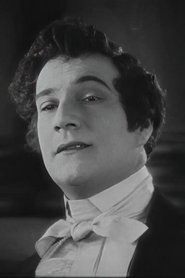 Jean AngeloCapt. Morhange
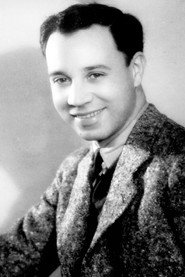
- Abd-el-Kader Ben AliCegheir ben Cheik
- Mohamed Ben NouiGuide Bou-Djema
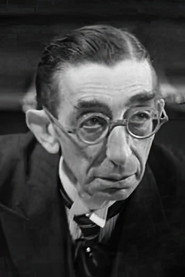 Paul FranceschiArchivist
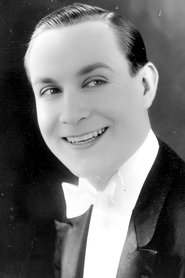 André RoanneSegheïr ben Cheïkh
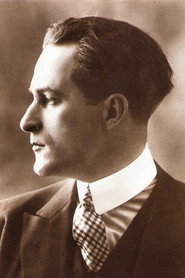 Genica MissirioCapt. Aymard
- René LorsayLt. Olivier Ferrières
Directing
- Jacques FeyderDirector
Writing
- Pierre BenoîtNovel
- Jacques FeyderWriter
Production
- Louis AubertProducer
Recommended by
Mysterious Island, She, A Fool There Was, The Black Swan, Flash Gordon Conquers the Universe, Carmen, She, The Last of the Mohicans, The Winding Stair, Captain from Castile, The Fight for the Matterhorn