
Film
Flash Gordon Conquers the Universe
A 1940 serial in twelve episodes, following Flash Gordon's return to planet Mongo to stop Ming the Merciless from spreading a plague across Earth. It's crackling fun: camp, ingenious on a shoestring budget, and earnest in a way that makes the cardboard sets and rubber monsters charming rather than embarrassing. For anyone who loves retro sci-fi or wants to see where modern space adventure learned its moves.
Should you watch it?
Watch it if you love serial-era pulp adventure played straight, with rocket ships, ray guns, cliffhangers and a villain who relishes every line, the sort of thing that rewards a viewer who enjoys its creaky wonder rather than its polish.
Skip it if you need tight pacing or modern effects, since this runs close to three and a half hours and was stitched together from a serial, so the episodes can feel repetitive and the sets look very much of their 1940 moment.
What it asks of you: It asks for patience with a long, chapter-based shape, with repeated escapes and recaps, and a willingness to take its earnest, breathless melodrama at face value rather than winking along.
Not sure? Find tonight's pick in a minute.
If you liked this
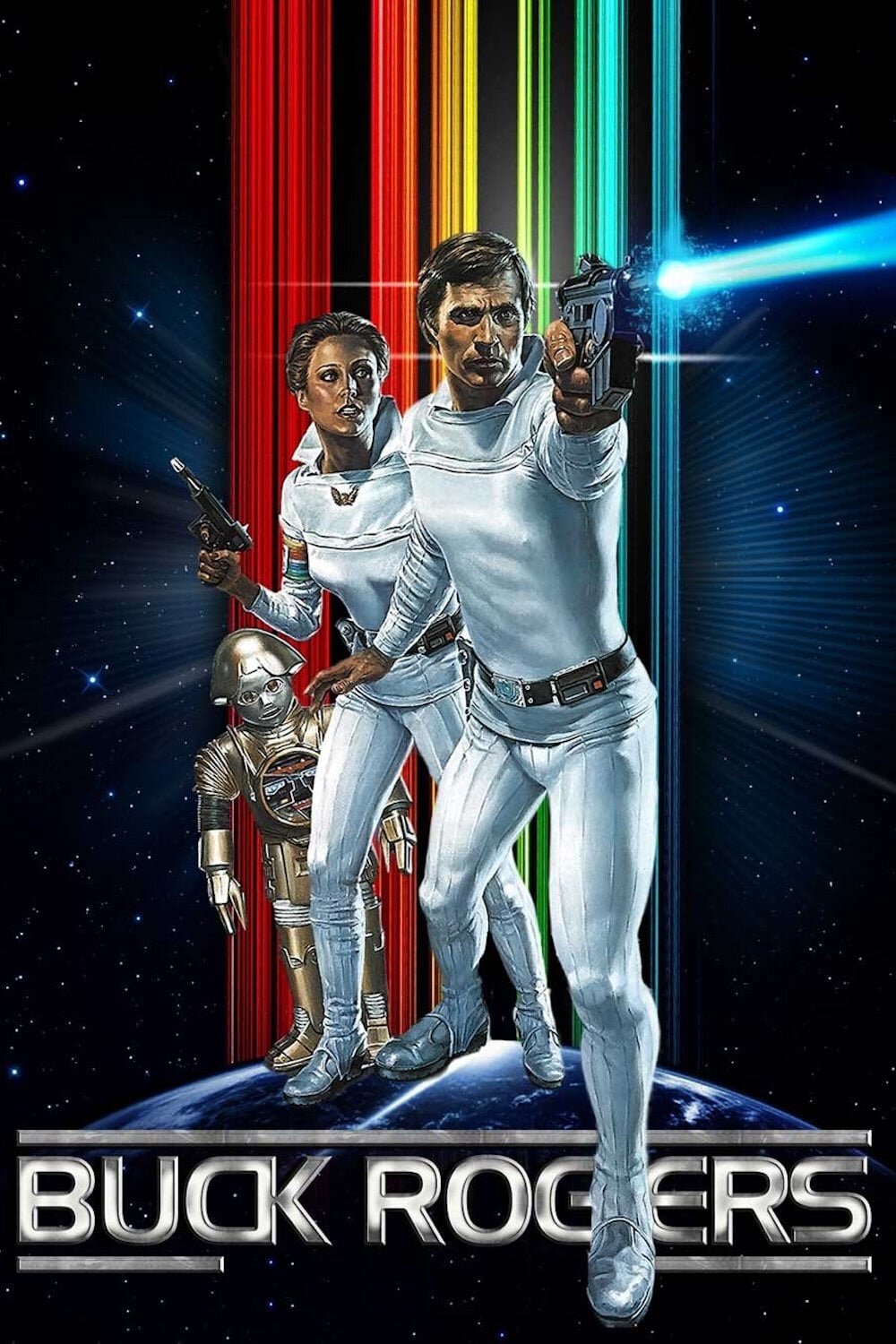
Buck Rogers in the 25th Century1979
A tongue-in-cheek spin on space opera that does for 1970s TV what Flash Gordon did for serials: mixes genuine peril with enough camp energy to let you laugh without losing the thread. The first season especially has that same joyful refusal to take itself seriously.
But It's genuinely uneven. Some episodes are inventive; others feel like they're treading water, and the tonal shifts can feel jarring.
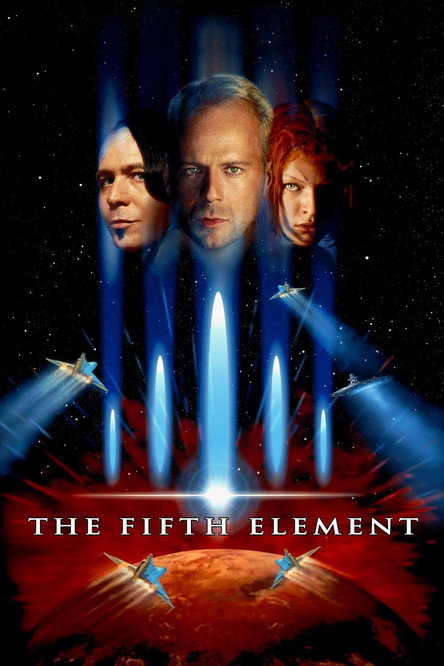
The Fifth Element1997
Luc Besson essentially remakes the Flash Gordon serial for the '90s: primary colours, preposterous plot twists, a hero and heroine thrown into galactic peril, a villain who chews scenery with visible pleasure. It has that same anarchic energy and knows exactly what it is.
But The dialogue can feel clumsy, and it takes fifteen minutes to get into gear. Some of the cultural references feel dated now in ways the 1940 serial somehow doesn't.
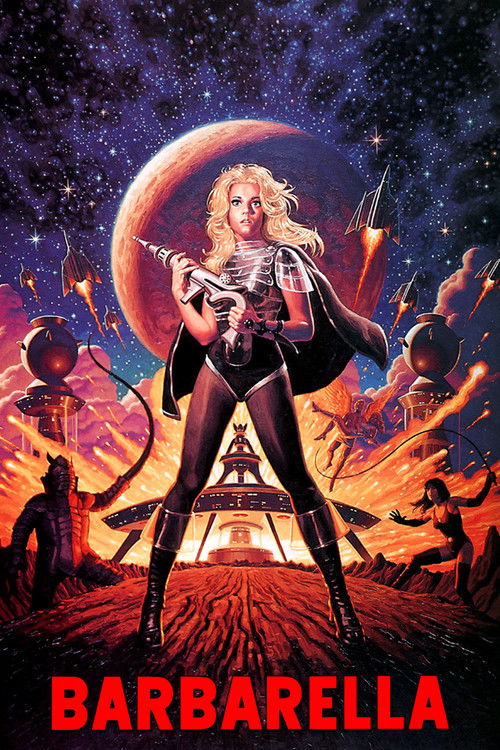
Barbarella1968
Jane Fonda in a plastic universe fighting cosmic threats with style, humour, and practically no self-seriousness. It's the spiritual descendant of Flash Gordon: low budget, high imagination, entirely committed to its own silliness. A masterclass in how to make cheap look expensive through sheer confidence.
But If camp isn't your speed, it will feel like an hour and a half of people winking at you. Some viewers find the sexual innuendo uncomfortable in retrospect.
Not sure tonight? Get a pick in a minute, starting from Flash Gordon Conquers the Universe
The wildcard
Something you would not have found on your own.
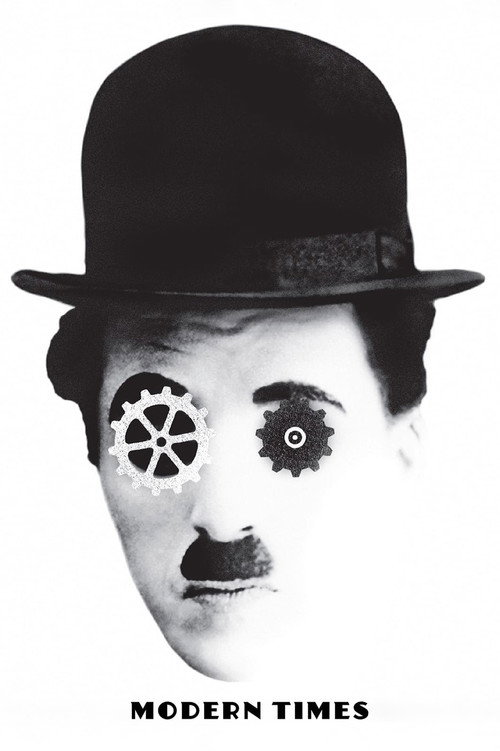
Modern Times1936
Contemporary productions from the same pivotal moment in cinema, showing how radically different filmmakers in the same year could use the medium.
Chaplin's final silent film, made just four years before Flash Gordon. Both are products of the same era, but Chaplin points his camera at industrial oppression and makes it hilarious and heartbreaking. Watch it to understand what movies could do in 1940 beyond spectacle—and to marvel that the same year gave us both this and Ming the Merciless.
But It's silent and wordless. Modern audiences sometimes find silent comedy harder to enter than sound films, even when it's genius.
More like this (6)
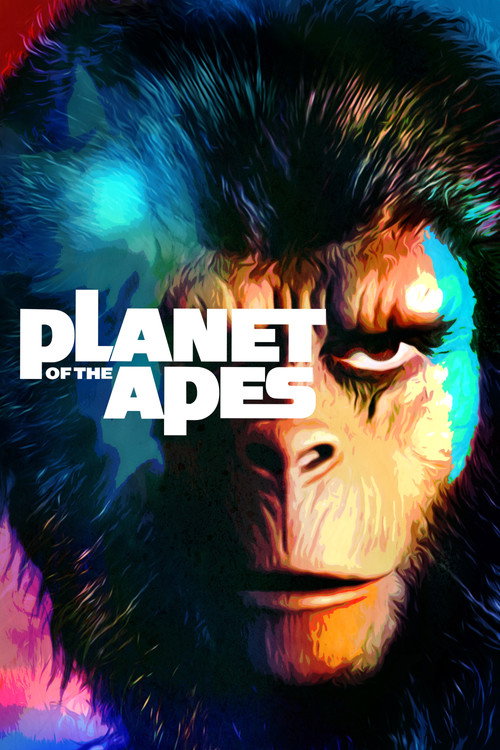
Planet of the Apes1968
Takes the space-adventure framework and uses it to smuggle in genuine social commentary. Shows what happens when you point a serial-adventure camera at ideas that actually matter, while keeping the B-movie fun intact.
But It's more serious and bleak than Flash Gordon. If you're watching for pure escapism, the twist ending and the film's overall grimness might not be the mood you wanted.
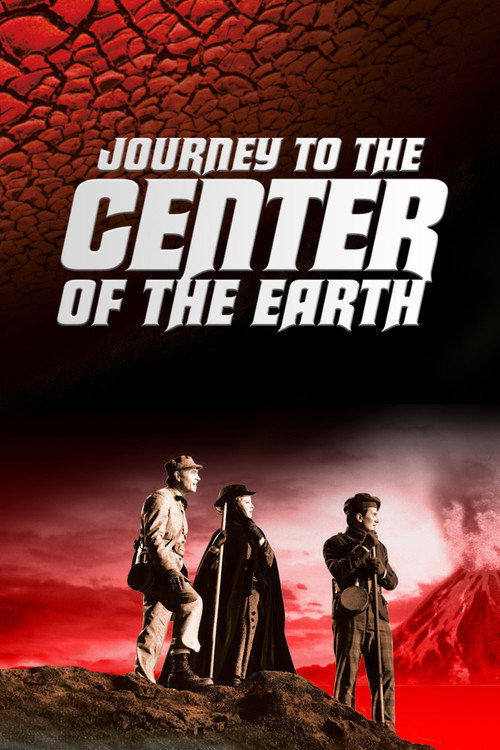
Journey to the Center of the Earth1959
A Jules Verne adaptation that captures that same spirit of wide-eyed exploration and practical ingenuity. The sets are charmingly artificial, the danger is real enough to matter, and it trusts the audience to enjoy the journey.
But The pacing is leisurely by modern standards. It takes its time getting anywhere, which some will find contemplative and others will find slow.
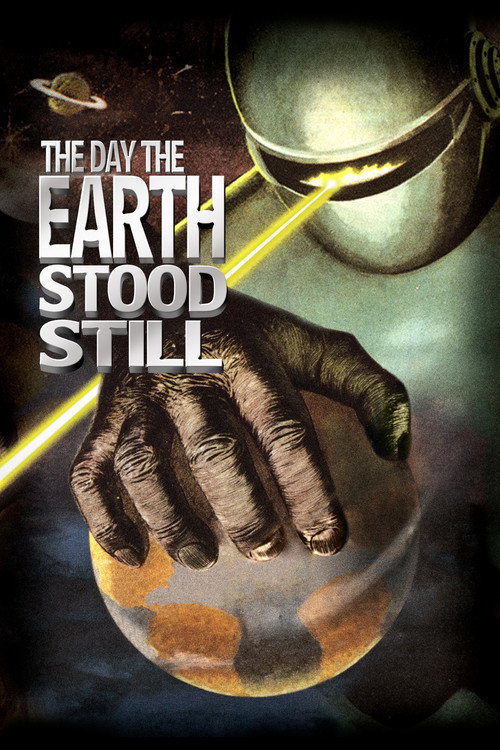
The Day the Earth Stood Still1951
Another 1950s sci-fi that uses the space-visitor premise to ask interesting questions. It's beautifully shot and genuinely moving in a way that reminds you the B-movie wasn't just about spectacle—it was about ideas.
But It's meditative and talky. There's less action and more philosophy than Flash Gordon, and some will find it static.
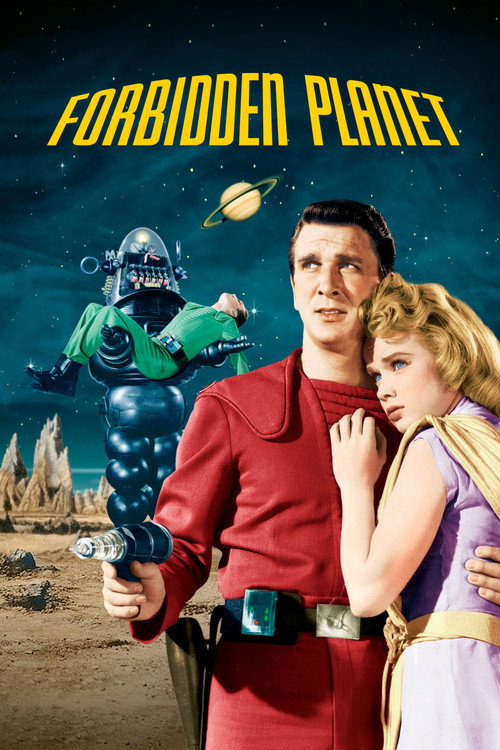
Forbidden Planet1956
A Shakespeare adaptation disguised as a space opera. Gorgeous colour, real actors, a genuinely eerie atmosphere, and it proves the 1950s understood that you could do sci-fi seriously without losing the sense of wonder.
But The robot is charming but the human drama is melodramatic. The pacing can feel dated, and the film's gender politics are of their era in ways that can jar.
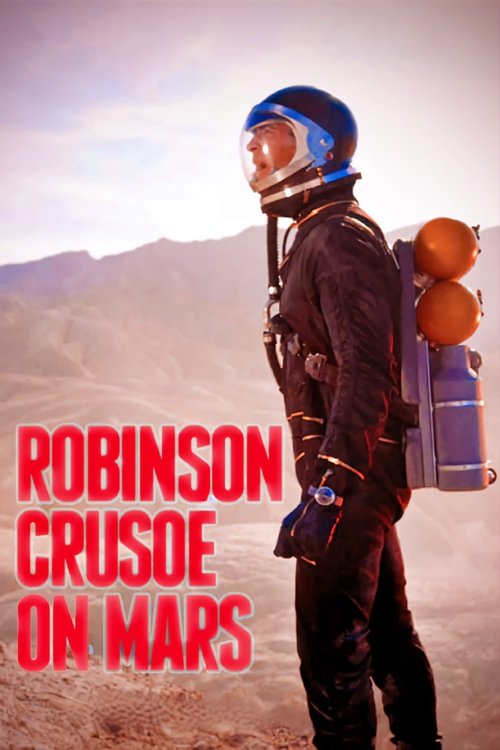
Robinson Crusoe on Mars1964
A lockdown survival film in a space setting. Less concerned with galactic empires than with one man problem-solving his way through impossible circumstances. It's inventive, quietly tense, and surprisingly moving.
But There's barely any plot and only two characters for most of it. If you want space adventure with battles and aliens, this is lean and austere by comparison.
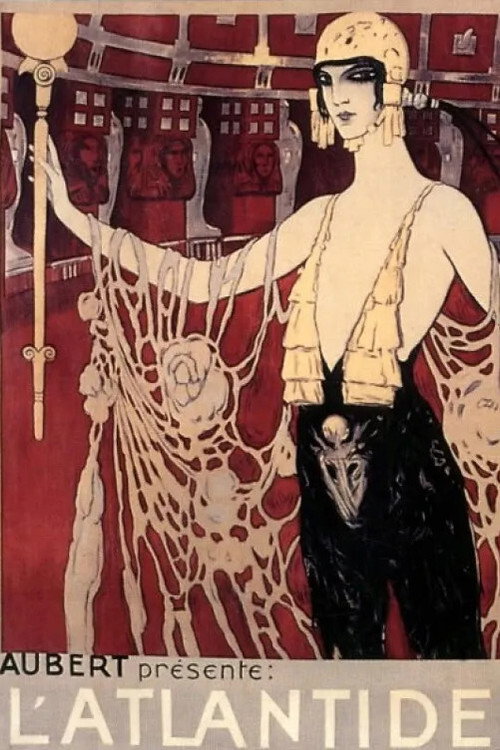
L'Atlantide1921
The progenitor of the hidden-world adventure that Flash Gordon would popularize for American audiences, showing how European cinema shaped American pulp.
A French silent film about explorers finding a hidden kingdom. Made nearly two decades before Flash Gordon, it's the ancestor of every lost-world adventure that followed. It's gorgeously shot, genuinely strange, and watching it alongside Flash Gordon shows you the lineage—and how much more dreamlike older cinema could be.
But It's extremely slow, very French, and philosophically melancholic rather than action-driven. If you want excitement, you'll wait a long time between scenes.
People
Cast
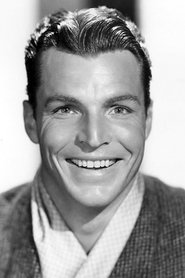 Buster CrabbeFlash Gordon
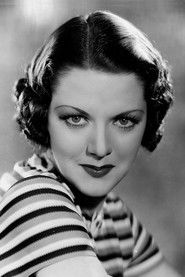 Carol HughesDale Arden
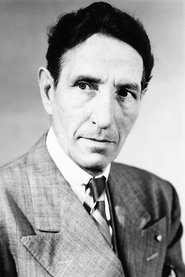 Charles MiddletonEmperor Ming
 Anne GwynneSonja
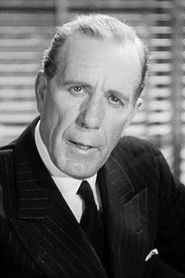 Frank ShannonDr. Zarkov
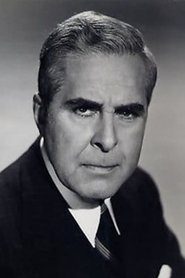 John HamiltonProfessor Gordon
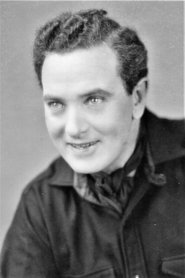 Herbert RawlinsonDr. Frohmann
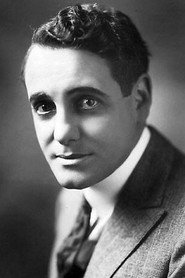 Tom ChattertonProfessor Arden
 Shirley DeanePrincess Aura
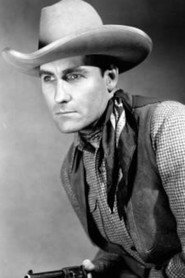 Lee PowellCaptain Roka
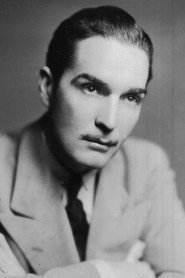 Roland DrewPrince Barin
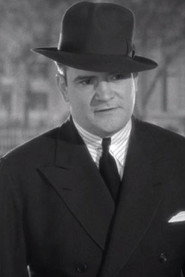 Don RowanCaptain Torch
Directing
- Ford BeebeDirector
- Ray TaylorDirector
Writing
- Alex RaymondCharacters
- Barry ShipmanScreenplay
- Basil DickeyScreenplay
- George H. PlymptonScreenplay
Production
- Henry MacRaeAssociate Producer