
Film
Prince of Space
A 1959 Japanese space adventure about a masked hero battling alien invaders bent on stealing Earth's rocket fuel. It's camp sci-fi spectacle with pratfalls, rubber suits, and genuine earnestness—the kind of film that plays simultaneously as adventure and unintentional comedy. Perfect for anyone discovering the joyful strangeness of early Japanese pulp cinema.
Should you watch it?
Watch it if you enjoy gloriously earnest, handmade 1950s space pulp, where a cheerful hero and a wonderfully villainous dictator matter more than polish, and you can laugh with a film rather than at it.
Skip it if you need slick effects and tight pacing, since this is a stiff, sometimes talky, low-budget children's adventure that drifts and plays its villains for broad, almost silly laughs.
What it asks of you: Only eighty-five minutes, but it wants your indulgence for stagey acting, simple plotting and goofy heroics taken at face value, with little subtlety.
Not sure? Find tonight's pick in a minute.
If you liked this
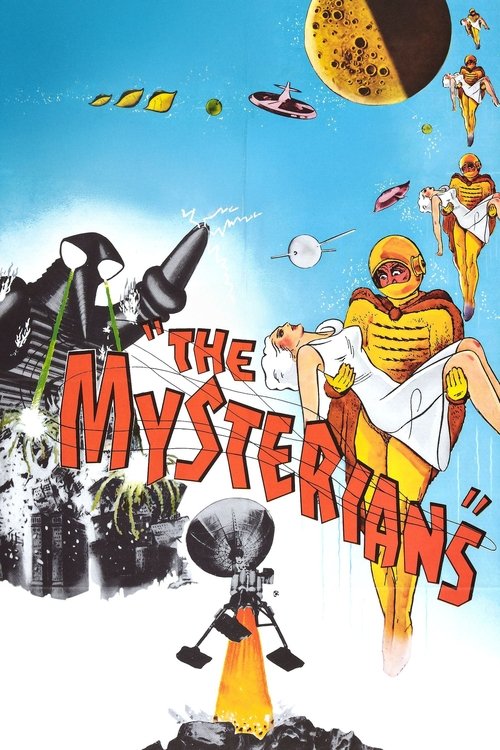
The Mysterians1957
Another Japanese sci-fi invasion story from roughly the same era, with practical effects, sincere world-building, and that same charming mix of retro-futurism and rubber suit thrills that makes 1950s Japanese space opera irresistible.
But The pacing is slow by modern standards, and the political subtext about occupation and colonialism doesn't translate smoothly. Some will find it dated rather than charmingly vintage.
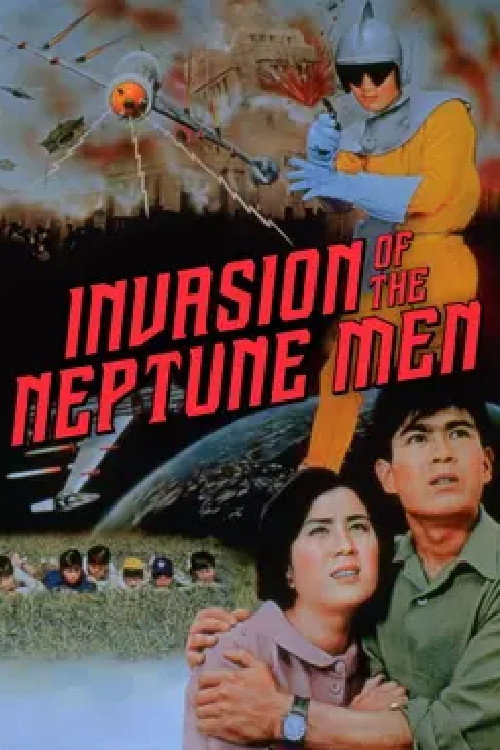
Invasion of the Neptune Men1961
Japanese space adventure with similar energy, absurdist villains, and that glorious low-budget aesthetic where ambition wildly exceeds the budget. It has the same spirit of pure fun that never winks at the camera.
But The dubbing is aggressively goofy, the plot meanders, and if you need things to make sense or move quickly, this will test your patience severely.
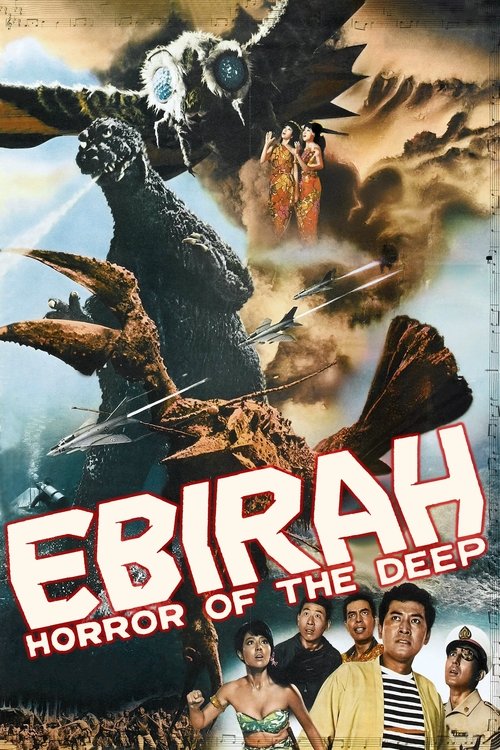
Ebirah, Horror of the Deep1966
Toho's monster spectacle with the same DNA—earnest sci-fi plotting, actors doing their absolute best with impossible material, and giant creatures terrorizing Japan while heroes scramble to save the day. Wildly entertaining on its own terms.
But The racial politics are deeply uncomfortable by any standard. There's also a lot of standing around waiting for the next monster scene, which tests even genre-fan patience.
Not sure tonight? Get a pick in a minute, starting from Prince of Space
The wildcard
Something you would not have found on your own.
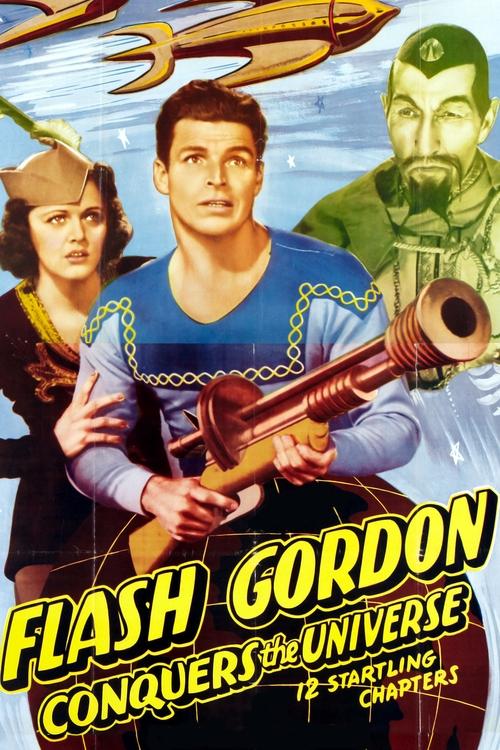
Flash Gordon Conquers the Universe1940
Direct stylistic lineage: Prince of Space is essentially Flash Gordon remade by Japanese filmmakers with their own sensibilities and budgets, proving the template's durability.
A 1940 serialized adventure that is *the* spiritual ancestor of everything Prince of Space is attempting—masked hero, alien dictators, impossible science, death-defying escapes and outlandish costumes. Watching this explains why that 1959 Japanese film looked the way it did.
But It's a serial edited into feature form, so pacing is choppy, the dialogue is stiff, and the racial caricatures are appalling. It's a museum piece, not entertainment.
More like this (7)
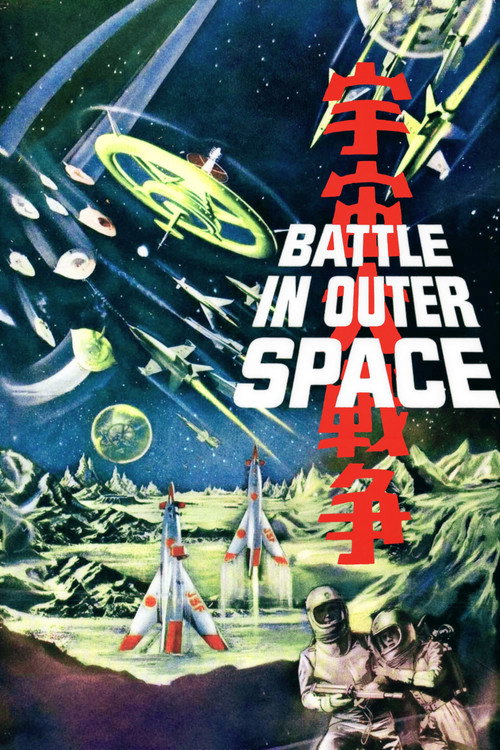
Battle in Outer Space1959
A genuine peer from the same year: Japanese space station under siege, practical miniature work that's genuinely clever, and that same earnest tone where rubber suits and stock footage somehow create real dramatic stakes.
But It's slower-paced than modern action, heavy on exposition, and assumes you care about rocket fuel specifications. The romantic subplot is thankfully brief but still clunky.
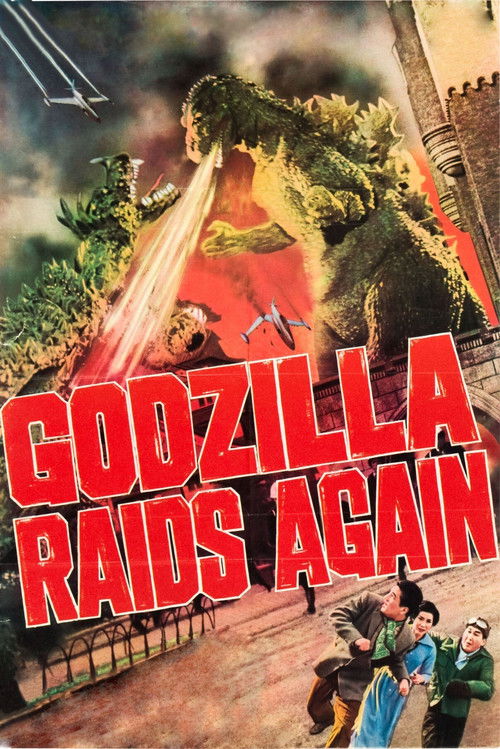
Godzilla Raids Again1955
Toho doing what they do best: treating monster destruction as genuine disaster, mixing practical effects with stock footage, and generating real tension from a ridiculous premise. The DNA of Japanese sci-fi adventure is unmistakable.
But Two kaiju fighting in slow motion does eventually start to feel repetitive. The human drama is minimal and the ending comes suddenly.
The H-Man1958
Toho's atomic-age paranoia story with gorgeous colour cinematography, inventive practical effects, and that same energy of everyday Japan facing cosmic/scientific horror. Great atmosphere and genuine ingenuity on a modest budget.
But The plot is genuinely thin, the romantic subplot feels obligatory, and there's a long stretch in the middle where not much happens except exposition.

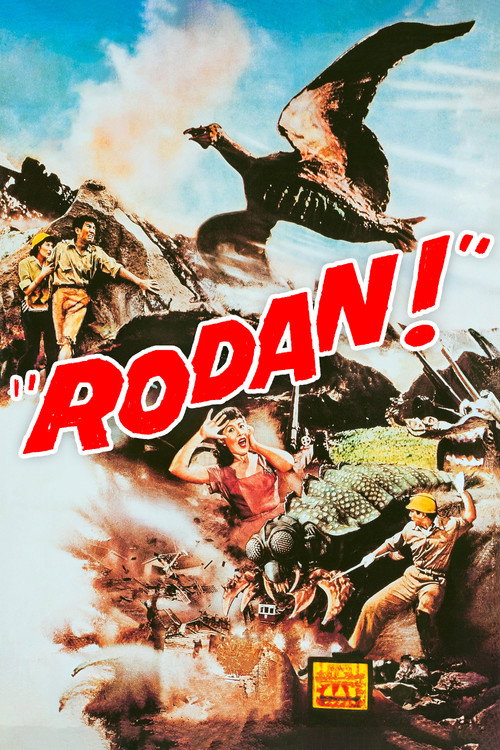
Rodan1956
Toho's flying monster epic with stunning Technicolor work, real dramatic stakes, and that Japanese sci-fi mastery of balancing spectacle with character. The miniature work still impresses and the score is terrific.
But It takes a long time to get to the monster, and once it arrives the action beats are sparse. Some find the pacing glacial and the dubbed dialogue distracting.
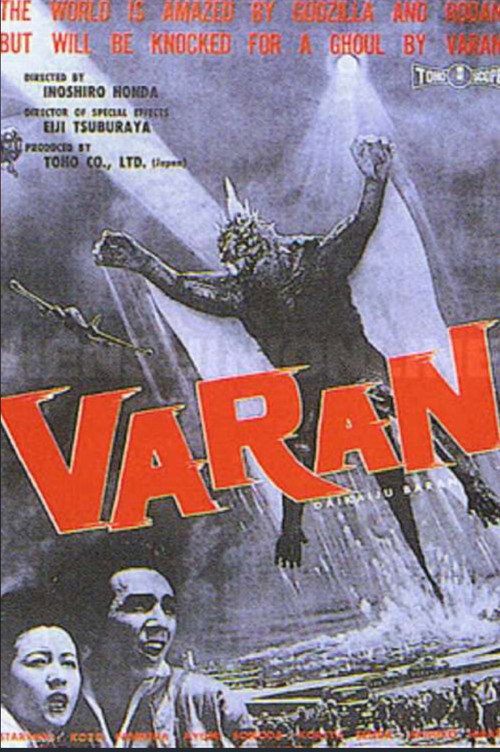
Varan1958
Toho's giant turtle creature feature with strong effects work, location shooting that grounds the absurdity, and genuine suspense about how humanity might stop an unstoppable force of nature.
But The monster doesn't appear until well into the runtime, and once it does the action is brief. The human drama is perfunctory and the ending is anticlimactic.
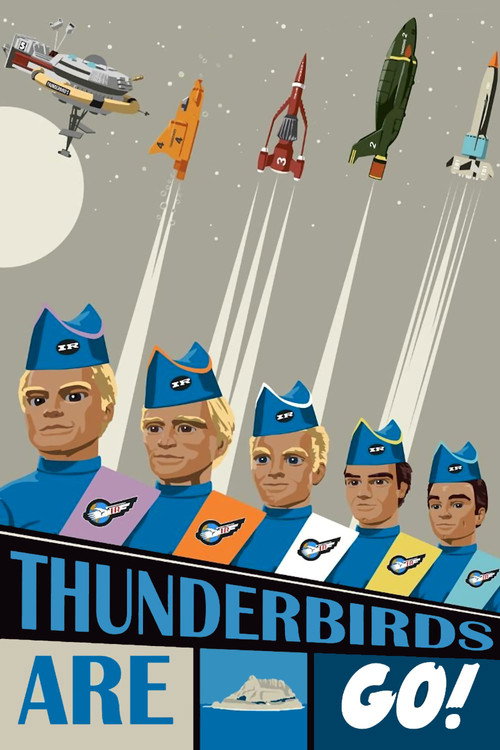
Thunderbirds Are GO1966
Both take low-budget practical effects and make them work through sheer earnestness and ambition. Both believe wholeheartedly in their space adventure worlds.
Gerry and Sylvia Anderson's Supermarionation feature—space rescue adventure with meticulous miniature work, earnest melodrama, and that same retro-futurist aesthetic. It's live-action puppets doing what Prince of Space's actors in rubber suits attempted: making the impossible look real.
But Watching marionettes for 93 minutes is not for everyone. The plot is thin, the dialogue overwrought, and if you find puppets unsettling it's going to be a long afternoon.
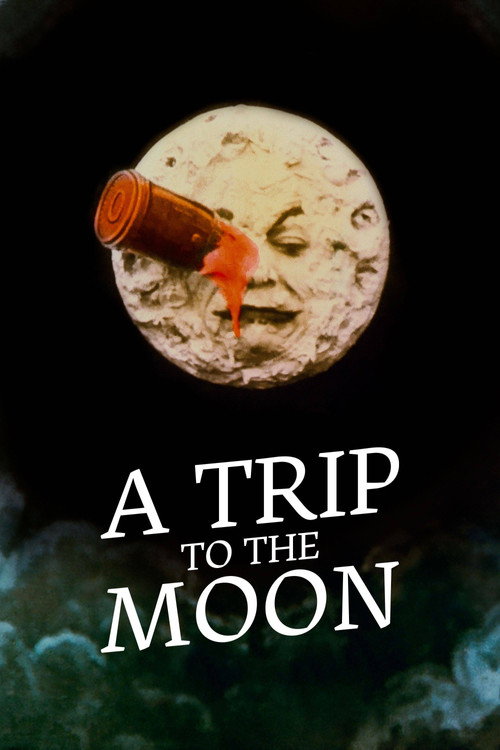
A Trip to the Moon1902
Prince of Space is essentially Méliès' dream-logic approach to space travel filtered through 1950s B-movie earnestness and Japanese cinema. Both believe cinema's job is wonder, not realism.
Méliès' 1902 proto-science fiction film is where this whole genre begins—a fantastical journey to another world using practical stagecraft, imagination, and pure cinema magic. It's only 14 minutes and utterly foundational to understanding why Prince of Space looks and feels the way it does.
But It's silent, it's from 1902, and there's almost no plot. If you need narrative momentum or character development, you'll find it baffling and slow.
People
Cast
 Tatsuo UmemiyaPrince of Space / Wally
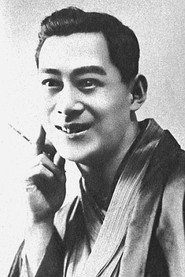 Ushio AkashiDr. Macken
 Joji OkaAmbassador Dictator Phantom
- Hiroko MineSusie
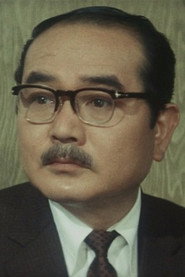 Ken SudoMukai
 Takashi KandaInspector Takeda
- Junji MasudaColonel Watanabe
 Takeshi HasebeMr. Tannen
 Akira KatayamaDoctor Naitô
 Akikane SawaCommander Kôda
- Tokio KozukaTsunoda
 Osman YusufDr. Cohen (uncredited)
Directing
- Hajime SatoAssistant Director
- Eijirō WakabayashiDirector
Writing
- Shin MoritaScreenplay
- Masaru IgamiStory
Production
- Sanehiko SonodaProducer
- Walter ManleyProducer
- Takeshi NishiiProduction Assistant