
Film
Godzilla Raids Again
A swift, lean sequel that introduces kaiju combat to cinema. Two monsters rampage toward Osaka while the military scrambles without the weapon that saved them before. It's creature-feature action elevated by genuine dread, shot through with the particular anxiety of post-war Japan. Thrilling and strange in equal measure.
If you liked this
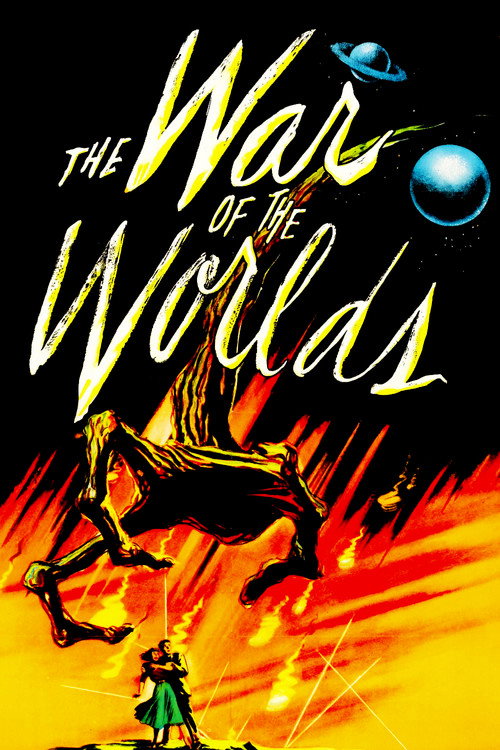
The War of the Worlds1953
Spielberg's 1953 adaptation captures the same mounting terror of an unstoppable force approaching populated areas. The alien invasion mirrors the kaiju threat—both are about helplessness in the face of the incomprehensible, both feature military scrambling to respond.
But The pacing is deliberate by modern standards, and the special effects show their age. Some may find the religious elements heavy-handed.
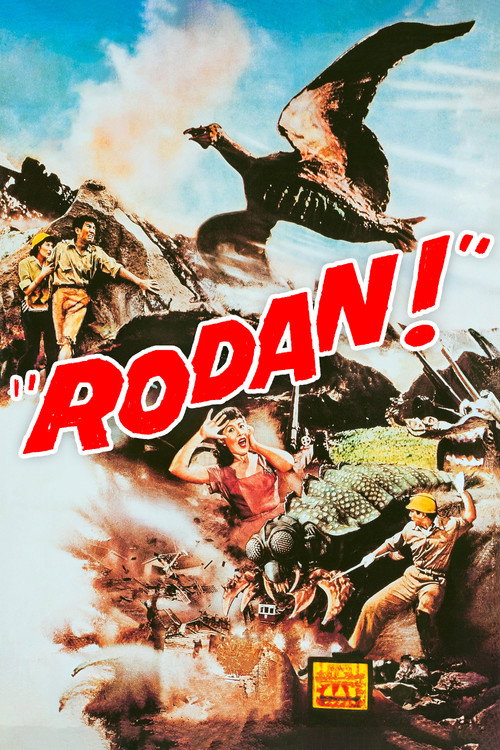
Rodan1956
The Toho studio sequel that perfected the monster-versus-monster formula. It expands on what Godzilla Raids Again started, with more elaborate destruction and aerial battles. A natural next step if you want more of this specific thing done better.
But It's a direct lineage film rather than an escape. If you want to branch out instead of deepening, this keeps you in the exact same lane.
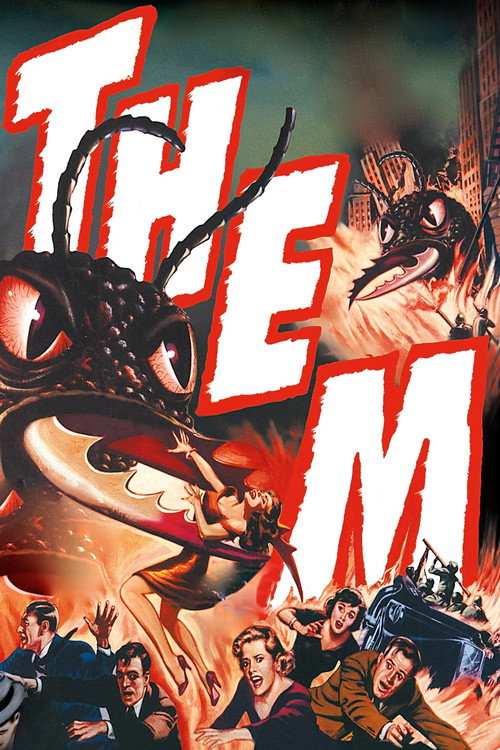
Them!1954
A creature-feature classic about giant ants terrorizing the American Southwest. It has the same escalating dread and military-versus-nature framework, but trades kaiju spectacle for claustrophobic suspense. Proof the formula worked across genres.
But It's slower and more procedural than the Japanese films. The ants themselves are less visually striking than the monsters you've just watched.
Not sure tonight? Get a pick in a minute, starting from Godzilla Raids Again
The wildcard
Something you would not have found on your own.
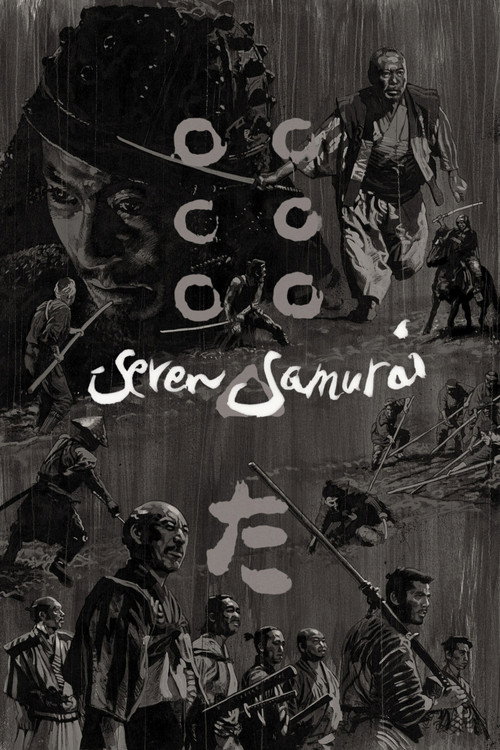
Seven Samurai1954
Both are products of the same studio and moment, examining how societies mobilize against overwhelming force. One uses monsters, one uses enemies, but the structure of crisis and response is identical.
Kurosawa's masterpiece came out between Godzilla Raids Again's production and release, directed by the film's thematic and moral opposite. Yet both films are about communities under siege organizing collective defense. This shows what Toho Studios was capable of in the same moment—epic, humanistic, focused on how ordinary people respond to catastrophe.
But It's 207 minutes and a samurai drama, not a monster film. If you want more creatures and less philosophy, this will frustrate you.
More like this (7)
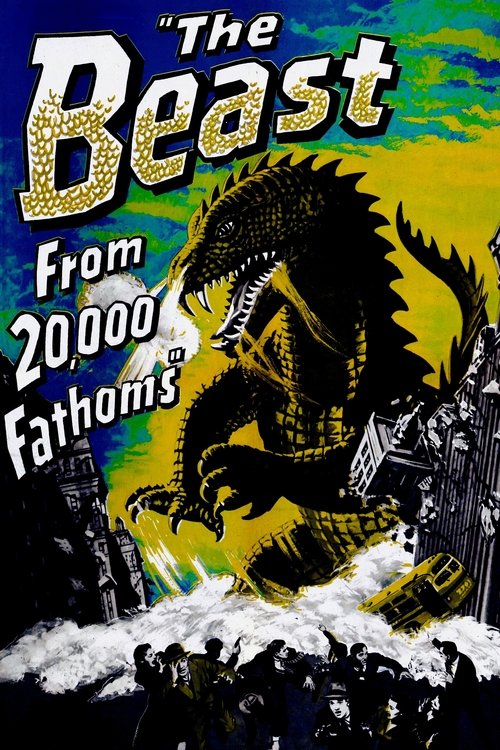
The Beast from 20,000 Fathoms1953
An American kaiju film that predates Godzilla Raids Again by two years. It established the genre's vocabulary: atomic anxiety, a creature awakened by atomic testing, coastal destruction. Essential viewing for understanding where this all came from.
But The creature suit work is obviously dated. The plot is more straightforward, less interested in the moral complexity the Japanese films carry.
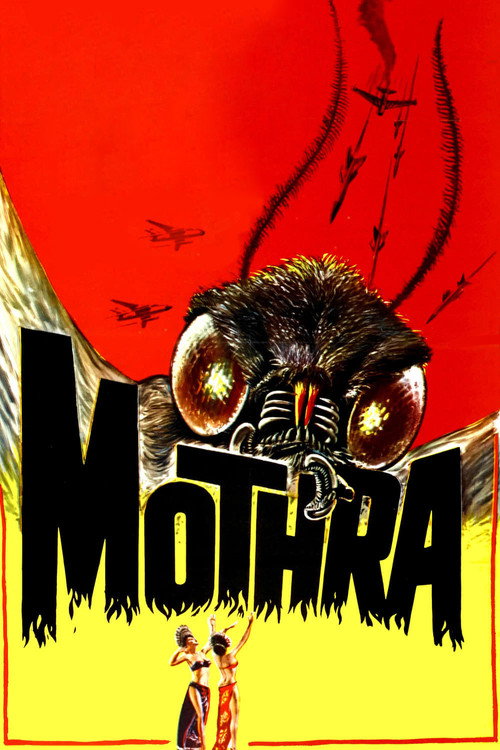
Mothra1961
Toho's next masterpiece after perfecting the formula. A massive moth monster with an entirely different visual and thematic language. It's proof the studio could create new icons, not just repeat Godzilla.
But By 1961 the films had become more colorful and fantastical. If you loved the grounded dread of the early entries, this pivots toward spectacle and adventure.
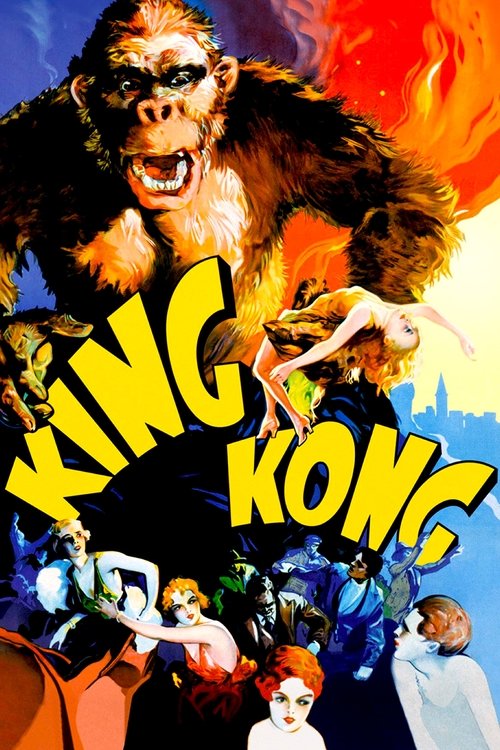
King Kong1933
The original template for everything you've just watched. A monster, a city, destruction, and genuine pathos. It's the ancestral DNA of kaiju cinema. Seeing it after Godzilla Raids Again shows what was inherited and what was invented.
But It's a 1933 film. The pacing and effects belong to that era entirely. Some viewers find it slow.
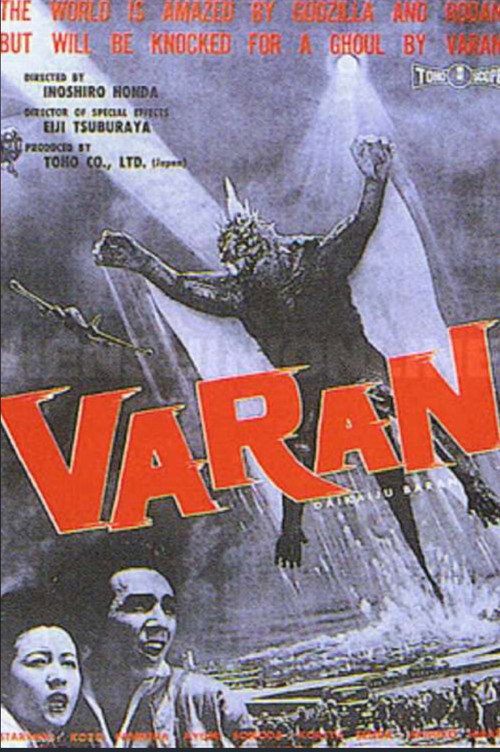
Varan1958
Another Toho monster picture, this one featuring a giant reptile more conventionally dinosaurian than Godzilla. It's leaner and weirder, with a focus on practical military tactics against the creature. A satisfying mid-tier entry in the cycle.
But It lacks the thematic weight of the best Toho films. The monster is less iconic and the film less memorable than its peers.
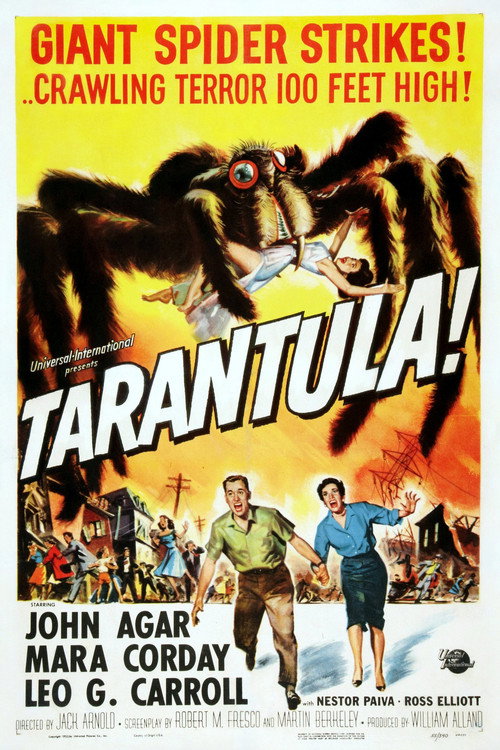
Tarantula1955
A giant spider film from Universal that shares DNA with Godzilla Raids Again in its atomic-age anxiety and escalating monster threat. Taut direction and effective use of miniatures create genuine suspense despite the B-picture trappings.
But It's a single-monster film rather than monster-versus-monster action. The threat is more isolated and the scope smaller than what you've just watched.
Ikiru1952
Both films are rooted in the Japanese experience of the 1950s—the shadow of war, atomic anxiety, and the question of whether society could be rebuilt and why. One uses kaiju as metaphor, one uses mortality as metaphor.
Kurosawa again, but this time about a bureaucrat facing mortality and meaninglessness in post-war Tokyo. It shares Godzilla Raids Again's setting and deep anxiety about rebuilding after destruction. The monster is internal rather than external, but the emotional terrain is the same: what endures when systems fail?
But It's a quiet, meditative drama about a dying man. If you want spectacle and action, this is the opposite. It requires patience and emotional availability.

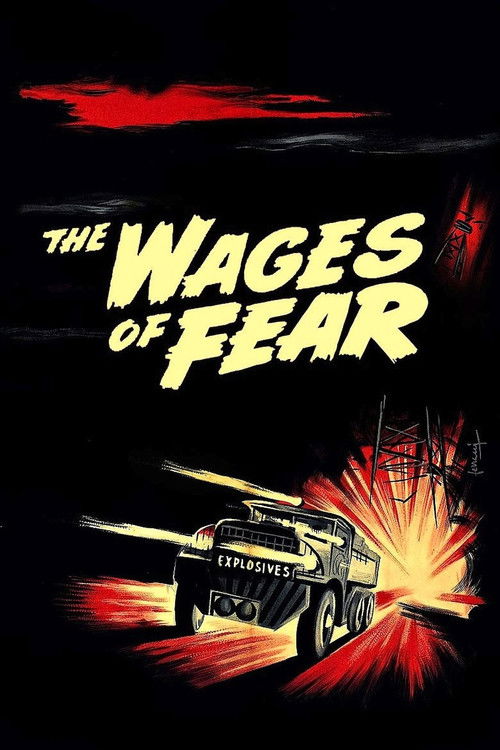
The Wages of Fear1953
Both construct tension through inevitability. In Godzilla Raids Again, the monster approaches and nothing can stop it. Here, the explosives will detonate and the men will die. Different genres, identical mechanism of dread.
A French thriller about men transporting unstable explosives through dangerous terrain. The sustained tension and group dynamics mirror Godzilla Raids Again's military structure, but the threat is human miscalculation rather than a monster. Same escalating dread, different architecture. A masterclass in building pressure.
But It's a slow-burn character study disguised as an action film. The pacing is European and deliberate. No spectacle, no monsters—just men and their fears.
People
Cast
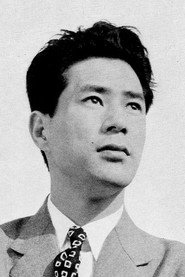 Hiroshi KoizumiShoichi Tsukioka
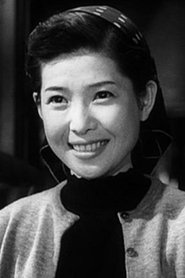 Setsuko WakayamaHidemi Yamaji
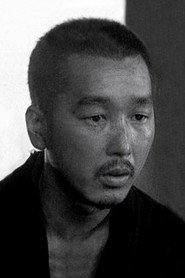 Minoru ChiakiKôji Kobayashi
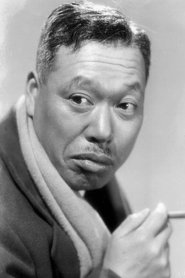 Takashi ShimuraKyohei Yamane-hakase
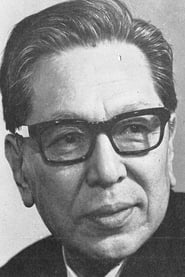 Masao ShimizuZoologist Dr. Tadokoro
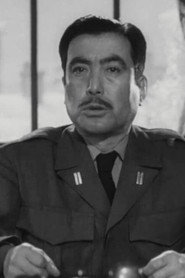 Seijirô OndaCaptain Terasawa of Osaka Defense Corps
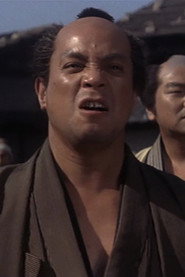 Sonosuke SawamuraHokkaido Branch Manager Shingo Shibeki
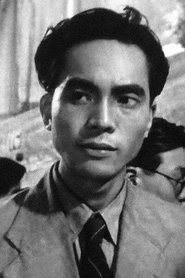 Yoshio TsuchiyaTajima, Member of Osaka Defense Corps
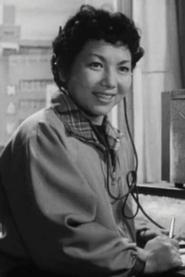 Mayuri MokushôRadio Operator Yasuko Inouye
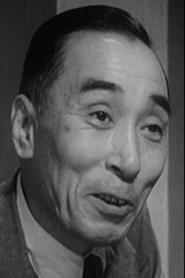 Minosuke YamadaChief of Civil Defense
- Yukio KasamaKoehi Wamaji, President of the Fishery
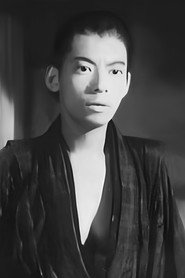 Senkichi ŌmuraSmall Escaped Convict
Directing
- Motoyoshi OdaDirector
- Eiji IwashiroFirst Assistant Director
Writing
- Shigeru KayamaNovel
- Shigeru KayamaOriginal Story
- Shigeaki HidakaScreenplay
- Takeo MurataScreenplay
Production
- Tomoyuki TanakaProducer
- Kazuo BabaProduction Manager