
Film
Varan
A 1958 Japanese monster film where scientists discover a colossal reptilian creature in an unexplored valley, only to watch it rampage toward Tokyo. Varan is lean, propulsive hokum—all momentum and genuine destruction miniatures—made in the shadow of Godzilla but with its own kinetic urgency. It's for anyone who loves the specific texture of fifties creature features and wants to see Tokyo demolished by something that isn't a man in a suit (well, not exactly).
Should you watch it?
Watch it if you like old-fashioned kaiju films where the mood of an eerie valley and the scientists' bewilderment count for as much as the stomping.
Skip it if you want relentless spectacle or sharp modern effects, since the monster costume and miniature sets show their age and the pacing is unhurried.
What it asks of you: Expect a brisk 87 minutes, with a long, quiet build in the valley before the investigation gives way to a creature on the move.
Not sure? Find tonight's pick in a minute.
If you liked this
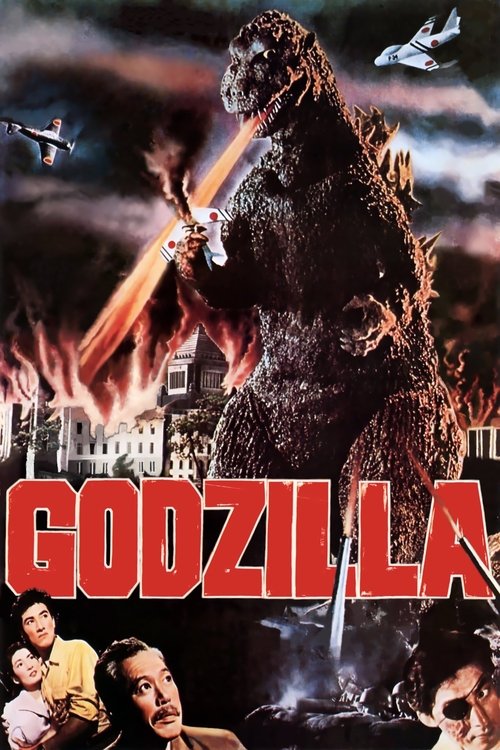
Godzilla1954
The progenitor. If you love Varan's mixture of monster spectacle and Japanese anxiety about nature's revenge, this is where it all began—more sober, more historically charged, and genuinely frightening in ways that still register.
But At 96 minutes it can feel glacial compared to Varan's sprint. The pacing is deliberate, almost elegiac, which some find profound and others find slow.
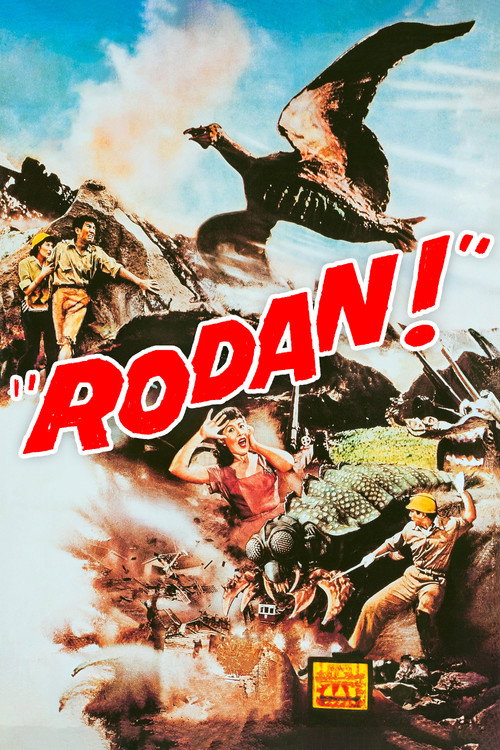
Rodan1956
Another Toho triumph from the same era: a three-act monster film about pteranodon twins with the same love of miniature destruction and military scrambling. The flying sequences are visually inventive in ways Varan can't quite match.
But The plotting is thinner than you might want, and the second half spends a lot of time on military protocol rather than the creature itself. Patience required.
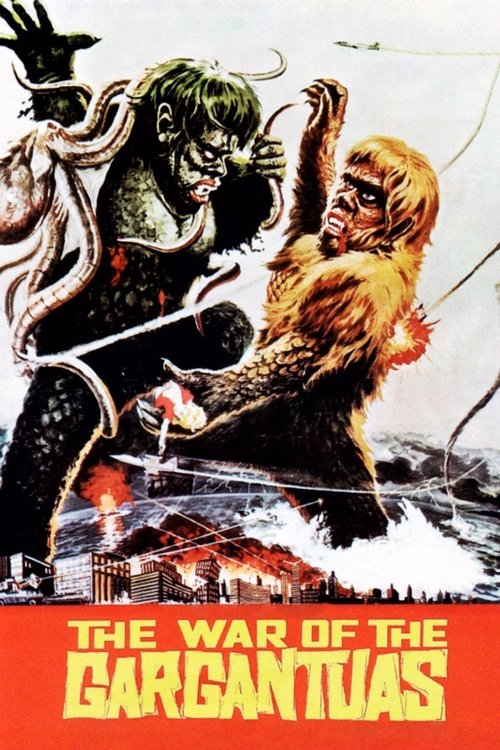
The War of the Gargantuas1966
Two giant creatures, competing for dominance, one ocean-bound and one heading inland. Same studio, same effects team, same joyful demolition aesthetic, but with genuine emotional stakes and a creature design that's unsettling rather than comforting.
But By the late sixties, tokusatsu effects were starting to show their age. Some of the matting and compositing work is noticeably crude. The English dubbing is atrocious.
Not sure tonight? Get a pick in a minute, starting from Varan
The wildcard
Something you would not have found on your own.
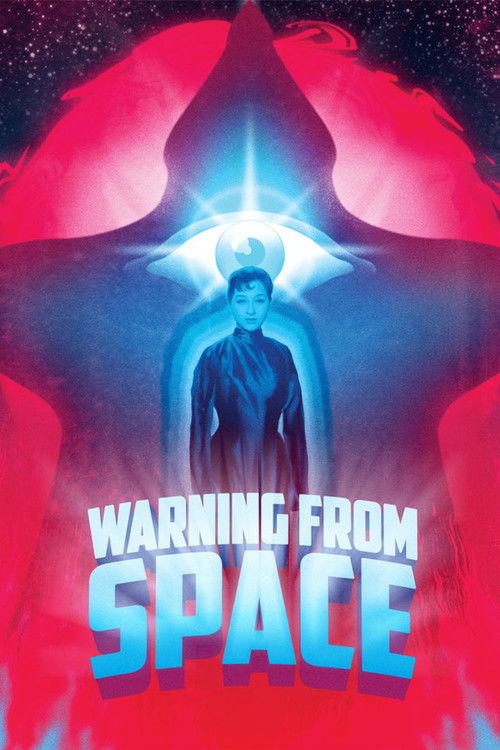
Warning from Space1956
Both are 1950s Japanese sci-fi films that use monster or alien encounters to process post-war anxieties about technology, nature, and Japan's place in a changing world. Warning from Space asks what if contact was peaceful, while Varan shows what happens when it's not.
A Japanese sci-fi film about alien visitors arriving on Earth, blending the same fifties anxiety about nature and technology into pure, earnest wonder instead of destruction. It's visually ravishing, absurdly sincere, and shares Varan's Japanese sensibility but arrives at the opposite emotional register.
But It's optimistic where Varan is destructive, slow-burn where Varan is kinetic, and genuinely strange in its design choices. The pacing is contemplative rather than propulsive, and if you want spectacle, it operates at a smaller scale.
More like this (7)
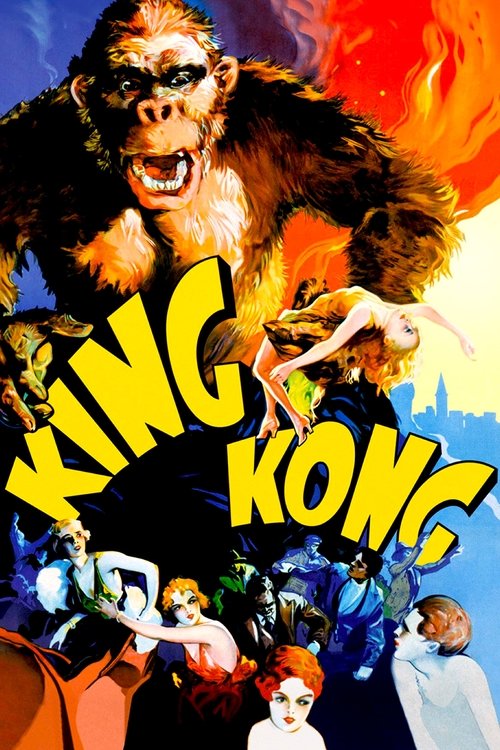
King Kong1933
The foundational template: a creature discovered, removed from its habitat, and turned into a spectacle that destroys a major city. The miniature work and stop-motion are pioneering, and the film moves with genuine urgency.
But It's 100 minutes of 1933 cinema, which means thick melodrama and colonial attitudes that haven't aged well. The human story is earnest but creaky by any modern standard.
The Beast from 20,000 Fathoms1953
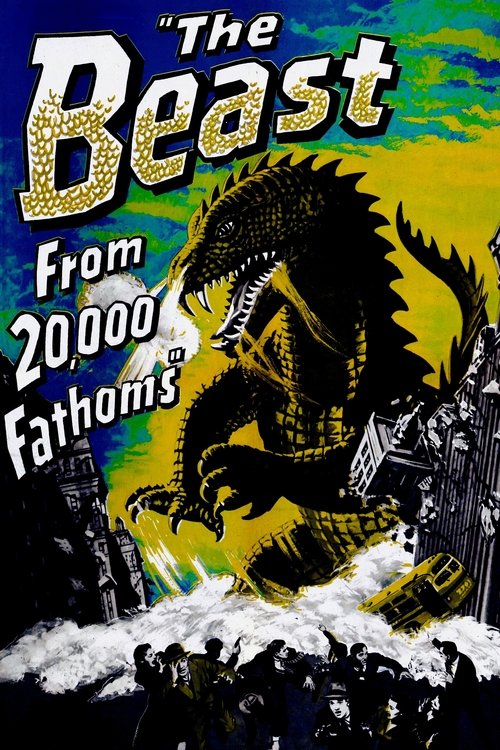
An American creature feature that predates Varan by five years and shares its atomic-age DNA: a prehistoric monster awakened by nuclear testing, rising from the ocean, destroying landmark architecture. Lean and exciting.
But The creature is only memorable because of Ray Harryhausen's stop-motion work. The human plot is functional at best, and the film's interest in its own monster is somewhat detached.
Mothra1961
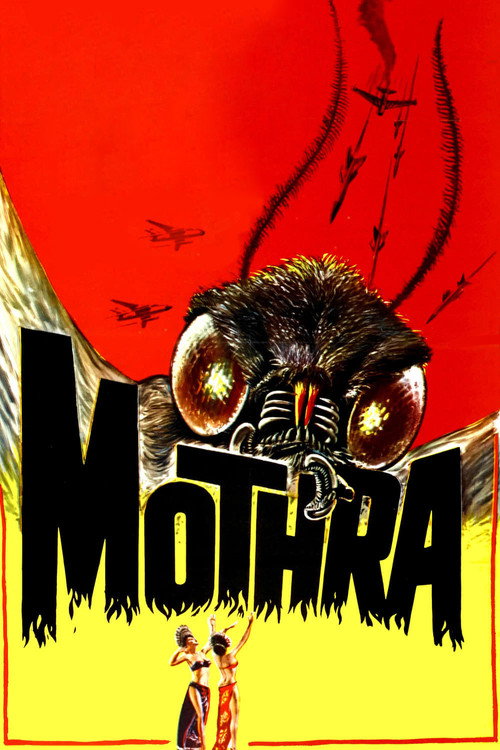
Toho's kaiju answer to insects rather than reptiles. A giant moth emerges with genuine cosmic grandeur. The design work is extraordinary, and the film's sense of wonder is less cynical than Varan's destruction porn.
But It's considerably more fantastical and less grounded, which means if you love Varan's pseudo-scientific framing, Mothra might feel like it drifted into fairy tale territory.
Them!1954
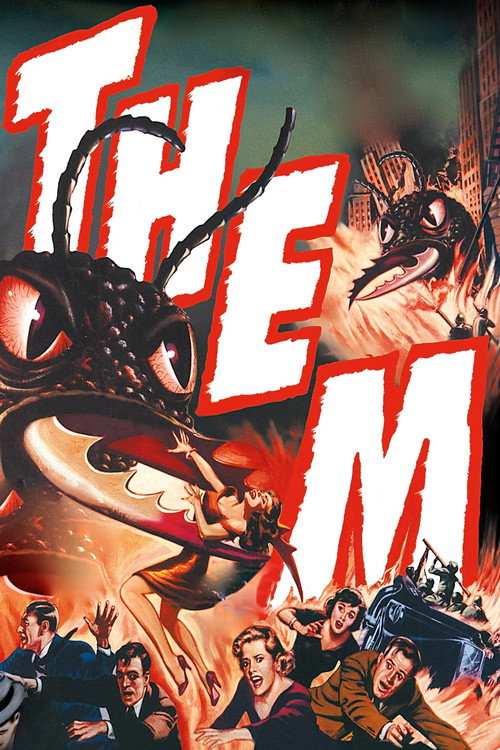
Giant ants born from atomic testing in the American desert. A creature feature that prioritizes investigation and discovery over spectacle, with genuine tension and a documentary-like procedural rhythm that's deeply satisfying.
But There's barely any monster on screen for most of the runtime. If you want to watch a creature destroy a city, you'll be disappointed. The creatures, when they arrive, are still impressive.
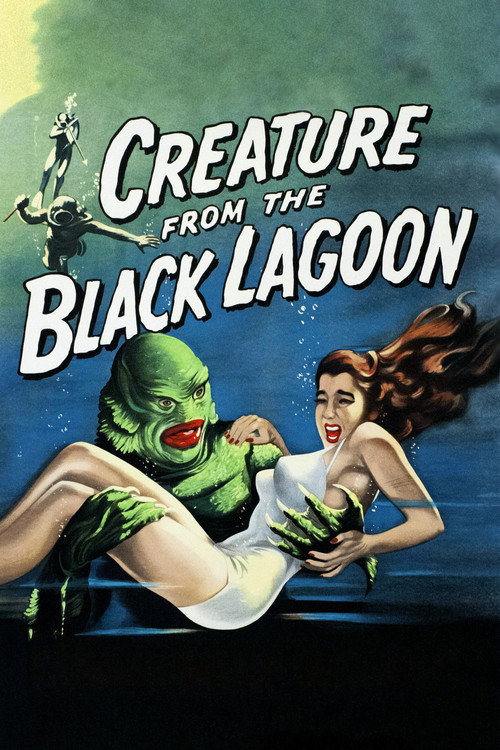
Creature from the Black Lagoon1954
Atmospheric, claustrophobic, and genuinely eerie in a way most creature features aren't. A scientific expedition goes into the Amazon and finds something that doesn't want to be found. The creature design is iconic.
But It's slow and introspective where Varan is kinetic. If you want destruction and spectacle, this is the opposite—intimate, underwater, and deeply interested in dread rather than action.
Anaconda1997
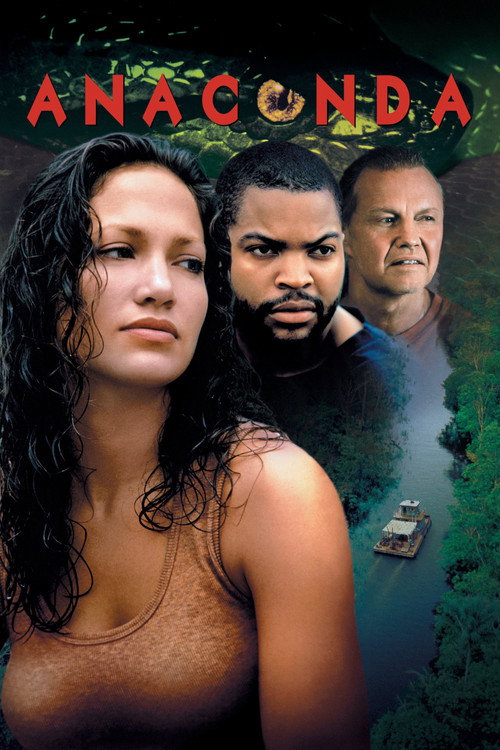
Both films use a remote location and a scientific expedition as a pretense to put humans in proximity with a creature they can't control. Where Varan builds to urban destruction, Anaconda finds tension in isolation and confinement.
A creature feature that strips away all pretense of serious science and commits entirely to being a thriller on a river boat. It's trashy, urgent, and genuinely suspenseful in ways that don't require you to care about miniature work or atmospheric dread.
But It's aggressively silly, the acting is broad, and the CGI was dated almost immediately. If you want grounded sci-fi like Varan, this is the opposite: camp and spectacle and nothing else.
Tremors1990
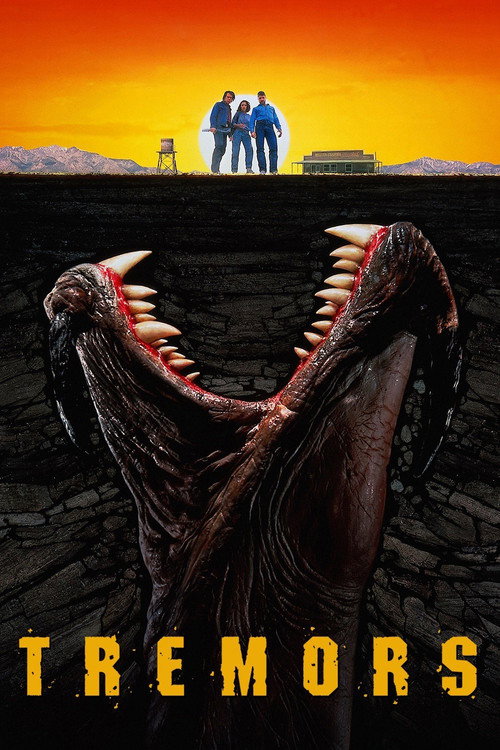
Both films center on a creature that upends an entire landscape or region and force human communities to adapt and respond. Varan shows a society confronting annihilation; Tremors shows a society surviving through ingenuity and luck.
A creature feature that treats its monster as an engineering problem rather than a metaphor, and finds comedy and genuine excitement in how to outsmart and survive something large and hungry. It's clever, funny, and moves at Varan's pace but with warmth.
But It's fundamentally comedic in a way Varan isn't. If you want the cold dread of a monster destroying a city, Tremors is too busy being charming and funny for you.
People
Cast
 Kōzō NomuraKenji Uozaki
 Ayumi SonodaYuriko Shinjô
 Koreya SendaDr. Sugimoto
 Akihiko HirataDr. Fujimora
 Fuyuki MurakamiDr. Majima
 Yoshio TsuchiyaMilitary Officer Katsumoto
 Minosuke YamadaSecretary of Defense
 Hisaya ItoIchiro
 Yoshibumi TajimaCaptain of Uranami
 Nadao KirinoYutaka Wada
- Akira SeraVillage High Priest
 Akio KusamaMilitary Officer Kusama
Directing
- Ishirō HondaDirector
- Koji KajitaFirst Assistant Director
Writing
- Shinichi SekizawaScreenplay
- Ken KuronumaStory
Production
- Tomoyuki TanakaProducer
- Shôtarô KawakamiProduction Manager
Recommended by
Gamera, the Giant Monster, Gamera vs. Barugon, The Land Unknown, Mothra vs. Godzilla, Prince of Space, Godzilla Raids Again