
Film
Gamera vs. Barugon
Gamera returns in this 1966 kaiju sequel where a mysterious opal hatches into Barugon, a new monster armed with a devastating rainbow beam and freezing spray. It's earnest, colorful tokusatsu action—men in suits destroying miniature cities with genuine craft and invention. For viewers who love practical monster effects, Japanese sci-fi of the era, or simply giant creatures fighting in downtown Osaka.
If you liked this
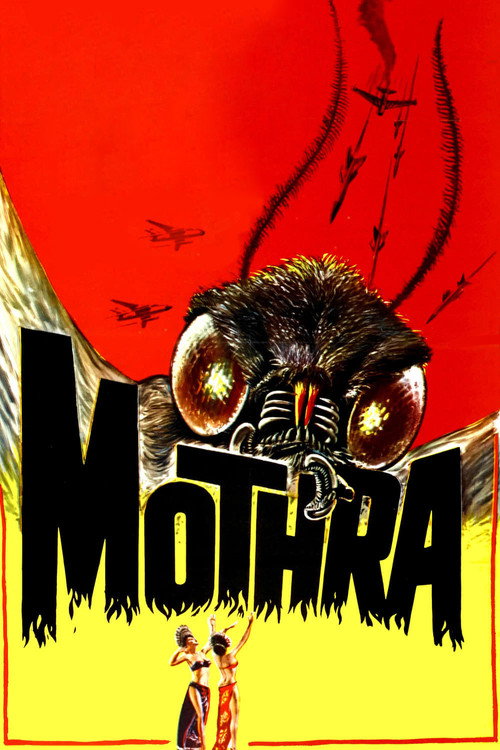
Mothra1961
The spiritual predecessor to Gamera's series: a giant creature film with real production values, a twin-protagonist structure, and the same blend of wonder and destruction. Mothra's design is genuinely eerie and the miniature work is stunning.
But It moves slower than modern action films and trades spectacle for atmosphere; some find the pacing meditative rather than thrilling.
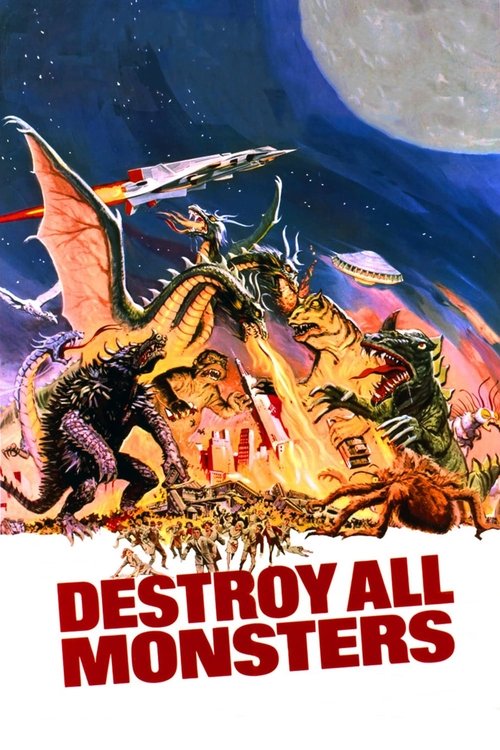
Destroy All Monsters1968
The apotheosis of the Showa kaiju era—a carnival of monsters, multiple cities under siege, and practical effects work that still astonishes. It's pure joy, the kind of film that makes you understand why people love giant monster movies.
But It's silly by design, and the human plot exists only to explain why monsters are fighting. If you need character depth, this isn't it.
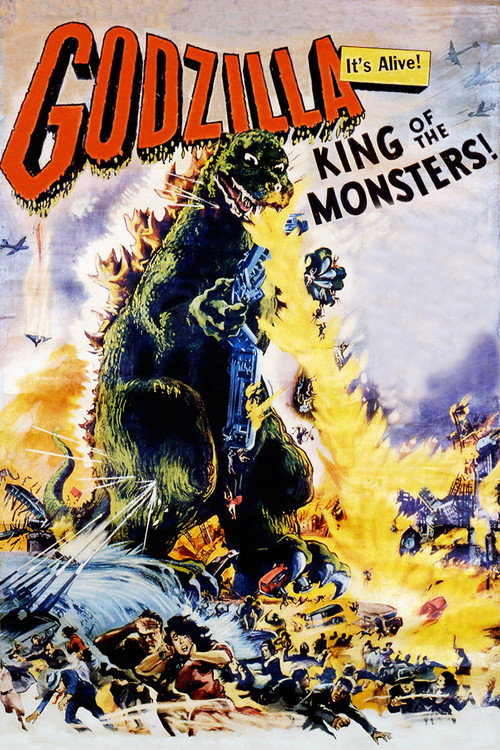
Godzilla, King of the Monsters!1956
The original that made kaiju cinema matter. Despite being released after Japanese release edits and American re-dubbing, it's genuinely tense—a monster film that takes its destruction seriously and treats radiation as a real threat.
But Heavy on atomic-age anxiety and scientific exposition; it's more horror than spectacle, which can feel slow if you came for the fighting.
Not sure tonight? Get a pick in a minute, starting from Gamera vs. Barugon
The wildcard
Something you would not have found on your own.
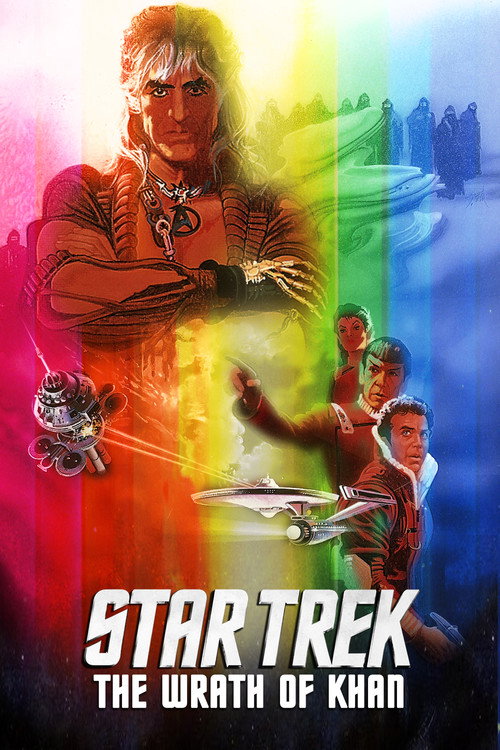
Star Trek II: The Wrath of Khan1982
Both films are built around a symmetry: Gamera vs. Barugon mirrors Kirk vs. Khan—two beings of nearly equal power forced to probe each other's weaknesses until one finds the answer.
Not a monster film, but structurally identical: a contained threat emerges with a devastating special ability, an escalating arms race of attack and counter-attack, and the climax is a match of wits and weaponry. Both films understand that a good villain needs an edge your hero cannot simply overpower.
But It's a Star Trek film from the 1980s; if you're not open to the theatrical earnestness of that era, it will lose you fast.
More like this (7)
Gamera, the Giant Monster1965
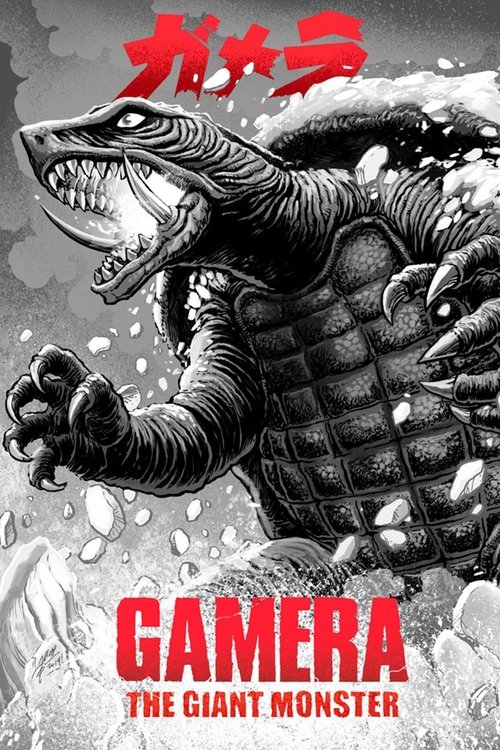
The film that started Gamera's series. It's the blueprint for what you're about to watch: earnest, colorful, and committed to the bit. The design work is inventive and it has a real charm about it.
But As the first entry, it's rough around the edges and the monster design is less refined than later films.
The War of the Gargantuas1966
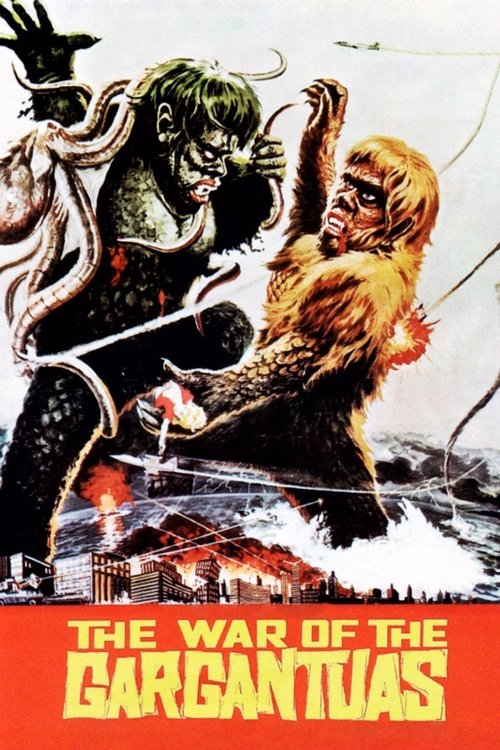
Released the same year, this is peak Toho miniature madness—two giant creatures, split-screen multiplicity, and SFX work that proves Toho's technical prowess. It's bonkers and utterly confident in itself.
But The plot barely holds together and the dubbing is hilariously clunky. If you need coherence, look elsewhere.
The War of the Worlds1953
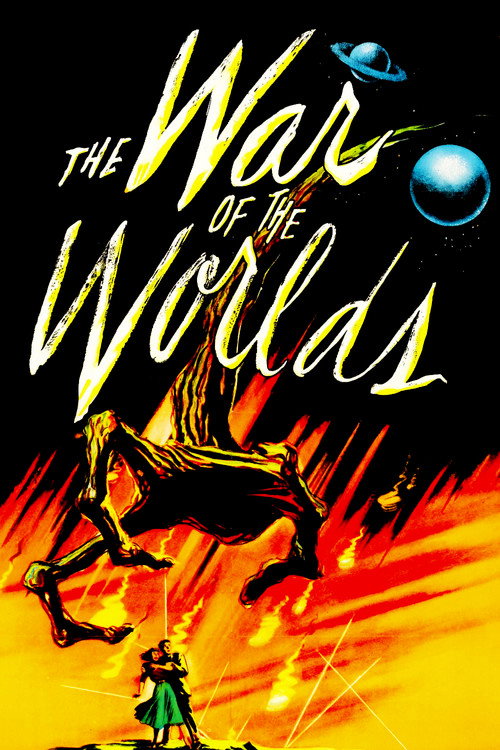
The template for all giant-creature-attacks-city stories. It established the formula and did it with real conviction: spectacular destruction, mounting dread, and a sense that civilization is genuinely fragile.
But The 1950s optimism about science solving everything feels dated, and the film privileges spectacle over character development significantly.
Rodan1956
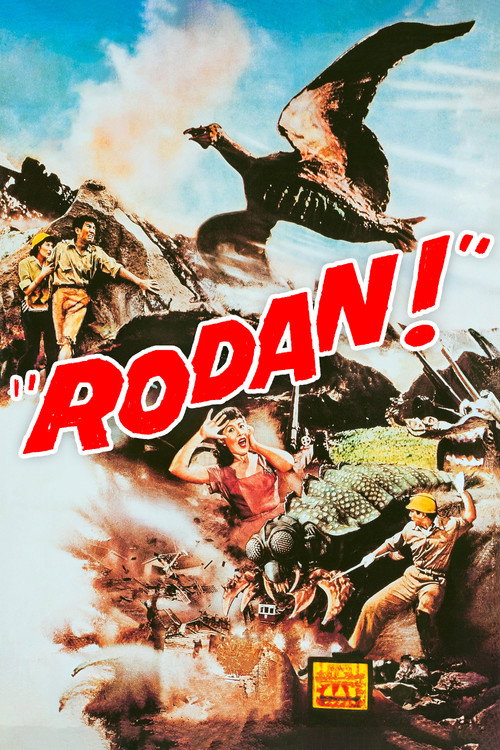
Another Toho classic that proved giant monsters could be tragic figures, not just destroyers. The flying sequences are accomplished for 1956, and the film has real emotional weight underneath the spectacle.
But It's slow by modern standards and quite earnest; the human melodrama may feel overwrought compared to pure action films.
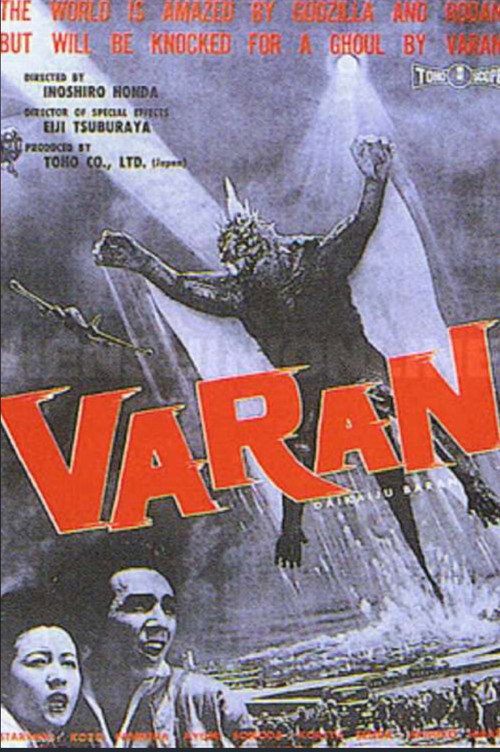
Varan1958
A lesser-known Toho entry that's pure joy—a giant turtle-like monster, miniature cities, and effects work that shows real ingenuity even on a tighter budget. It's unpretentious fun.
But It's genuinely obscure for a reason: the plot is thin and the pacing meanders, even by era standards.
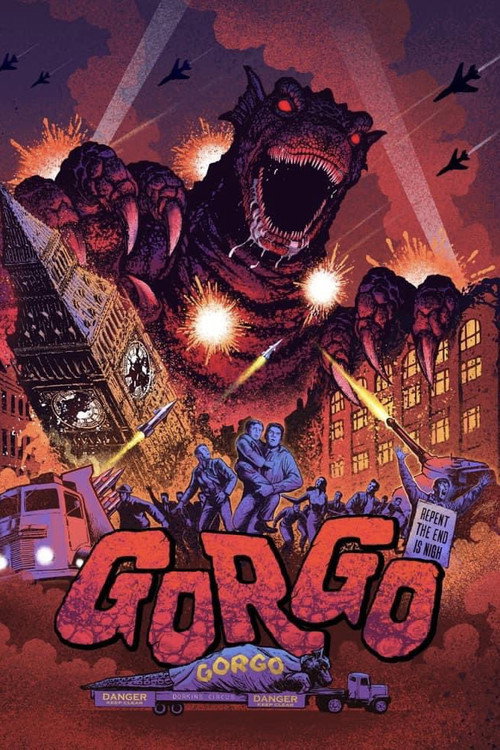
Gorgo1961
A British-Irish kaiju film that does things differently—it's wittier, more compact, and has a genuine twist in the third act. The miniature work is excellent and the tone is refreshingly lighter.
But As the non-Toho entry, it lacks the scale and technical ambition of the Japanese films, which may disappoint if that's what you're after.
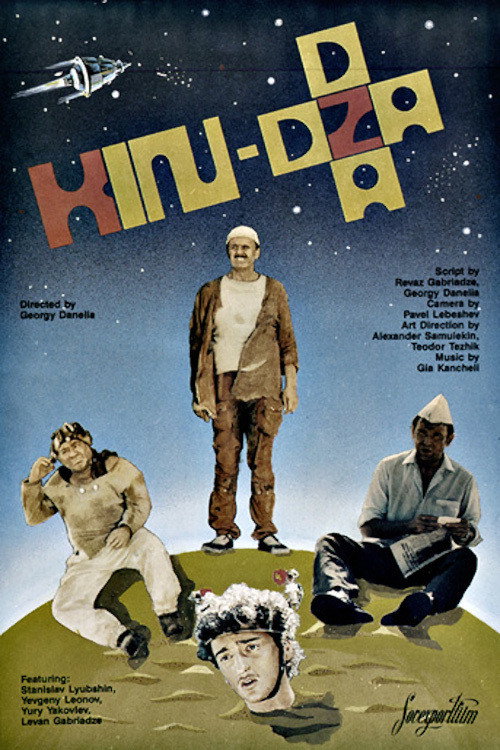
Kin-dza-dza!1986
Both are the products of their national film industries making giant spectacle with total conviction and practical craft. But Kin-dza-dza! uses that spectacle not for wonder or action, but to make you feel like an alien in a world with different rules entirely.
A Soviet science-fiction film of delirious ambition: a portal opens, the world rules change, and we're in a wasteland unlike anything Western sci-fi imagined. It's visually alien, structurally strange, and genuinely unsettling in a way Gamera never is.
But It's slow, it's weird, it's bleak, and it's in Russian. The film doesn't explain itself and the tone is antithetical to fun monster spectacle.
People
Cast
 Kōjirō HongōKeisuke Hirata
 Kyōko EnamiKaren
 Yūzō HayakawaKawajiri
 Takuya FujiokaDr. Sato
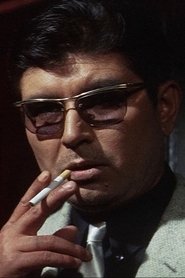 Kōji FujiyamaOnodera
 Sho NatsukiIchiro Hirata
- Yoshirō KitaharaProfessor Amano
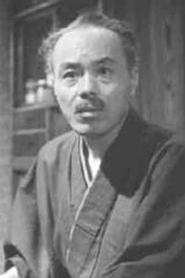 Ichirō SugaiDr. Matsushita
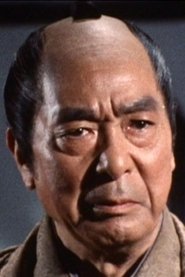 Bontarō MiakeSelf-Defense Force General
- Jutarō HōjōSelf-Defense Force Commander
- Kazuko WakamatsuSadae Hirata
 Yuka KonnoOnodera's Lover
Directing
- Shigeo TanakaDirector
- Masao SegawaFirst Assistant Director
Writing
- Nisan TakahashiScreenplay
Production
- Masaichi NagataExecutive Producer
- Yonejirô SaitôProducer
- Yoshizo NumataProduction Manager