
Film
Gamera, the Giant Monster
Japan's answer to Godzilla, except the monster is an armored flying turtle with an appetite for energy. A 1965 creature-feature mixing atomic-age anxiety with real affection for its shaggy-suited star. Earnest, visually inventive, and genuinely affecting where it counts—perfect if you love monsters that feel like characters.
Should you watch it?
Watch it if you have a soft spot for old-school kaiju films, where the rampage is staged with miniature cities, rubber suits and a sincere, slightly goofy earnestness that never quite winks at the camera.
Skip it if you want tight pacing and sharp characters, because the human scenes drag, the dialogue is stiff, and the rubber-suit effects will look rough to modern eyes.
What it asks of you: Runs under eighty minutes, with long stretches of scientists conferring in rooms between bouts of destruction, so the talk is as much of the bargain as the mayhem.
Not sure? Find tonight's pick in a minute.
If you liked this
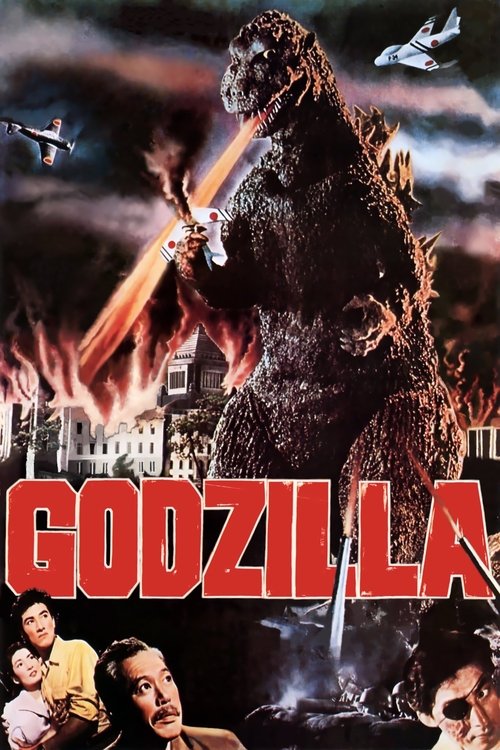
Godzilla1954
The template Gamera follows: a radioactive monster emerges from nowhere to devastate cities, forcing scientists and the military into helpless response. Raw, political, and treating its monster with unexpected gravity.
But Black-and-white, slow-paced in the first half, and subtitled. It's patient rather than thrilling.
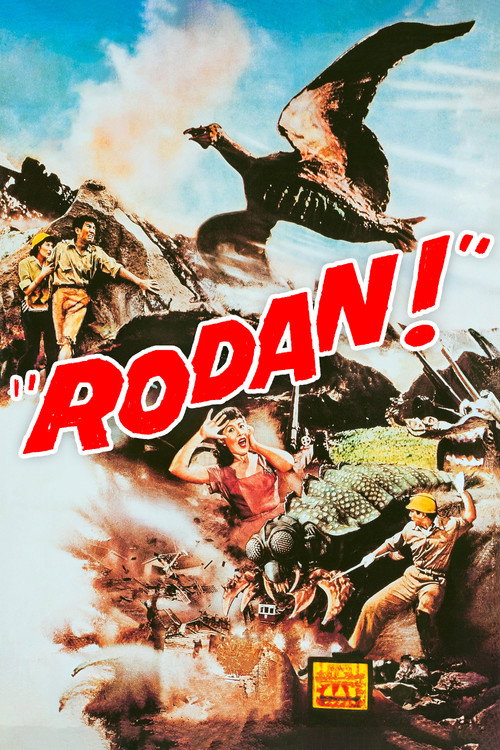
Rodan1956
Another Toho creature feature with flying monsters, impressive miniature work, and the same blend of destruction and wonder. A direct sibling to Gamera's DNA.
But Even slower than the original Godzilla, and the flying sequences can feel repetitive if you're not fully bought in.
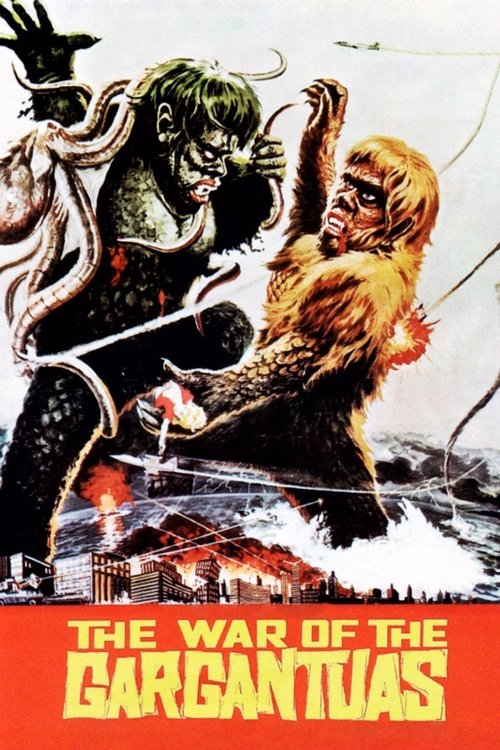
The War of the Gargantuas1966
Two giant monsters, family conflict, genuine pathos beneath the rubber suits. The same era, similar miniature craft, but with a stranger emotional core about motherhood and belonging.
But The pacing is meandering and some of the colour grading has faded. American dubbing is available but flat.
Not sure tonight? Get a pick in a minute, starting from Gamera, the Giant Monster
The wildcard
Something you would not have found on your own.
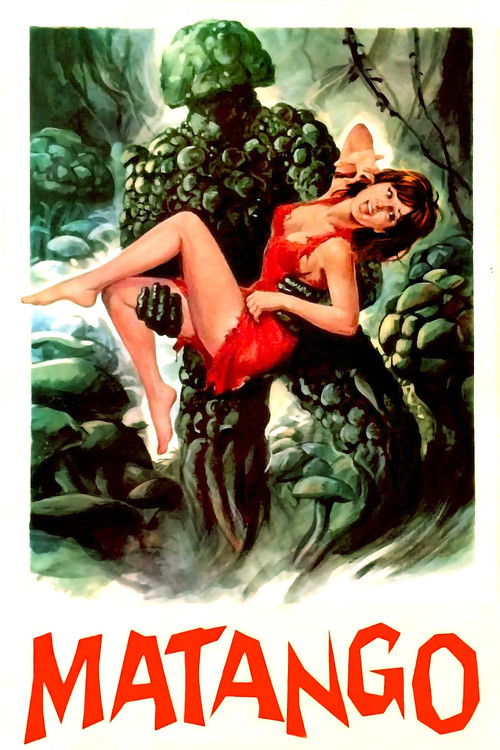
Matango1963
Both films use Japanese monster-suit craft to explore vulnerability and transformation rather than pure spectacle. The rubber suits in Matango invite disgust; in Gamera they invite sympathy. Same technique, opposite emotional registers.
A Toho film, same era and studio as Gamera, but a horror film where humans slowly transform into fungi on an abandoned ship. Body horror, isolation, and genuine dread dressed in the same creature-suit language.
But It's bleak in ways Gamera never is, and the creature design is unsettling rather than magnetic. Not comforting viewing.
More like this (7)
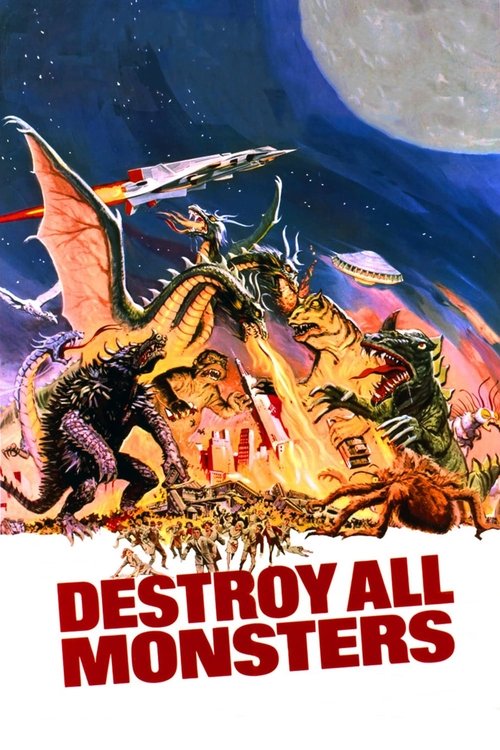
Destroy All Monsters1968
The Gamera films' Toho cousins firing on all cylinders: eleven monsters, undersea bases, alien invasion, and pure joy in destruction. If you loved Gamera, you need this.
But It's so busy juggling monsters that character gets steamrollered. Barely a plot, mostly an excuse to watch things fight.
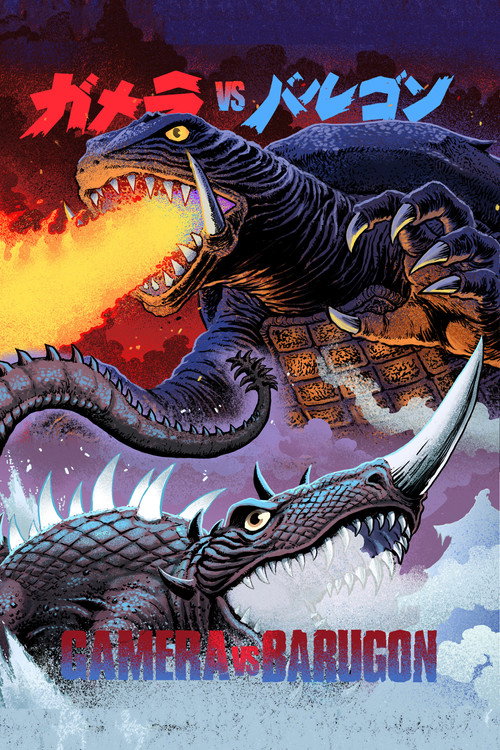
Gamera vs. Barugon1966
The first Gamera sequel, leaner and more confident than the original. The monster-versus-monster formula hits hard here, and the new creature is genuinely unsettling.
But The human storyline is thinner still, and if you're not invested in the suit work, there's less meat on the bone.
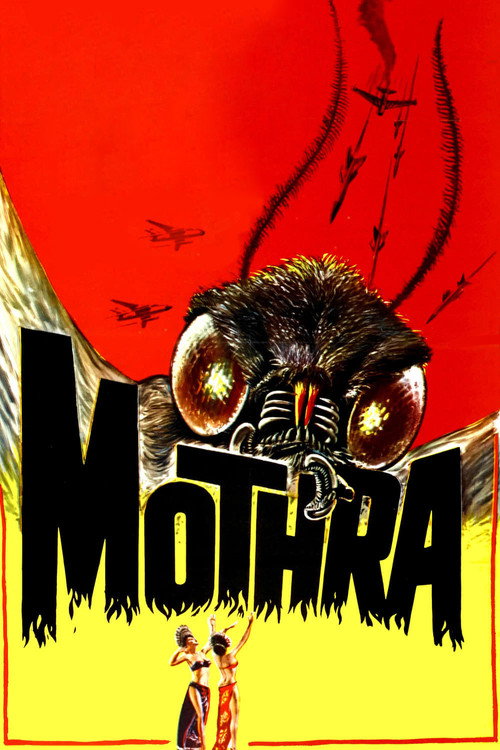
Mothra1961
A giant moth defending her eggs against human exploitation. Toho's most poetic kaiju film: strange, gorgeous, and built around genuine wonder rather than just destruction.
But It's a children's story at heart. The tone is gentler and the action sparse compared to Godzilla or Gamera.
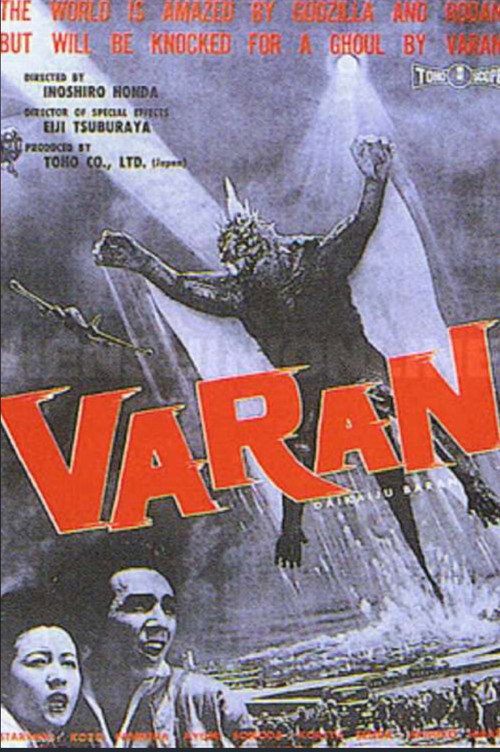
Varan1958
An armored dinosaur emerges from an underground lake and terrorizes Japan. The same era and studio as Gamera, with real miniature destruction and a creature that's oddly sympathetic.
But It's been chopped up and recut multiple times in different releases. Finding a coherent version is harder than it should be.
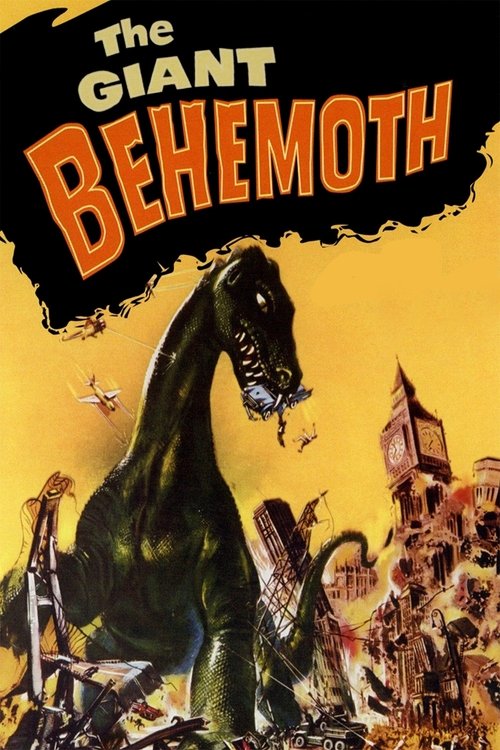
The Giant Behemoth1959
A radioactive dinosaur rises from the sea and slowly walks toward London. More meditative than frantic, with practical effects that still impress and a melancholy about its own inevitability.
But 'Slowly' is the operative word. Patience required, and the climax rushes through what the buildup promised.
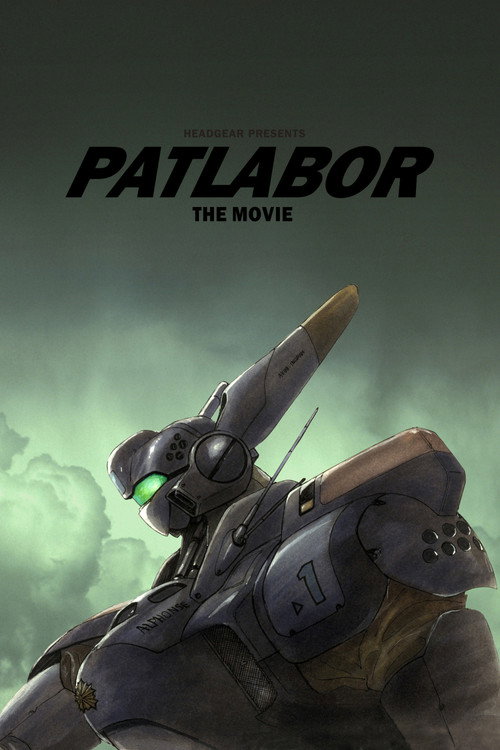
Patlabor: The Movie1989
Both create affection for their monsters by treating them as characters with interior lives rather than just weapons. The giant thing isn't evil—it's confused, or lonely, or misunderstood.
A giant robot film that treats its mechanical creature with the same earnestness Gamera offers its turtle. Miniature cities, a monster you come to care about, and the science-fiction machinery of disaster.
But It's animated, not live-action, and deeply rooted in franchise continuity. You need to meet it halfway, and anime's stylization won't click for everyone.
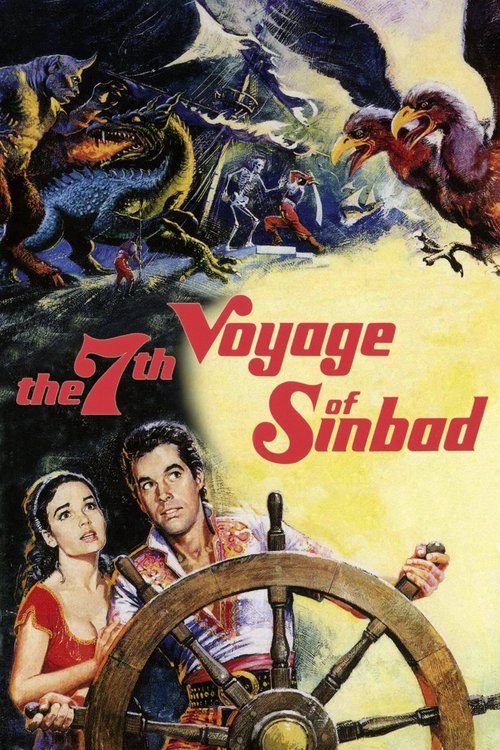
The 7th Voyage of Sinbad1958
Both are 1950s-60s creature films that invest deeply in *how* their monsters move and exist in space. The craftsmanship is the subject. Harryhausen's skeletons and Gamera's suit actor share the same DNA: bodies that carry personality through pure physical performance.
Stop-motion creatures in a fantasy adventure: a cyclops, a sword-fighting skeleton, a dragon. Pure tactile magic in the frame. Ray Harryhausen's masterpiece and the spiritual ancestor of what Gamera attempts with a suit instead of models.
But It's a fairy tale, not science fiction, and stop-motion can look stiff to modern eyes. No destruction of cities, and the pacing is deliberately unhurried.
People
Cast
 Eiji FunakoshiDr. Hidaka
 Junichiro YamashitaAoyagi
 Michiko SugataNobuyo Sakurai
- Harumi KiritachiKyoko Yamamoto
- Yoshirō KitaharaMr. Sakurai
 Bokuzen HidariOld Farmer
 Jun HamamuraProfessor Murase
- Jutarō HōjōSelf-Defense Force Commander
 Yoshio YoshidaEskimo Chief
 Kenji OyamaMinister of Defense
 Jun OsanaiMaru Captain
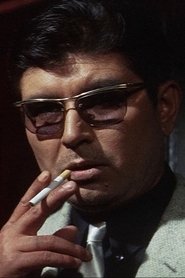 Kōji FujiyamaUS Arctic Base Commander
Directing
- Noriaki YuasaDirector
- Shima AbeFirst Assistant Director
Writing
- Nisan TakahashiScreenplay
Production
- Hidemasa NagataExecutive Producer
- Masaichi NagataExecutive Producer
- Yonejirô SaitôProducer
- Hiroaki UejimaProduction Manager
Recommended by
Godzilla, Rodan, Stargate, Justice League: The Flashpoint Paradox, The Spectacular Spider-Man, Gamera vs. Barugon, Marvel's Ultimate Spider-Man, Aranyak, Iron Man