
Film
The Giant Behemoth
A 1959 monster-on-the-loose thriller where atomic testing accidentally awakens a prehistoric dinosaur that shambles toward London. It's earnest, modestly budgeted creature-feature fun—the kind of film that treats its silly premise with straight-faced sincerity. Perfect for fans of atomic-age B-movies who want their sci-fi with rubber suits and genuine charm.
Should you watch it?
Watch it if you enjoy old-school monster movies built on atomic-age dread, where a creature from the deep is treated with straight-faced seriousness and a sense of the sea hiding something terrible.
Skip it if you need modern effects or a brisk pace, since the creature work and the pacing show their 1950s age and the middle stretches can feel slow and talky.
What it asks of you: It runs a brisk eighty minutes, so it is short, but it asks you to accept dated effects and patient scientific exposition before the monster finally takes center stage.
Not sure? Find tonight's pick in a minute.
If you liked this
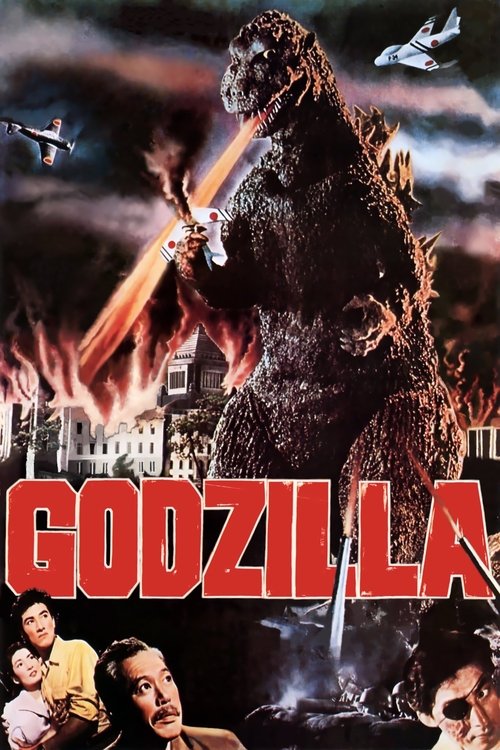
Godzilla1954
The progenitor of the atomic-age monster movie. A massive creature emerges from the ocean as a direct result of nuclear testing, delivering genuine dread alongside spectacular destruction. It's the film that proved these stories could matter.
But It's in Japanese with subtitles, and the pacing is slower than modern audiences expect. Some find the human drama distracts from the monster action.
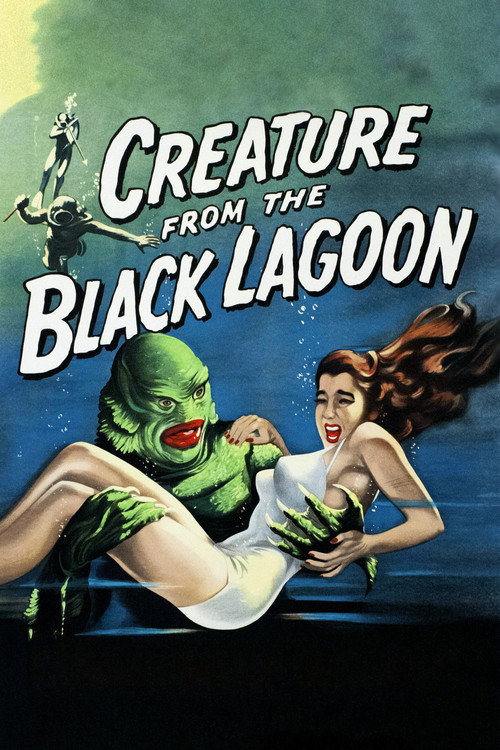
Creature from the Black Lagoon1954
A beautifully shot creature feature with genuine suspense and a monster design that remains iconic. The underwater sequences are inventive for the era, and it understands that mystery is scarier than exposition.
But The female character exists mainly to be endangered and rescued. The 3D gimmick the film was made for doesn't translate well to modern viewing.
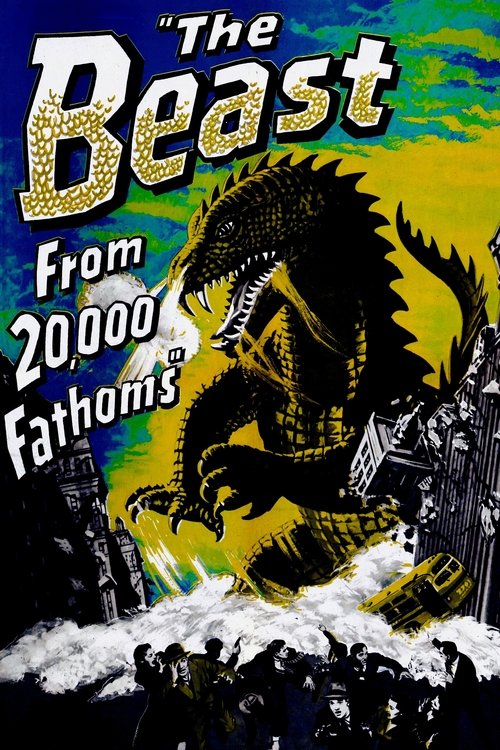
The Beast from 20,000 Fathoms1953
Atomic bomb thaws a prehistoric reptile in the Arctic, which proceeds to destroy New York. Ray Harryhausen's stop-motion work is genuinely impressive, and the film moves with propulsive energy and real invention.
But The dialogue scenes can feel like filler between creature moments. The human plot is thin even by 1950s standards.
Not sure tonight? Get a pick in a minute, starting from The Giant Behemoth
The wildcard
Something you would not have found on your own.
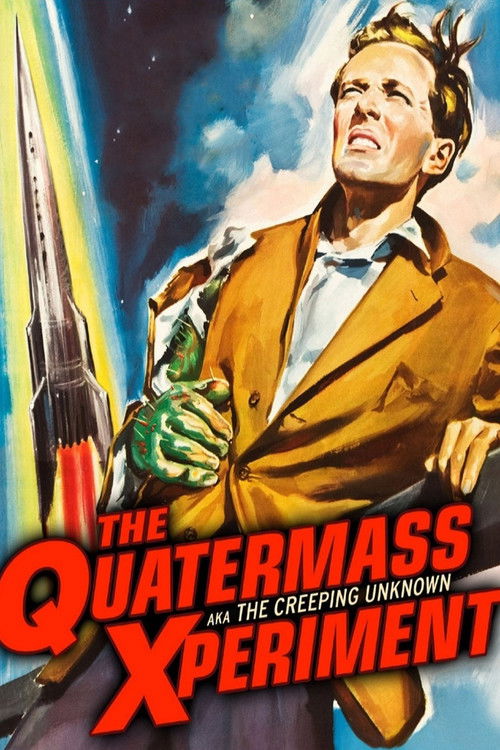
The Quatermass Xperiment1955
Both are British atomic-age creature features that treat their premises with earnest sincerity rather than camp, using the monster as a physical manifestation of Cold War anxieties and scientific hubris gone wrong.
A returning space capsule brings back something alive and infectious that begins absorbing human flesh. British sci-fi horror that's genuinely grotesque and disturbing—far grimmer in tone and biological horror than The Giant Behemoth, with an emphasis on body horror and contamination.
But It's bleak and unrelenting, with no comforting sentimentality. The climax is brief and abrupt, which some find unsatisfying.
More like this (8)
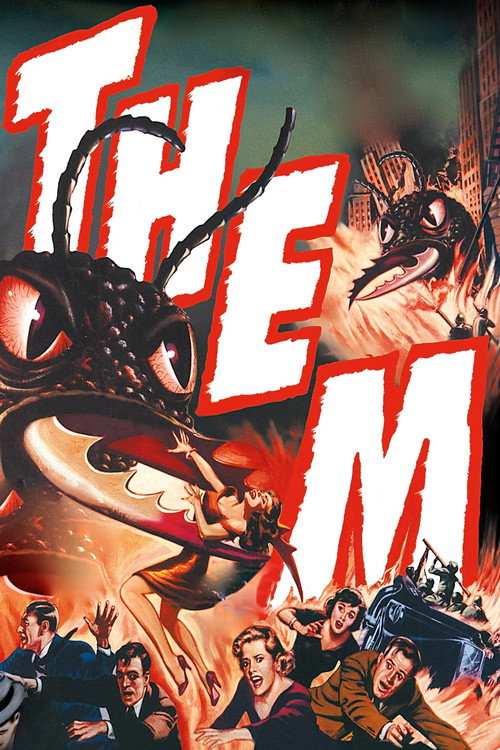
Them!1954
Giant ants, created by atomic testing, swarm across the American Southwest. It's smarter than it sounds—rooted in genuine Cold War anxiety, with strong performances and excellent creature design and suspense.
But It takes nearly an hour before you get a good look at the ants. The science talk, while period-accurate, can drag for modern viewers impatient for spectacle.
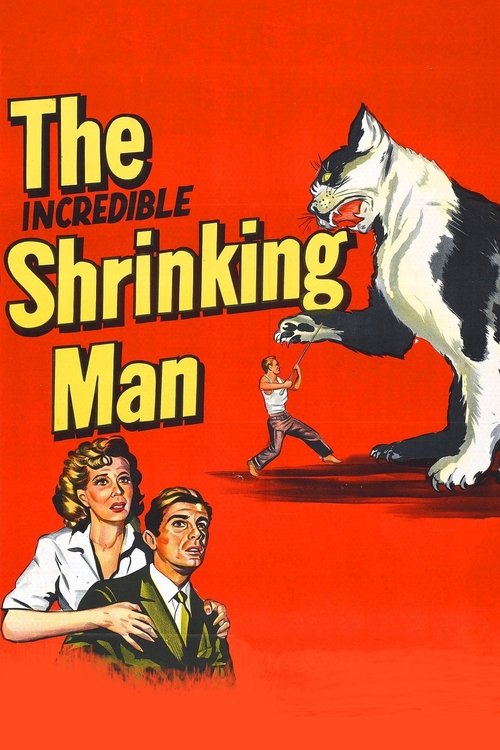
The Incredible Shrinking Man1957
A man exposed to radioactive mist begins shrinking, forcing him into progressively nightmarish encounters with everyday objects and animals. It's a 1950s B-movie that transcends its premise into genuine existential horror and tragedy.
But It's fundamentally about despair and loss of control. Some find the ending bleak rather than profound.
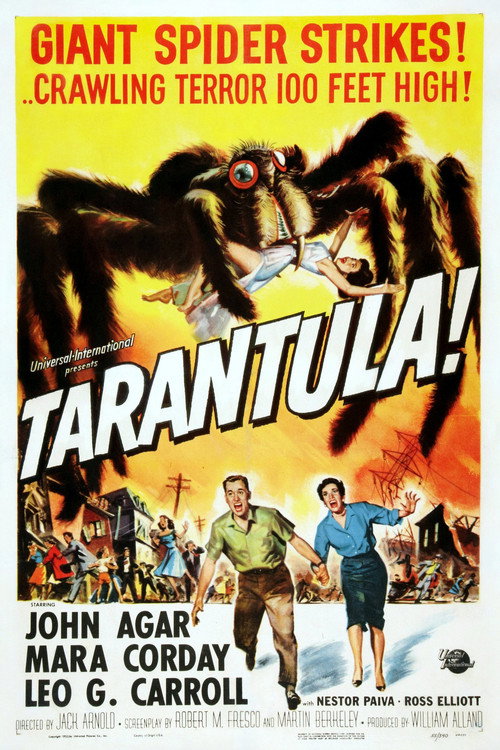
Tarantula1955
A giant spider grows to kaiju proportions in the Arizona desert. Competent creature effects for the era, clear-eyed direction, and a lean 80-minute runtime that doesn't overstay its welcome.
But It follows a standard formula with minimal character development. The ending is perfunctory and unsatisfying.
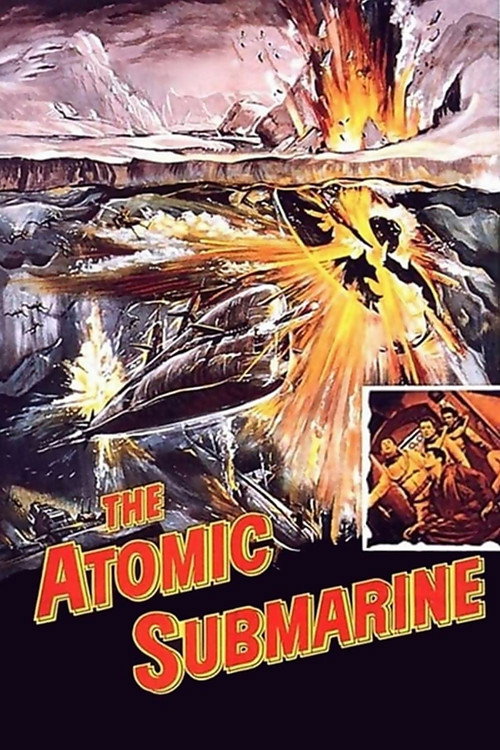
The Atomic Submarine1959
An alien lurks beneath the Arctic ice, and a submarine crew must confront it in claustrophobic underwater scenes. It's admirably weird and committed to its premise in ways that feel genuinely uncanny.
But The dialogue is stilted and the acting uneven. The low budget shows, and not always in charming ways.
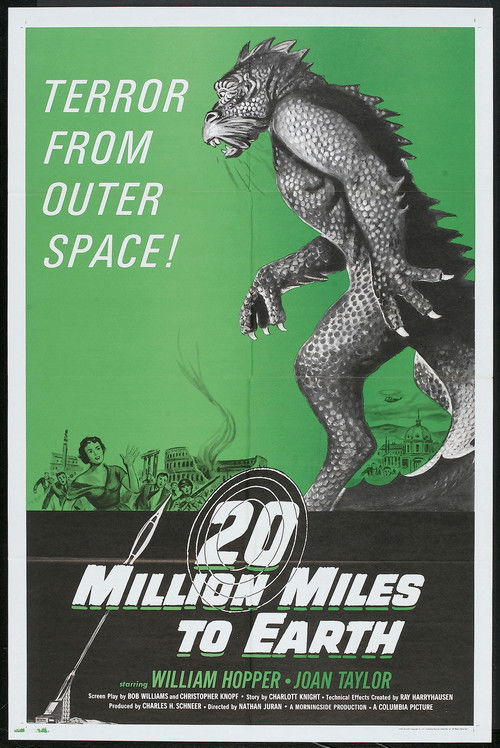
20 Million Miles to Earth1957
A space probe from Venus returns with an alien creature that grows to monstrous size on Earth. Ray Harryhausen stop-motion, a Rome setting unusual for the era, and surprisingly thoughtful about humanity's arrogance.
But The human drama is melodramatic and dated. Large sections are spent on military bureaucracy rather than creature encounters.
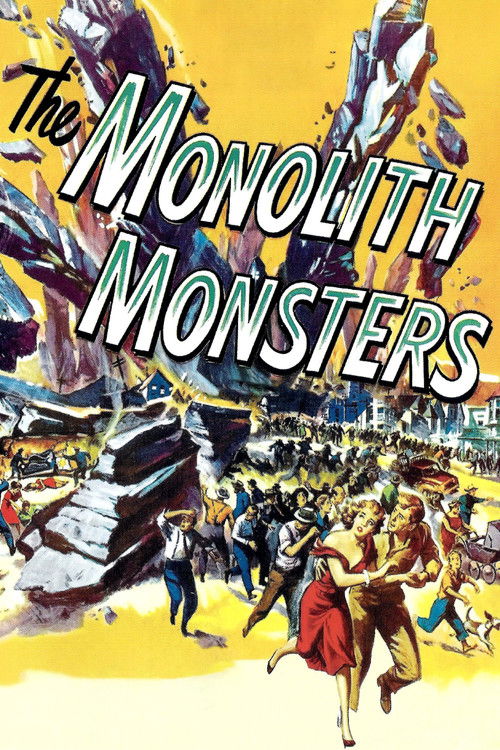
The Monolith Monsters1957
A meteorite shatters and its fragments grow into towering stone formations that threaten to destroy California. It's a genuinely original monster concept with solid execution and a strong female lead for the era.
But The pacing is uneven and some sequences feel padded. The science is nonsensical even by 1950s standards.
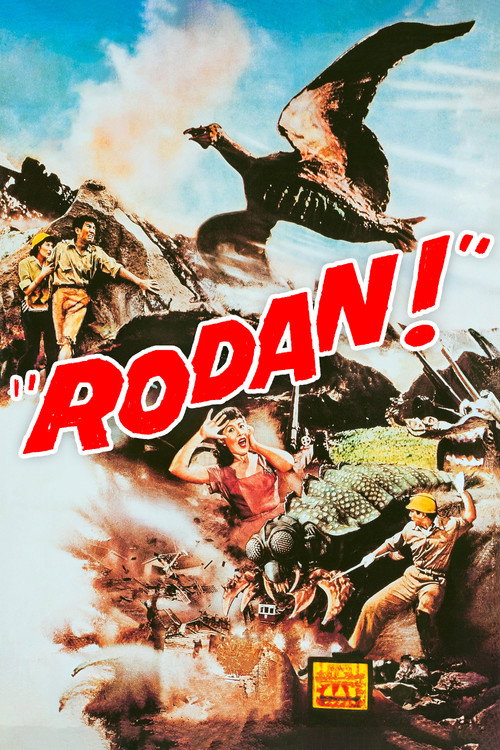
Rodan1956
Both feature creatures awakened or empowered by human industrial interference, but Rodan is mythic and tragic where Behemoth is pulpy—showing what the atomic-monster film could become in the hands of a major studio.
Two enormous pterodactyls awakened by mining operations terrorize Japan in Toho's stunning color spectacle. The cinematography is gorgeously composed, the destruction sequences rival Godzilla, and it understands the tragic grandeur of watching ancient things reclaim the world.
But It's subtitled, slower-paced than Western creature features, and the human plot is minimal. It prioritizes mood over action in ways that test modern patience.
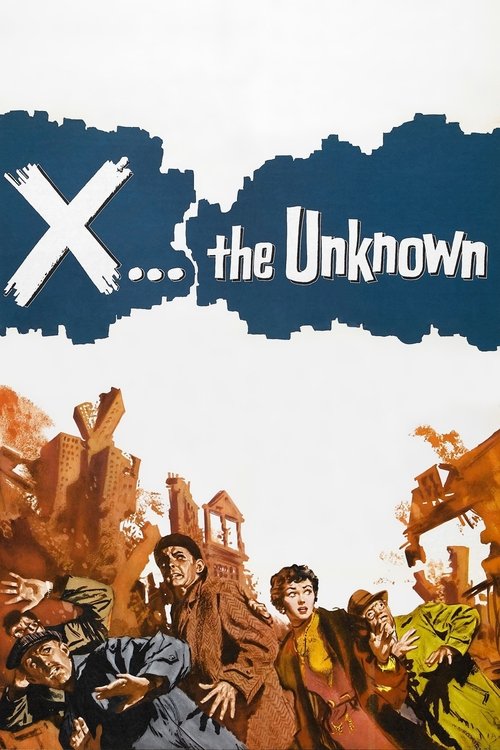
X: The Unknown1956
Both pit ordinary military and scientific personnel against phenomena they don't initially understand, but X uses restraint and suggestion where Behemoth uses rubber suits and spectacle—two completely different answers to the same atomic-age question.
An amorphous radioactive organism emerges from the earth near a Scottish military base, drawn to radiation like a moth to flame. Brilliantly atmospheric British sci-fi horror that emphasizes dread and invisibility over visible monsters, building tension from uncertainty rather than spectacle.
But You rarely see the threat clearly; most horror comes from aftermath and implication. The second half becomes conventional military procedural, losing some of its atmospheric power.
People
Cast
 Gene EvansSteve Karnes
 André MorellProf. James Bickford
 Leigh MadisonJean Trevethan
 John TurnerJohn
 Alastair HunterDr. C. A. Morris, the village doctor
 Lloyd LambleSenior Admiral, at the Admiralty
 Jack MacGowranDr. Sampson, the paleontologist
 Maurice KaufmannMini Submarine Officer
 Henri VidonTom Trevethan
 Patrick JordanPhoto Lab Aide
- Howard LangNaval Commader, at the "Valkyrie" wreck (uncredited)
 Leonard SachsDialogue Scientist at Conference (bit)
Directing
- Jennifer HerrinshawContinuity
- Eugène LouriéDirector
- Kim MillsFirst Assistant Director
Writing
- Daniel JamesScreenplay
- Eugène LouriéScreenplay
- Alan J. AdlerStory
- Robert AbelStory
Production
- David DiamondProducer
- Ted LloydProducer
- Jacques de Lane LeaProduction Manager
Recommended by
Gamera, the Giant Monster, Tarantula, The Valley of Gwangi, It Came from Hollywood, The Monster That Challenged the World, Dinosaurus!, The Black Scorpion, Night of the Lepus, The Horror of Party Beach