
Film
The Quatermass Xperiment
- Science fiction
- Body horror
- Mystery
- Very dark
Britain's first space mission returns with only one crew member—and he's transforming into something monstrous. This 1955 British sci-fi milestone plays like a medical horror film crossed with a detective story, all escalating dread and practical effects. It's for anyone who loves genre cinema that treats impossible things seriously.
Should you watch it?
Watch it if you love old-school British sci-fi where the dread builds through talky, clipped scientists and a creeping sense that something has gone badly wrong in a very ordinary setting.
Skip it if you want brisk spectacle or modern effects, since this is a stagey, black-and-white 1950s picture with rubber-suit style shocks and a good deal of earnest procedural talk.
What it asks of you: Eighty-odd minutes of patience, with most of the tension coming from interrogation rooms and hushed exchanges rather than action, so settle in and let it come to you.
Not sure? Find tonight's pick in a minute.
If you liked this
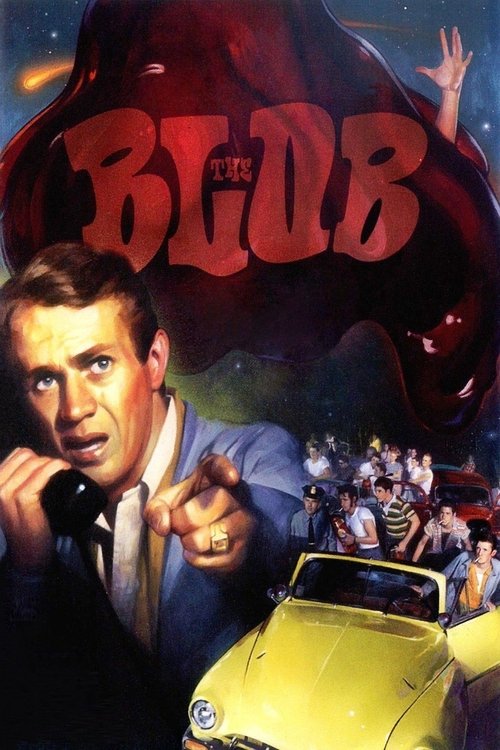
The Blob1958
An American space-age creature feature made just three years later, featuring another unstoppable entity that forces scientists and authorities into crisis mode. Sharp, kinetic, and genuinely unsettling.
But The pacing is relentless rather than thoughtful—less time for character contemplation, more time for spectacle and running.
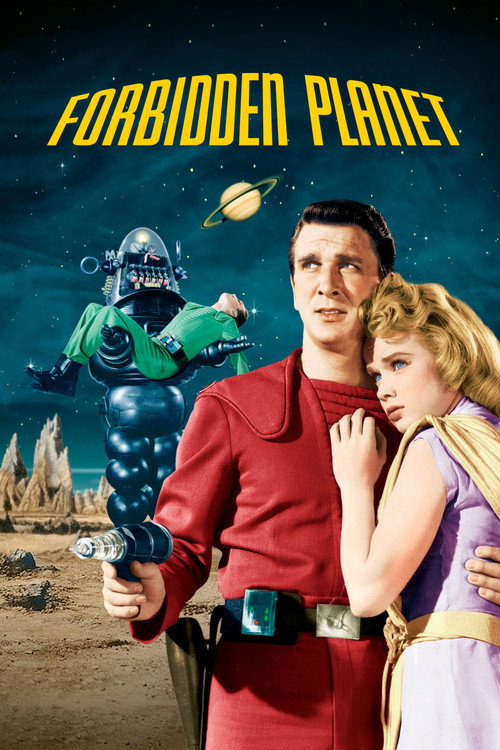
Forbidden Planet1956
A year after Quatermass, this lavish MGM production imagines the future with optimism and ambition. Robby the Robot, fantastic design, and a Shakespeare-haunted narrative. Essential 1950s sci-fi.
But It's enormous and confident in a way that can feel distant. The tone is grand rather than intimate or claustrophobic.
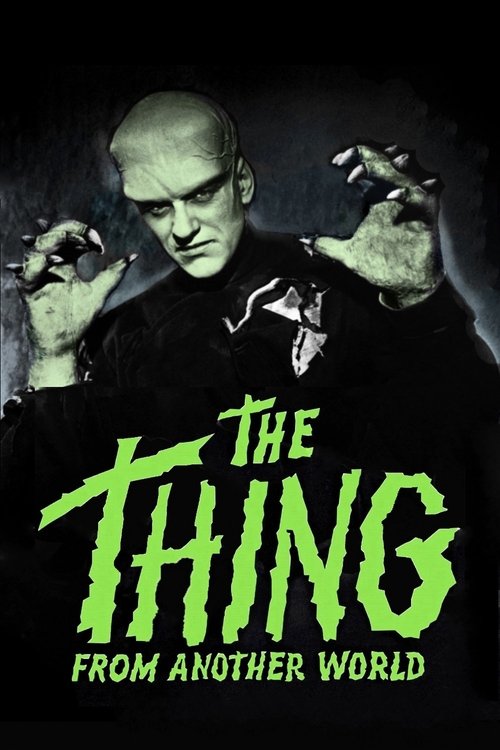
The Thing from Another World1951
An earlier American answer to the same fear: an alien visitor, an isolated location, growing paranoia. Howard Hawks' influence makes this taut and darkly funny, with excellent chemistry between the cast.
But The monster suit is less convincing than Quatermass's body horror, and the film leans harder into action-adventure than scientific unease.
Not sure tonight? Get a pick in a minute, starting from The Quatermass Xperiment
The wildcard
Something you would not have found on your own.
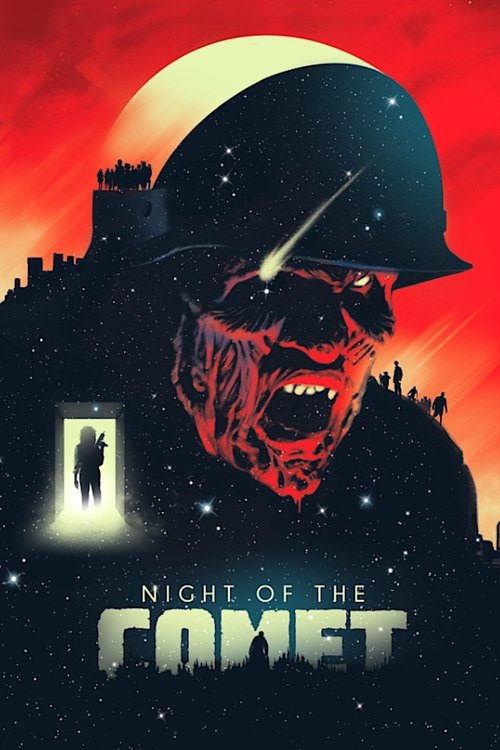
Night of the Comet1984
Both begin with a cosmic event that leaves survivors changed or isolated, but where Quatermass asks 'What's wrong with him?', Comet asks 'What do we do now?' Same premise, inverted energy.
A comet passes Earth and vaporizes most of humanity. Two girls wake up in an empty Los Angeles and have to survive. It's a post-apocalyptic love letter to B-movies that knows exactly what it is.
But The budget shows—some effects look cheap even by the standards of 1984. The tone wavers between campy and sincere in ways that won't land for everyone.
More like this (8)
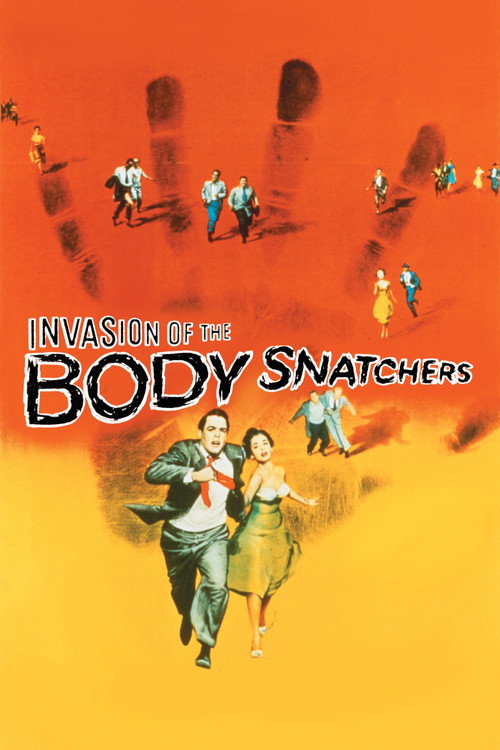
Invasion of the Body Snatchers1956
Made the same year, this taps similar fears about invasion and bodily autonomy. Paranoid, methodical, and genuinely terrifying. A masterpiece of cheap American sci-fi.
But The ending is bleak and offers no comfort. Some find it emotionally exhausting rather than entertaining.
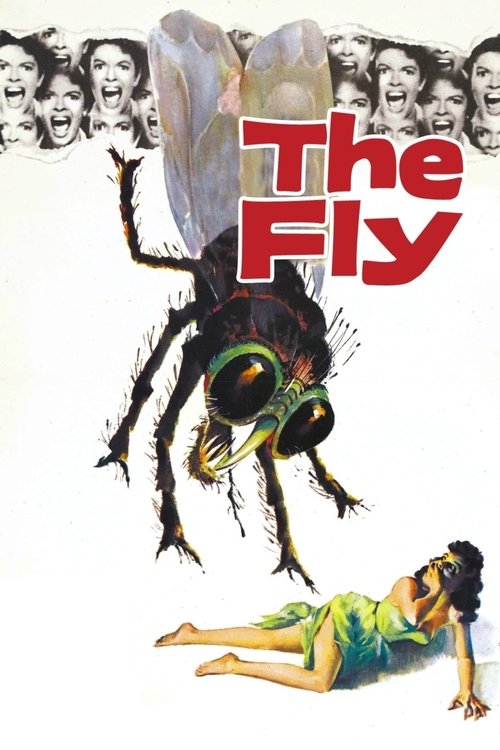
The Fly1958
Another scientist whose experiment goes catastrophically wrong, resulting in slow, ghastly transformation. Gruesome practical effects and genuine tragedy. Haunting and deeply uncomfortable.
But The body horror intensifies as it goes. Not for anyone queasy about visceral imagery, and the final act is genuinely difficult to watch.
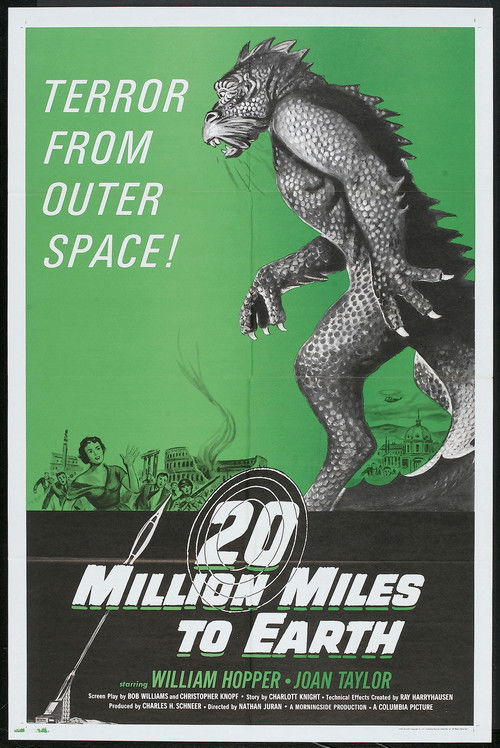
20 Million Miles to Earth1957
A spacecraft returns from Venus carrying something that shouldn't exist. Ray Harryhausen's stop-motion effects are magical, and the film balances wonder with genuine threat.
But It's lighter in tone and shorter on character depth. The monster is ultimately more curious than truly terrifying.
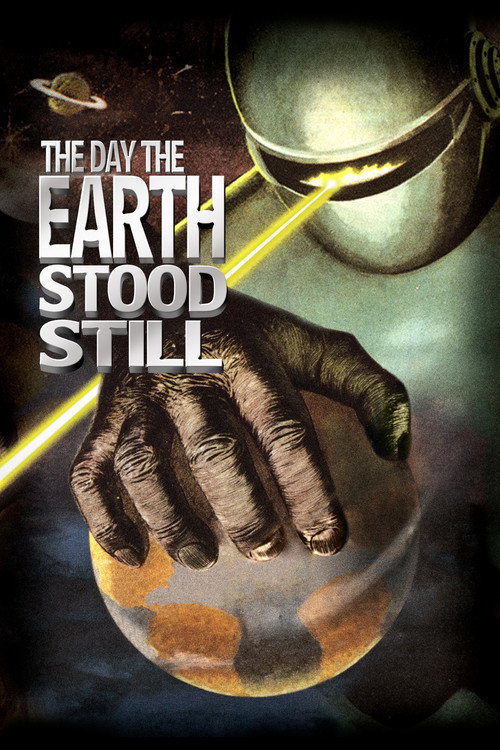
The Day the Earth Stood Still1951
An alien visitation that forces humanity to reckon with itself. Thoughtful, measured, and concerned with consequences. Michael Rennie is quietly commanding.
But It's a message film dressed as sci-fi, and the message is front and centre. Some will find the pacing philosophical rather than thrilling.
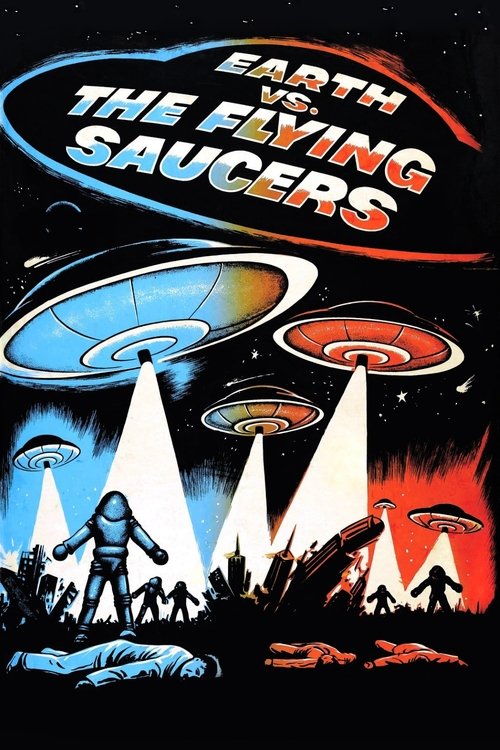
Earth vs. the Flying Saucers1956
Invasion from the skies, government response, building dread. More action-heavy than Quatermass, with stunning Harryhausen sequences. Pure, urgent fun.
But The character development is thin and the dialogue is functional. You're here for the spectacle, and if that doesn't move you, there isn't much else.
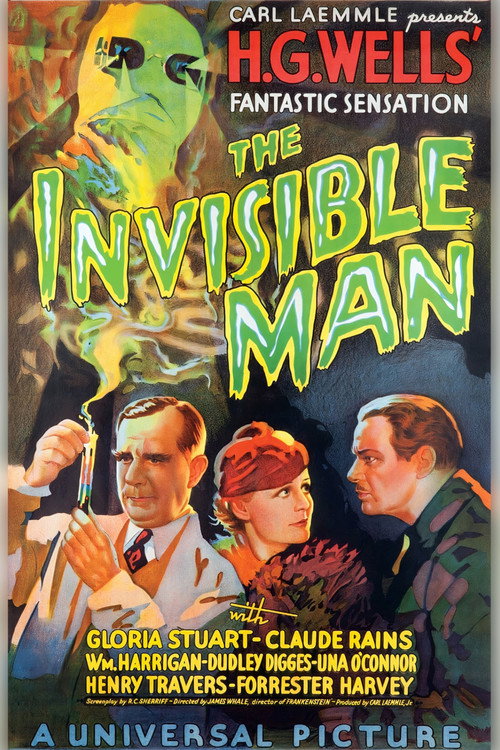
The Invisible Man1933
An earlier British masterpiece about a scientist transformed by his own work into something monstrous. Technically brilliant, genuinely disturbing, and Claude Rains is extraordinary.
But It's over ninety years old now. The pacing is deliberately slow, and some will find the black-and-white photography and theatrical style alienating.
Seconds1966
Both are about the human body as a site of horror—not invasion but metamorphosis. Quatermass is about what happens to you; Seconds is about what you choose and regret.
A company offers to give you a new body and identity. Stunning black-and-white cinematography, deeply unsettling body horror, and a philosophical nightmare about reinvention. Rock Hudson in the role of his life.
But It's relentlessly bleak and argues that transformation is always loss, never gain. The second half becomes a descent with no mercy. Some will find it punishing.

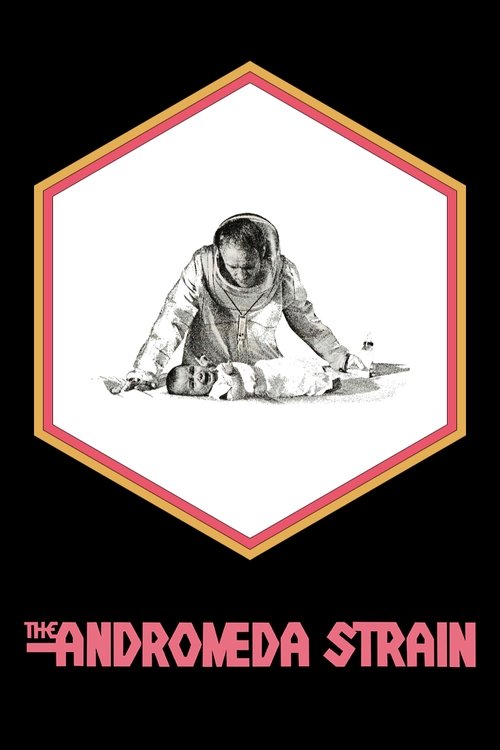
The Andromeda Strain1971
Both treat sci-fi invasion as a technical problem requiring institutional response, not Hollywood heroics. Both are obsessed with containment and the limits of human knowledge in the face of the unknown.
A satellite returns from space carrying a microscopic alien organism that kills instantly. Robert Wise's meticulous procedural watches scientists in a sealed laboratory race against contamination. Intellectual and gripping.
But It's cerebral to the point of coldness—dialogue is technical, there's minimal character warmth. If you need emotional stakes beyond the survival of humanity, you won't find them.
People
Cast
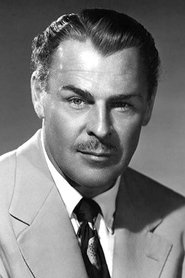 Brian DonlevyProf. Bernard Quatermass
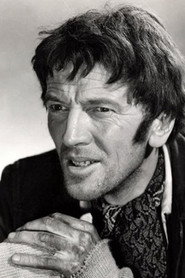 Richard WordsworthVictor Carroon
 David King-WoodDr. Gordon Briscoe
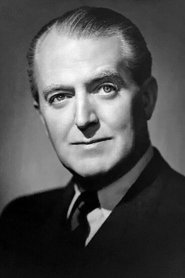 Jack WarnerInspector Lomax
 Margia DeanJudith Carroon
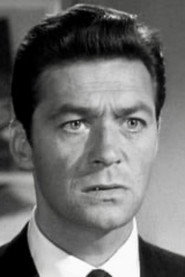 Maurice KaufmannMarsh
- John WynnDetective Sergeant Best
 Harold LangChristie
 Lionel JeffriesBlake
 Thora HirdRosie Wrigley
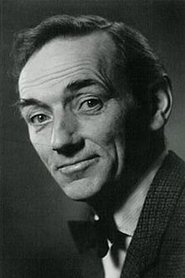 Sam KyddPolice Sergeant Questioning Rosie
 Jane AsherLittle Girl (uncredited)
Directing
- Bill ShoreAssistant Director
- Val GuestDirector
Writing
- Richard H. LandauScreenplay
- Val GuestScreenplay
- Nigel KnealeTeleplay
Production
- Anthony HindsProducer
- T.S. Lyndon-HaynesProduction Manager
Recommended by
Invaders from Mars, 20 Million Miles to Earth, It Came from Outer Space, The Fly, Lifeforce, Frankenstein Meets the Wolf Man, Harbinger Down, Strange Invaders, Earth vs. the Flying Saucers, The Mole People, The Thing That Couldn't Die, The Giant Behemoth, Donovan's Brain, The Hideous Sun Demon, Splinter, Journey to the Seventh Planet, The Revenge of Frankenstein, Blood of the Vampire, The Deadly Spawn, Attack of the Crab Monsters, The Navy vs. the Night Monsters, Island of Terror, The Vulture, The Brain