
Film
The Mole People
A 1956 B-movie expedition finds a subterranean Sumerian civilization of pale, eyeless mutants beneath a mountain glacier. It's earnest schlock—creatures shuffling in creepy makeup, dialogue delivered with unwavering seriousness, cold war-era anxieties about mutation and the unknown. Pure mid-century pulp, exactly as ridiculous and watchable as it sounds.
Should you watch it?
Watch it if you enjoy lurid, earnest 1950s monster pictures where a sincere scientific expedition stumbles into a buried civilization and the B-movie sets and rubber-suited creatures are part of the charm.
Skip it if you need polished effects or a modern pace; at 77 minutes it moves in clunky, talky stretches, and the period acting and stagey dialogue can feel stiff to a current viewer.
What it asks of you: Patience for slow, expository scenes between the bursts of action, and a willingness to take its gravely sincere tone at face value for just over an hour and a quarter.
Not sure? Find tonight's pick in a minute.
If you liked this
Journey to the Center of the Earth1959
Another Twentieth Century Fox adventure from the same era: a handsomely mounted expedition into impossible terrain with impressive sets and creature effects that take themselves seriously despite the premise.
But The dialogue is leaden, the romance subplot glacial, and glacial pacing means you'll feel every one of its 132 minutes.

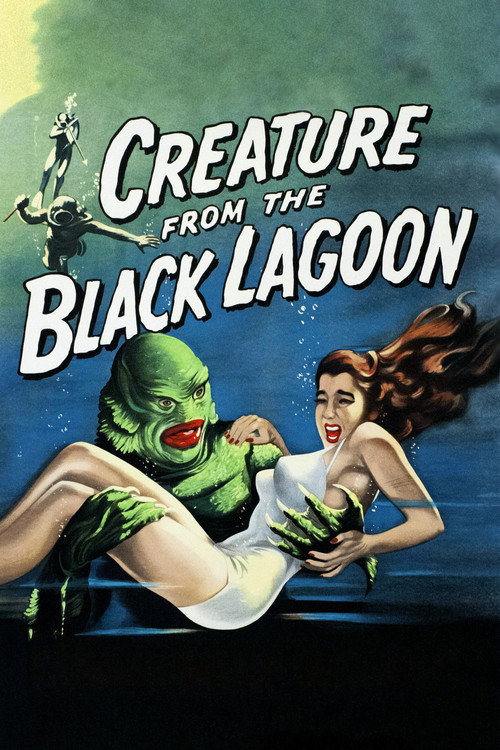
Creature from the Black Lagoon1954
Universal's masterclass in B-movie creature design: a sympathetic monster, atmospheric underwater photography, and genuine tension despite a tiny budget. The creature is genuinely eerie.
But It's slower than you'd expect, and the plot—scientist couple, love triangle, capture attempts—follows formula precisely.
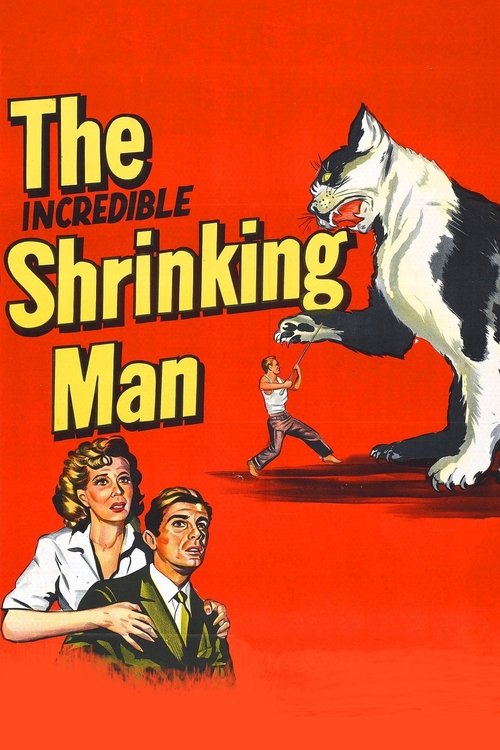
The Incredible Shrinking Man1957
Same era, same studio B-movie roots, but with real philosophical weight. A man shrinking into nothingness becomes a meditation on powerlessness and existence. Genuinely unsettling.
But It's quieter and stranger than The Mole People—less fun, more dread. The ending is bleak.
Not sure tonight? Get a pick in a minute, starting from The Mole People
The wildcard
Something you would not have found on your own.
Metropolis1927
Both stage discovery of a subterranean civilization as moral reckoning: what we do to the trapped, forgotten, and mutated speaks more than what they look like.
Fritz Lang's 1927 masterpiece contains the exact moral DNA of The Mole People: a hidden underclass, exploitation, surface dwellers discovering brutal truth. It's visually staggering—Art Deco towers, vast crowds, genuine expressionist dread—and predates atomic-age B-movies by three decades, showing where they inherited their anxieties.
But Nearly three hours of silent film with intertitles; the restoration is incomplete in most cuts, and the pacing is operatic rather than propulsive.

More like this (8)
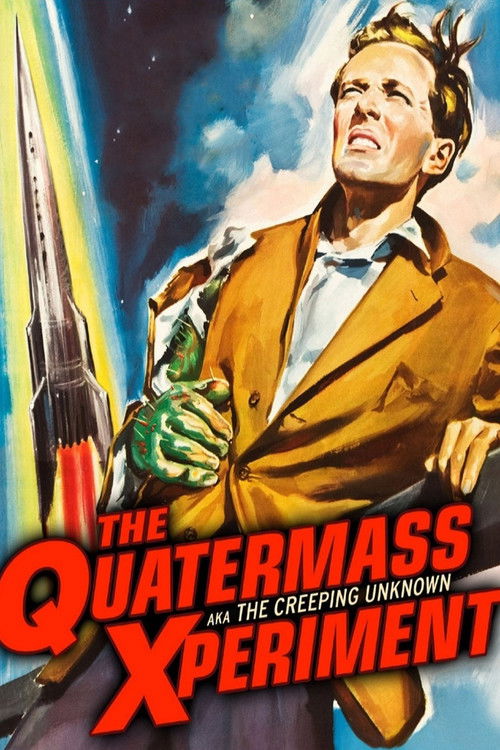
The Quatermass Xperiment1955
A British answer to American atomic-age B-movies: expert pacing, credible science jargon, and a mutation body-horror concept that still crawls under your skin. Lean and mean.
But The print quality can be rough, and British restraint means less of the campy melodrama that makes The Mole People charming.
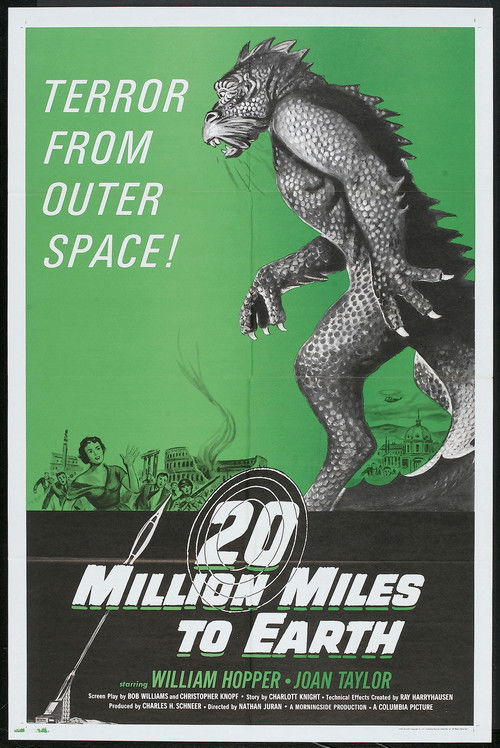
20 Million Miles to Earth1957
Ray Harryhausen stop-motion spectacle: a creature from Venus grows to enormous size, destroying Rome. Practically a greatest hits of 1950s sci-fi schlock, and absolutely beautifully made.
But The human characters are cardboard, and the plot is there mainly to justify more monster footage.
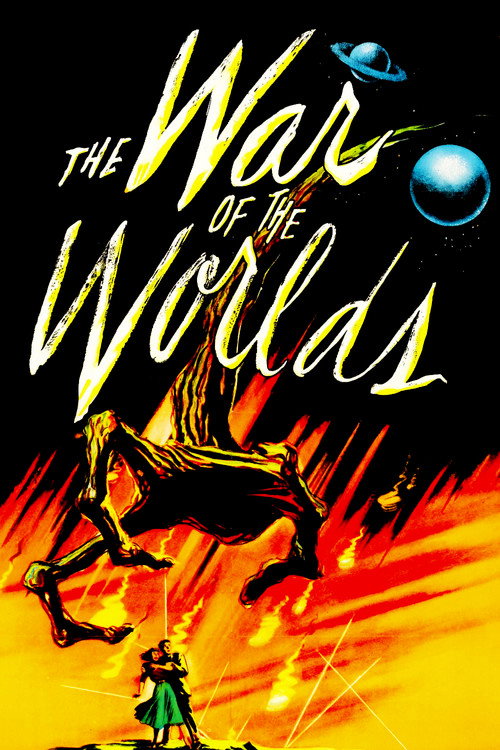
The War of the Worlds1953
Spielberg-era production values applied to H.G. Wells in the 1950s: Martian heat-rays, impressive models, and genuine apocalyptic dread. Colour cinematography elevates everything.
But Cold war allegory weighs down the adventure, and the ending feels like a sermon.
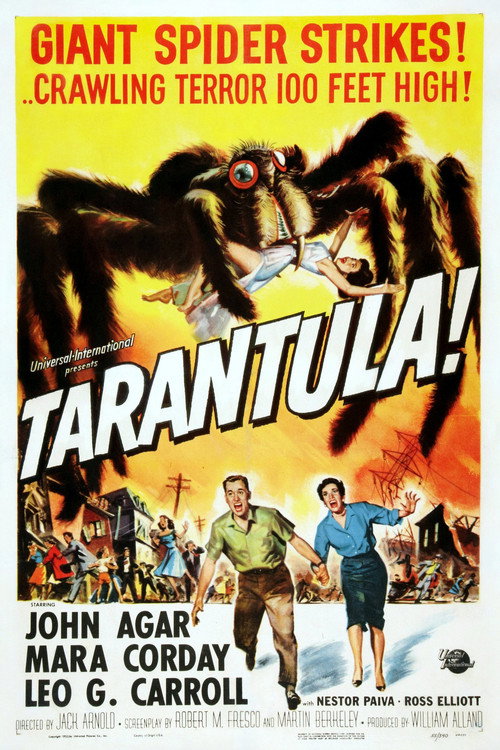
Tarantula1955
Giant spider terrorizes Arizona; atmospheric desert photography, Clint Eastwood in an early role, and the creature effects hold up. It commits completely to the premise.
But The growth explanation is risibly pseudo-scientific, and the pacing drags in stretches.
The Thing from Another World1951
An alien at an Arctic research station: paranoia, isolation, practical effects that feel visceral. Hawksian dialogue snaps across the screen. Genuinely influential on everything that followed.
But The monster itself is underwhelming—a tall man in a suit—and the human drama sometimes outpaces the tension.

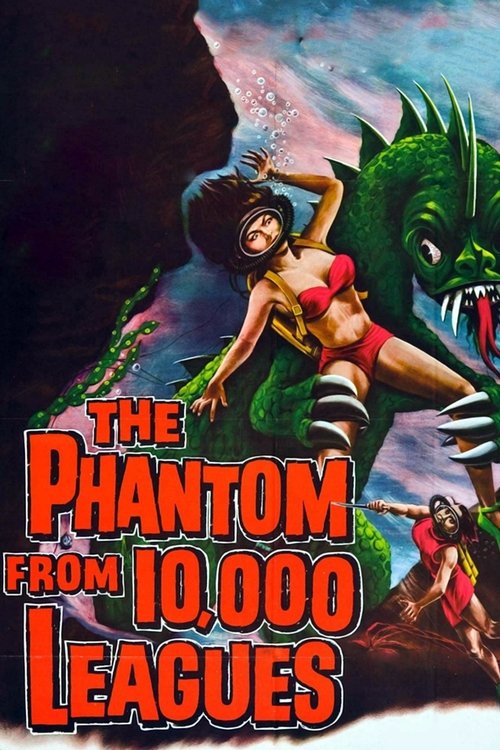
The Phantom from 10,000 Leagues1955
Bottom-shelf monster movie with a radioactive sea creature, amateur production values that somehow add to the charm, and commitment to weirdness that borders on surreal.
But It's genuinely inept in places; the monster scenes are badly lit, the dialogue often incomprehensible, the plot threadbare.
Arrival2016
Both explore what happens when humans encounter the radically other—but Arrival asks what we might learn, while The Mole People asks what we might destroy.
A linguist attempts communication with alien visitors through language and time. Structurally cerebral, visually stunning in quiet ways, and deeply moving about mortality and meaning. It's sci-fi as philosophy rather than spectacle.
But Glacially meditative; no creature menace, no action, and the central twist depends on accepting a metaphysical idea that doesn't convince everyone.

The Descent2005
Both use underground creatures as a mirror to what lies beneath civility; Descent inverts the moral: the monsters are not explorers' victims but the explorers' prey.
A caving expedition encounters eyeless pale creatures in underground caverns. It's The Mole People remade with genuine claustrophobic horror, practical creature effects, and visceral intensity. Feminist subtext runs through everything; it's vicious and alive.
But Relentlessly violent and bleak; the second half is almost unwatchable for gore, and there's no comfort or resolution, only damage.

People
Cast
 John AgarDr. Roger Bentley
 Cynthia PatrickAdad
 Hugh BeaumontDr. Jud Bellamin
 Alan NapierElinu, the High Priest
 Nestor PaivaProf. Etienne Lafarge
 Phil ChambersDr. Paul Stuart
 Rodd RedwingNazar
 Robin HughesFirst Officer
 Eddie ParkerMole Person
 Frank BaxterSelf (as Dr. Frank C. Baxter)
 Robert F. HoyMole Person
Recommended by
20 Million Miles to Earth, Frankenstein Meets the Wolf Man, The Creature Walks Among Us, Son of Frankenstein, Revenge of the Creature