
Film
The Creature Walks Among Us
The final film in Universal's Creature trilogy transforms its monster into an air-breather through mad science. It's a melancholy creature-feature that trades scares for pathos, watching a being caught between worlds as scientists exploit his transformation. For fans of 1950s sci-fi who appreciate the tragedy beneath the monster-suit.
Should you watch it?
Watch it if you have a soft spot for old monster pictures that take their science seriously, and you want a creature feature with a quietly sad undercurrent running beneath the chase.
Skip it if you want a fast, scary monster romp, since much of this one is lab talk and dialogue before the creature gets properly loose.
What it asks of you: Expect a brisk 79 minutes with a lot of talking in white coats, then short, sharp bursts of violence and a mood that stays grim rather than playful.
Not sure? Find tonight's pick in a minute.
If you liked this
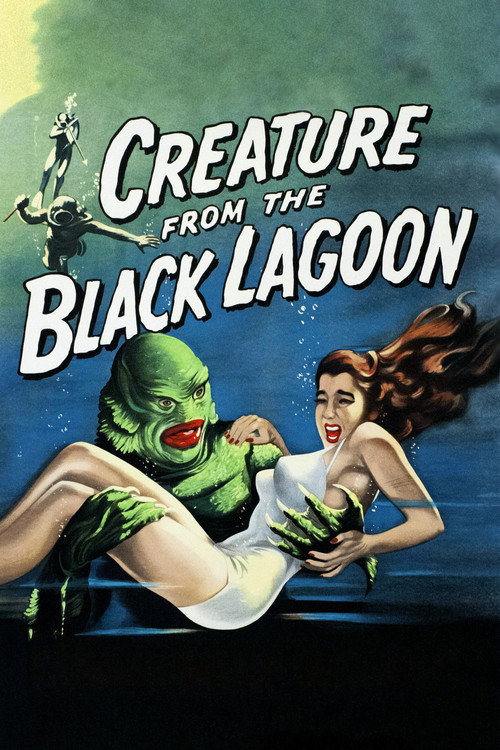
Creature from the Black Lagoon1954
The film that started it all—sleeker, more genuinely eerie, and the one where the Creature retains its mystery. The underwater sequences are hypnotic and the design is iconic.
But It's slower than modern creature-features and relies on atmosphere over action. The romantic subplot doesn't age brilliantly.
The Wolf Man1941
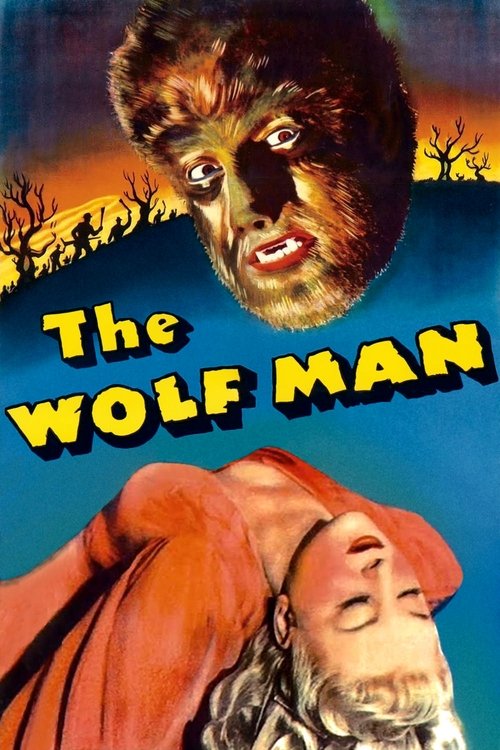
The blueprint for man-becomes-monster horror. Lon Chaney Jr.'s anguished performance gives real weight to the curse. Universal's Gothic atmosphere is unmatched, and the transformation scenes set the standard.
But The pacing is glacial by today's standards. You have to accept a lot of exposition and very little payoff until the final act.
Forbidden Planet1956
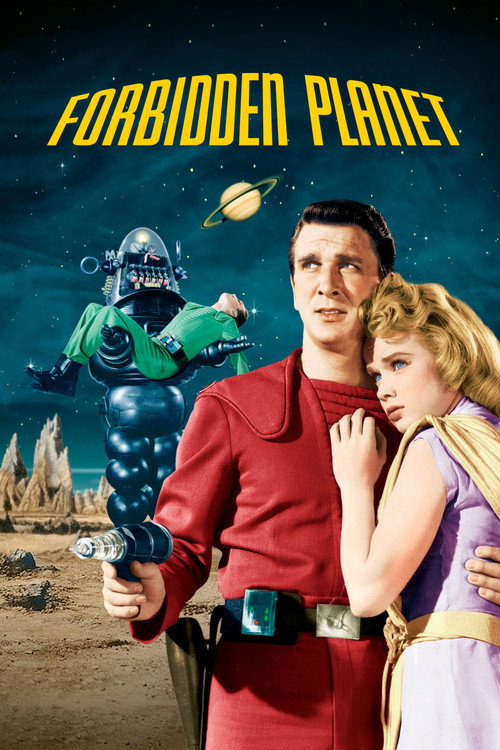
Also 1956, this is what 1950s sci-fi ambition looked like at its best. Shakespeare transposed to space, stunning production design, and Walter Pidgeon chewing scenery with style. Pure fun.
But The gender politics are cringe. The storyline about the scientist's daughter exists mainly as decoration. It's more interested in spectacle than depth.
Not sure tonight? Get a pick in a minute, starting from The Creature Walks Among Us
The wildcard
Something you would not have found on your own.
Sunset Boulevard1950
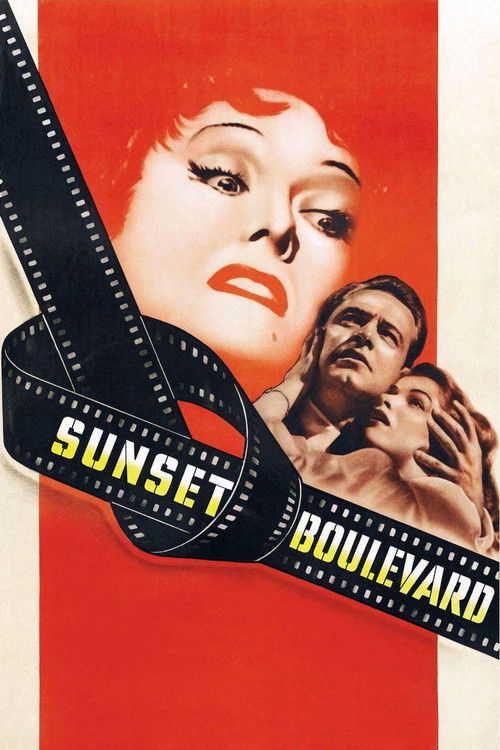
Both films are elegies for the trapped and the exploited. The Creature and Norman Desmond are both used as tools by people who claim to help them.
A psychological portrait of someone trapped by their past and by others' exploitation of that past. Like the Creature, its protagonist is treated as an object by those around him, desperate for control over an uncontrollable situation.
But It's bleak and cynical, with no catharsis. If you want comfort, this film will not provide it. The narrative structure is demanding.
More like this (8)
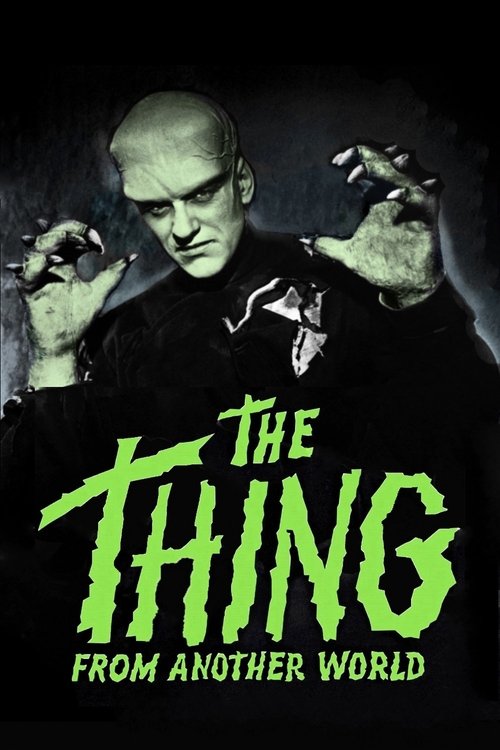
The Thing from Another World1951
Military men versus an alien threat in a claustrophobic setting. Fast, tight, and genuinely suspenseful. The atmosphere of paranoia and the practical effects still hold up.
But It plays as dated in places, and the dialogue occasionally tips into unintentional comedy. Some scenes drag despite the short runtime.
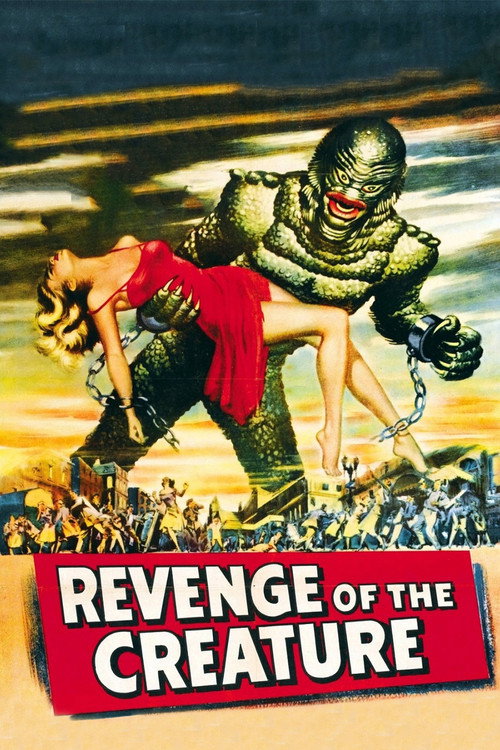
Revenge of the Creature1955
The first sequel: the Creature is captured, caged, and unleashed on civilians. It has a real sense of escalating chaos and the first underwater 3D sequences are wonderfully disorienting.
But The human drama is thin and the captured-monster-on-display plot feels repetitive if you've seen other creature films. Less mood than the original.
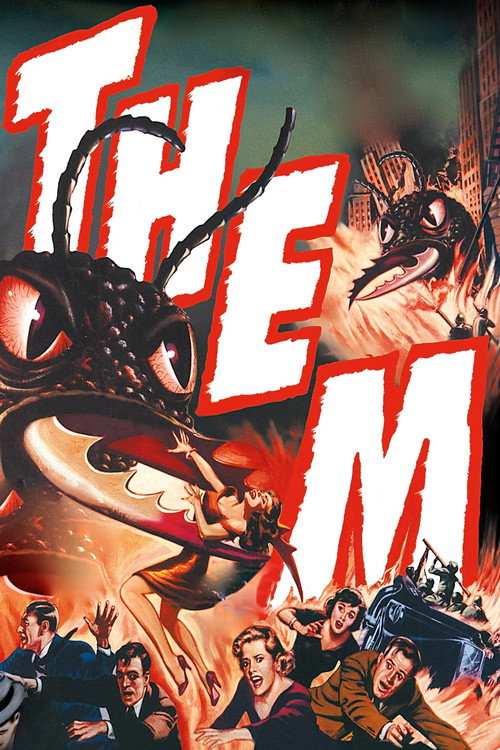
Them!1954
Giant ants menace the American Southwest after atomic testing. It's smart sci-fi dressed as creature-feature, with genuine unease and practical suspense. The scale of the threat feels real.
But It's dialogue-heavy and the first act is slow. Some of the science is now hilariously wrong, which breaks immersion if you're not in a forgiving mood.
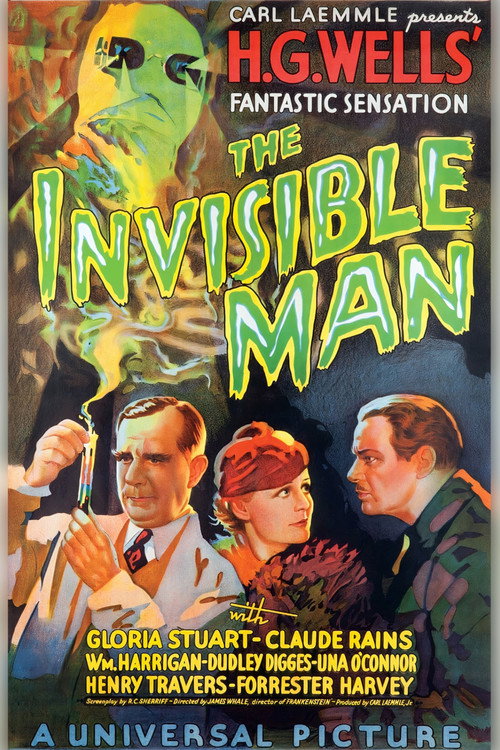
The Invisible Man1933
Another Universal classic about body horror and transformation, but earlier and stranger. Claude Rains' voice performance alone is mesmerizing. It's lean, inventive, and genuinely unsettling.
But The pacing is very old Hollywood—lots of stop-and-start exposition. The special effects, while clever, are visibly optical and can feel dated.
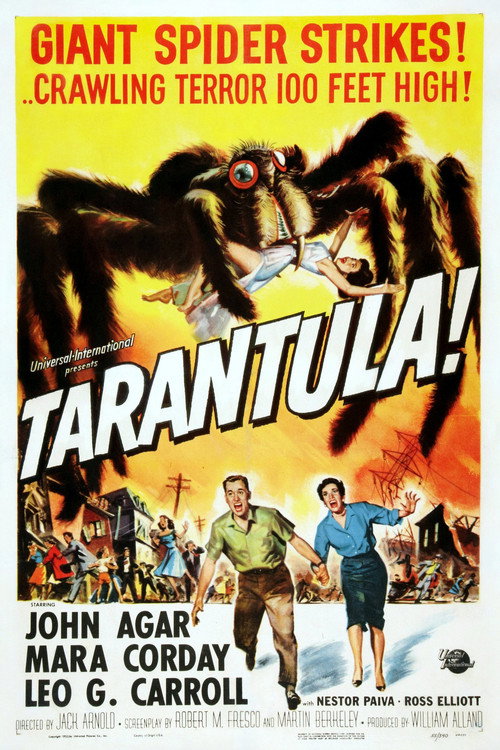
Tarantula1955
A giant spider terrorizes Arizona. It's gorgeously shot in black-and-white, surprisingly tense, and uses its miniature work to create real menace. The monster design is genuinely creepy.
But The plot is thin and the human characters exist to deliver exposition. The pacing lags between set pieces. It's more atmosphere than story.
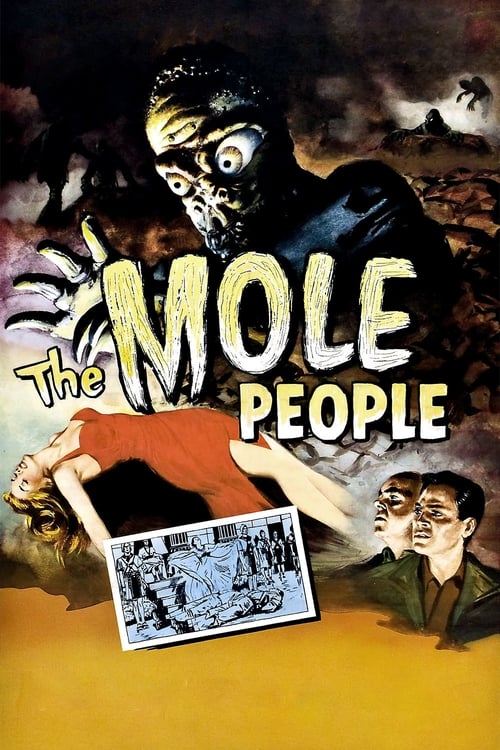
The Mole People1956
Explorers discover a subterranean civilization. It's weird, earnest, and deeply strange in ways that feel off-kilter and memorable. The production design is visibly passionate despite the low budget.
But It's genuinely awkward to watch—the dialogue is clunky, the science is nonsense, and the pacing stumbles. It's interesting *because* it doesn't quite work.
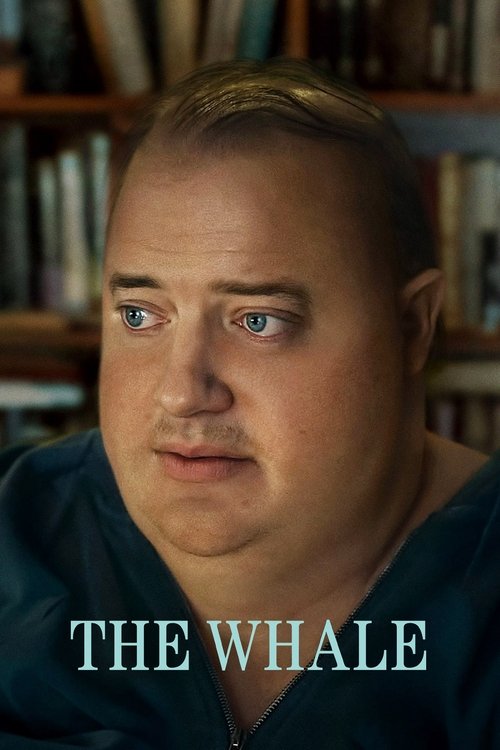
The Whale2022
Both films treat transformation as tragedy rather than spectacle. The Creature's suffering is dignified in 1956 pulp the way the protagonist's is in modern art-house. Same moral weight, different registers.
Darren Aronofsky's portrait of a man physically transformed and isolated by circumstance. It's raw, unglamorous, and deeply compassionate. The lead performance is extraordinary and the empathy is devastating.
But It's almost unbearably sad and features body horror that some will find difficult. The pathos can feel manipulative if you're not receptive to it. Very dark.
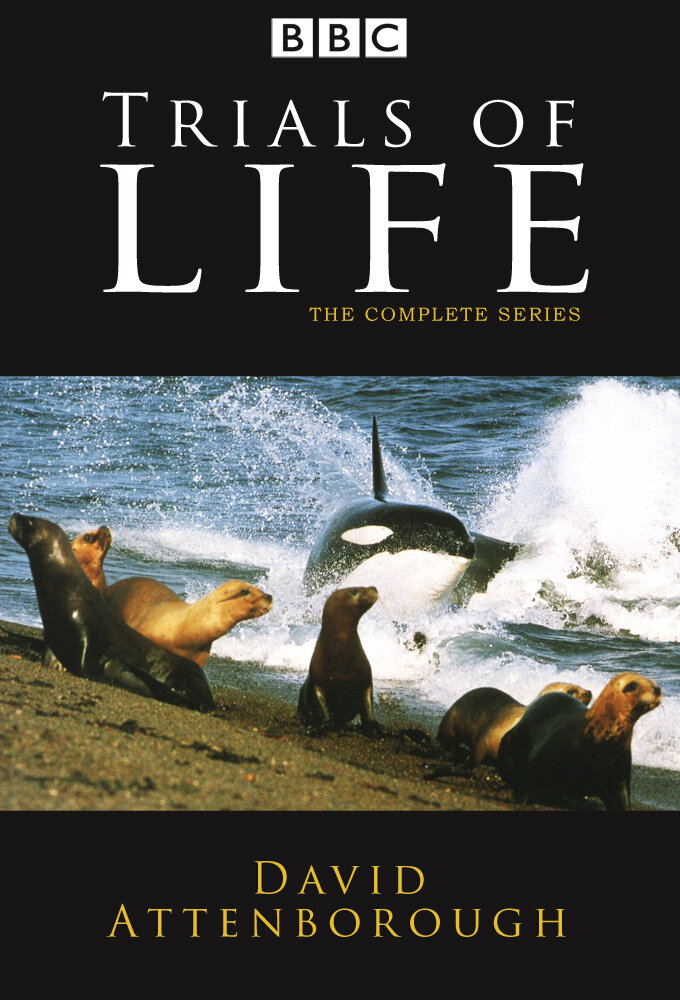
The Trials of Life: A Natural History of Behaviour1990
The Creature's plight—torn from home, surgically altered, unable to adapt—mirrors the biological truths Attenborough explores. It asks the same question: what happens when an animal cannot become what it's made to be?
David Attenborough's documentary series on animal behaviour, birth, and survival. It offers profound perspective on adaptation and the desperate drive to return to one's natural environment. Episodes on metamorphosis and migration are particularly relevant.
But It's a documentary, not narrative cinema. If you need plot and character, this won't scratch that itch. Some sequences involving predation and death are distressing.
People
Cast
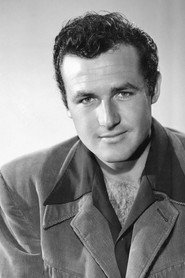 Rex ReasonDr. Thomas Morgan
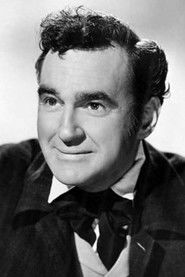 Jeff MorrowDr. William Barton
 Leigh SnowdenMarcia Barton
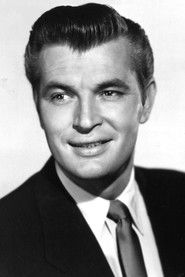 Gregg PalmerJed Grant
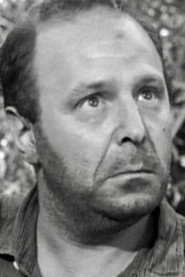 Maurice MansonDr. Borg
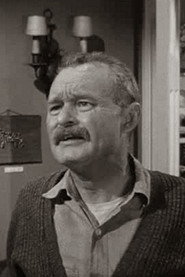 James RawleyDr. Johnson
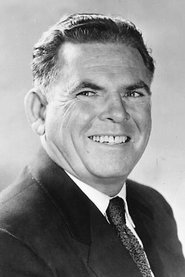 David McMahonCapt. Stanley
 Paul FierroMorteno
 Lillian MolieriMrs. Morteno
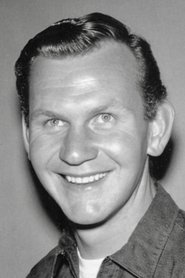 Frank ChaseSteward
- Larry HudsonState Trooper
 Ricou BrowningThe Gill Man (in water)(uncredited)
Directing
- John SherwoodDirector
Writing
- Arthur A. RossScreenplay
- Arthur A. RossStory
Production
- William AllandProducer
Recommended by
Dagon, Frankenstein Meets the Wolf Man, Blood of the Vampire