
Film
Blood of the Vampire
A 1958 British horror-sci-fi hybrid about a mad scientist resurrected via heart transplant, conducting blood experiments on asylum inmates. It's all gothic atmosphere and mad-doctor melodrama, shot in vivid Technicolor with the kind of creeping dread that doesn't need jump scares. For anyone who loves Hammer horror but wants something weirder and more specific about the body itself.
Should you watch it?
Watch it if you love lurid, creaky British horror from the late fifties, where a mad doctor's cruel laboratory and a gothic prison setting matter more than polish, and you enjoy the pleasure of a rough, earnest B-picture.
Skip it if you need tight pacing or modern production values, since the film moves at an unhurried clip and its effects and performances can feel stagey and dated.
What it asks of you: It runs a brisk eighty-seven minutes, sits in a gloomy, talky mood, and asks you to be patient with old-fashioned staging and to enjoy its theatrical gloom.
Not sure? Find tonight's pick in a minute.
If you liked this
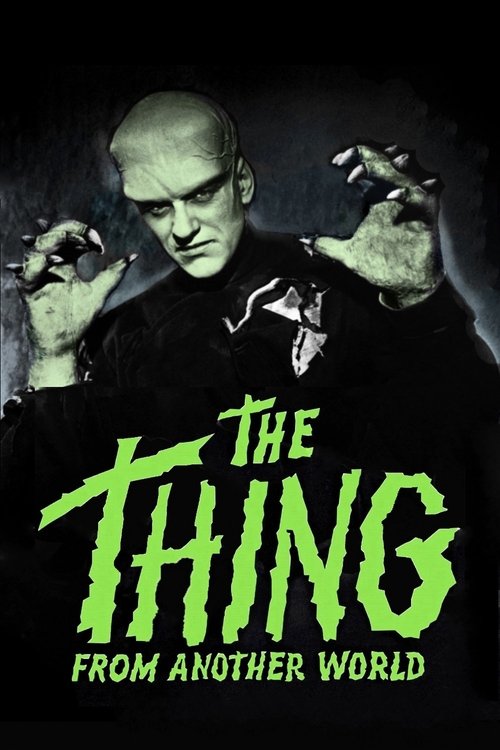
The Thing from Another World1951
Another film about scientists in an isolated facility facing a threat disguised as something quasi-human. The paranoia and the mixture of sci-fi logic with physical horror hit similar notes, though the tone is harder-edged.
But This one's more taut and less baroque. If you're drawn to the baroque specifically, this skews closer to procedural thriller.
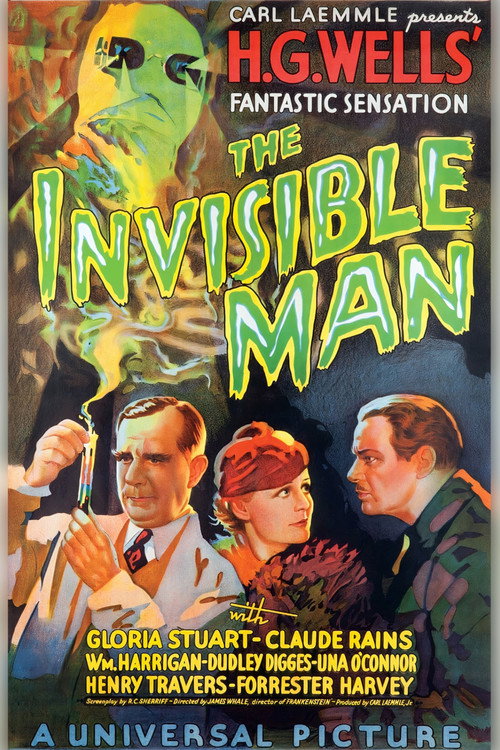
The Invisible Man1933
James Whale's mad-scientist masterpiece: a man transformed by his own experiment into something inhuman. It has the same moral horror at the scientist's hubris that Blood pursues, just through a different biological mechanism.
But Shot in black and white and far faster-paced. The aesthetic is starkly different, and Whale's control makes Blood look delightfully sloppy by comparison.
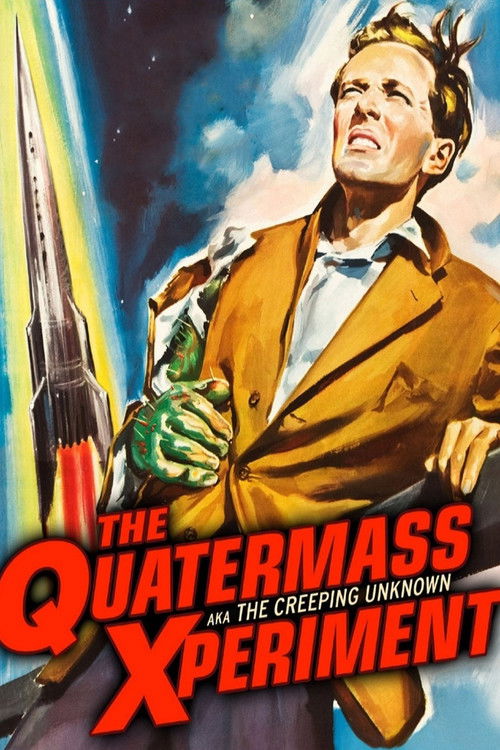
The Quatermass Xperiment1955
Nigel Kneale's sci-fi body-horror about a returned astronaut transforming into something monstrous. The logic is softer than real science but feels plausible, and the dread accumulates through contamination and transformation.
But It's more restrained tonally and shorter on spectacle. The horror emerges from implication rather than mad-doctor theatricality.
Not sure tonight? Get a pick in a minute, starting from Blood of the Vampire
The wildcard
Something you would not have found on your own.
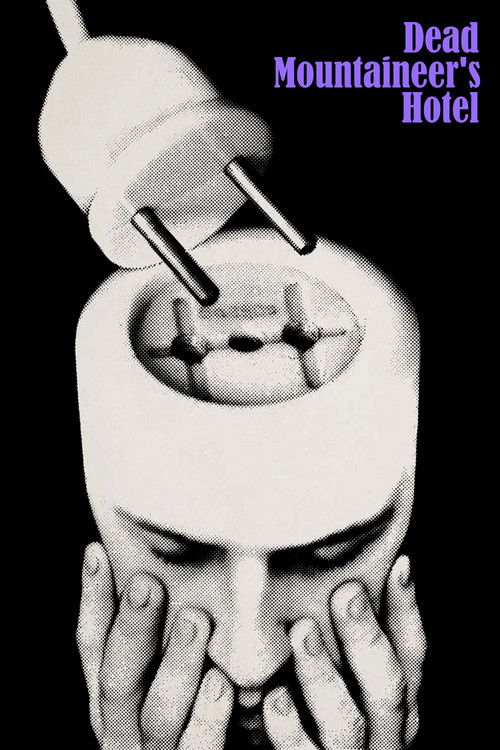
Dead Mountaineer's Hotel1979
Both films treat the body as a locked room to be solved: Blood through transplant, this through murder. Both use vivid colour in service of stylized, slightly artificial horror rather than naturalism.
A Czech horror-mystery about a mountain resort where guests are methodically murdered. Shares Blood's commitment to colourful, artificial-looking horror and its fascination with bodies as instruments—but channels it through Agatha Christie logic rather than mad science.
But It's a slow-burn ensemble mystery, not a scientist-focused drama. The structure is puzzle-box rather than character-driven, and it can feel distant.
More like this (5)
Eyes Without a Face1960
Georges Franju's French horror about a surgeon conducting transplant experiments. It shares Blood's obsession with the body as salvageable material, but achieved far greater acclaim—a masterpiece about surgical horror that inspired everything after.
But It's austere and genuinely disturbing in ways Blood isn't trying to be. Much bleaker, much less colourful fun.

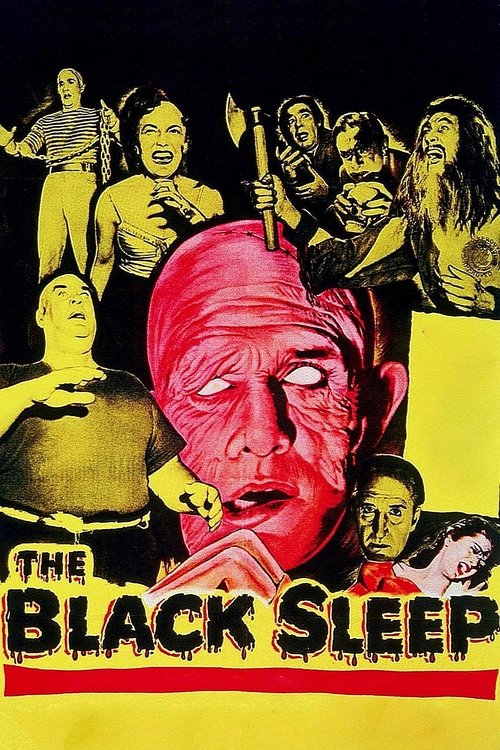
The Black Sleep1956
Basil Rathbone as a mad neurosurgeon conducting experiments in a monastery. It has the same B-movie Gothic energy, the same commitment to laboratory grotesquerie, and Rathbone's scenery-chewing magnetism.
But Feels more like a stage play and less visually inventive. The colour palette is duller and the pacing more sluggish than Blood's best moments.
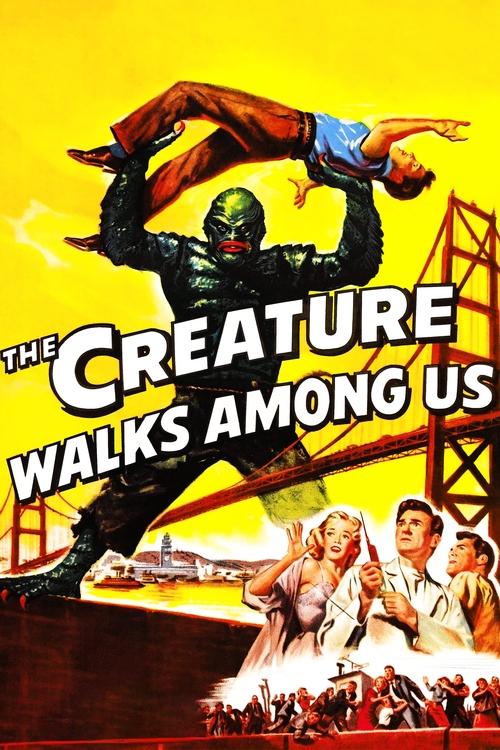
The Creature Walks Among Us1956
A scientist operates on the Creature, attempting to civilize it. The body-horror logic and the mad scientist's intellectual pride creating catastrophe recall Blood, even if the monster itself is more sympathetic here.
But It's the third film in a series, and the Universal formula is more familiar than Hammer's innovations. Less visually distinctive, more paint-by-numbers creature feature.
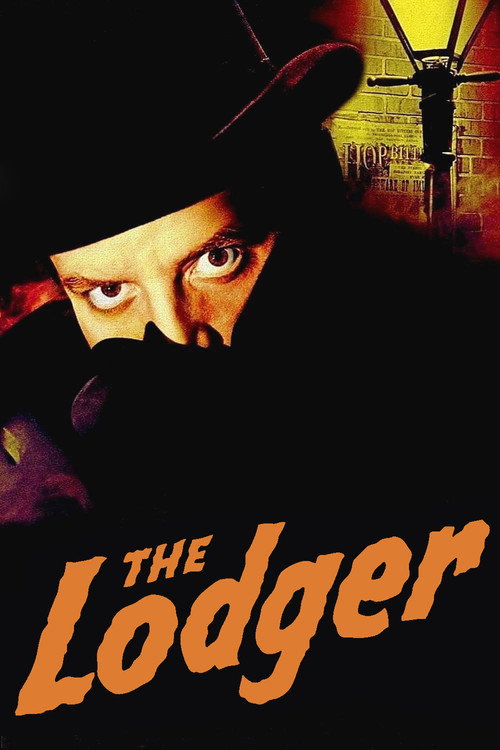
The Lodger1944
Both are British genre films obsessed with a dangerous man in a closed space conducting experiments on people who trust him. The machinery is different—wartime London vs. a laboratory—but the moral anatomy is identical.
A wartime British thriller about a landlady and her suspicious tenant who might be a serial killer. It has the same claustrophobic apartment-building dread, the same emphasis on the body as threat, the same black-and-white creeping paranoia—but it's grounded in wartime rationing and domestic suspicion rather than laboratories.
But It's not sci-fi and it's not Gothic. If you're watching Blood for the machines and the mad doctor, this will feel austere and mundane by comparison.
Possession1981
Both films treat the body as subject matter rather than a vessel for plot. Blood asks 'what if we transplanted a heart?'; Possession asks 'what if we made the body express total psychological rupture?' Same laboratory impulse, different equipment.
Andrzej Żuławski's deranged Berlin-set drama about a marriage dissolving into body horror and possession. It's the spiritual heir to Blood's commitment to the human body as a site of transformation and violation, but filtered through art cinema and psychological extremity rather than mad science.
But It's visceral, sometimes unwatchable, and the plot dissolves in favour of pure affect. If you want clarity or narrative satisfaction, this is a bloodletting rather than a story.

People
Cast
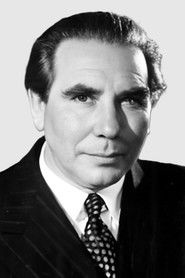 Donald WolfitDoctor Callistratus
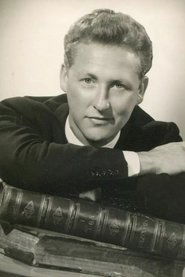 Vincent BallDr. John Pierre
 Barbara ShelleyMadeleine Duval
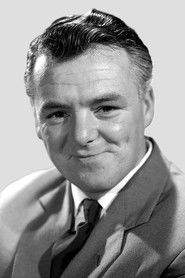 Victor MaddernCarl
- William DevlinKurt Urach
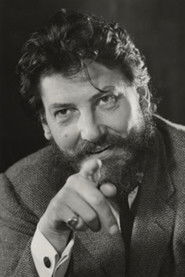 Andrew FauldsChief Guard Wetzler
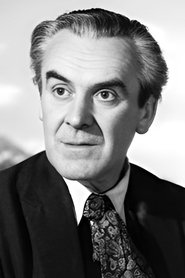 John Le MesurierChief Justice
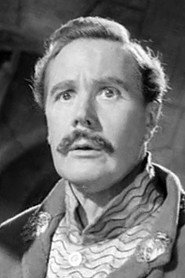 Bryan ColemanMonsieur Auron
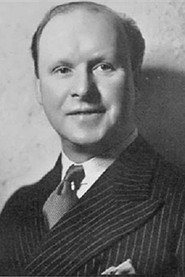 Cameron HallDrunken Doctor
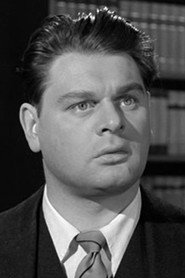 George MurcellFirst Guard
- Julian StrangeSecond Guard
- Bruce WightmanThird Guard
Directing
- Henry CassDirector
Writing
- Jimmy SangsterWriter
Production
- Monty BermanProducer
- Robert S. BakerProducer
- Charles PermaneProduction Manager