
Film
The Lodger
A taut 1944 thriller set in Victorian London where a mysterious lodger unsettles a boarding house. Atmospheric and paranoid, it works the tension between polite suspicion and social obligation—neighbors cannot quite accuse a gentleman, yet dread mounts. Laird Cregar's performance is magnetic. For fans of slow-burn period mystery and the kind of horror that lives in what's unspoken.
If you liked this
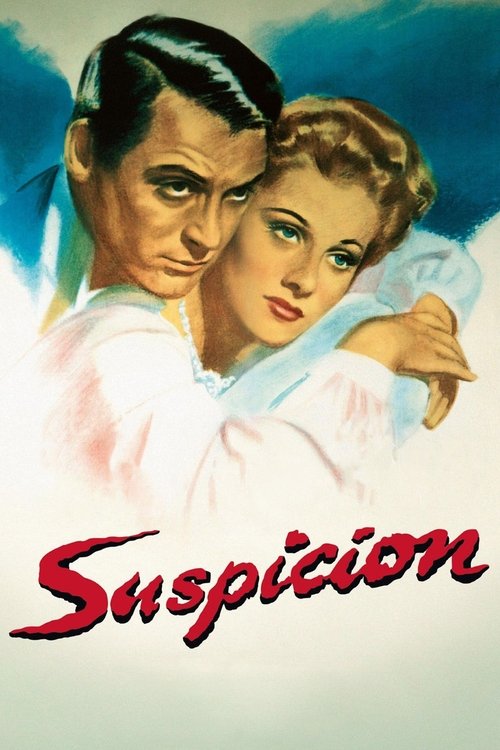
Suspicion1941
Cary Grant as a husband whose wife begins to suspect he means to murder her. Hitchcock's masterclass in how charm and doubt can occupy the same room, with brilliant use of shadow and a final twist that divides viewers still.
But The ending feels compromised by studio pressure, and some find it undermines the psychological tightness of what came before.
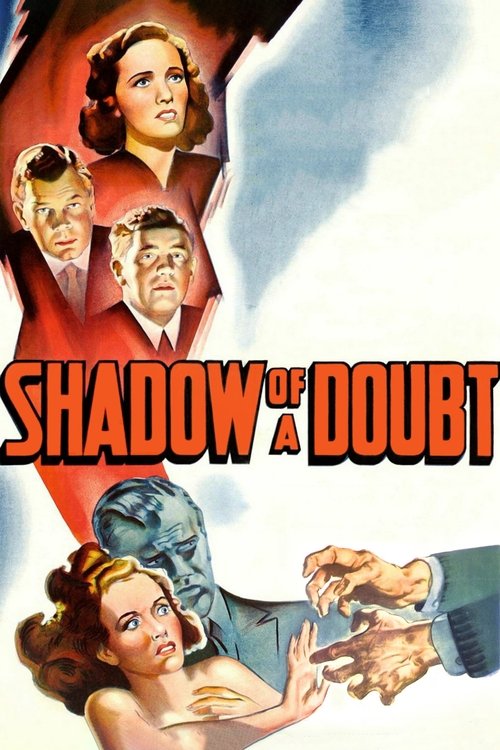
Shadow of a Doubt1943
A seemingly kindly uncle visits small-town California, but his niece slowly uncovers a terrible truth. Hitchcock at his most intimate: the horror lives not in spectacle but in the shattering of family warmth. Utterly humane and devastating.
But It's quieter and more melancholic than his celebrated shock-and-plot films—some want more overt thrills.
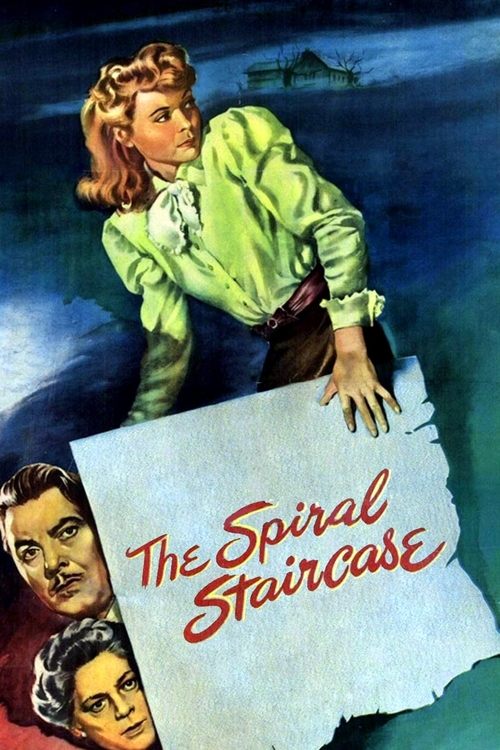
The Spiral Staircase1946
A mute woman terrorized in a Gothic mansion during a storm. Takes the lodger's idea—an unknown threat inside the home—and amplifies it into near-unbearable tension. Visceral and brilliant about vulnerability and silence.
But Relies on familiar Gothic tropes. The violence, while restrained, is stark and may unsettle viewers seeking lighter fare.
Not sure tonight? Get a pick in a minute, starting from The Lodger
The wildcard
Something you would not have found on your own.
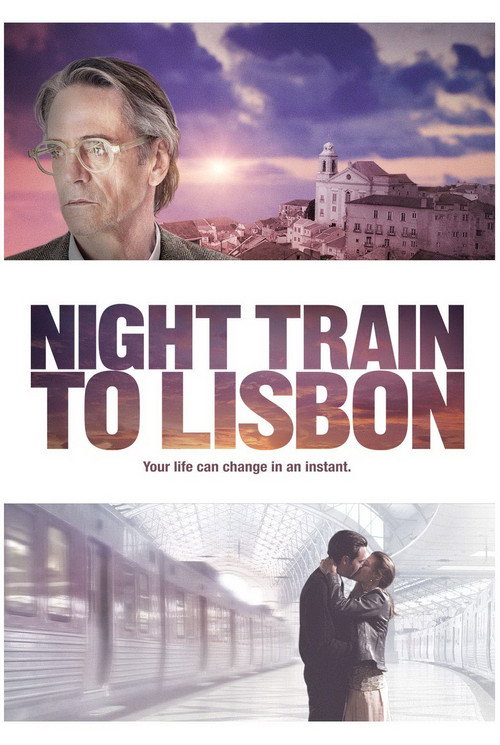
Night Train to Lisbon2013
Both are mysteries built on the unbridgeable gap between what we know of a person and who they actually are. Both examine how proximity to a stranger can corrode certainty.
A philosophy professor pursues a mysterious woman across Europe, following fragments of her past. Like The Lodger, it's driven by a stranger's enigma that reshapes the observer's entire understanding of truth. Meditative, haunted, and structurally intricate in ways that reward attention.
But Deliberately oblique and slow-moving. The narrative is fragmented by design, which some find frustrating rather than profound.
More like this (7)
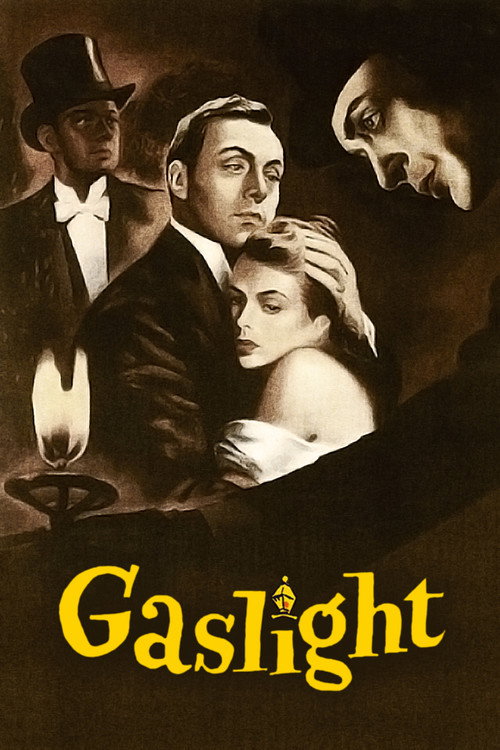
Gaslight1944
Ingrid Bergman as a woman systematically manipulated by her husband into believing she's mad. A masterpiece of psychological torment; the same year as The Lodger, but its influence is still everywhere. Bergman won the Oscar.
But The domestic cruelty is relentless and emotionally exhausting. Not cathartic; meant to disturb.
The Asphalt Jungle1950
Heist and paranoia converge as criminals suspect one another. John Huston's dry, procedural style makes the pressure between men—the suspicion, the calculation—feel authentic and unstoppable. A blueprint for the genre.
But Crime-procedural; if you want psychological horror over plot mechanics, this prioritizes the latter.

Rope1948
Two men commit murder in real time, then host a dinner party above the body. Hitchcock's audacious single-take approach (technically) creates claustrophobia and dark comedy. Jimmy Stewart's mounting dread is exquisite.
But The technical constraints show; some find the method more interesting than the story. Very theatrical in a way that can feel mannered.

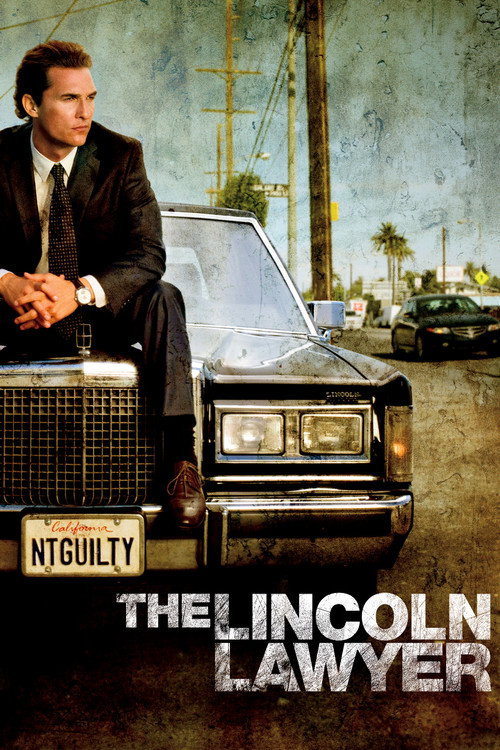
The Lincoln Lawyer2011
Tom Selleck wrongly imprisoned, then released into a world that assumes his guilt. Slow-burn rage and paranoia as he's branded a criminal despite exoneration. Captures the corrosive weight of collective suspicion.
But Grim and didactic. The film doesn't soften its message, and some find it emotionally punishing rather than engaging.
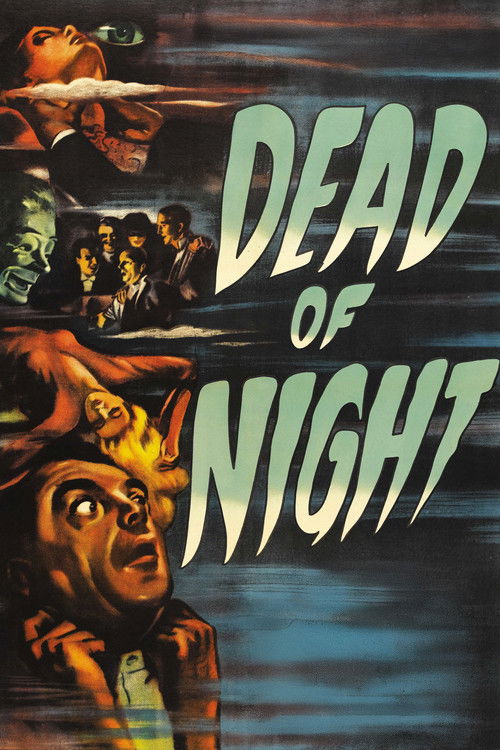
Dead of Night1945
A British anthology of interlocking supernatural tales with a twist that binds them. Made the same year, with similar wartime studio craftsmanship and an eye for creeping wrongness beneath English politeness.
But Episodic structure means tonal shifts; the final act takes a hard turn into surrealism that not all viewers appreciate.
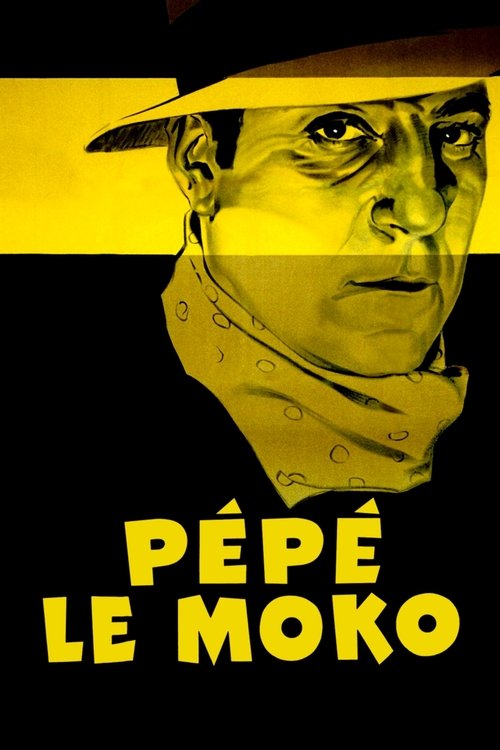
Pépé le Moko1937
Both films trap their protagonists in spaces (a boarding house, a city district) where suspicion becomes inescapable and identity itself is a liability. Both are about men whose very presence destabilizes the social order.
A French gangster hides in the Casbah of Algiers, where colonial police close in. A masterpiece of mood and fatalism—the city itself becomes claustrophobic despite its scale. The atmosphere is everything: dread through geography and social entrapment.
But Pre-war French cinema moves differently than English thrillers; the pace is deliberate and some find it dated. Subtitled.
The Wailing2016
Both hinge on the figure of the lodger/outsider as a projection screen for a community's fears. Both ask whether evil is something verifiable or something we collectively will into existence through suspicion and dread.
A Korean horror-mystery where a village is ravaged by inexplicable illness, and blame falls on a stranger. Starts as police procedural, becomes metaphysical. The stranger—guilty or innocent?—is never resolved, only deepened. Visually stunning and morally vertiginous.
But Demands multiple viewings to parse. Violence is graphic and sudden. The ambiguity may feel unresolved rather than artful depending on your tolerance for uncertainty.

People
Cast
 Merle OberonKitty Langley
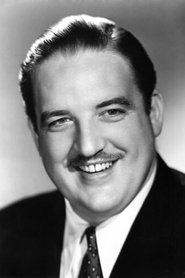 Laird CregarMr. Slade
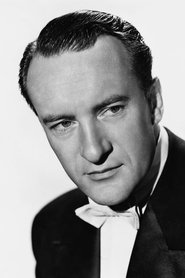 George SandersInspector John Warwick
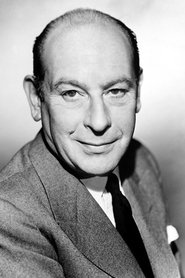 Cedric HardwickeRobert Bonting
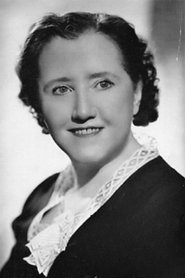 Sara AllgoodEllen Bonting
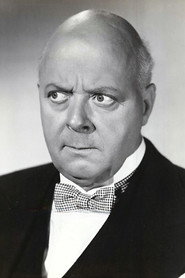 Aubrey MatherSuperintendent Sutherland
 Queenie LeonardDaisy the Maid
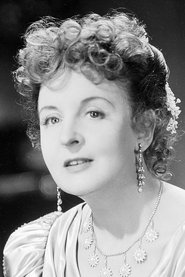 Doris LloydJennie
 David ClydeDet. Sgt. Bates
 Helena PickardAnnie Rowley
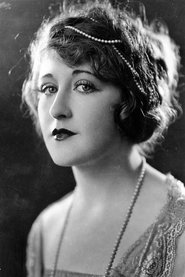 Ruth CliffordHairdresser (uncredited)
 Thora HirdFirst Murder Victim Katie (uncredited)
Directing
- John BrahmDirector
Writing
- Marie Belloc LowndesNovel
- Barré LyndonScreenplay
Production
- Robert BasslerProducer