
Film
A Man's World
A wartime adventure from 1942 that relocates film noir cynicism to a remote chromite mine where Allied workers, spies, and Nazis collide. It's brisk and pulpy, shot through with betrayals and moral compromises—less interested in heroes than in people surviving ugly circumstances. For fans of B-movie intrigue and wartime paranoia done on a budget.
If you liked this
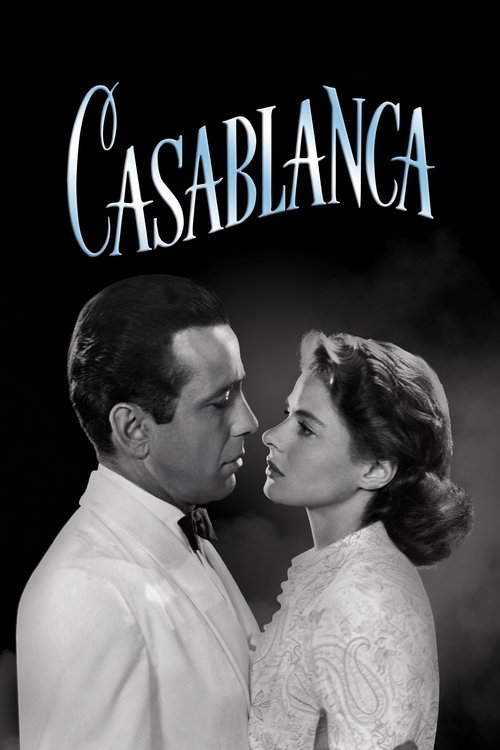
Casablanca1943
The same year, same moral fog. Strangers with secrets in a lawless place, everyone suspect, romance tangled with duty. Bogart and Bergman make every compromise ache.
But It's the canonical wartime romance, so you may feel you've absorbed it culturally already. The pace is leisurely compared to modern storytelling.
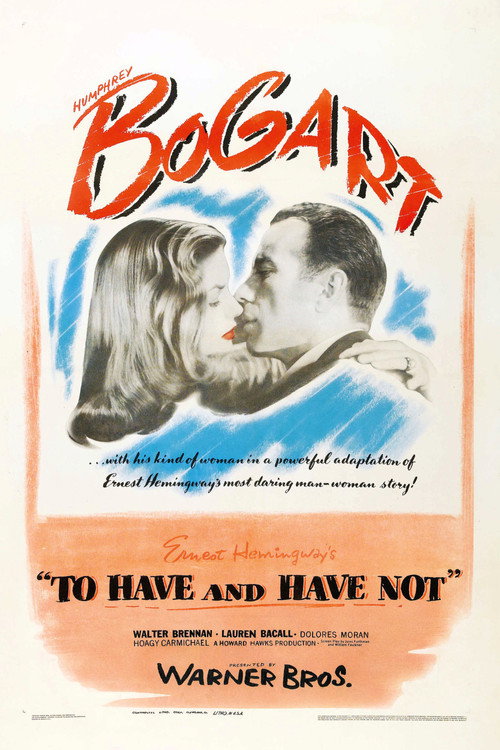
To Have and Have Not1945
Hemingway's cynical smuggler trying to stay neutral in occupied Martinique until he can't. Bacall and Bogart again, the same moral quicksand, but faster and funkier than its source.
But The romance subplot doesn't always convince. Some of the politics read as dated even for then.
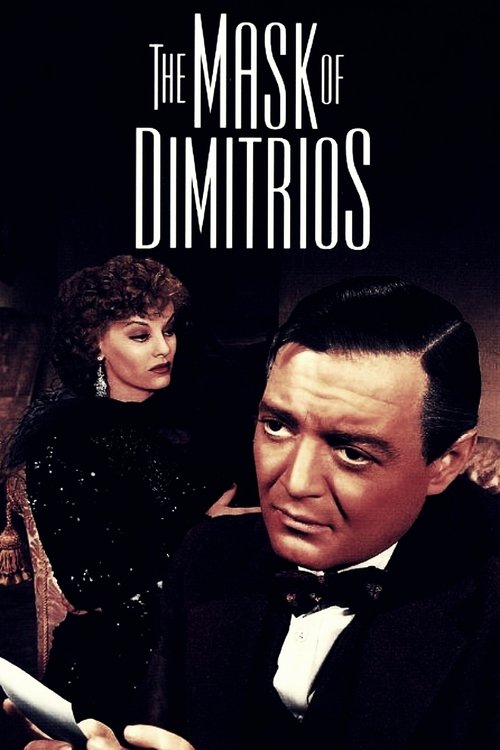
The Mask of Dimitrios1944
A mystery writer chases the ghost of a dead spy across Europe. Lorre is excellent, the plot is genuinely complicated, and it captures that wartime feeling—everyone lying, no one safe.
But It moves in circles sometimes. The climax is more whimper than bang.
Not sure tonight? Get a pick in a minute, starting from A Man's World
The wildcard
Something you would not have found on your own.
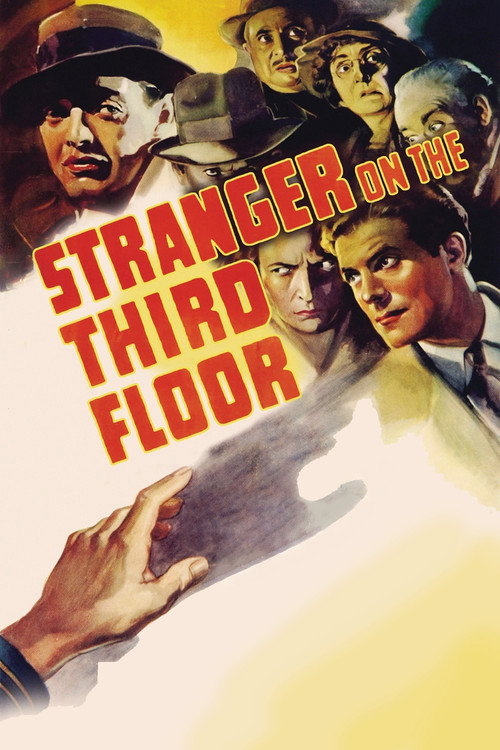
Stranger on the Third Floor1940
Both are wartime paranoias where the ordinary rules don't apply and trust is lethal. Noir's foundational story—the innocent cornered by forces larger than themselves—is *A Man's World's* actual plot.
Two years before *A Man's World*, this B-picture invented American film noir—shadows, paranoia, an ordinary person wrongly accused, the world turned upside down by suspicion. It's the genetic template for everything that follows.
But The budget shows ruthlessly. Some scenes are barely lit and it feels incomplete, which it partly is.
More like this (8)
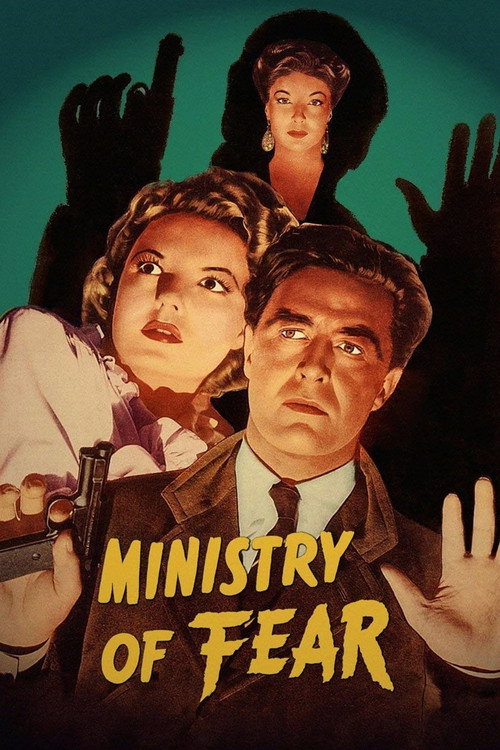
Ministry of Fear1944
Fritz Lang on an ordinary man caught between Nazi agents and British intelligence, neither of whom will believe him. Paranoia, double-crosses, genuine dread.
But The middle sags. Some of the dialogue tries too hard to explain the plot.
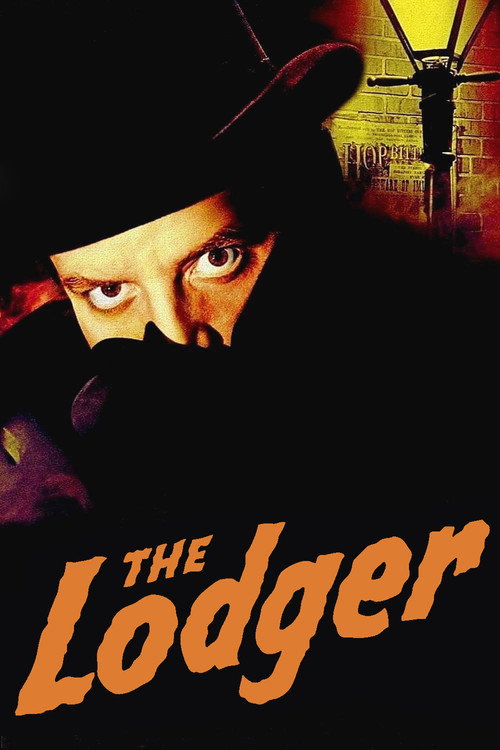
The Lodger1944
A stranger arrives at a boarding house and the neighbors immediately suspect him. Tension built entirely from looks and implication, with Laird Cregar unforgettable and unsettling.
But It's slow-burn to a fault. The payoff is smaller than the buildup promises.
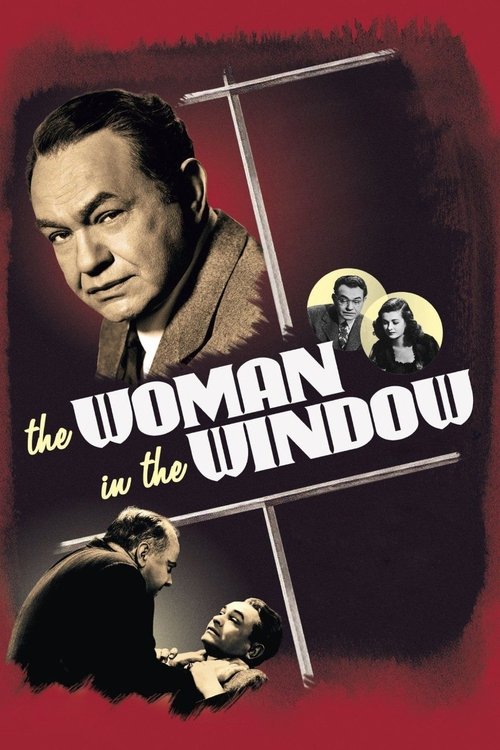
The Woman in the Window1944
A professor's evening takes a terrible turn when he witnesses a murder. Fritz Lang again: ordinary life corrupted by circumstance, every choice closing off others.
But The ending is a cop-out that the film itself seems to regret. Some found it cowardly even in 1944.
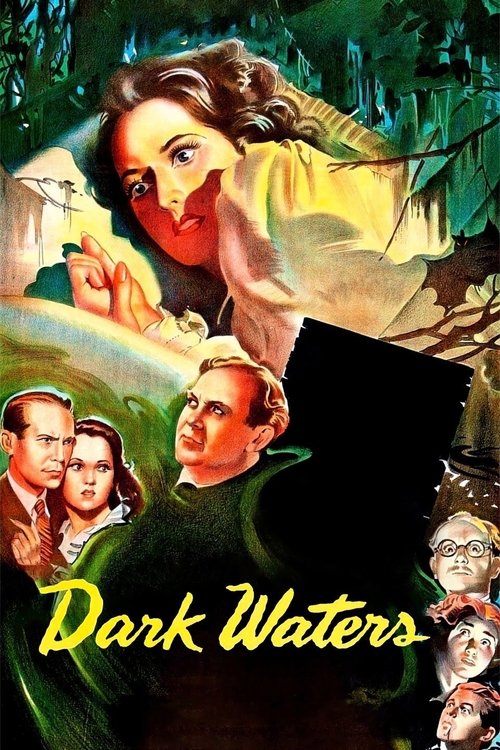
Dark Waters1944
Merle Oberon, amnesia, a ship, suspicious crewmates, and the question of who to trust. Compact nautical thriller with real claustrophobia.
But The mystery isn't particularly clever. Once you guess it, you're just waiting for the characters to catch up.
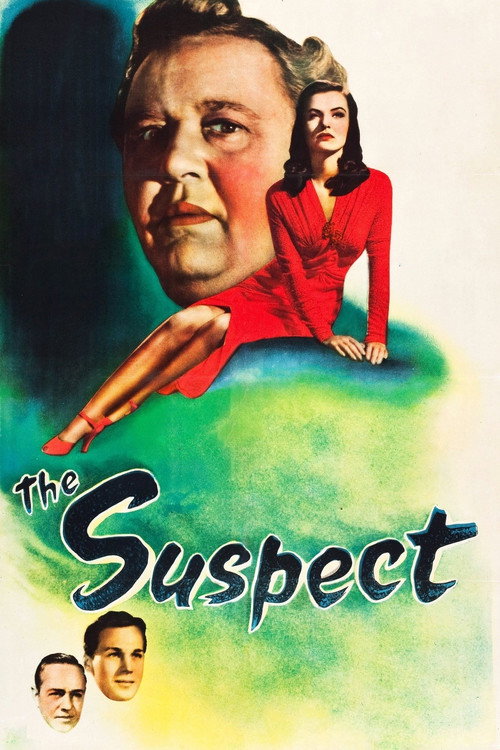
The Suspect1945
Charles Laughton as an ordinary man whose life unravels after a single bad decision. Morally complicated, beautifully acted, the opposite of a hero's journey.
But It's bleak and doesn't offer much comfort. Some viewers will find it depressing rather than gripping.
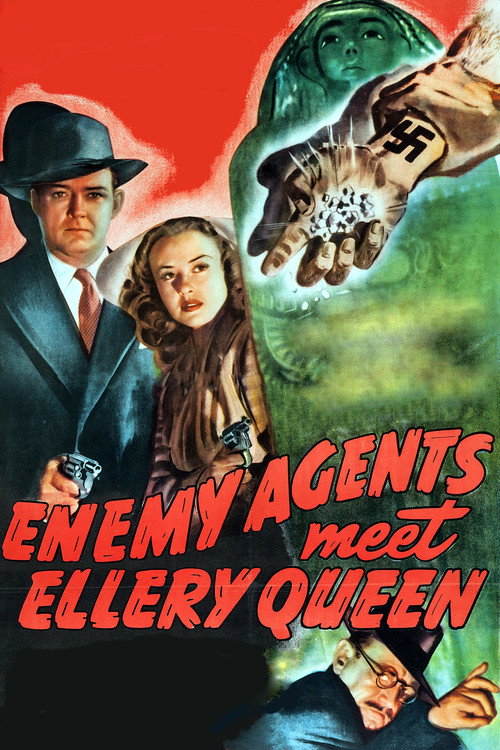
Enemy Agents Meet Ellery Queen1942
A detective yarn tangled with wartime espionage and mistaken identity. Lighter than it sounds, enjoyably silly, with good comic timing from Ralph Bellamy.
But It's padding dressed as plot. The spy stuff and the mystery don't quite cohere.
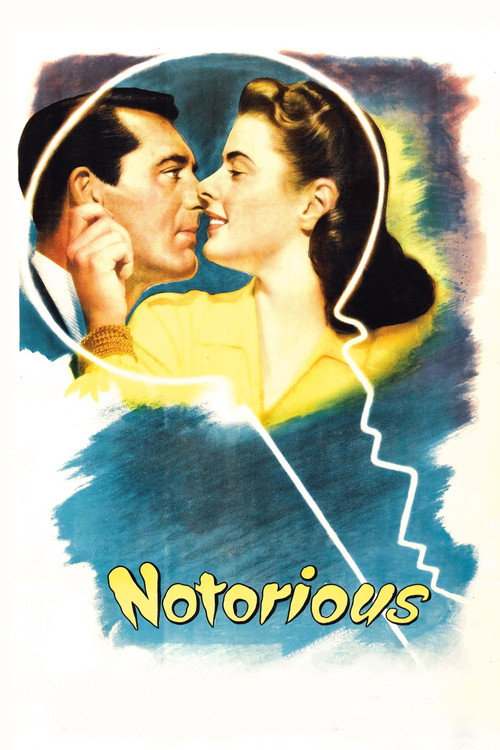
Notorious1946
The same setup—isolated location, Nazis after precious metals, agents and infiltrators, no one trustworthy—but with infinite budget and Hitchcock's genius. To see what *A Man's World* could have been with twice the time and money.
Hitchcock's masterpiece: Cary Grant and Ingrid Bergman at a Nazi uranium plant in Rio de Janeiro, performing double agency while falling in love, photographed like fever dream. Morally savage and visually perfect.
But It's a four-year wait if you're hungry now. And Hitchcock's control can feel hermetic compared to the messier B-movie charm of *A Man's World*.
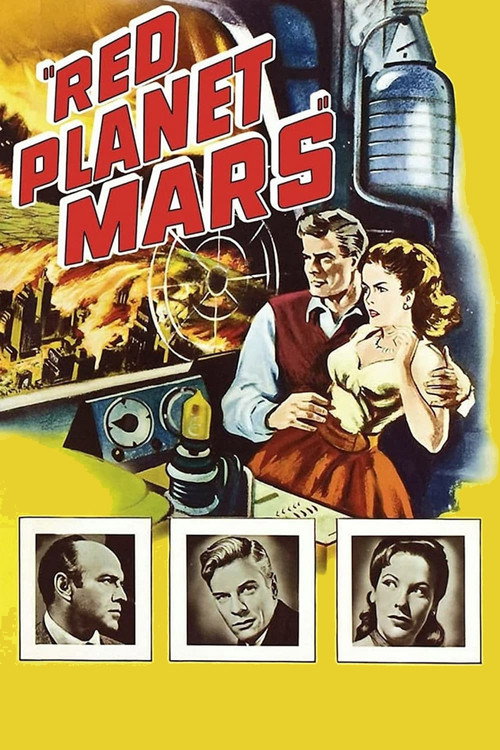
Red Planet Mars1952
Same pulpy wartime instinct to put ordinary people on an impossible island where the rules don't apply, but *Red Planet Mars* moves the threat from Nazis to communists and swaps the concrete mine for abstract cosmic dread. Both are small-budget wish-fulfillment dreams about stopping an existential enemy.
Scientists receive transmissions from Mars and the Soviets want the technology. It's a Cold War fever dream with an ending so weird and political it feels like heresy. Genuinely strange and unsettling.
But The science is nonsense. The politics are blunt. It's a B-picture operating at full paranoia without irony.
People
Cast
 William WrightDan O'Driscoll
 Marguerite ChapmanMona Jackson
 Larry ParksChick O'Driscoll
 Wynne GibsonBlossom Donovan
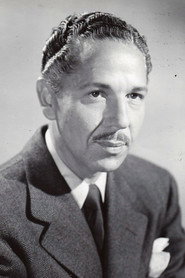 Roger Pryor'Bugsy' Nelson
 Frank SullySammy Collins
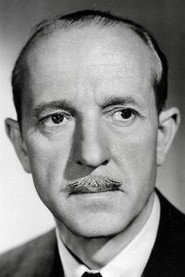 Ferris TaylorChief DeShon
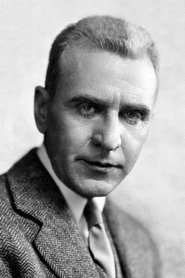 Edward Van SloanDoctor Stone
 Clancy CooperJohn Black
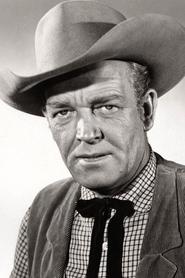 James MillicanParks
 Lloyd BridgesBrown
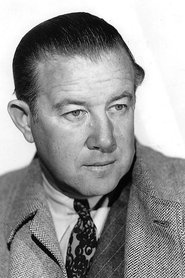 Al HillEddie Bartlett
Directing
- Charles BartonDirector
Writing
- Edward T. Lowe Jr.Screenplay
- Jack RobertsScreenplay
- George BrickerStory
- Jack RobertsStory