
Film
Stranger on the Third Floor
A newspaper reporter's testimony sends a man to the electric chair—then doubt creeps in. This 1940 noir is a lean, psychologically claustrophobic chamber piece about guilt and reasonable doubt, told through increasingly fractured reality. Essential viewing for anyone who wants to see where American crime cinema learned to distrust itself.
If you liked this
The Killers1946
Burt Lancaster's debut in a Hemingway adaptation about two assassins tracking down a man resigned to his own death. Stunning compositional work and a moral ambiguity that haunts long after.
But It's episodic and occasionally feels like a collection of scenes rather than a single arrow. Some find the structure frustratingly meandering.

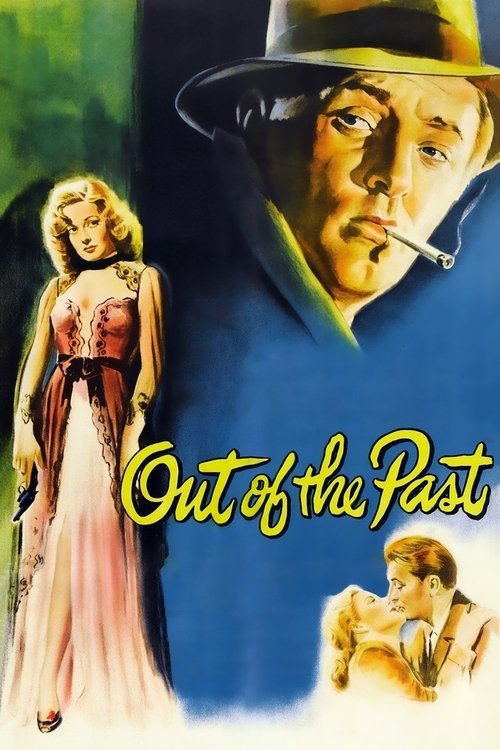
Out of the Past1947
Robert Mitchum as a man trying to escape his past, pulled back into noir machinery by fatale and fate. Cryptic dialogue, genuine dread, and the sense that everyone's lying—including the narrator.
But It moves at its own pace and won't spell anything out for you. If you need plot clarity, this will frustrate you.
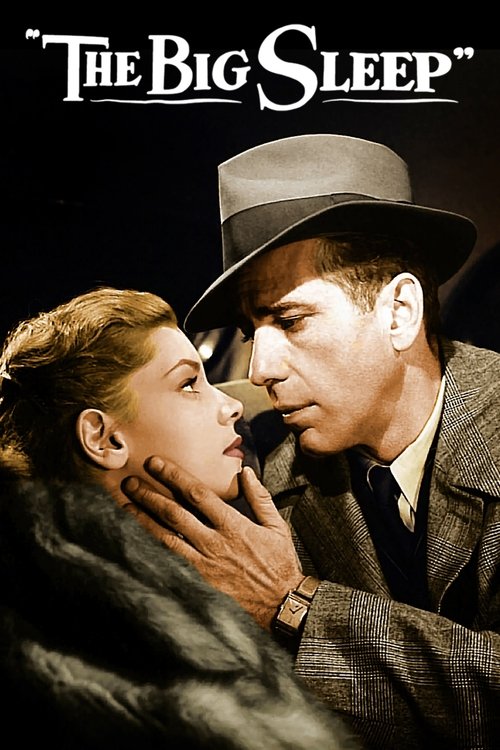
The Big Sleep1946
Bogart and Bacall in Hawks' adaptation of Raymond Chandler, where the plot barely matters because every scene crackles with sexual tension and genre knowingness. Pure entertainment that's also genuinely smart.
But The plot is genuinely incomprehensible. Even Chandler couldn't explain it. If you need things to make logical sense, you're out.
Not sure tonight? Get a pick in a minute, starting from Stranger on the Third Floor
The wildcard
Something you would not have found on your own.
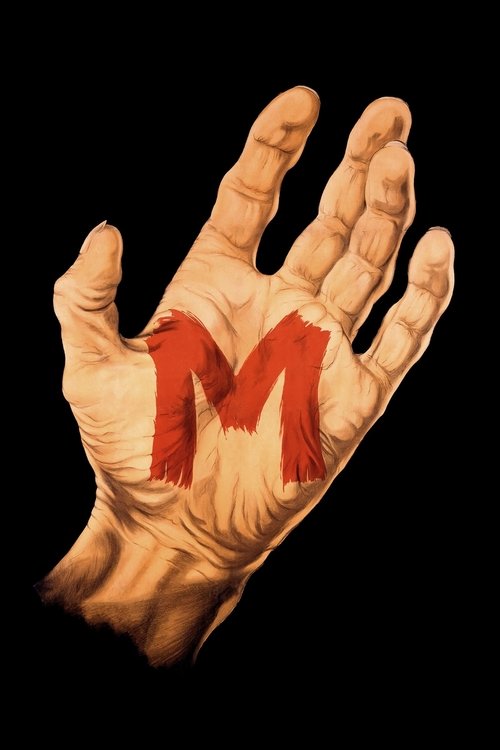
M1931
Both are obsessed with how a man is destroyed by suspicion and mob certainty. Guilt—actual or imagined—becomes the actual plot.
Fritz Lang's German masterpiece about a city searching for a child murderer. A man is wrongly suspected; a mob forms. It's a treatise on scapegoating, hysteria, and the machinery that crushes individuals. Prophetic and devastating.
But It's in German with subtitles, shot in 1931, and paced by 1930s rhythms. If you need entertainment velocity, this will feel glacial. Some find the ending too forgiving of the killer.
More like this (8)
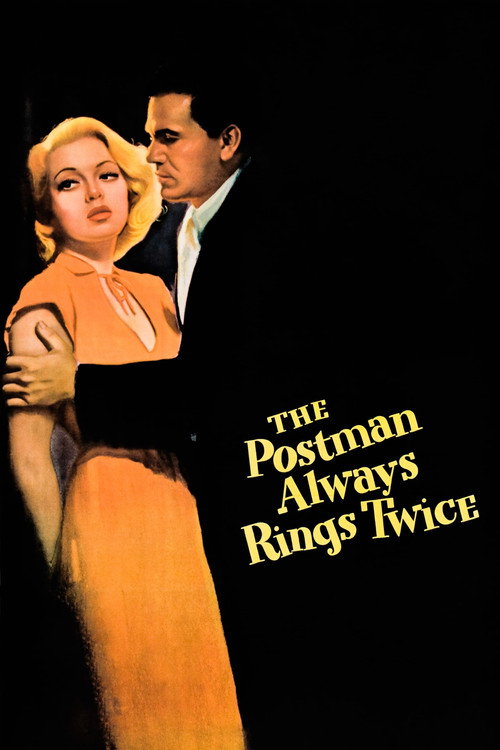
The Postman Always Rings Twice1946
Lana Turner and John Garfield as lovers plotting to kill her husband; pure pulp noir with real stakes and erotic charge. Taut, grimy, and morally murky in exactly the way the best noir is.
But It's relentlessly cynical and treats its female lead as a femme fatale, not a person. Some find the sexual politics suffocating and dated.
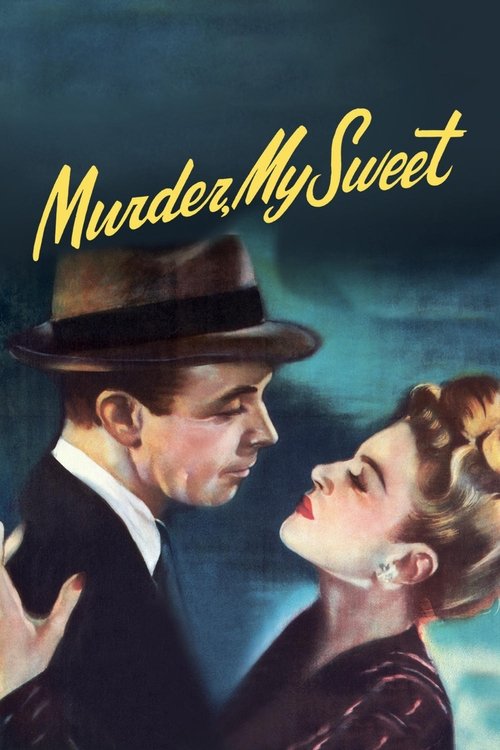
Murder, My Sweet1944
Dick Powell in a stunning reinvention as a private detective chewed up by circumstance and violence. Intricate, visually inventive, with genuine noir paranoia and a protagonist you actually care about.
But It's baroque and a little self-conscious. If you want your noir grounded and lean, this goes full expressionist and might feel overwrought.
In a Lonely Place1950
Humphrey Bogart as a volatile screenwriter accused of murder; Ray's direction excavates the isolation and suspicion beneath Hollywood's surface. Acidic, introspective, genuinely unsettling about male rage.
But It's bleak and doesn't offer comfort. Bogart plays an unlikeable man, and the film doesn't soften that. It lingers in your stomach unpleasantly.

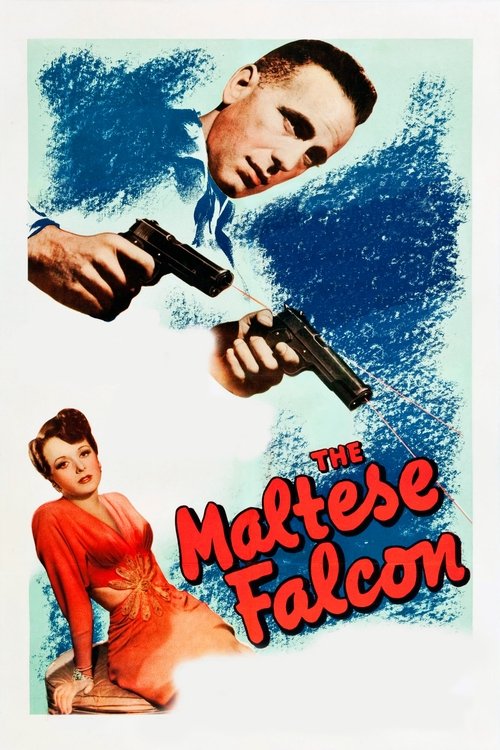
The Maltese Falcon1941
Humphrey Bogart's definitive turn as Sam Spade; Huston's debut establishes the template for hardboiled cinema. Every actor in this knows exactly what game they're playing. Pure craft and style.
But It's foundational, which means it can feel overly familiar if you've seen its descendants. Some find it slow before the final act.
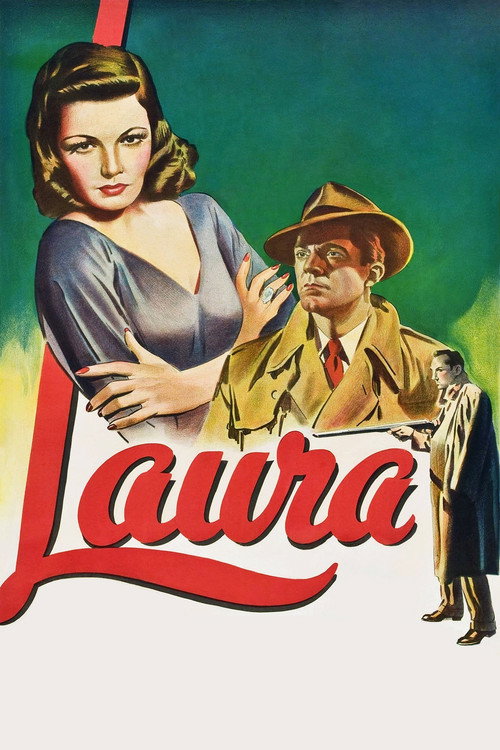
Laura1944
A detective investigating a murder falls in love with the portrait of the dead woman. Elegant, witty, genuinely surprising twist, and the kind of confident storytelling that makes you want to rewatch immediately.
But The charm and elegance can feel slight to those who prefer their noir grittier and more hopeless. It's the most Hollywood of these films.
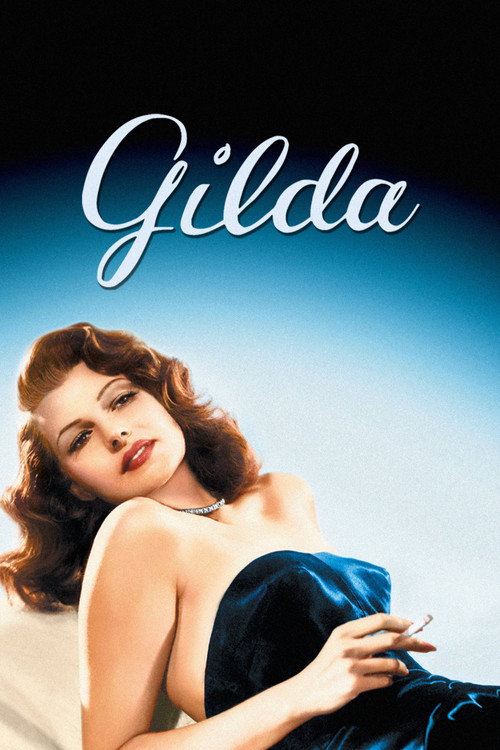
Gilda1946
Rita Hayworth in a coruscating performance as the woman who destroys two men's lives. Visually gorgeous, genuinely erotic for 1946, and interested in the poison of jealousy and male ego.
But The plot is thin and exists mainly to showcase Hayworth. The moral framework is deeply misogynistic in ways that can't be overlooked.
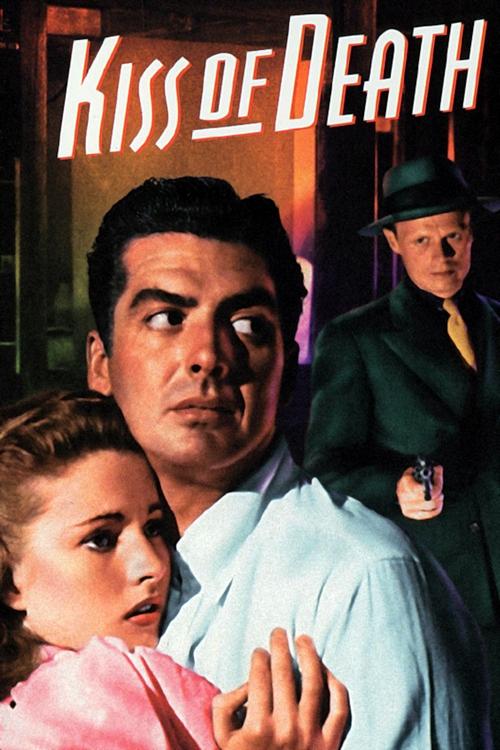
Kiss of Death1947
A man testifies against someone and can't escape the consequences. Both explore the damage done by being a witness rather than a participant in crime.
Richard Widmark's film debut as a giggling psychopath who steals the picture entirely. A stool pigeon tries to go straight but gets pulled back in. Raw, violent, and genuinely disturbing about moral compromise.
But Widmark's performance is cartoonishly theatrical; he chews scenery. The plot mechanics creak. If you need naturalism, this will seem absurd.
Rope1948
Both trap the audience in the psychological space of guilt and paranoia, where innocence becomes hard to read and truth unreliable. Both are about what you know versus what you can prove.
Hitchcock's audacious single-take thriller about two men who commit a murder and host a dinner party above the body. It's a chamber piece about performance, voyeurism, and the detective who sees through charm to guilt beneath.
But The gimmicky real-time structure means it's occasionally static. The dialogue is theatrical and overwritten. Some find it suffocating rather than thrilling.

People
Cast
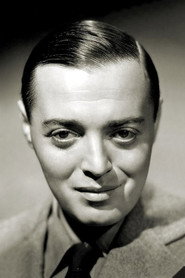 Peter LorreThe Stranger
 John McGuireMichael Ward

- Charles WaldronDistrict Attorney
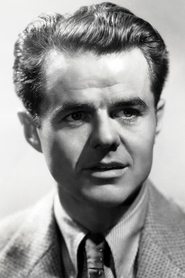 Elisha Cook Jr.Joe Briggs
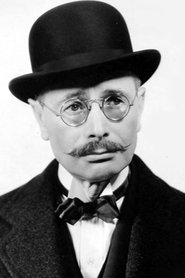 Charles HaltonAlbert Meng
 Ethel GriffiesMrs. Kane
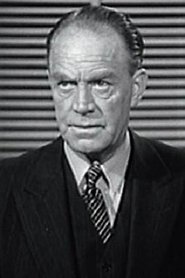 Cliff ClarkMartin
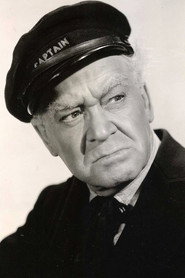 Oscar O'SheaThe Judge
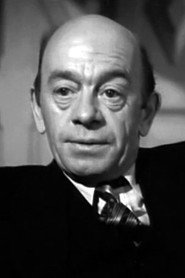 Alec CraigDefense Attorney
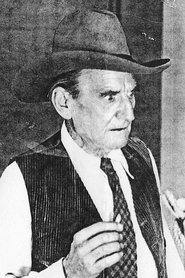 Otto HoffmanPolice Surgeon
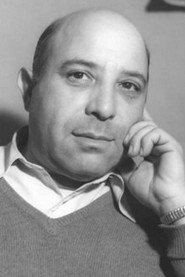 Bobby BarberGiuseppe, the Italian Grocer (uncredited)
Directing
- James E. CaseyAssistant Director
- Boris IngsterDirector
Writing
- Frank PartosScreenplay
- Frank PartosStory
- Nathanael WestWriter
Production
- Lee S. MarcusProducer