
Film
Crack-Up
A Manhattan art critic survives a train wreck that nobody else remembers. Gaslighting noir that wraps its paranoia in post-war unease: Is he cracking up, or is the world conspiring against him? Pat O'Brien carries the mounting dread with genuine desperation. For anyone who loves unreliable narrators and the particular cruelty of being disbelieved.
If you liked this
Gaslight1944
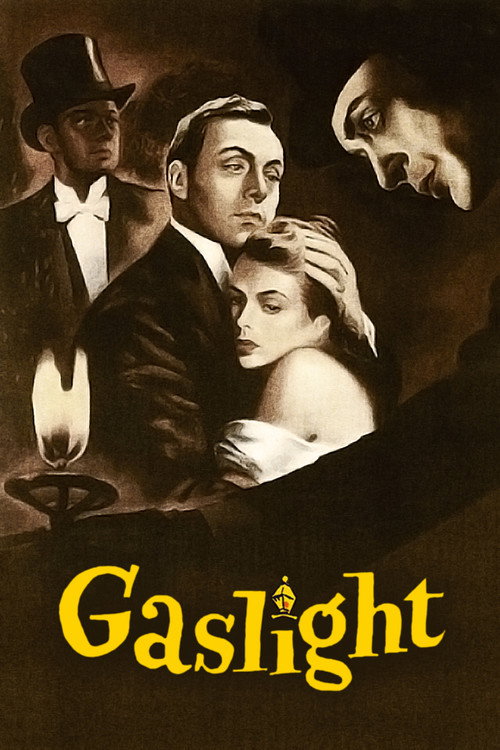
The template for psychological manipulation in cinema. Ingrid Bergman's slow dissolution as her husband convinces her she's mad is mesmerizing and horrifying—a masterclass in how a single lie metastasizes.
But Slower pacing than modern thrillers, and Bergman's breakdown, though brilliant, is painful to watch. The resolution can feel neat compared to Crack-Up's ambiguity.
The Killers1946
Released the same year, same post-war noir DNA. Burt Lancaster and Ava Gardner in a story where nobody's version of events quite lines up. Stylish, tense, and deeply cynical about what we can trust.
But The narrative jumps around. If you need a straight throughline, the fractured structure might frustrate rather than intrigue.

Rope1948
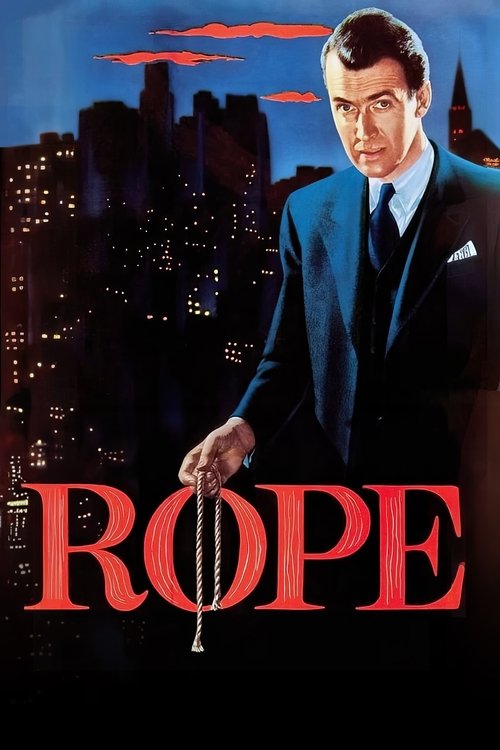
Hitchcock's real-time chamber piece about two killers hosting a dinner party while a body hides in plain sight. The claustrophobia and the cat-and-mouse with a guest who suspects something is terrifyingly precise.
But It's a play adapted for screen and it shows. Long takes and confined space can feel stagey if you're not in the mood for artifice.
Not sure tonight? Get a pick in a minute, starting from Crack-Up
The wildcard
Something you would not have found on your own.
The Third Man1949
Both protagonists are men watching reality come apart around them. Neither film offers the comfort of certainty—the question of who or what to believe is never fully answered, and that's the point.
Carol Reed's Vienna-set masterpiece about a man searching for his friend in post-war chaos. Joseph Cotten navigates a world where nobody tells the truth and reality keeps shifting under his feet. The zither score is unforgettable.
But It's slower and more elegiac than a thriller, built on mood and moral corruption rather than plot momentum. The ending is deliberately unresolved in a way that some find unsatisfying.

More like this (8)
The Big Sleep1946
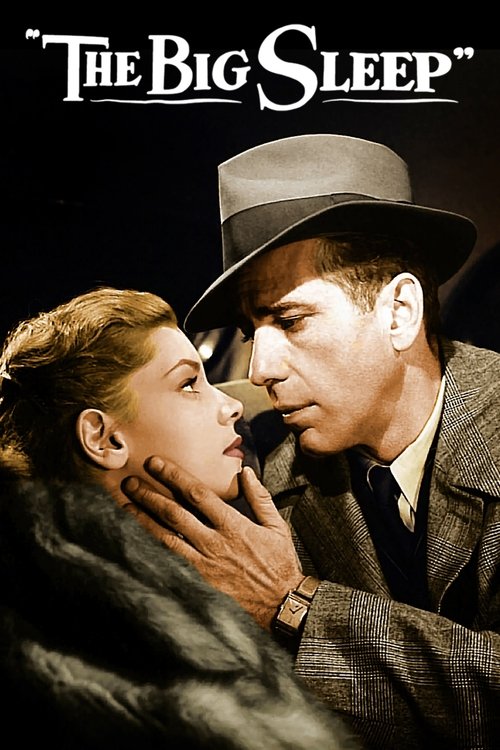
Bogart and Bacall in a plot so convoluted nobody—including the screenwriter—fully understands what's happening. The mystery is almost a pretext for the crackling dialogue and the haze of corruption.
But The plot genuinely does not cohere. Some find that a feature; others find it a bug.
Out of the Past1947
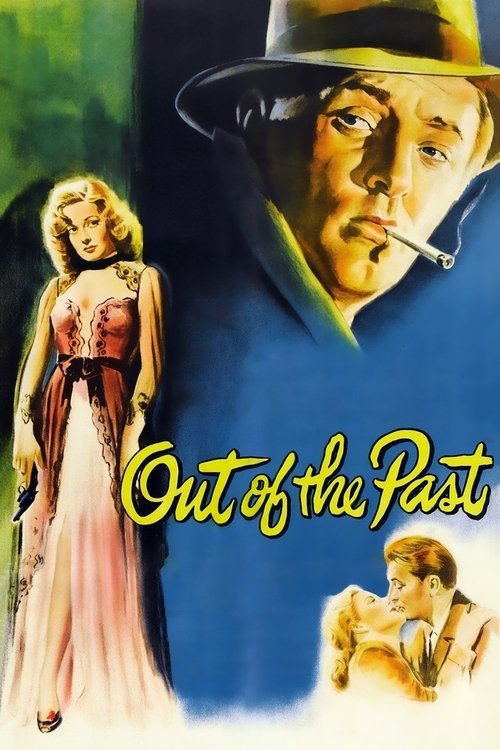
Robert Mitchum as a man trying to escape his past, pulled back in by desire and circumstance. The femme fatale mythology and the certainty that nothing will end well create perfect noir doom.
But If you need female characters with agency, this isn't it. Jane Greer is magnificent but trapped in the archetype.
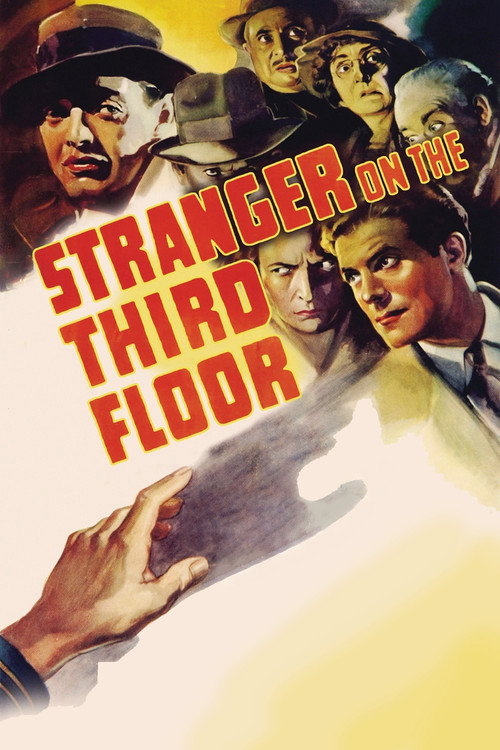
Stranger on the Third Floor1940
An early American noir about false accusation and the fragility of innocence. Peter Lorre's presence alone sends chills, and the paranoia feels prophetic of Crack-Up's themes.
But It's a B-picture with occasional rough edges. The pacing can stall, and some scenes feel more schematic than felt.
In a Lonely Place1950
Humphrey Bogart as a volatile screenwriter accused of murder. The film asks whether he did it, and whether it matters—the real damage is the suspicion itself. Deeply unsettling about the fragility of reputation.
But Bogart plays an genuinely difficult man. If you need him to be likeable, this won't work. The ending is bleak in a way that can feel punishing.

The Asphalt Jungle1950
John Huston's heist primer, where the plan fails and everyone scrambles. The paranoia and mistrust between criminals mirrors Steele's isolation; nobody trusts anybody here either.
But It's a procedural more than a thriller. If you want constant momentum, the middle section can drag as details accumulate.

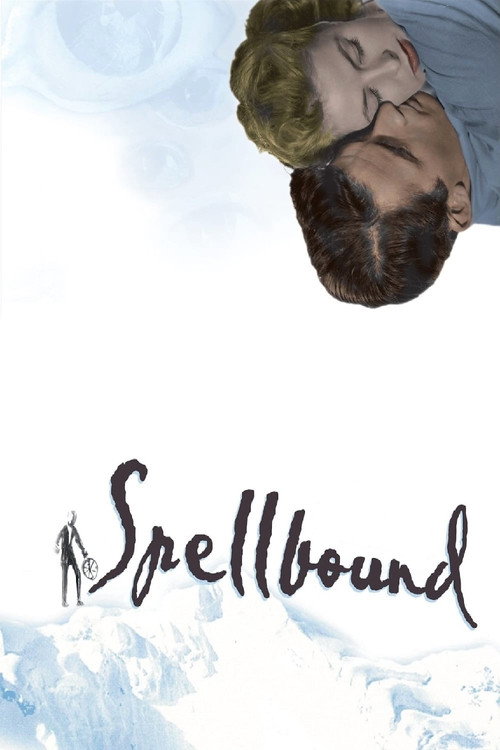
Spellbound1945
Hitchcock and Dalí on amnesia and psychoanalysis. Gregory Peck as a man who can't remember who he is, pursued by people who think he's a killer. Surreal and genuinely weird for 1945.
But The plot requires you to accept that dreams reveal truth. The Freudian framework will make some viewers wince. Pacing sags in the middle.
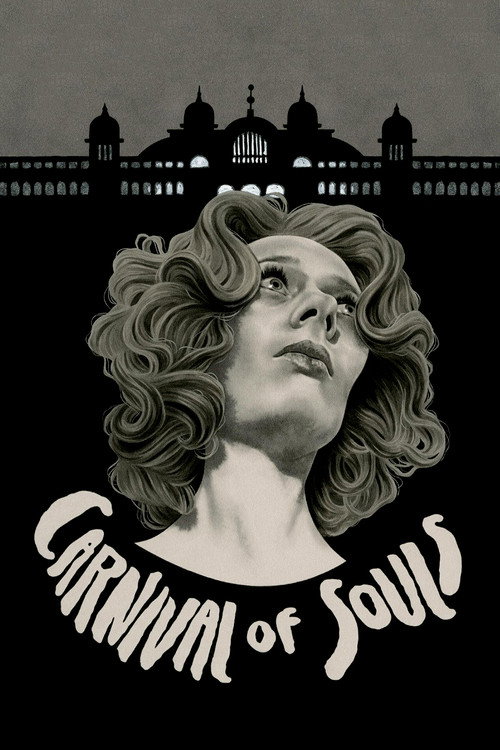
Carnival of Souls1962
Like Crack-Up, it's obsessed with the unreliability of perception. Is the protagonist losing her mind or experiencing something genuinely supernatural? The film refuses to choose, leaving you suspended in that uncertainty.
Herk Harvey's haunting low-budget film about a woman who may or may not be dead. Shot in stark black-and-white, it builds dread through repetition and ordinary locations made sinister. Genuinely eerie and deeply strange.
But It's very slow, very quiet, and relies entirely on mood. The acting is amateurish by design. If you need plot clarity, this will frustrate you deeply.
Stalker1979
Both are about men navigating worlds where the ground keeps shifting beneath them. Stalker replaces Crack-Up's urban paranoia with existential dread, but the core is the same: uncertainty becomes a kind of horror, and the search for truth becomes the search for sanity.
Andrei Tarkovsky's science-fiction meditation on desire and doubt. A guide leads two men through a mysterious zone to a room that grants wishes—if it exists, if they're brave enough. Hypnotic, philosophical, and deeply unsettling about motivation and truth.
But It's nearly three hours of slow, contemplative filmmaking. There is almost no plot. If you watch it expecting action or clarity, you will hate every minute.

People
Cast
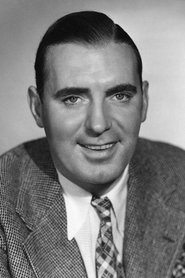 Pat O'BrienGeorge Steele
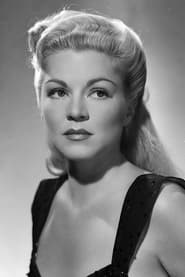 Claire TrevorTerry Cordell
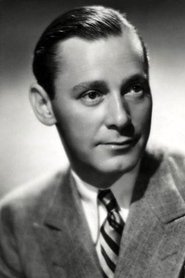 Herbert MarshallTraybin
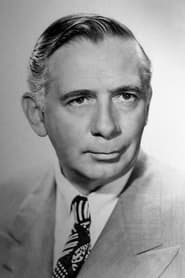 Ray CollinsDr. Lowell
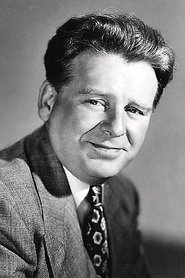 Wallace FordLt. Cochrane
 Dean HarensReynolds
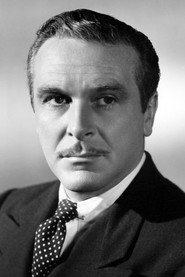 Damian O'FlynnMuseum Curator Stevenson
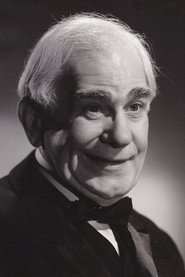 Erskine SanfordMuseum Director Barton
 Mary WareMary
- Alex AkimoffMan (Uncredited)
- John ArdellMan (Uncredited)
 Gertrude AstorNagging Wife on Train (Uncredited)
Directing
- James H. AndersonAssistant Director
- Irving ReisDirector
Writing
- Ben BengalScreenplay
- John PaxtonScreenplay
- Ray SpencerScreenplay
- Fredric BrownStory
Production
- Jack J. GrossProducer