
Film
Enemy Agents Meet Ellery Queen
A wartime mystery that stitches together spy thriller and detective puzzle. Ellery Queen, a famous detective from radio and pulp, investigates Nazi agents and smuggled diamonds in 1942 America. It's a brisk, B-movie entertainment—clever but unpretentious, designed to fill a double feature with patriotic thrills and fair-play whodunnit logic. For anyone who likes puzzles served with adventure.
If you liked this
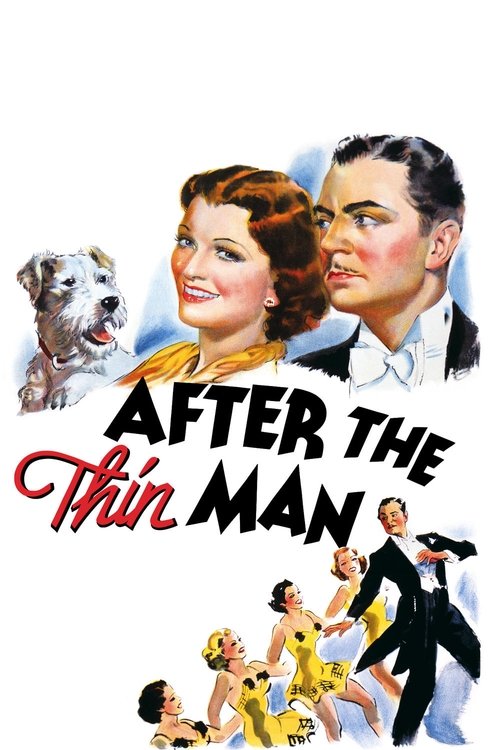
After the Thin Man1936
Urbane detective and his wife solve a murder while drinking cocktails and bantering like they're having the time of their lives. Influenced Ellery Queen's radio persona and shares that same witty-couple-investigating vibe.
But The plot is secondary to the charm; if you need your mystery serious and taut, this will feel like treading water.
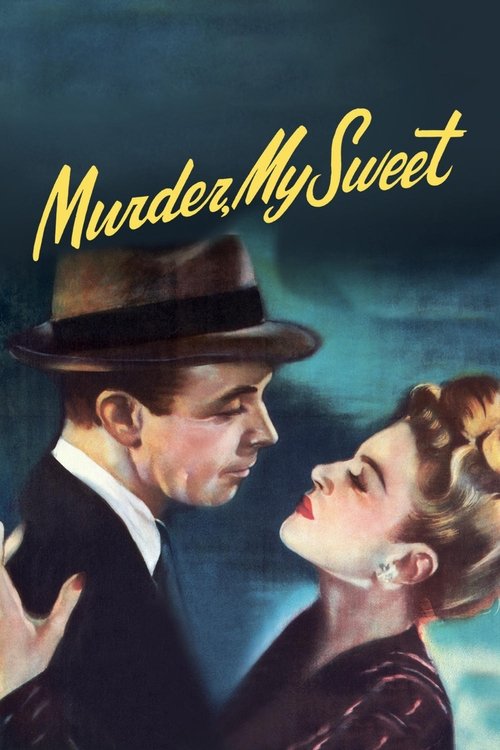
Murder, My Sweet1944
A detective stumbles through a labyrinth of lies and blackmail in wartime LA, all cruel glamour and double-crosses. Same era, same city, same genre—but this one goes dark where Ellery Queen stays bright.
But Much grimmer and more violent. It's real noir; Enemy Agents is play-acting noir.
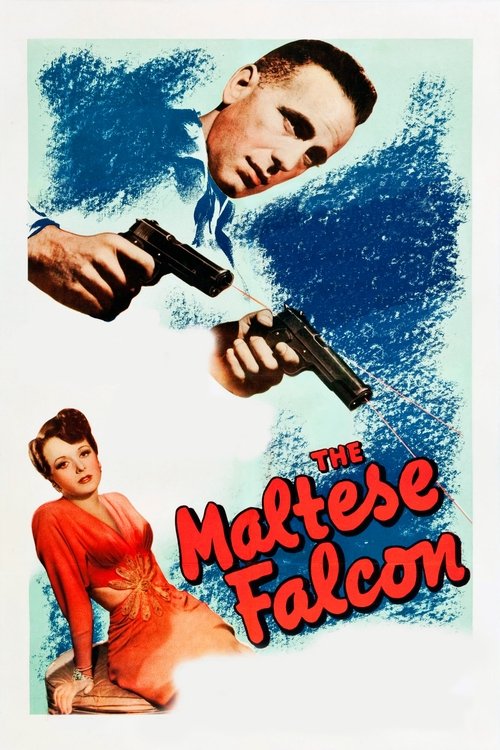
The Maltese Falcon1941
Sam Spade navigates Nazis, duplicitous clients, and international intrigue with sardonic cool. Released just before Enemy Agents, it's the template for how American detective stories absorbed the war.
But Bogart's mystique can overshadow everything; if you're skeptical of his legend, this won't convince you.
Not sure tonight? Get a pick in a minute, starting from Enemy Agents Meet Ellery Queen
The wildcard
Something you would not have found on your own.
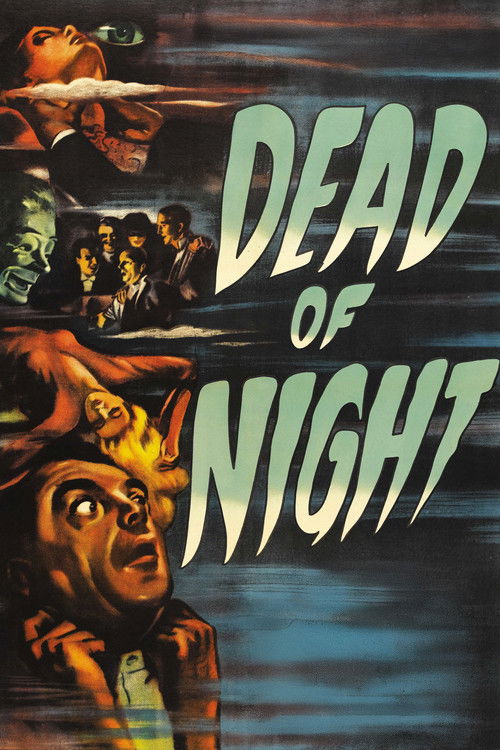
Dead of Night1945
Both are tightly constructed B-pictures made during wartime that use genre as a skeleton for something more imaginative than the premise suggests. Both trust their audience's intelligence over their budget.
A British omnibus of supernatural horror and mystery, framed by a haunting recursive narrative. Same year, same wartime resourcefulness—but this one goes into dream logic and genuine strangeness instead of spy-puzzle mechanics. Utterly original.
But Anthology structure means tonal whiplash. Some stories drag. And the supernatural may feel like it's cheating on a mystery.
More like this (8)
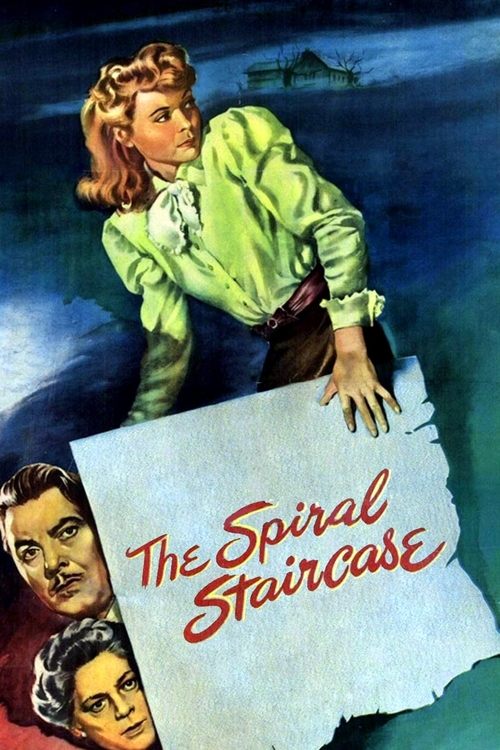
The Spiral Staircase1946
A young mute woman must survive a killer loose in an isolated mansion. Gothic, tense, and constructed like a puzzle box—it's mystery as suspense rather than intellectual game, but shares that careful plotting.
But Slower-paced and genuinely unsettling; less clever-fun, more hold-your-breath dread.
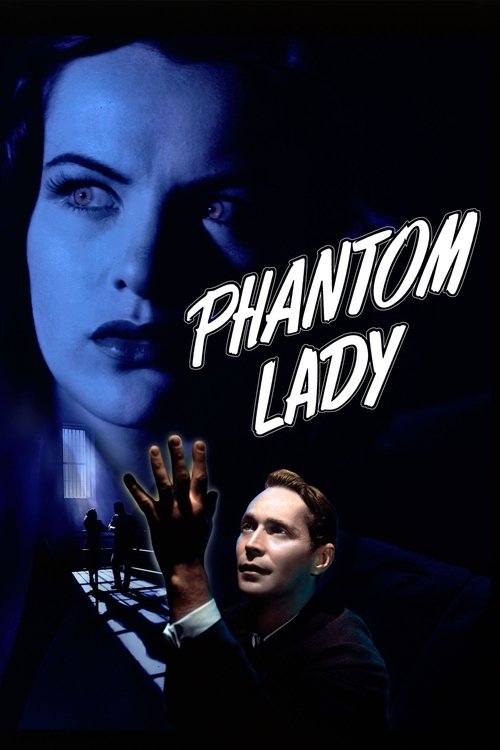
Phantom Lady1944
An innocent man imprisoned for murder; his girlfriend investigates through nightclubs and blackmail. Wartime espionage overlaps with detective work, and the supporting cast is magnificent.
But The gender politics are of 1944 and sometimes curdling. The heroine exists partly to be looked at, not just to think.
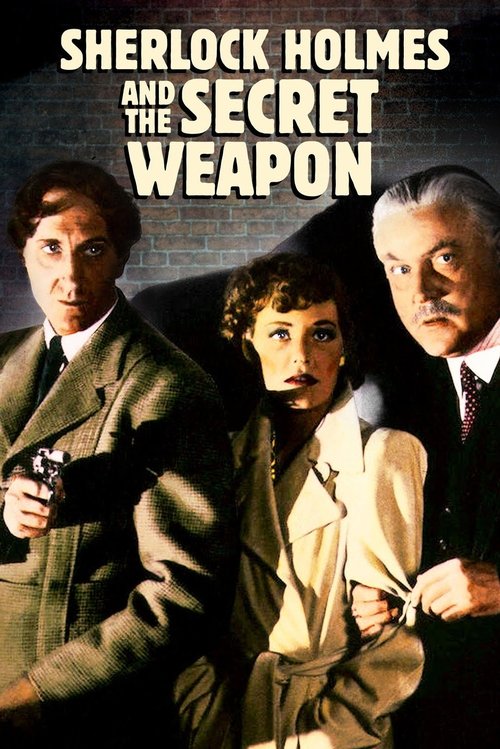
Sherlock Holmes and the Secret Weapon1942
Basil Rathbone's Holmes pursues Nazi agents after a Swiss inventor and a bomb sight. Exactly contemporary with Enemy Agents; both films scramble detective logic with wartime paranoia.
But Rathbone movies are uneven—this one prioritizes plot over character, and it shows.
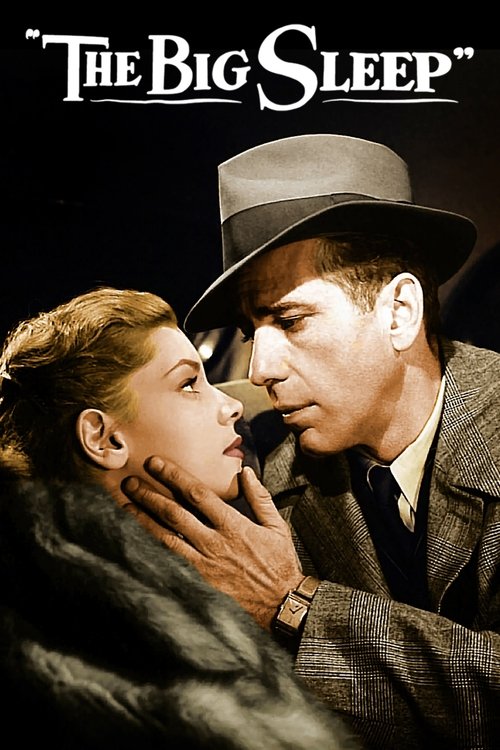
The Big Sleep1946
Bogart and Bacall navigate impossible-to-follow plot, blackmail, murder, and chemistry so intense it powers through the script's confusion. Post-war L.A. detective work, but scaled up and made glamorous.
But The plot genuinely doesn't make sense—not in a fun way, in an 'the studio chopped the script' way.
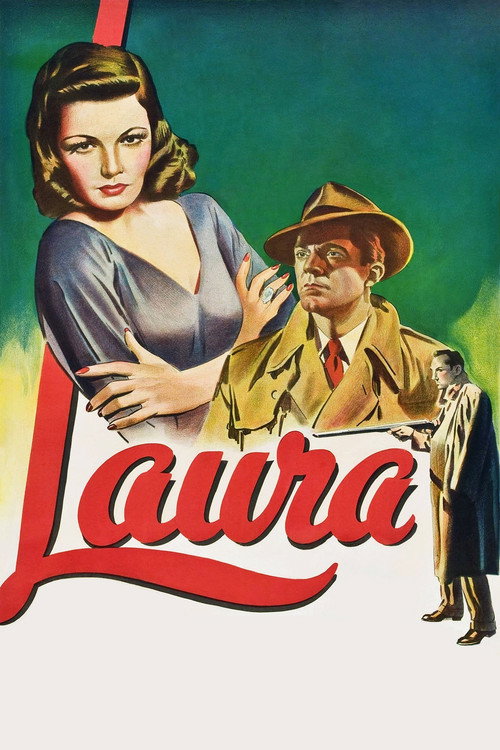
Laura1944
A detective investigating a society murder falls for the victim's portrait. Stylish, psychologically curious, and constructed with elegant precision. Mystery as character study.
But Quieter and more introspective than you'd expect; some find it precious rather than gripping.
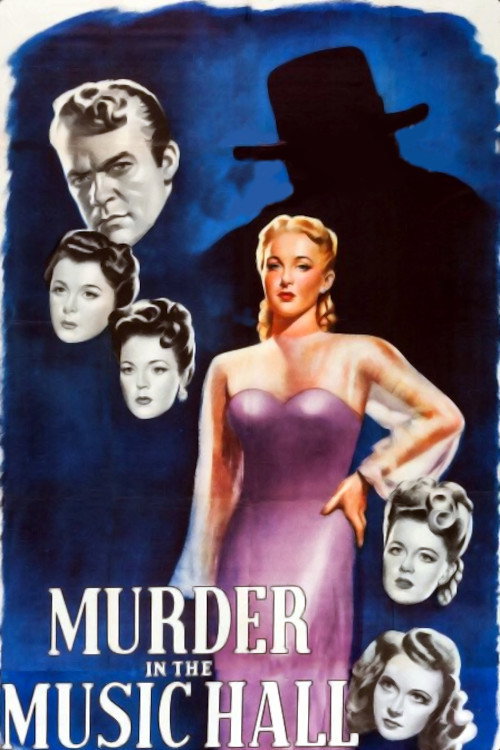
Murder in the Music Hall1946
A B-movie murder backstage at a theatre, with multiple suspects and wartime urgency threaded through. True peer to Enemy Agents—made in the same factory, same speed and energy.
But Obscure for good reason. It's pleasant but forgettable, and copies better films without adding anything.
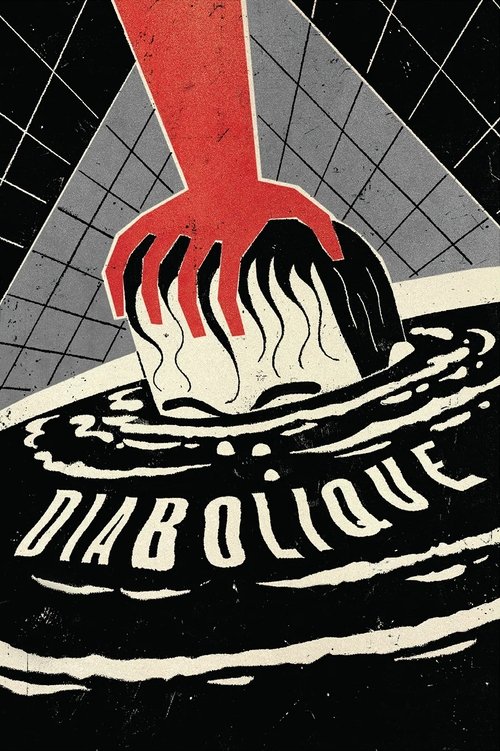
Diabolique1955
Both are about the architecture of deception—how to construct an alibi, a plan, a narrative that holds until it doesn't. But where Ellery Queen delights in intellectual gamesmanship, Diaboliques knows that perfect plans fail because humans are flawed and desperate.
A governess and the headmaster's wife conspire to murder him in a grimy provincial boarding school. French, post-war, visually baroque and brutal. It's a mystery that becomes something far darker—the puzzle gives way to dread.
But The famous bathtub scene is genuinely disturbing. It's cruel, not clever; if Ellery Queen is your baseline, this is a different animal entirely.
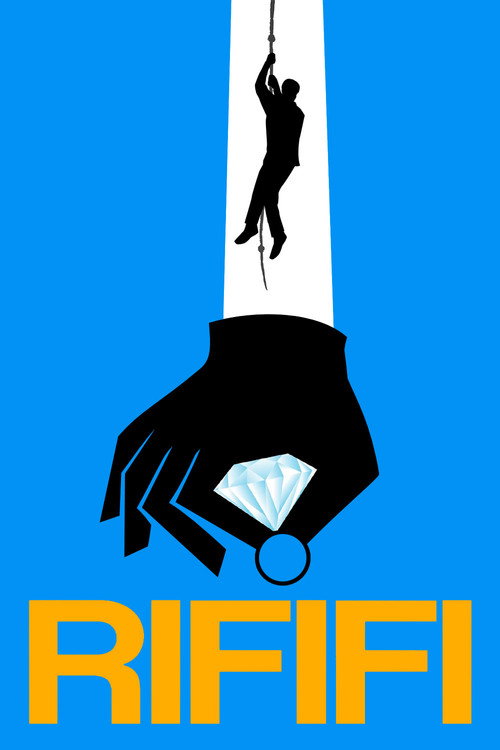
Rififi1955
Both depend on audience intelligence and visual storytelling over exposition. But Rififi is about the criminal's puzzle—how to steal the gems—while Ellery Queen is about the detective's puzzle: how to prove guilt. Mirror images of the same brain teaser.
A silent heist sequence so audacious it changed cinema: burglars rob a jeweler with no dialogue, no music, no cuts—just the sound of their tools. French film noir about thieves, honor, and betrayal. Mystery through crime instead of detection.
But Post-dubbing creates oddness in the non-heist scenes. And the premise is criminal activity, not justice; if you need to root for law and order, stay away.
People
Cast
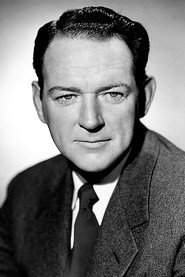 William GarganEllery Queen
 Margaret LindsayNikki Porter
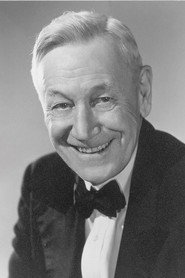 Charley GrapewinInspector Richard Queen
 Gale SondergaardMrs. Van Dorn
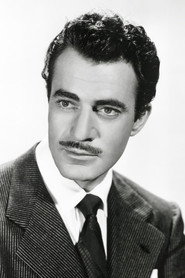 Gilbert RolandPaul Gilette
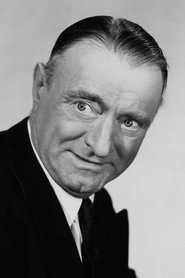 Sig RumanHeinrich, Spy Leader
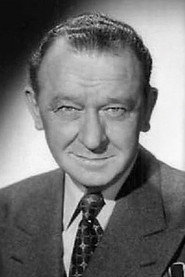 James BurkePolice Sergeant Velie
Directing
- James P. HoganDirector
Writing
- Eric TaylorScreenplay
- Frederic DannayStory
- Manfred LeeStory