
Film
After the Thin Man
It's the second entry in the Thin Man series, following Nick and Nora Charles as they investigate family scandal and murder in San Francisco. The film blends a hard-boiled detective plot with sparkling marital banter, martinis, and dry wit, and gives a young James Stewart an early, showcase role. Perfect for fans of stylish 1930s comedy-mysteries where charm matters more than clues.
If you liked this
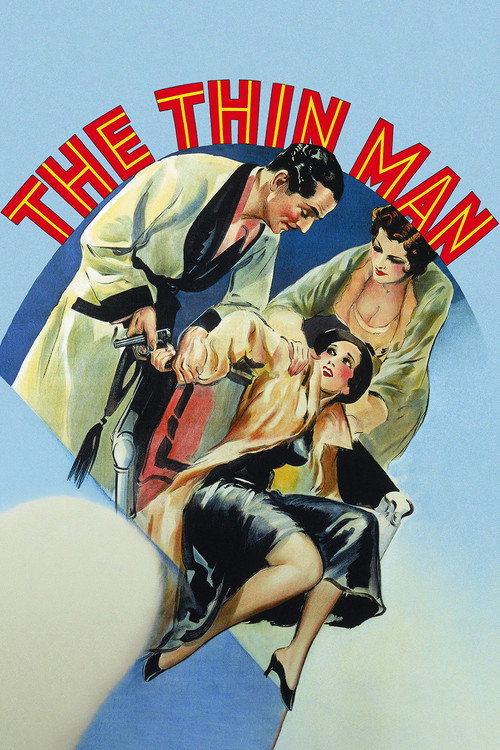
The Thin Man1934
This is where Nick and Nora began, and if you haven't seen it yet, do that first — the wit is sharper, the mystery leaner, and the chemistry is being invented in real time.
But If you've already seen it (likely, given you're on the sequel), there's nothing new here — you'll just be watching the origin story again.
Libeled Lady1936no page yet
Same year, same Powell and Loy, but paired instead with Spencer Tracy and Jean Harlow in a newsroom scheme that spirals into gorgeous chaos — proof this cast could do screwball without a corpse in sight.
But No mystery at all here, just farce — if the murder plot was the appeal, this will feel weightless.
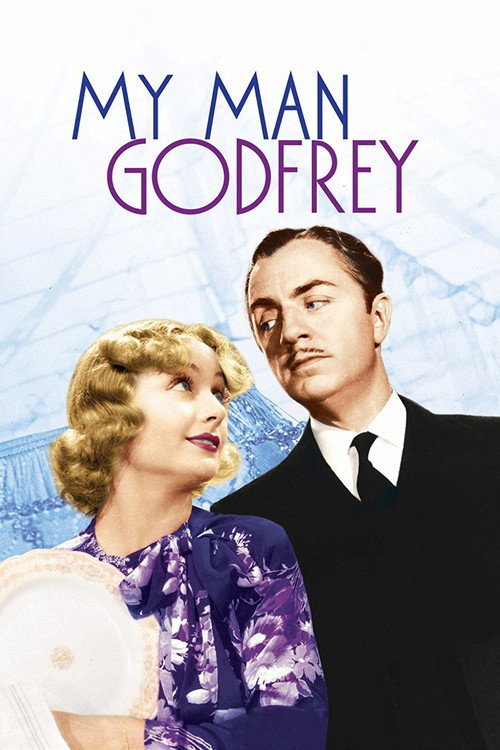
My Man Godfrey1936
William Powell at his most delightfully dry, playing a butler with secrets amid a family of magnificent lunatics — one of the sharpest screwball comedies ever made.
But No Loy, no murder, no Nick Charles swagger — it's a cousin to the Thin Man style, not a continuation of it.
The wildcard
Something you would not have found on your own.
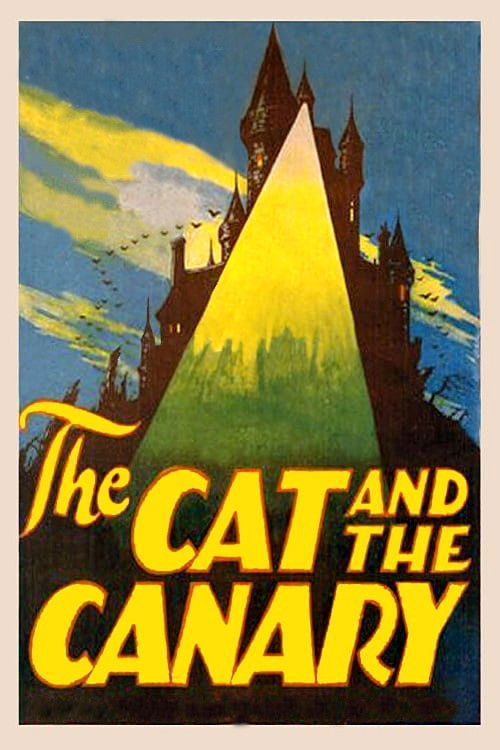
The Cat and the Canary1927
After the Thin Man runs on a family closing ranks around a scandal while a detective picks through their secrets with a smirk — this film invented that exact recipe of gothic family dread laced with comic relief, years before the Charleses existed.
A silent-era old-dark-house mystery-comedy about a scheming family gathered for a will reading — spooky, funny, and doing the 'sinister relatives plus jokes' formula a full decade before Nick Charles ever lit a cigarette.
But Silent film pacing and intertitles take adjustment, and the comedy is broader and less verbal than what you just watched.
More like this (8)
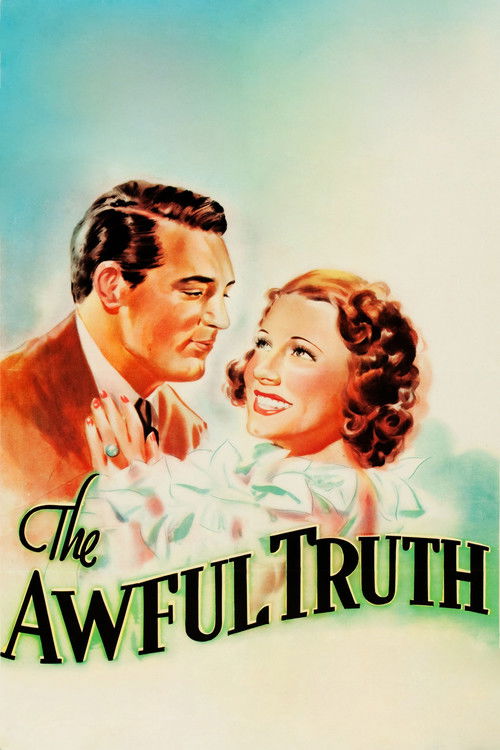
The Awful Truth1937
Cary Grant and Irene Dunne divorcing and re-seducing each other with the same rapid-fire elegance Nick and Nora bring to marriage — arguably the genre's other great masterpiece.
But There's a dog instead of a corpse; the stakes are romantic, not criminal, so the plot engine is completely different.
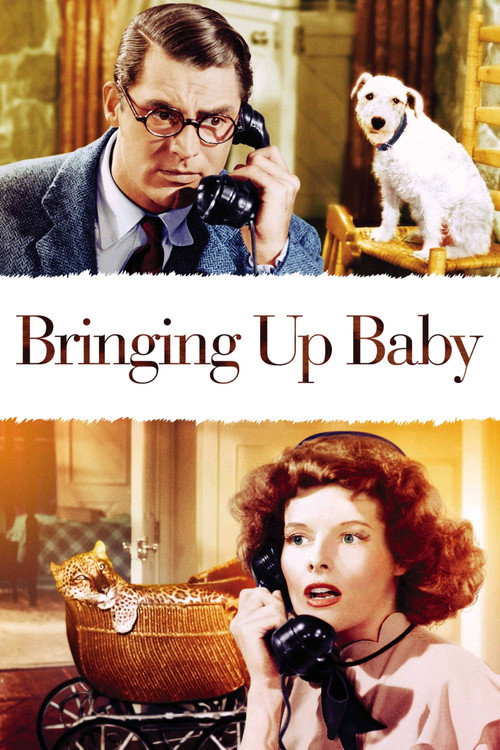
Bringing Up Baby1938
Hepburn and Grant at full screwball velocity, with a leopard standing in for the murder plot — pure controlled bedlam if you want the tone without the crime.
But It's louder and more frantic than Nick and Nora's cocktail-hour cool — some find its pace exhausting rather than charming.
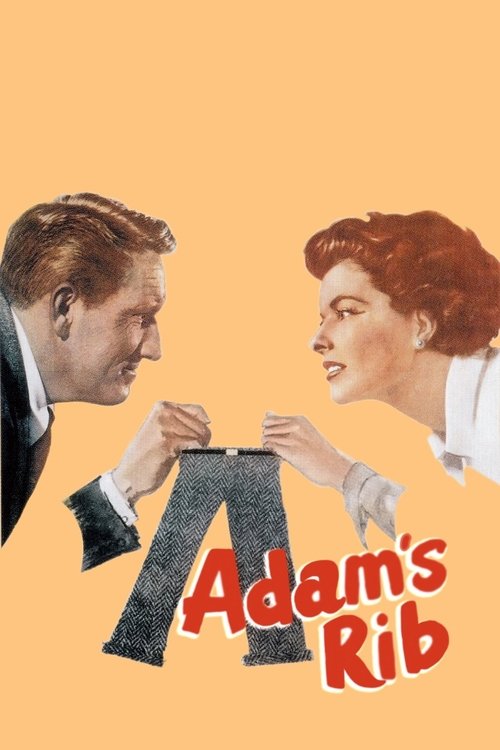
Adam's Rib1949
Tracy and Hepburn as married lawyers on opposite sides of a case, trading barbs with the same affectionate competitiveness that makes Nick and Nora work — just swap detective work for courtroom sparring.
But It's talkier and more argument-driven than mystery-driven, so don't expect much in the way of suspense.
Another Thin Man1939no page yet
The series' next chapter, with baby Nick Jr. now in tow and the domestic comedy deepening alongside the murder plot — still funny, still Powell and Loy at their best.
But The formula is starting to show its seams by this point, and some find the plotting more tired than the first two entries.
Mr. and Mrs. North1942no page yet
A lesser-known married-couple-detective comedy explicitly built in the Nick-and-Nora mold — if you want more of exactly this shape and haven't exhausted the Thin Man sequels yet, start here.
But It's a pale copy in almost every way — competent, forgettable, and clearly aware of what it's imitating.
The Gay Divorcee1934no page yet
Astaire and Rogers instead of Powell and Loy, dance instead of detection, but the same effervescent 1930s confidence and comic misunderstanding runs through it.
But It's a musical first and foremost — if you came for banter over a body, this swaps in tap numbers instead.
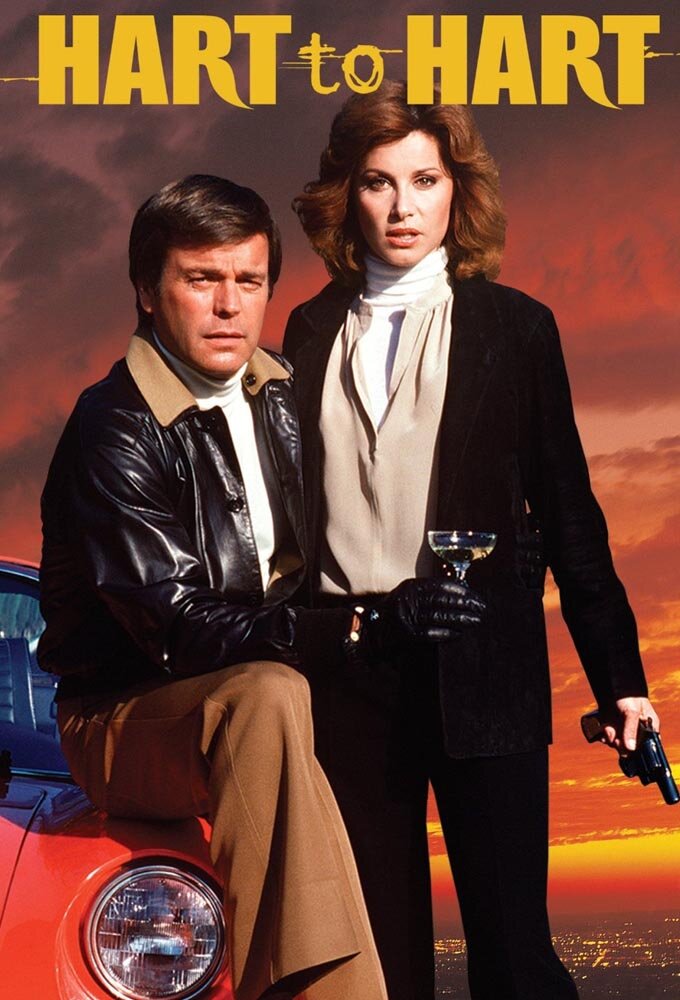
Hart to Hart1979
This is the Thin Man's premise stretched across episodic TV: the same devoted, bantering, crime-solving marriage, just repackaged for a different decade and format.
A glamorous, wealthy married couple solve murders together between martinis and one-liners — essentially Nick and Nora relocated to disco-era television, forty-five minutes at a time, for five seasons.
But It's unmistakably a product of its era — glossy, formulaic, and a long way from the sharp dialogue of 1930s Hollywood.
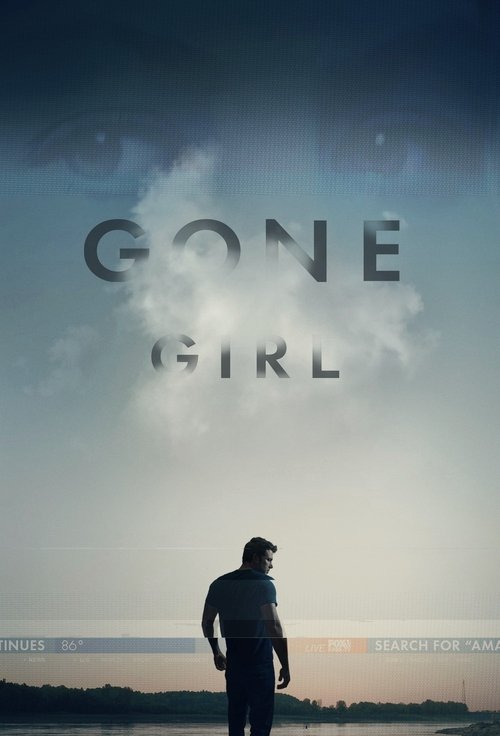
Gone Girl2014
Both films use a marriage as the engine of a mystery plot, but where After the Thin Man treats Nick and Nora's partnership as a source of comfort and comic reassurance, Gone Girl treats the same structure as a source of dread — the same idea, inverted completely.
Same premise as Nick and Nora — a marriage examined through the lens of a disappearance — but curdled into something cold, paranoid, and genuinely unsettling; a masterclass in tone.
But There is no charm here, no wit to soften it — if you want reassurance that love and detective work mix nicely, this will actively punish that hope.
People
Cast
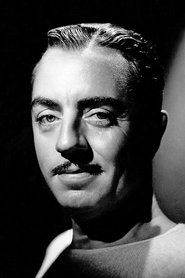 William PowellNick Charles
 Myrna LoyNora Charles
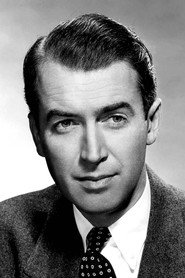 James StewartDavid Graham
 Elissa LandiSelma Forrest Landis
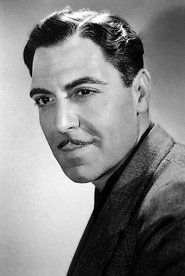 Joseph CalleiaDancer
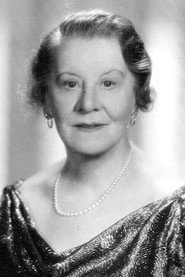 Jessie RalphKatherine Forrest
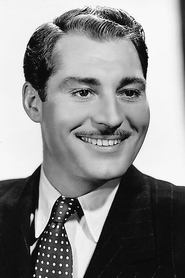 Alan MarshalRobert Landis
 Teddy HartFloyd Casper
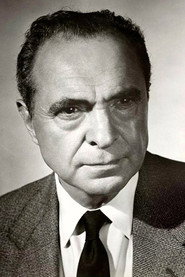 Sam LeveneAbrams
 Penny SingletonPolly Byrnes
- William LawLum Kee
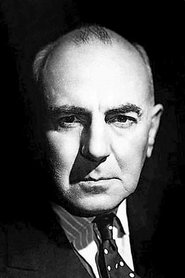 George ZuccoDr. Kammer
Directing
- W.S. Van DykeDirector
Writing
- Albert HackettScreenplay
- Frances GoodrichScreenplay
- Dashiell HammettStory
Production
- Hunt StrombergProducer