
Film
Silver Streak
A breezy 1976 thriller-comedy where Gene Wilder's nervous book editor witnesses a murder aboard a cross-country train and becomes entangled with killers, con artists, and a charming woman (Jill Clayburgh). It's a crowd-pleaser that doesn't take itself seriously: romance, chases, and slapstick collide with genuine suspense. Perfect for anyone who wants their thrills leavened with laughs.
Should you watch it?
Watch it if you enjoy a comic thriller built on a clever mismatch of personalities, where a fussy straight man and a wisecracking partner trade barbs while the plot keeps tightening like a vise.
Skip it if the comedy leans on broad slapstick and a few dated jokes, and its opening stretch is slower to get moving than the setup suggests it should.
What it asks of you: a caper running just under two hours that settles in for a good while before the chase starts, asking you to enjoy the banter and the train's rhythm rather than rush toward the next jolt.
Not sure? Find tonight's pick in a minute.
If you liked this
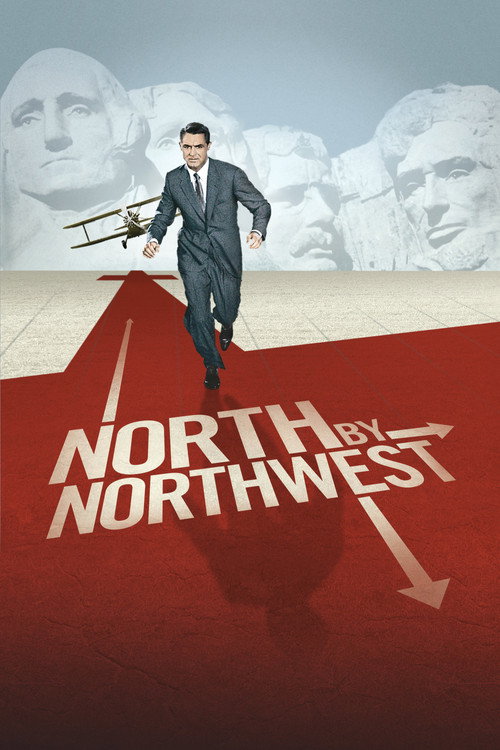
North by Northwest1959
Hitchcock's prototype: an ordinary man mistaken for a spy, pursued across America by forces he doesn't understand. Cary Grant's charm and the film's wit make the peril feel playful even as the stakes climb.
But It's slower-paced than modern thrillers, and the 1950s gender politics land awkwardly now.
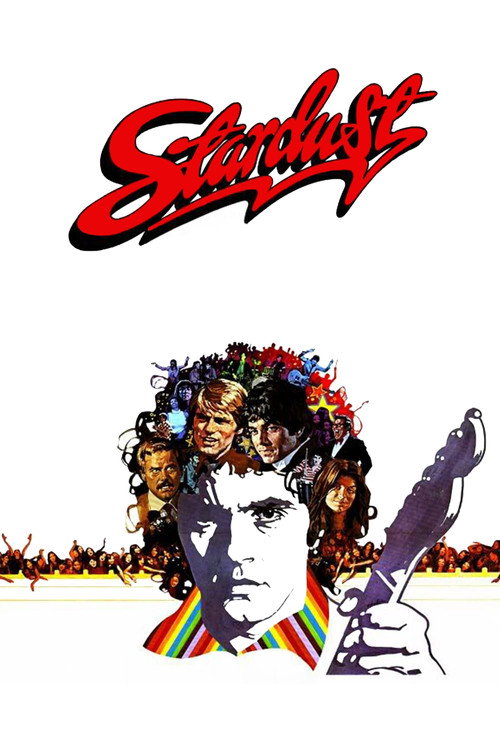
Stardust1974
Gene Wilder's previous collaboration with director Arthur Hiller. A gentle, melancholic gem about a washed-up rock star and a con artist. It shows Wilder's range beyond comedy—vulnerable and real beneath the charm.
But The rock-and-roll subplot feels dated. It's a quieter, sadder film than Silver Streak; some will find it slow.
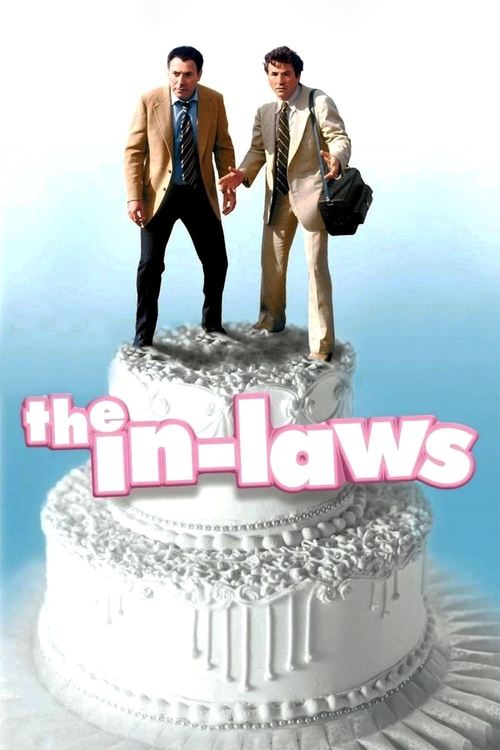
The In-Laws1979
Peter Falk and Alan Arkin as two fathers whose kids are marrying. Chaos, rapid-fire dialogue, absurdist chases. It captures the same spirit of comedy-thriller partnership that makes Silver Streak work.
But The plot is deliberately thin and surreal; viewers who need coherent storytelling will be frustrated.
Not sure tonight? Get a pick in a minute, starting from Silver Streak
The wildcard
Something you would not have found on your own.
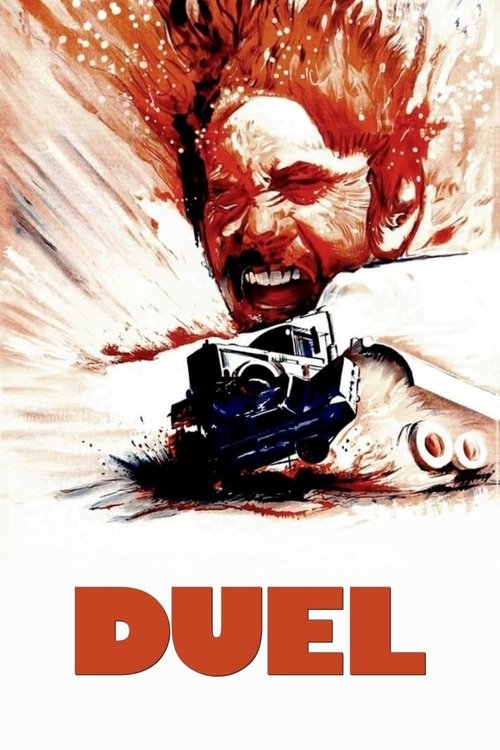
Duel1971
Both trap an ordinary man in a journey where the rules keep changing and everyone around him seems complicit in the nightmare. But Duel is the dark mirror—where Silver Streak has charm and escape, Duel has dread.
Steven Spielberg's first theatrical film: a man driving across the desert is terrorized by an unseen truck driver. Seventy-four taut, stripped-down minutes of pure suspense with almost no dialogue. A masterclass in visual storytelling and escalation.
But It's deadly serious, with genuine menace. There's no humor to leaven the paranoia, and the abstraction frustrates viewers who need plot explanation.
More like this (8)
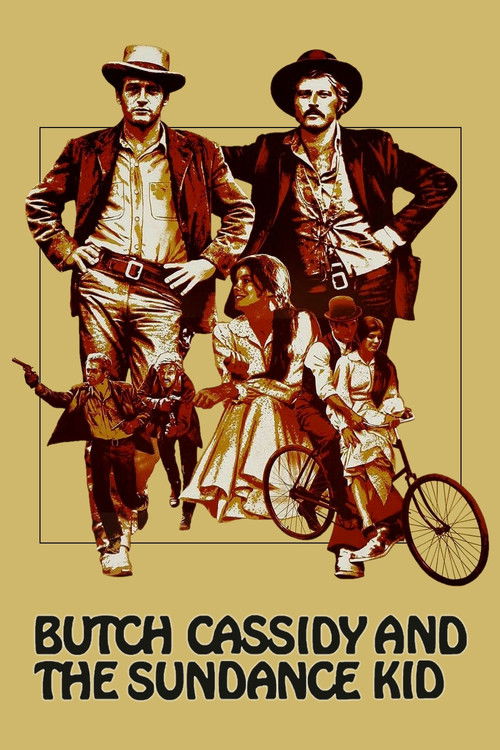
Butch Cassidy and the Sundance Kid1969
Paul Newman and Robert Redford as charming outlaws on the run. Western action and comedy in perfect balance, with real affection between the leads. It's about friendship, humor, and doomed charm.
But The ending is bleak. If you want your adventures to feel ultimately uplifting, this will sting.
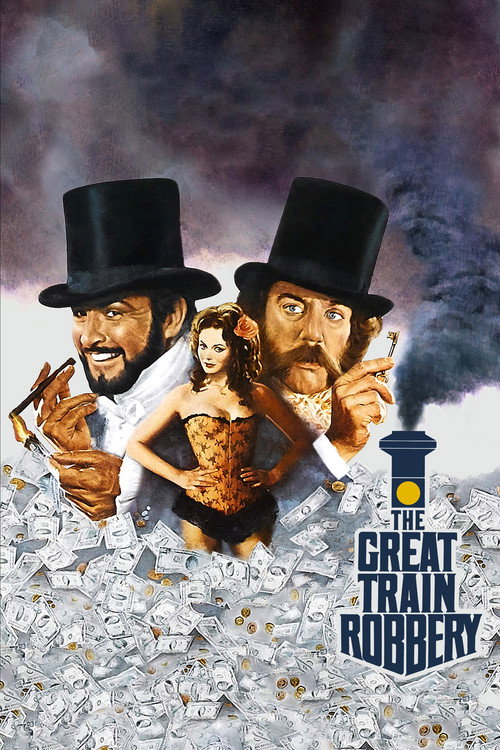
The First Great Train Robbery1978
Sean Connery and Donald Sutherland steal a train full of gold during the Victorian era. Clever, funny, technically ingenious heist with real wit and swagger. A pure entertainment machine.
But It's convoluted—the plot demands real attention, and some find it overlong for what it is.
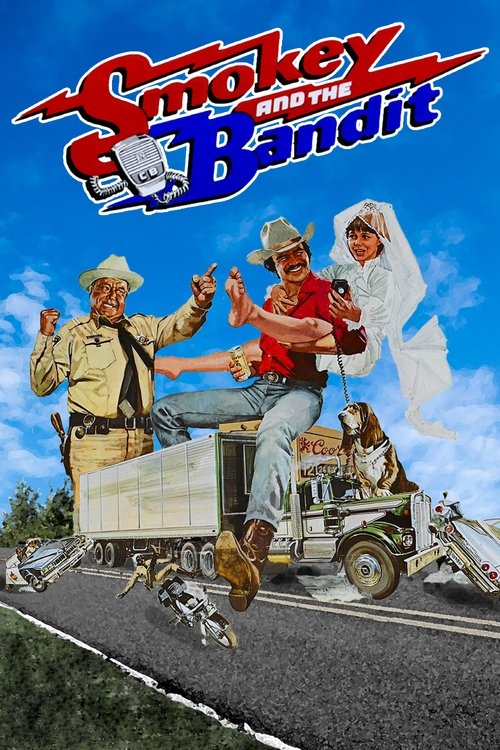
Smokey and the Bandit1977
Burt Reynolds and Sally Field in a road-movie chase film with stunts, chemistry, and anarchic humor. Made the same year Silver Streak was everywhere; it has the same cheerful disregard for consequence.
But The truck-driving culture and country sensibility won't appeal to everyone. It's unironic in ways that can feel dated.
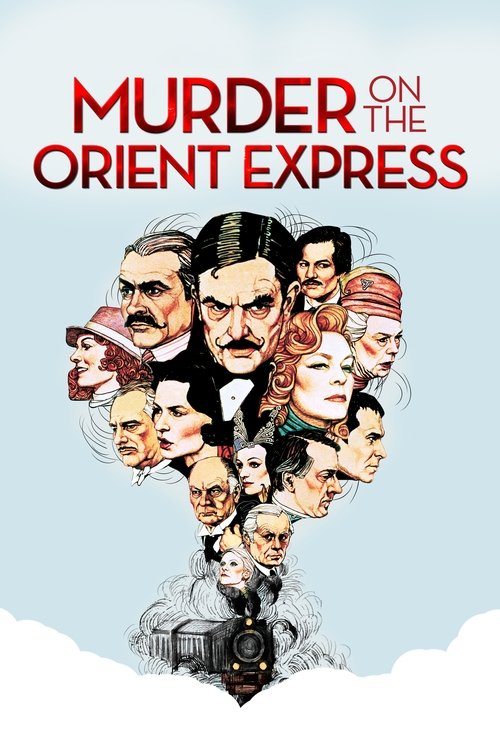
Murder on the Orient Express1974
Agatha Christie on a snowbound train. Hercule Poirot (Albert Finney) solves a locked-room mystery with an ensemble cast having visible fun. It's puzzle-box plotting with star power and elegance.
But It's a whodunit, not an action film—the appeal is deduction and surprise, not momentum.
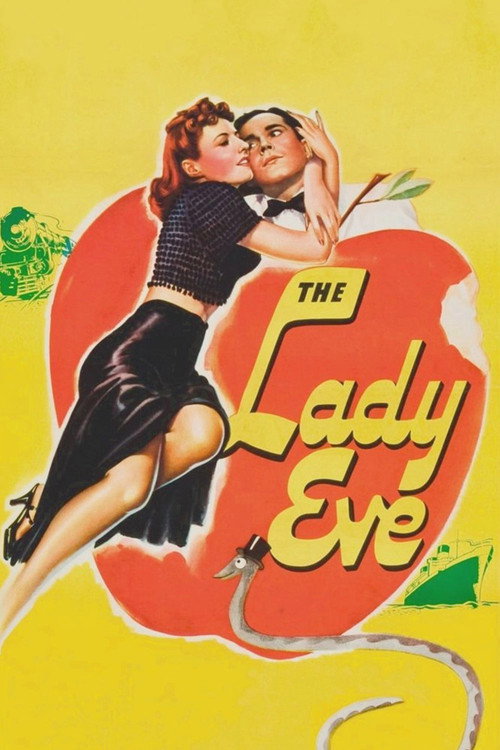
The Lady Eve1941
Preston Sturges' masterpiece: a con woman (Barbara Stanwyck) and a naive heir (Henry Fonda) in a game of deception and desire. Screwball perfection—rapid wit, physical comedy, and genuine romantic heat.
But It's in black and white, nearly eighty-five years old, and the pacing assumes you're listening closely. It won't spoon-feed you laughs.
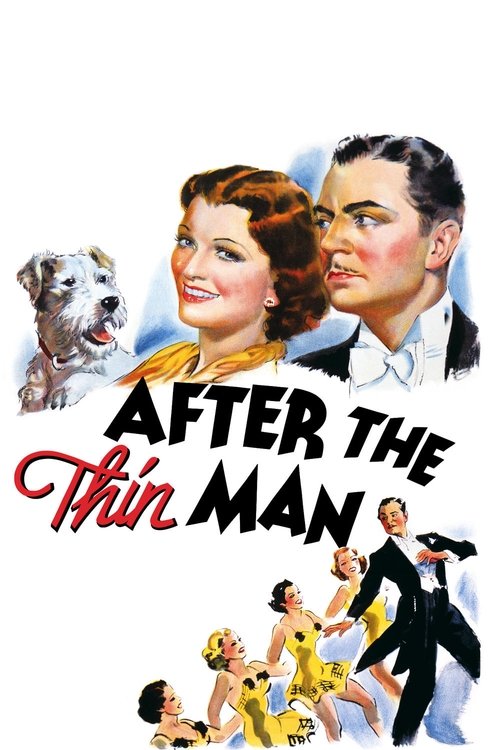
After the Thin Man1936
William Powell and Myrna Loy as a husband-and-wife detective team. Mystery, sophistication, and easy charm—the banter is conversational and warm, and they actually seem to like each other.
But It's the second in a series; you might want to start with The Thin Man. The mystery itself is secondary to the relationship.
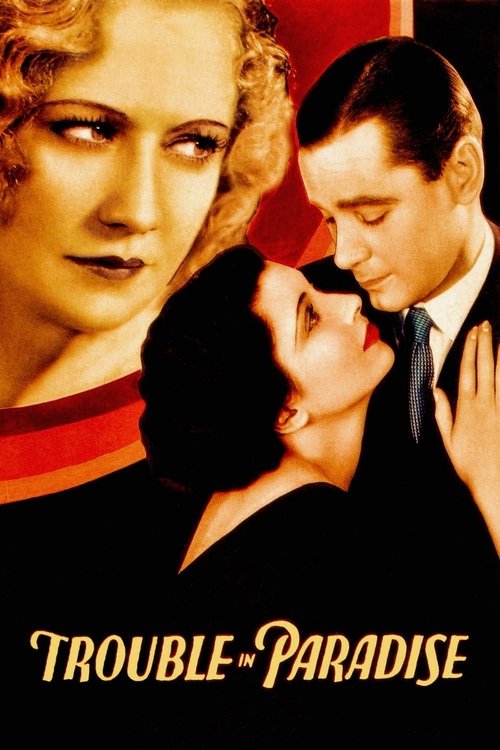
Trouble in Paradise1932
Both are about beautiful con artists and schemes aboard a constrained space (train vs. drawing room). Lubitsch invented the tonal balancing act that Silver Streak uses: crime and romance as equal partners, told with a smile.
Ernst Lubitsch's jewel: two con artists fall in love while scamming a wealthy widow. The sexual innuendo is brazen for 1932, the reversals are constant, and the style is so sophisticated it seems to float. Pre-Code Hollywood at its cleverest.
But It's a silent film's descendant—heavy on subtlety and insinuation over laughs. Modern audiences sometimes find it precious or hard to read.
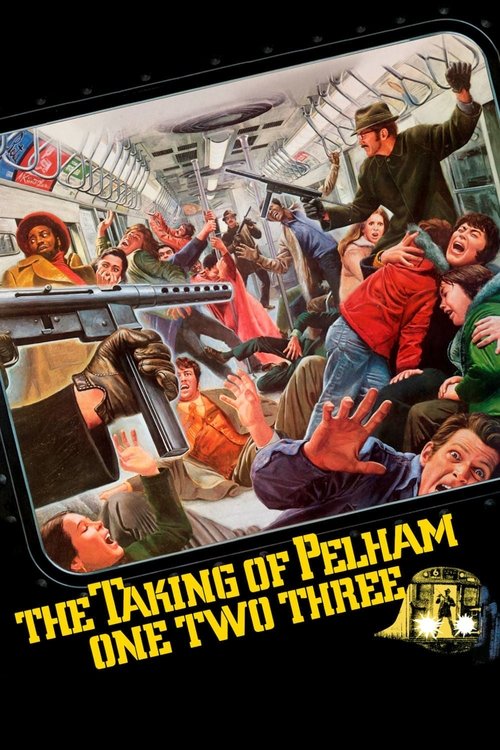
The Taking of Pelham One Two Three1974
Both are transportation-based thrillers from the same era with ensemble casts where ordinary people are forced into extraordinary danger. But where Silver Streak is a romp, Pelham is a heist—tighter, meaner, about the mechanics of crime rather than escape and romance.
Robert Shaw leads a gang to hijack a New York subway car. Walter Matthau is the exhausted dispatcher trying to stop them. It's a procedural thriller—smart, tense, urban, with gruff charisma and real stakes. Dialogue crackles.
But It's gritty 1970s noir, not a lark. The criminals are serious and competent, and the film doesn't wink at the audience. It's a dark game, not a adventure.
People
Cast
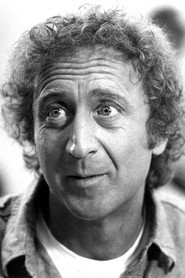 Gene WilderGeorge Caldwell
 Jill ClayburghHildegard 'Hilly' Burns
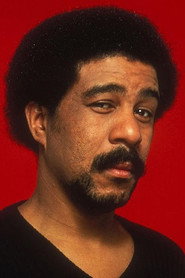 Richard PryorGrover Muldoon
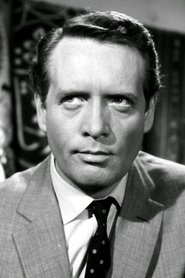 Patrick McGoohanRoger Devereau
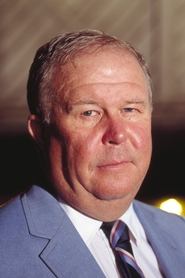 Ned BeattyBob Sweet
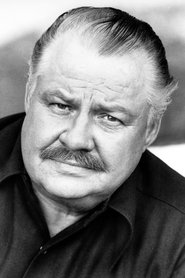 Clifton JamesSheriff Chauncey
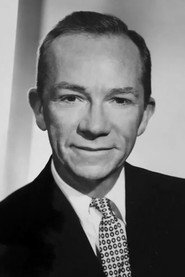 Ray WalstonMr. Edgar Whiney
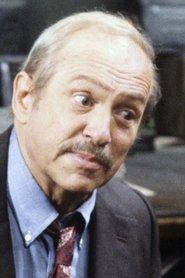 Stefan GieraschProfessor Schreiner & Johnson
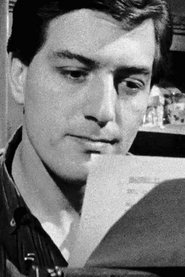 Len BirmanChief
 Valerie CurtinPlain Jane
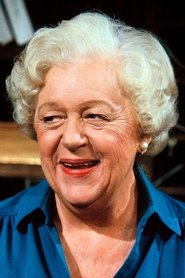 Lucille BensonRita Babtree
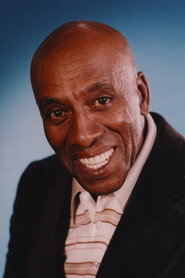 Scatman CrothersRalston
Directing
- Arthur HillerDirector
Writing
- Colin HigginsWriter
Production
- Lynn StalmasterCasting
- Frank YablansExecutive Producer
- Martin RansohoffExecutive Producer
- Edward K. MilkisProducer
- Thomas L. MillerProducer
- Jack B. BernsteinProduction Manager
- Peter V. HeraldProduction Manager