
Film
The First Great Train Robbery
A caper film set in Victorian England where Sean Connery's master criminal orchestrates an audacious heist aboard a moving train. It's clever, beautifully mounted, and enormously entertaining—a puzzle-box of a movie where the pleasure lies in watching the plan come together. Perfect if you like intricate schemes and period charm without heavy moralizing.
Should you watch it?
Watch it if you relish a meticulous heist where the pleasure lies in watching a clever scheme come together, and in the sly rivalry between two charming professionals.
Skip it if you want fast action and constant set pieces, since this is a leisurely caper with long stretches of planning and talk, and its period charm can feel unhurried.
What it asks of you: Settle in for a little under two hours of unhurried setup, with the tension building through careful preparation rather than sudden bursts; the mood stays light and sly.
Not sure? Find tonight's pick in a minute.
If you liked this
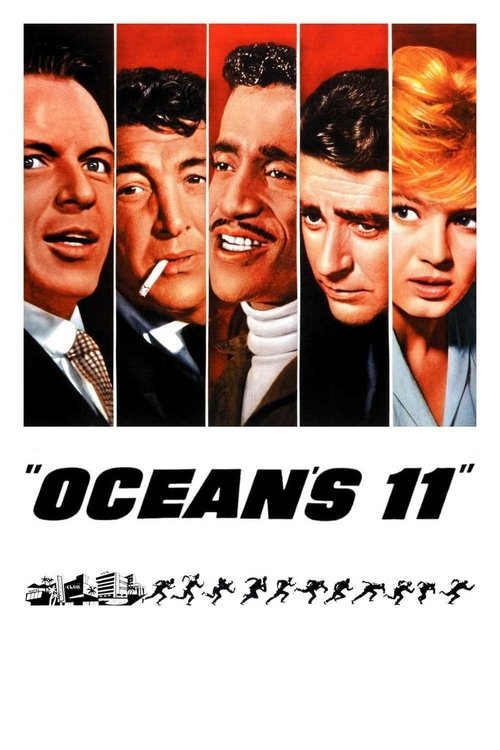
Ocean's Eleven1960
The original heist template: stylish criminals, a meticulous plan, and the joy of watching professionals execute something impossible. Connery's DNA is all over this.
But The plot can feel slight if you're watching for character depth rather than the sheer mechanics of the con.
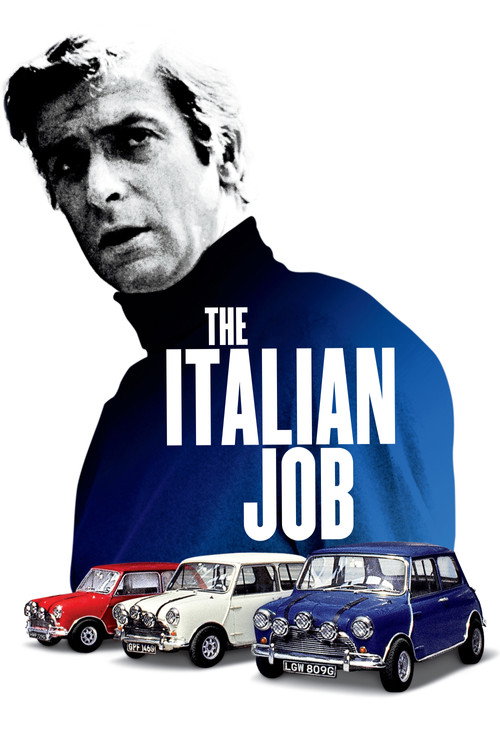
The Italian Job1969
A British heist with the same esprit—clever plotting, period flair, charismatic leads, and vehicles as characters. Same director as The First Great Train Robbery, so it's spiritually adjacent.
But The ending is famously unresolved in a way that frustrated audiences then and might frustrate you now.
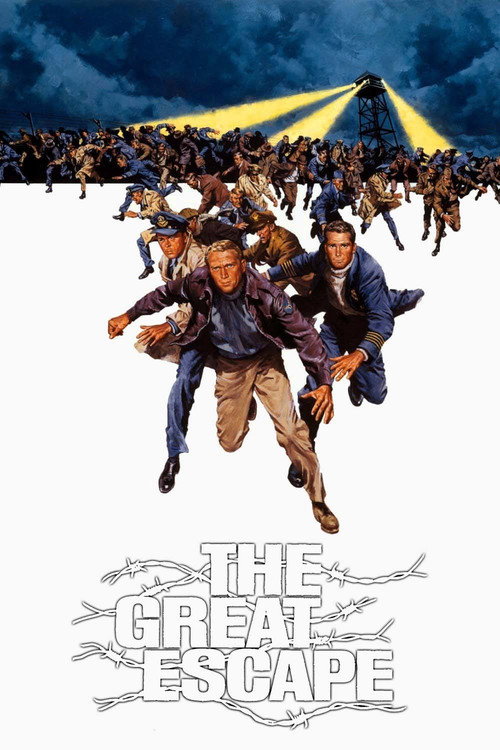
The Great Escape1963
Another elaborate plan-execution machine with Connery front and centre, building tension through preparation rather than action. Grounded and human despite the spectacle.
But At over three hours, it demands patience, and some sequences feel slower than modern filmmaking would allow.
Not sure tonight? Get a pick in a minute, starting from The First Great Train Robbery
The wildcard
Something you would not have found on your own.
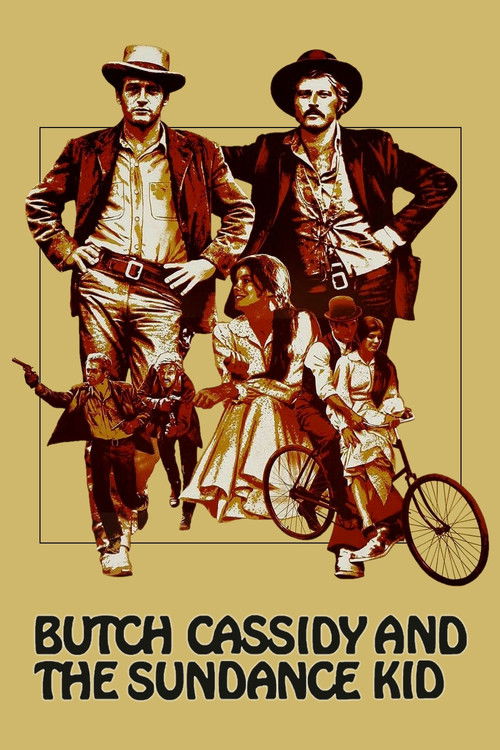
Butch Cassidy and the Sundance Kid1969
Both films are fundamentally about the appeal of stylish criminality in a historical moment, celebrating the ingenuity and charm of men breaking rules with élan.
Newman and Redford as charming outlaws outrunning consequence. It shares the period setting, the charisma, the refusal to be moralistic about criminals, and an almost playful tone about theft and evasion.
But It's a buddy film more than a heist film—if you're after plot mechanics, the emphasis on character and humour might feel frustrating.
More like this (8)
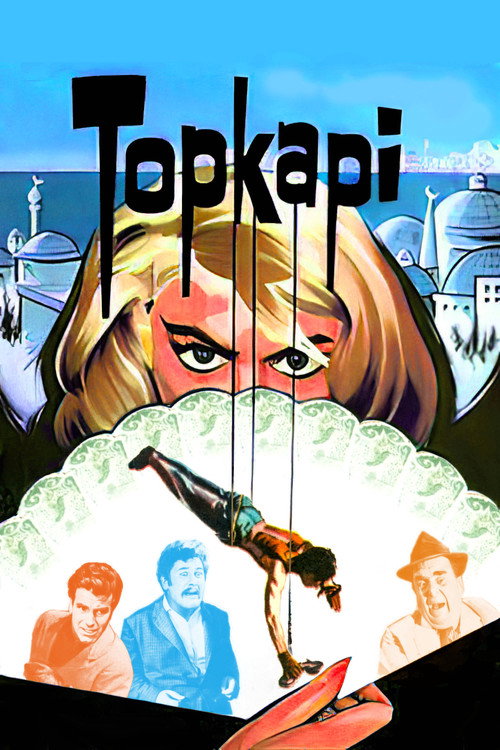
Topkapi1964
A heist built on ingenuity rather than violence—how to steal a museum treasure using cleverness and improvisation. Witty, colourful, and genuinely inventive about the mechanics of thievery.
But It's playful to the point of whimsy; if you want grit, this will feel too light.
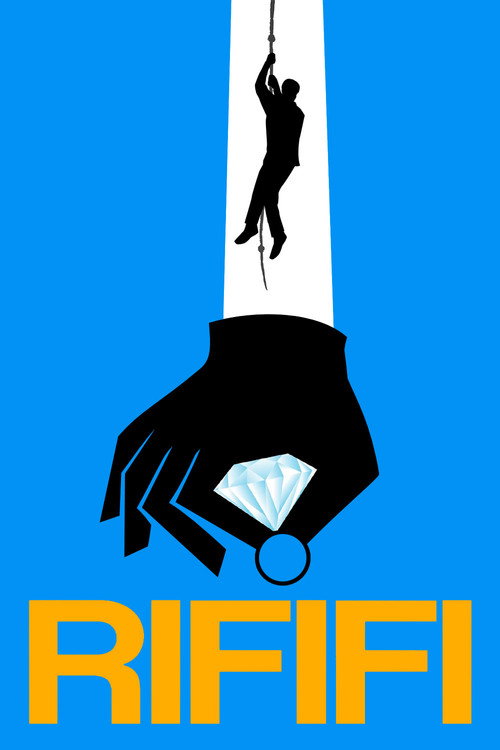
Rififi1955
The spiritual grandfather of all heist films: a jewel robbery conducted with almost documentary precision. The famous silent heist sequence is pure cinema, no dialogue, just technique.
But It's French and from the 1950s, so the pacing and sensibility are quite different from modern thrillers.
The Asphalt Jungle1950
The first great heist film, establishing the template Connery's movie follows. It's about the plan, the crew, and the tension of execution—lean and propulsive.
But Fifty years older than the Connery film, which shows in the storytelling style and what counts as thrilling.

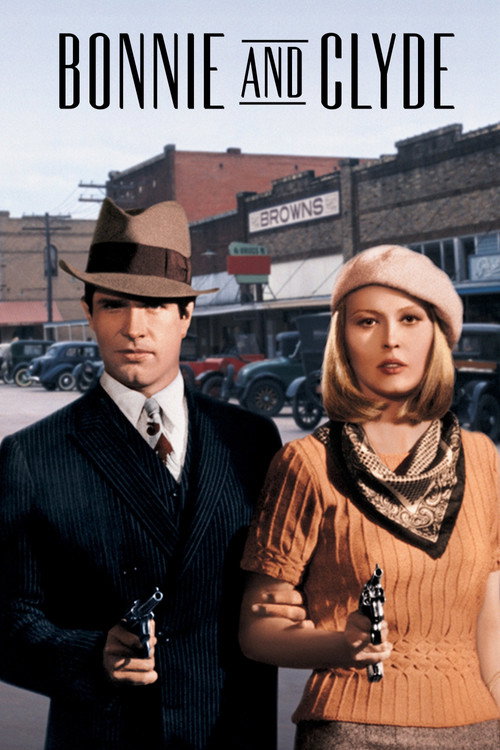
Bonnie and Clyde1967
A crime saga with genuine wit and style, showing how criminals operate as a team. The blend of violence, charm, and period detail influenced everything that followed, including this film.
But The violence is confrontational and shocking, even now; it's not a fun heist romp.
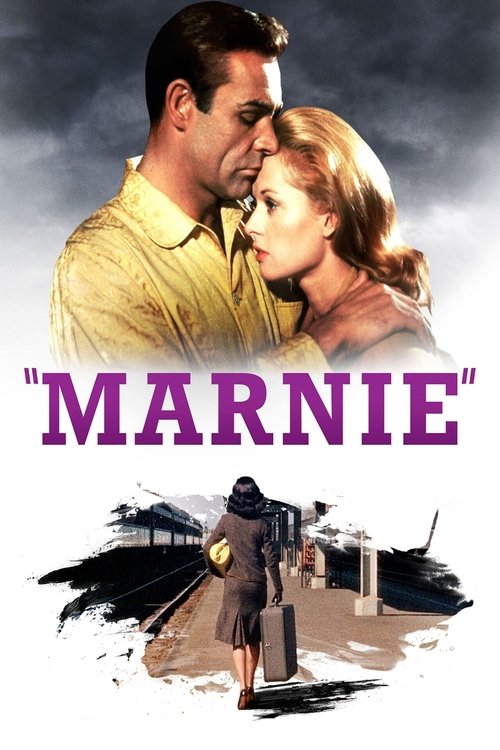
Marnie1964
Hitchcock directing Connery in a psychological thriller about theft and obsession. Less a heist film and more a character study of deception, but it shares Connery's cool and the 1960s-70s thriller aesthetic.
But It's introspective where this film is extrovert; some find the psychology overwrought.
The Killing1956
Kubrick's racetrack heist, told in fragmented timeline, about precision planning meeting human failure. Influential on every heist film since, including this one.
But The non-linear structure can confuse on first viewing, and the moral register is quite dark.

A Prophet2009
Both are essentially films about the artistry of planning—how a clever man uses ingenuity as his weapon. One is a Victorian romp; the other is prison tragedy. Same idea in different registers.
A French prison drama where a young man engineers his rise through intelligence and planning rather than violence. The pleasure is watching someone think three moves ahead, orchestrating outcomes from nothing, exactly as Connery does.
But It's brutal, modern, and set in a claustrophobic prison. The tonal shift from Victorian caper to contemporary realism will be jarring for some.

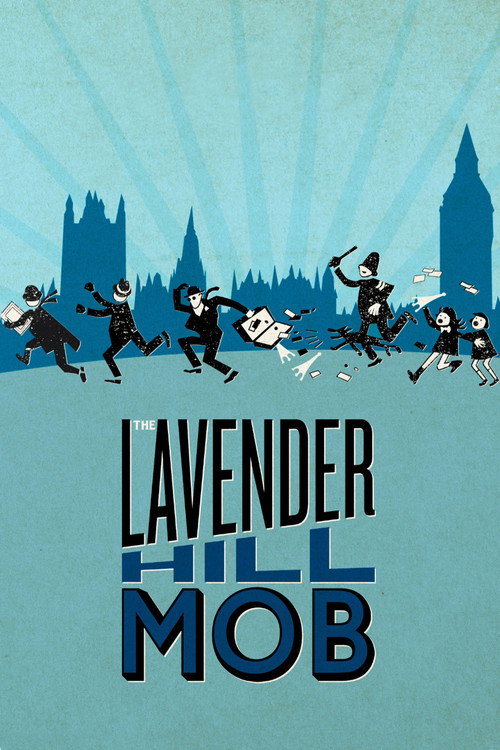
The Lavender Hill Mob1951
Both are British films where the bulk of the runtime is devoted to the architecture of theft rather than the escape. The heist isn't the climax; watching the plan take shape is the entire point.
An Ealing classic where an ordinary bank clerk and three small-time crooks pull off a gold heist. It has the same blend of detailed planning, period charm, and the specific British pleasure of watching modest men accomplish something audacious.
But It's gentler, more comedic, and the stakes are deliberately modest—it aims for whimsy, not tension.
People
Cast
 Sean ConneryEdward Pierce
 Donald SutherlandRobert Agar
 Lesley-Anne DownMiriam
 Peter ButterworthPutnam
 Michael ElphickBurgess
 Alan WebbEdgar Trent
 Robert LangSharp
 Malcolm TerrisFowler
 Wayne SleepClean Willy
 Gabrielle LloydElizabeth Trent
 Pamela SalemEmily Trent
- George DowningBarlow
Directing
- Dick ZikerAction Director
- Anthony WayeAssistant Director
- Michael CrichtonDirector
Writing
- Michael CrichtonNovel
- Michael CrichtonScreenplay
Production
- Mary SelwayCasting
- Dino De LaurentiisExecutive Producer
- John ForemanProducer