
Film
The Wind and the Lion
John Milius's 1975 adventure turns a real 1904 hostage crisis into an operatic clash of empires and ideologies. Sean Connery is magnetic as a Moroccan chieftain, the film all sweeping landscapes, moral ambiguity, and the kind of romantic mayhem that builds toward something almost Shakespearean. It's for people who love old-fashioned spectacle made with genuine conviction.
Should you watch it?
Watch it if you love old-fashioned adventure with big sweeping landscapes, a rousing score, and a charismatic rogue who turns a kidnapping into a battle of wits between two proud men.
Skip it if you want brisk pacing or modern character psychology, since this one moves at a leisurely, stately clip and leans on grand gestures and talky diplomacy between its set pieces.
What it asks of you: Settle in for a little over two hours with patience for slow-building negotiations, then let it open up into bigger, more sweeping scenes as the stakes climb.
Not sure? Find tonight's pick in a minute.
If you liked this
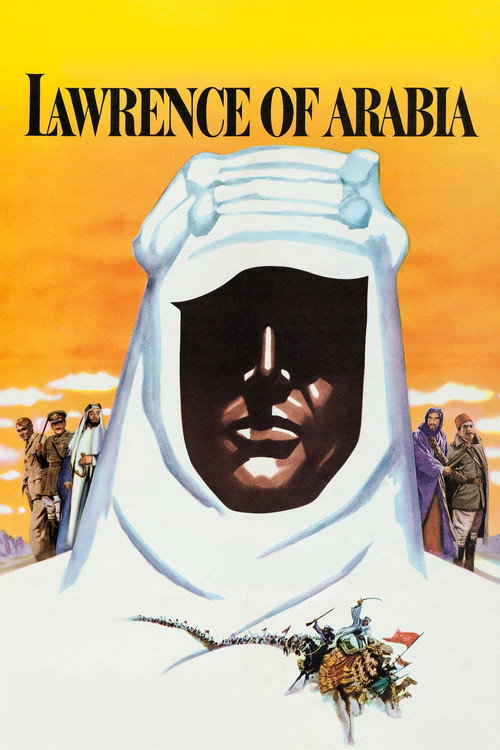
Lawrence of Arabia1962
Epic scale, a Western hero navigating between colonial powers and his own mythology, shot with the same loving attention to desert landscapes and the seduction of influence. It's the template Milius is working from.
But At over three hours it demands your full focus, and its pacing is stately rather than propulsive. Some find it ponderous.
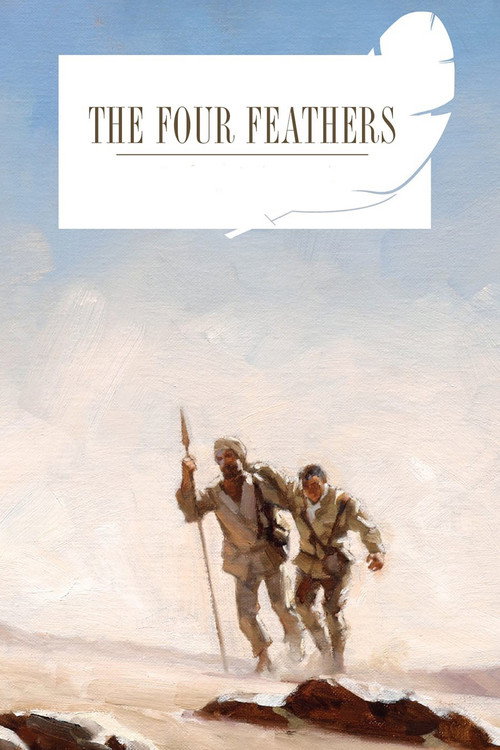
The Four Feathers1939
An earlier adventure about honor, colonial warfare, and a man caught between loyalties in Africa. It has the same blend of spectacle and moral uncertainty, with the sweep and sincerity that era allowed.
But It's a product of 1939 and carries those attitudes openly. The restoration is good, but the film can feel distant.
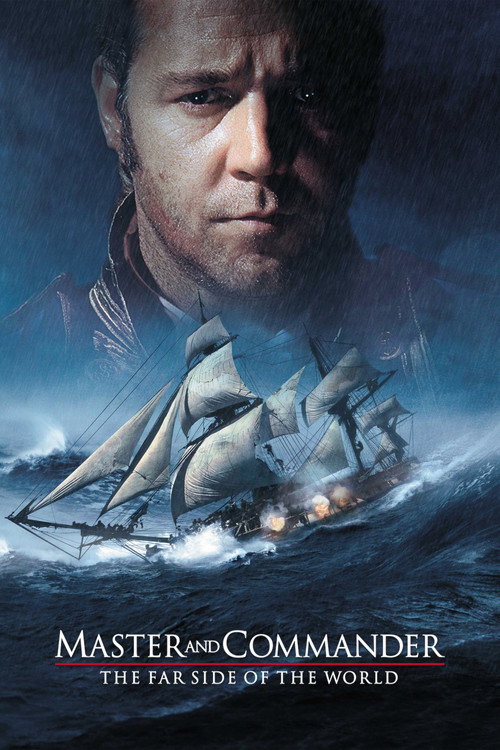
Master and Commander: The Far Side of the World2003
A seafaring adventure with the same idea: a charismatic captain commanding absolute loyalty, playing chess with an unseen enemy across vast distances. It shares that romance of command and consequence.
But It's more ensemble-focused, less interested in the interior life of its antagonist. The action is rousing but less operatic.
Not sure tonight? Get a pick in a minute, starting from The Wind and the Lion
The wildcard
Something you would not have found on your own.
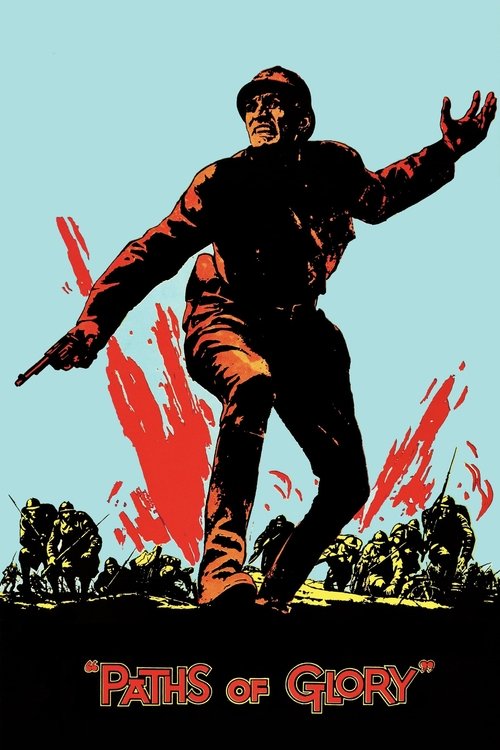
Paths of Glory1957
Both films understand that charisma and conviction can make terrible things attractive. Both are about men using rhetoric to justify power. One seduces you into seeing it their way; the other makes you watch how seduction works.
Kubrick's film about power, rhetoric, and the machinery of command. It's shot in close quarters rather than desert, but it's asking the same question: what do leaders owe their men, and what do they owe themselves? It has Connery too, younger and leaner.
But It's an indictment rather than a romance. Far bleaker, far more claustrophobic. You're not getting adventure or beauty—you're getting the interior of a system breaking.
More like this (8)
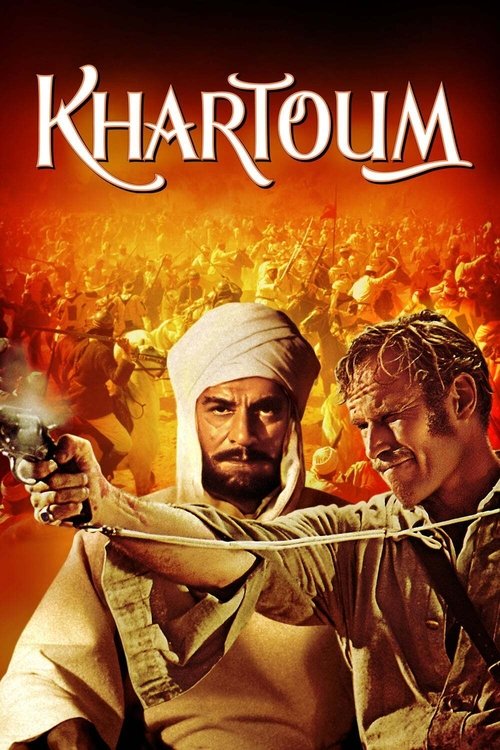
Khartoum1966
Laurence Olivier and Charlton Heston in the Sudan during the Mahdist War. Another film about the collision of wills between Western power and Eastern resistance, with real historical stakes and visual grandeur.
But The dialogue can be overheated and the attitudes toward Islam are very much of the era. It hasn't aged as gracefully as you'd hope.
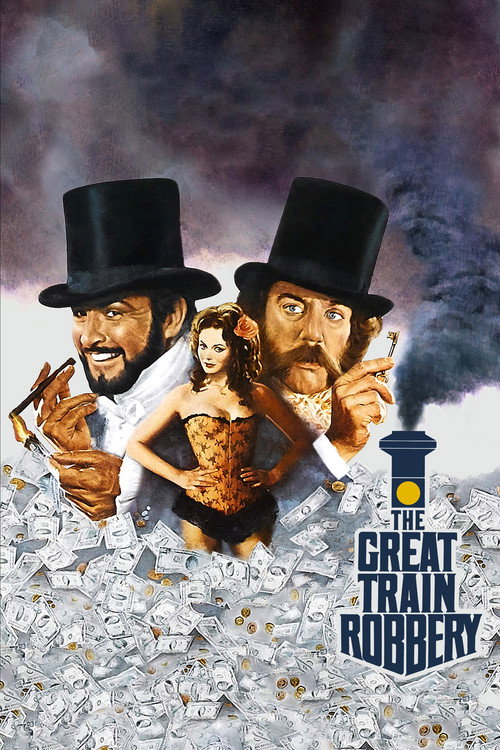
The First Great Train Robbery1978
Milius was also involved here; it's his sensibility applied to a smaller, tighter story. A caper about wills in collision, with Connery again, made with craftsmanship and style.
But It's lighter, smaller in scope. If you wanted something grander, this contracts the frame.
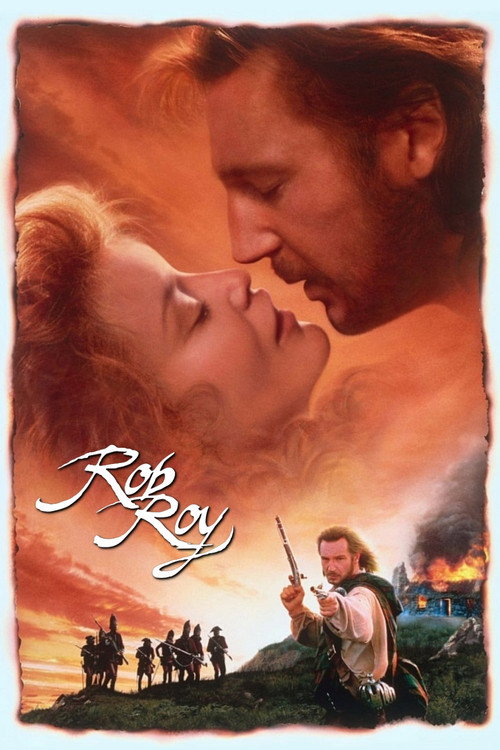
Rob Roy1995
Liam Neeson as the Scottish outlaw, caught between honor and survival against English power. It has that same interrogation of what leadership costs, grounded in landscape and personal codes.
But It's more straightforward morally. The film knows whose side it's on, which makes it less interesting than The Wind and the Lion's ambiguity.
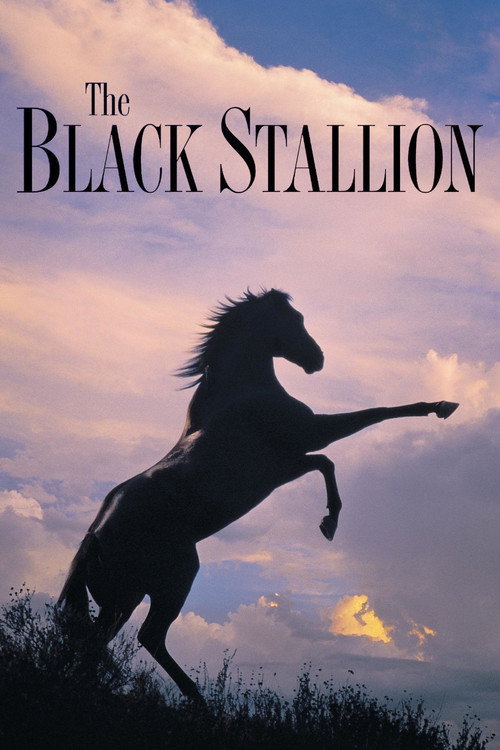
The Black Stallion1979
Another Connery vehicle from the same era, all beauty and restraint. It's less interested in spectacle than in the quiet communion between a man and something wild and valuable.
But It's a completely different register—gentle, almost meditative. If you're hungry for action and grandeur, it won't deliver.
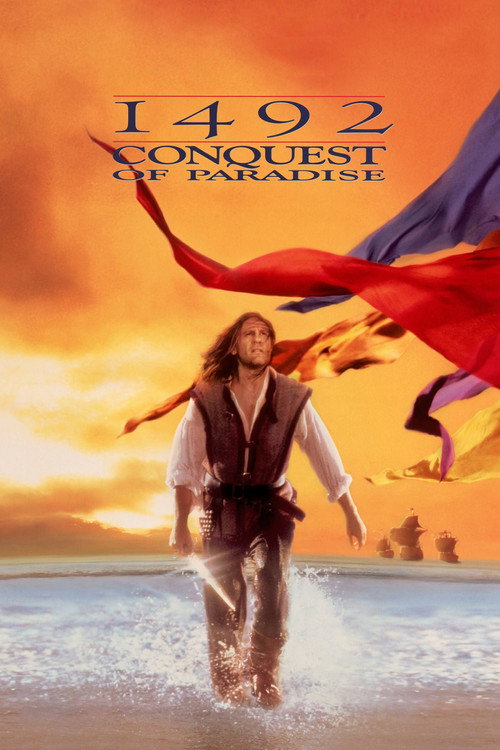
1492: Conquest of Paradise1992
Ridley Scott's vision of Columbus and empire, visually sumptuous and interested in the collision between cultures and the mythmaking around conquest. It's asking the same questions Milius is.
But The script is thinner than it should be, and the film struggles to decide what it thinks. The ambition exceeds the execution.
The Ballad of Little Jo1993
A Western that interrogates myth-making and identity in ways that have something in common with Milius's approach: a character who becomes their own legend, photographed with real beauty.
But It's quieter, smaller, gender-centered in ways that shift the focus. It won't feel like The Wind and the Lion at all.

A Prophet2009
Both films are about the seduction of power and how a man becomes a symbol. Both are interested in the performance of leadership and what gets lost when someone becomes their own myth. Both move at their own rhythm, refusing to hurry.
A French prison drama where a young man builds influence and mythic status through will, intelligence, and an almost Shakespearean understanding of leverage. It has that same operatic momentum, that feeling of watching someone become a legend in real time.
But It's set in a prison. It's modern, intimate, sometimes brutal. There's no desert, no empire, no history—just the mechanics of power played out in concrete and cells. The pace is patient.

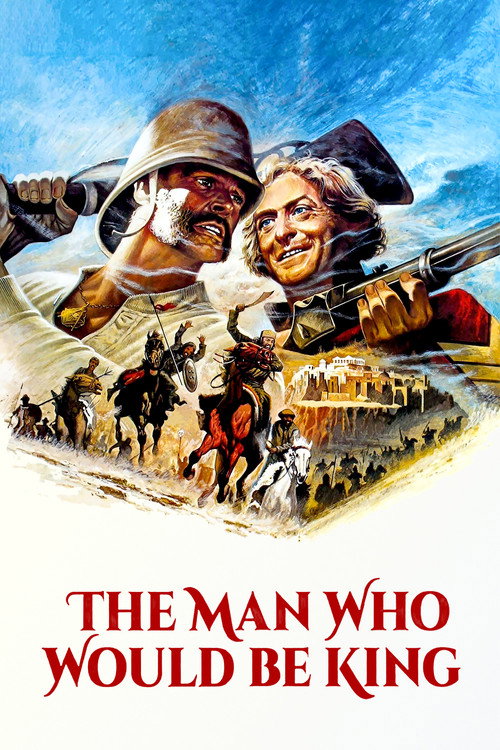
The Man Who Would Be King1975
Made the same year, with Connery in a similar register—a man of action and charisma creating himself anew in a space where the old rules don't apply. Both films are interested in the moment when myth becomes real, or real becomes myth. Both suggest that the line is thinner than we think.
Huston's adventure about two con men in India who decide to become gods. Sean Connery is in it too. It's exactly as romantic and absurd as it sounds—funny, thrilling, and genuinely moved by the idea that we are all performing our own legends.
But It shares Milius's era and sensibility, which means it will feel almost too familiar. Also: it's partly played for laughs. The tone is uneven if you're not in the mood for it.
People
Cast
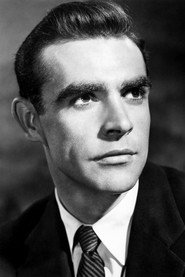 Sean ConneryMulai Ahmed er Raisuli
 Candice BergenEden Pedecaris
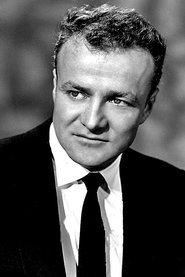 Brian KeithTheodore Roosevelt
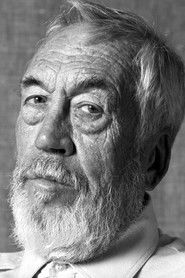 John HustonJohn Hay
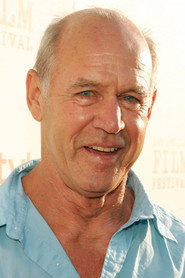 Geoffrey LewisSamuel Gummere
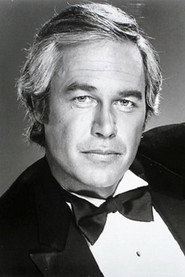 Steve KanalyCapt. Jerome
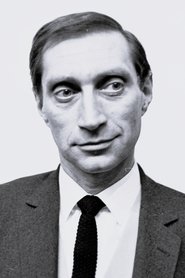 Vladek SheybalThe Bashaw
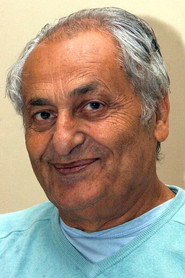 Nadim SawalhaSherif of Wazan
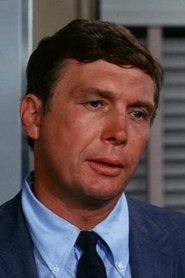 Roy JensonAdmiral Chadwick
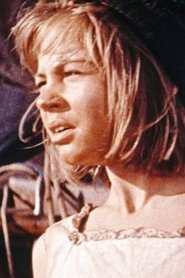 Deborah BaxterAlice Roosevelt
- Jack CooleyQuentin Roosevelt
- Chris AllerKermit Roosevelt
Directing
- John MiliusDirector
Writing
- John MiliusWriter
Production
- Phil RawlinsAssociate Producer
- Boaty BoatwrightCasting
- Herb JaffeProducer
Recommended by
The Man Who Would Be King, Gunga Din, The Four Feathers, The Last Valley