
Film
Khartoum
A 1966 epic about the historical clash between British General Gordon and the Mahdi's Islamic army in Sudan. Lavish, theatrically acted, and deeply concerned with honour, duty, and the moral weight of imperial power. It's for anyone who loves sweeping historical dramas with philosophical teeth and two titans circling each other across a desert.
Should you watch it?
Watch it if you love big, old-fashioned historical epics built around a stubborn, principled man and the political machinery pushing him toward disaster, with sweeping desert photography and lavish period staging.
Skip it if you want a lean, fast-moving picture; this one takes its time with court-room style debates and grand gestures, and its colonial-era politics may feel dated to modern eyes.
What it asks of you: It asks for a couple of hours and a patient eye, settling into long stretches of talk between officers and officials before the spectacle arrives in bursts.
Not sure? Find tonight's pick in a minute.
If you liked this
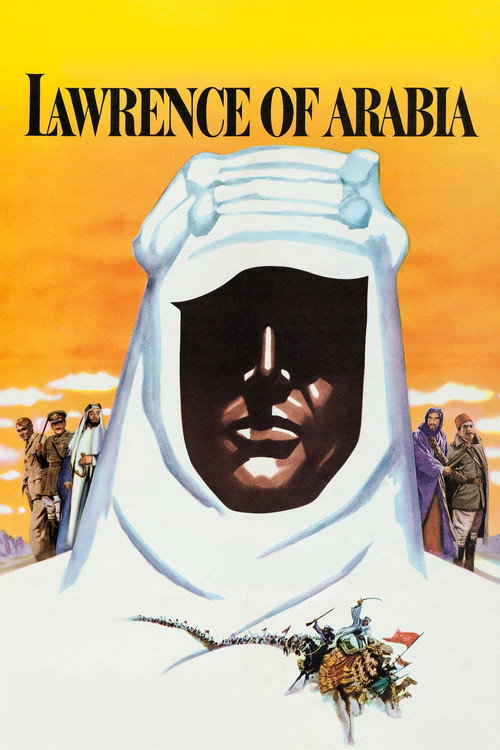
Lawrence of Arabia1962
Another epic about a British officer navigating desert warfare and cultural collision, with similar grandeur and moral complexity. Lean harder into the landscape and the personal cost of divided loyalties.
But Nearly four hours long and deliberately paced. The arthouse sensibility may feel slower than Khartoum's more direct narrative drive.
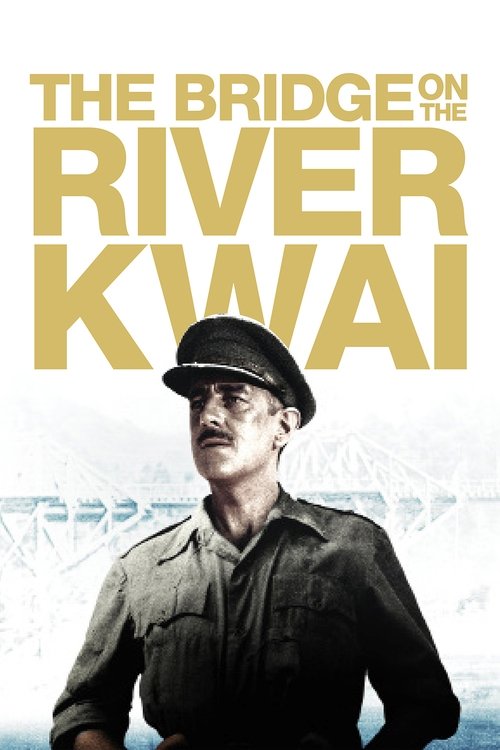
The Bridge on the River Kwai1957
British military honour under impossible circumstances, with an equally towering lead performance and the same fascination with duty versus conscience. War film as moral argument, not mere action.
But The climax hinges on narrative machinery rather than character. Less philosophically open-ended than you might want.
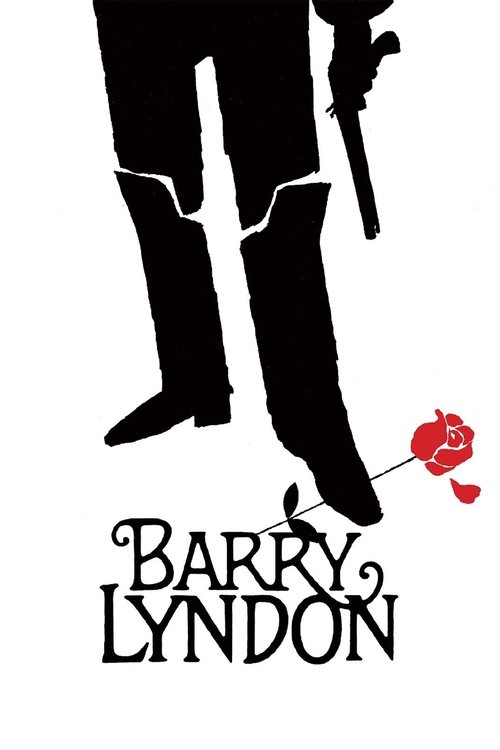
Barry Lyndon1975
A revisionist historical epic that interrogates imperial myth through painterly cinematography and moral ambiguity. Kubrick doing empire differently, with the same sense of grand stakes and human smallness.
But Austere and deliberate. No rousing speeches or clear heroes—the anti-Khartoum in tone, even if thematic cousins.
Not sure tonight? Get a pick in a minute, starting from Khartoum
The wildcard
Something you would not have found on your own.
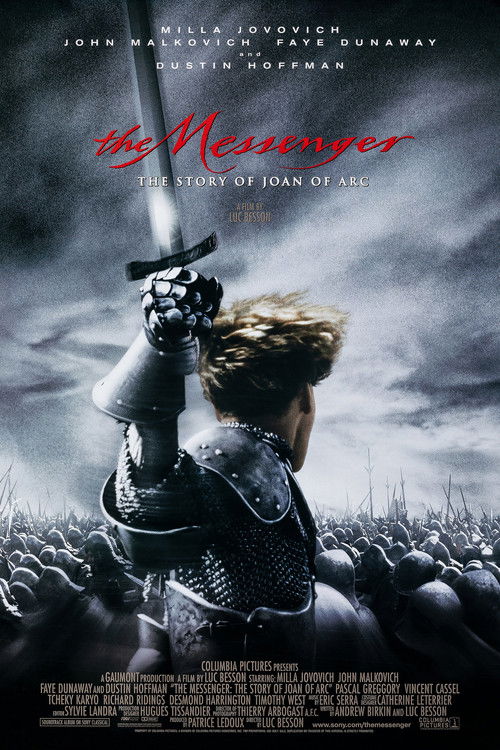
The Messenger: The Story of Joan of Arc1999
Both centre on a charismatic soldier whose absolute conviction in their mission makes them immovable objects meeting unstoppable force. Both ask whether such certainty is virtue or delusion.
Luc Besson's visionary take on faith colliding with military command. Like Khartoum, it's about a leader convinced of divine purpose leading armies into apocalyptic confrontation. Visually operatic and theologically restless.
But Deliberately unhistorical and mystical where Khartoum aimed for gravitas. The editing is fractured and dreamy, which some find pretentious or scattered.
More like this (8)
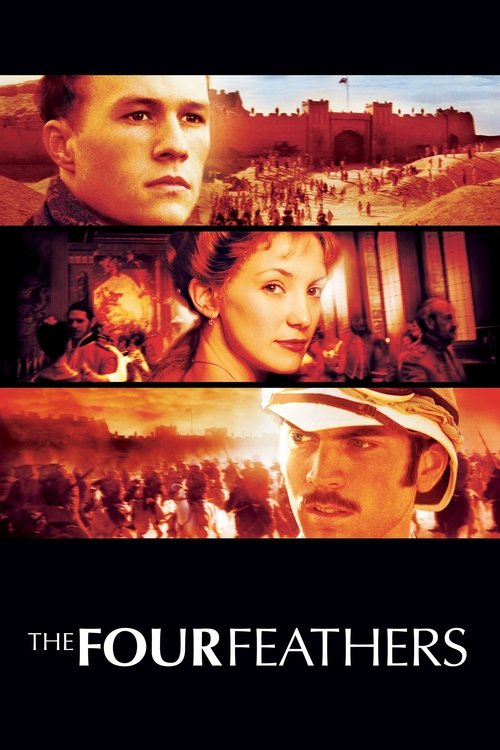
The Four Feathers2002
Same Sudanese colonial setting, same question about honour and cowardice in the face of the Mahdi's army. Direct spiritual cousin with better pacing but less intellectual weight.
But Leans more into adventure than philosophy. The lead is less charismatic than Heston, and the moral argument thinner.
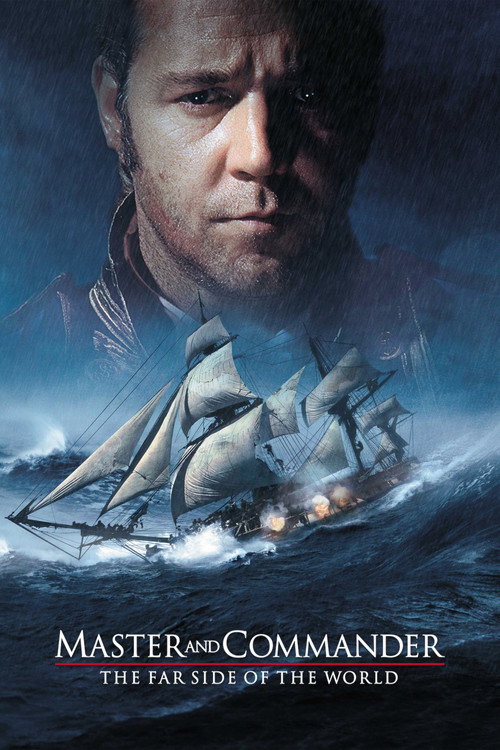
Master and Commander: The Far Side of the World2003
Another film about command, duty, and the cost of conviction under extreme circumstance. Russell Crowe with similar gravitas, exploring what it means to lead with principle during wartime.
But Naval rather than colonial, and the action dominates. Less space for the kind of quiet moral reckoning Khartoum dwells in.
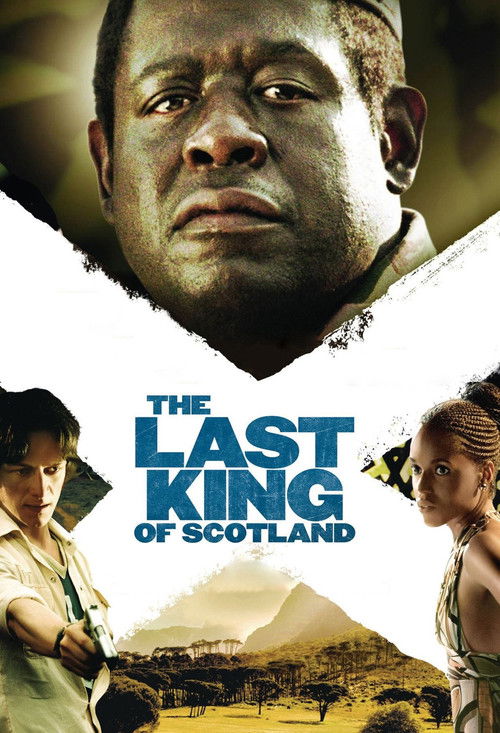
The Last King of Scotland2006
A British officer enmeshed in African politics and forced to reckon with the gap between imperial ideals and brutal reality. Tighter and more intimate than Khartoum, equally unafraid of moral ambiguity.
But Modern filmmaking sensibility that some find reductive. The horror is more visceral and less meditative.
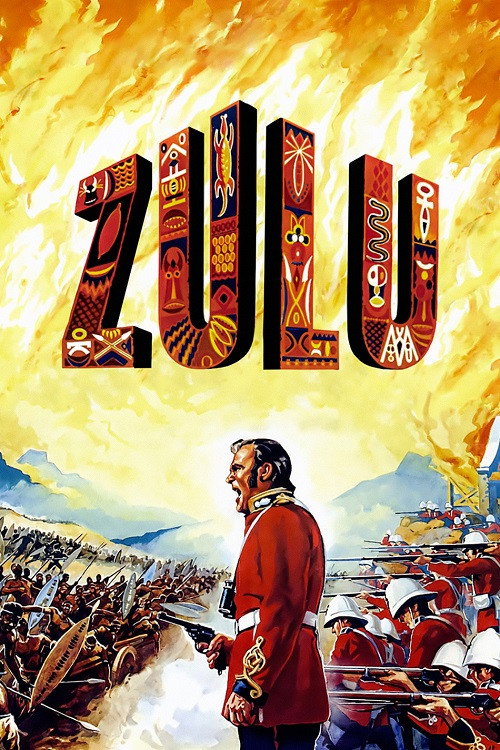
Zulu1964
British soldiers in Africa defending a garrison, with Stanley Baker and Michael Caine. Battle-focused but alert to both sides' courage and the futility of colonial warfare.
But Simpler in its moral framework. The spectacle takes priority over the philosophical questioning.
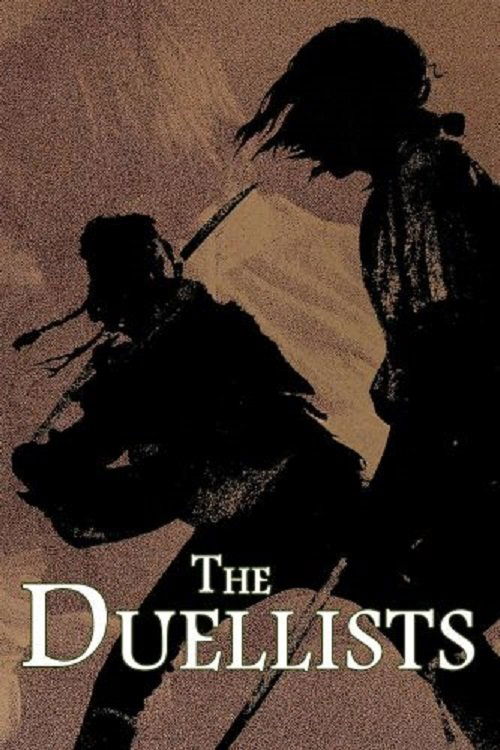
The Duellists1977
Two men locked in a decades-long conflict defined by honour and principle. Ridley Scott visualizing obsession with the same painterly care and tragic inevitability as Khartoum.
But Intimate chamber piece rather than epic. No armies or empires—the scope is entirely psychological.
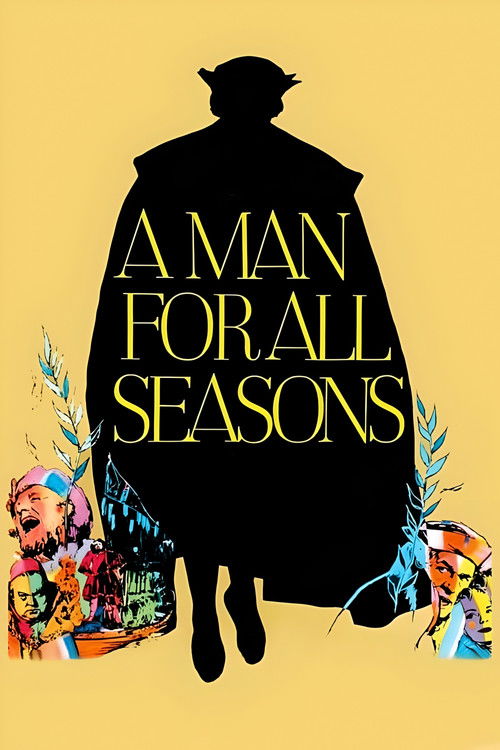
A Man for All Seasons1966
Another film about a principled man refusing compromise even unto death. Olivier's contemporary, similarly concerned with duty, conscience, and the loneliness of standing alone.
But Theatrical and stage-bound. The canvas is smaller and the conflict more abstract than Khartoum's military spectacle.
A Prophet2009
Both explore how a man of principle navigates impossible loyalties and must ultimately choose between self-preservation and conviction. One chooses grandly; one chooses in darkness.
A brutally honest film about power, duty, and survival in a confined, hostile world. Where Khartoum is expansive and mythic, this is claustrophobic and realist, but the same moral engine—how much of yourself do you surrender to circumstance?
But Prison drama with graphic violence and corruption. It's French, downbeat, and offers no heroic catharsis or grand speeches. Feels like the anti-epic.

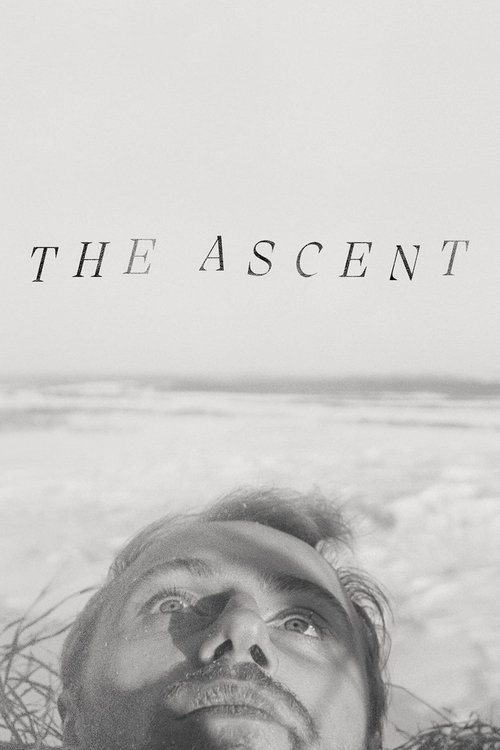
The Ascent1977
Both films use war and landscape to explore whether dying for principle is nobility or delusion. Khartoum argues for grandeur; Tarkovsky argues for emptiness. Both unspool the same question from opposite ends.
Andrei Tarkovsky's metaphysical war film: two Soviet partisans move through a snowy landscape toward execution, debating faith and sacrifice. Glacially paced, philosophical, and utterly unlike action cinema. Shot like a religious painting.
But Meditative to the point of stillness. No battle sequences, no plot momentum. Demands patience and rewards silence. The opposite of the Technicolor sweep you expect from historical epics.
People
Cast
 Charlton HestonGen. Charles 'Chinese' Gordon
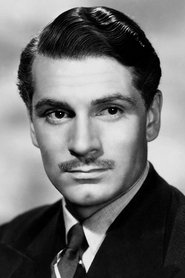 Laurence OlivierMahdi
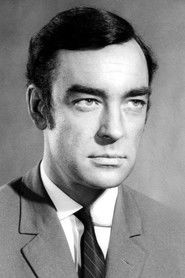 Richard JohnsonColonel Stewart
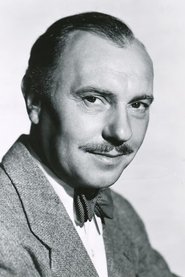 Ralph RichardsonWilliam Gladstone
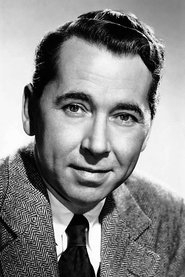 Alexander KnoxSir Evelyn Baring
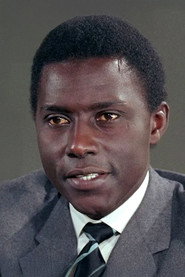 Johnny SekkaKhaleel
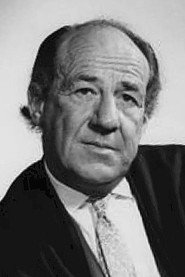 Michael HordernLord Granville
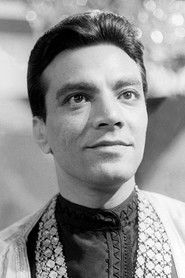 Zia MohyeddinZobeir Pasha
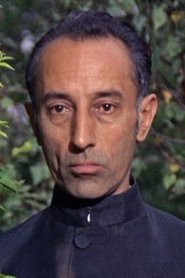 Marne MaitlandSheikh Osman
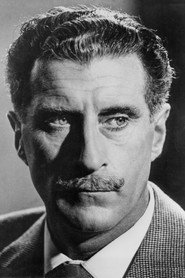 Nigel GreenGeneral Wolseley
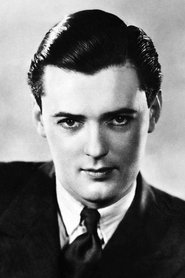 Hugh WilliamsLord Hartington
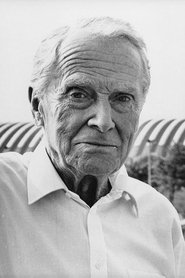 Ralph MichaelSir Charles Dilke
Directing
- Bluey HillAssistant Director
- John PeverallAssistant Director
- Eileen HeadContinuity
- Kay RawlingsContinuity
- Basil DeardenDirector
- Eliot ElisofonDirector
- Terence A. CleggSecond Assistant Director
- Yakima CanuttSecond Unit Director
Writing
- Robert ArdreyWriter
Production
- Weston Drury Jr.Casting
- Julian BlausteinProducer
- Charles OrmeProduction Supervisor
- Mary BruceResearcher
- Basil ApplebyUnit Manager
- Frank ErnstUnit Manager
Recommended by
The Man Who Would Be King, The Four Feathers, Zulu, The Wind and the Lion, Masada, Sixty Glorious Years, The Lives of a Bengal Lancer, Solomon and Sheba, The Conqueror, The Young Mr. Pitt