
Television series
Masada
A 1981 Emmy-winning miniseries about the Roman siege of Masada in A.D. 72, where Peter O'Toole commands legions against Jewish rebels holding a desert fortress. It's sweeping historical drama with genuine tension—less interested in spectacle than in the grinding moral weight of an impossible standoff. For viewers who want their history earned, not simplified.
Should you watch it?
Watch it if you like patient, talky historical epics where the drama lives in siege logistics, moral argument and a general's grinding frustration rather than in battle spectacle.
Skip it if you want brisk pacing and steady combat, because long stretches here are stalled negotiation and waiting, and the stakes are argued more than they are shown.
What it asks of you: Four parts move at a deliberate, weighty pace; scenes linger, the mood stays sober throughout, and it rewards sustained attention more than casual half-watching.
Not sure? Find tonight's pick in a minute.
If you liked this
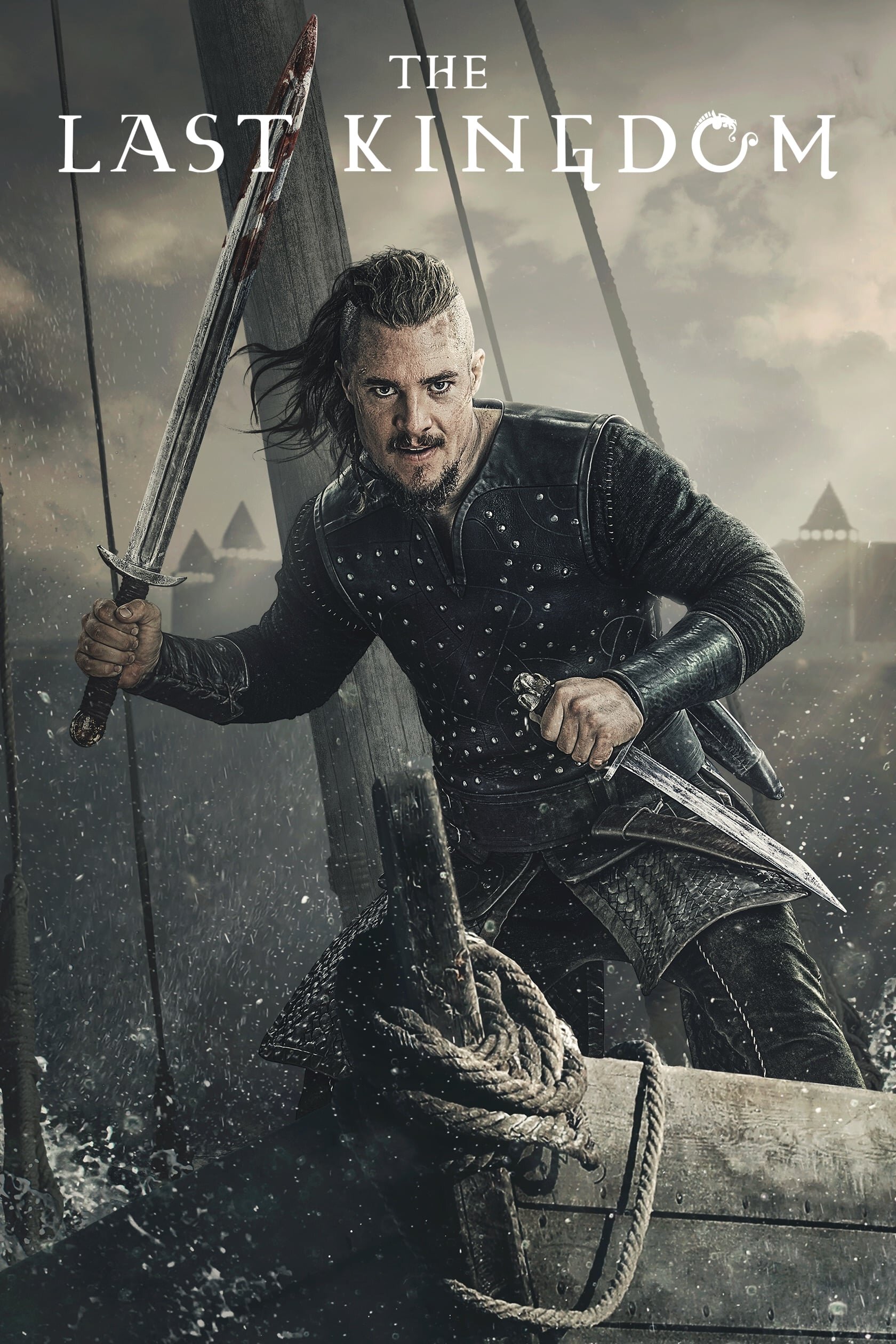
The Last Kingdom2015
Epic Anglo-Saxon warfare with the same blend of military strategy, cultural collision, and individual conscience. Beautifully paced across ten episodes, it finds humanity in both conqueror and conquered without ever losing sight of the stakes.
But Television history dramas ask patience; if you need constant action rather than sustained tension, the slower episodes will feel like waiting.
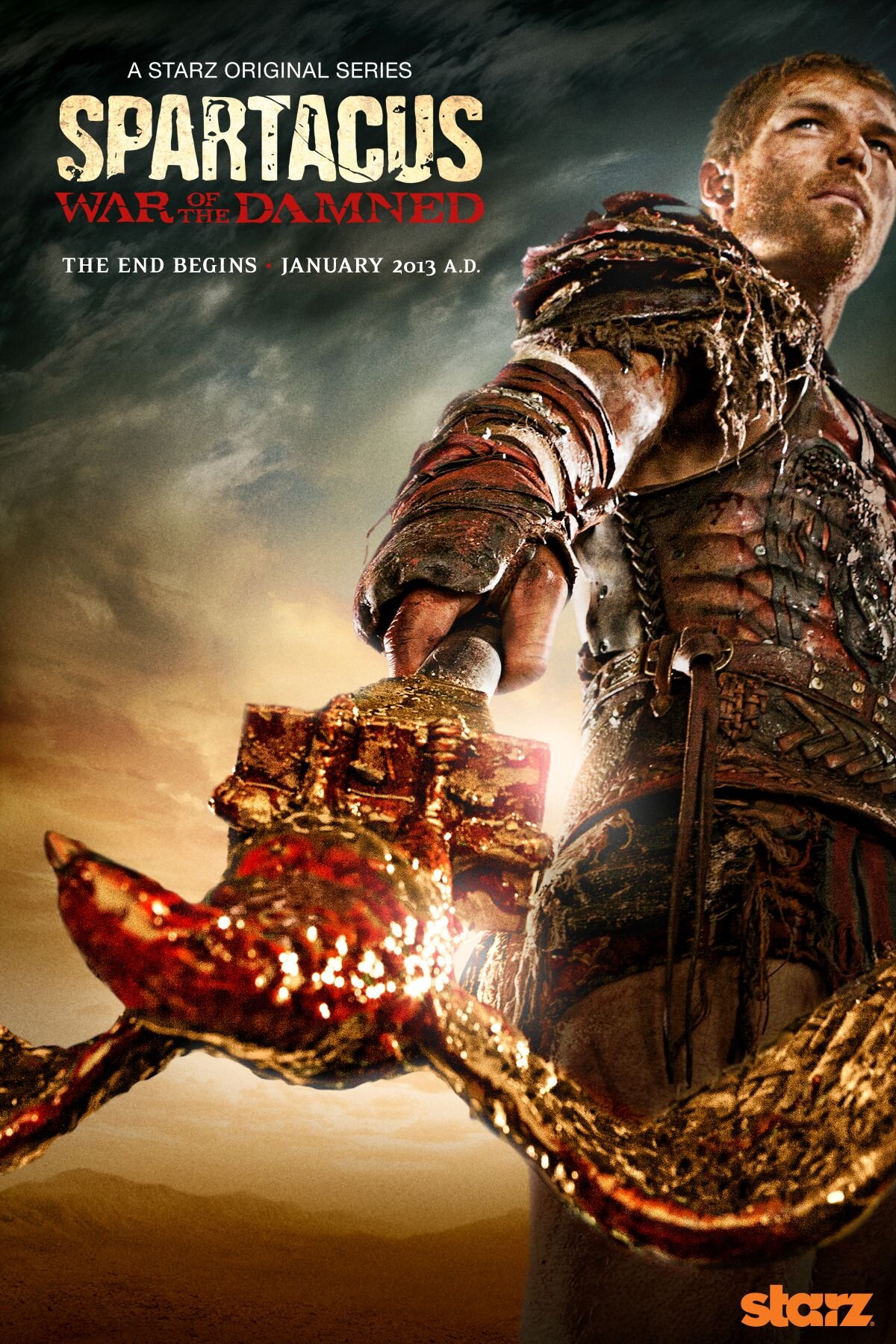
Spartacus2010
Another revolt against Rome, shot with brutal intensity and genuine pathos. Kirk Baltz commands the same moral gravity O'Toole brings—a man of principle watching his cause consume everything. The final season especially achieves something profound.
But Significantly more violent and graphic than Masada, and the show's first season leans harder into camp than this miniseries ever does.
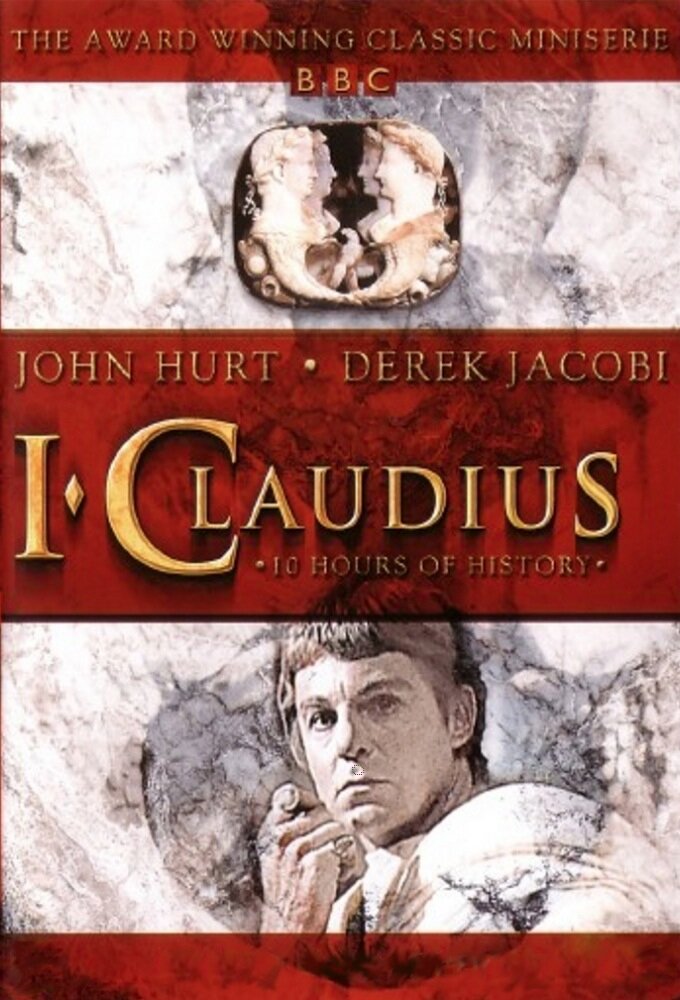
I, Claudius1976
The BBC's stately masterpiece about Roman power and the people crushed by it. If Masada captured you, this will too—same era, same empire, same unflinching look at how history grinds individuals into dust.
But Moves at a contemplative pace; some find the 1976 production values dated rather than distinguished, and it demands genuine focus.
Not sure tonight? Get a pick in a minute, starting from Masada
The wildcard
Something you would not have found on your own.
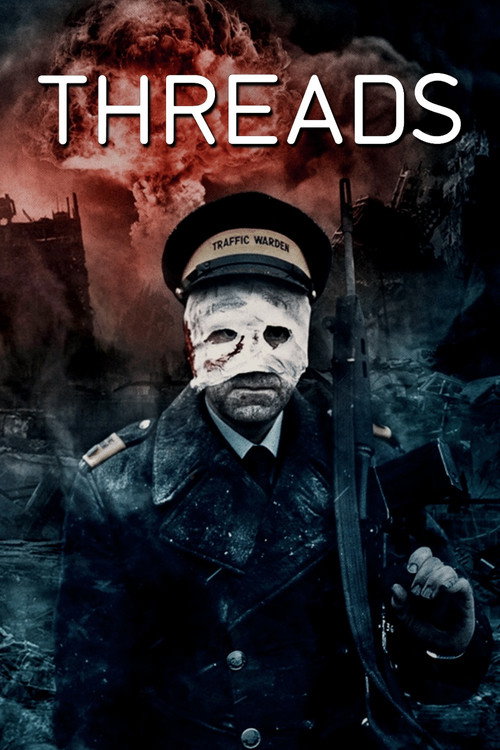
Threads1984
Both treat historical/catastrophic events without sentimentality, finding meaning in how people endure rather than triumph. Both refuse to comfort the audience.
A nuclear war unfolds in Sheffield in real time, documentary-style, showing the practical aftermath rather than the explosion. Like Masada, it's about a society's collapse and the impossible choices ordinary people make when there's no winning. It's relentless, unforgettable, and one of the most important things ever filmed.
But It is extremely dark—not emotionally manipulative, which makes it worse. Watching it leaves marks. Some will find it unwatchable; that's valid.
More like this (6)
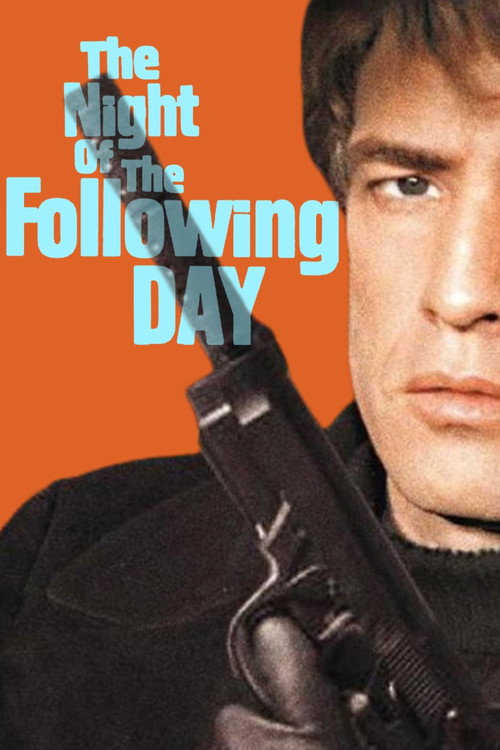
The Night of the Following Day1969
A tense siege in miniature—criminals holding hostages in an isolated location, every negotiation raising the stakes. Brando and Matthau generate the kind of deadlocked desperation that runs through Masada's best scenes.
But Slower and stranger than expected; it's more interested in moral decay than action, and some will find that a bait-and-switch.
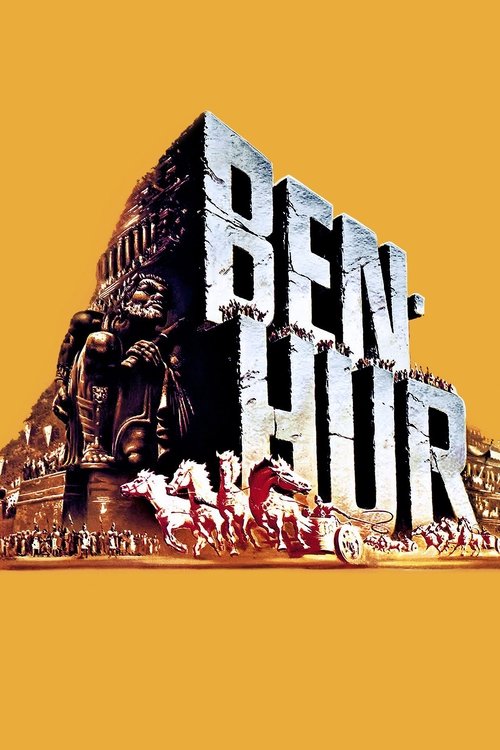
Ben-Hur1959
The same historical period, the same Rome-versus-Judaism tension, but filtered through a personal revenge story. Heston's journey from slave to charioteer has the grandeur Masada matches, just in a different key.
But Over three hours and deeply steeped in 1950s Biblical epic convention—reverent in ways that will feel foreign if you want grittier history.
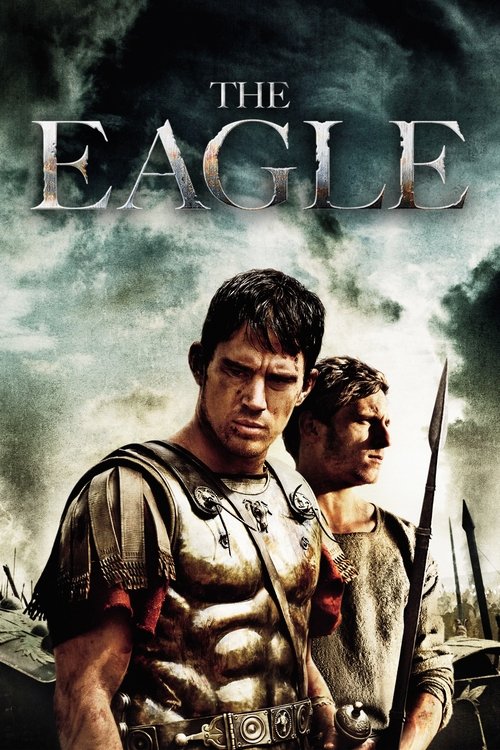
The Eagle2011
Roman legionaries in hostile territory, searching for their lost standard. It captures that same grinding tension between imperial force and an enemy who knows the landscape better, with genuine respect for both sides.
But The script is thinner than Masada's, treating history as backdrop rather than moral question. It's a solid adventure that doesn't aim higher than that.
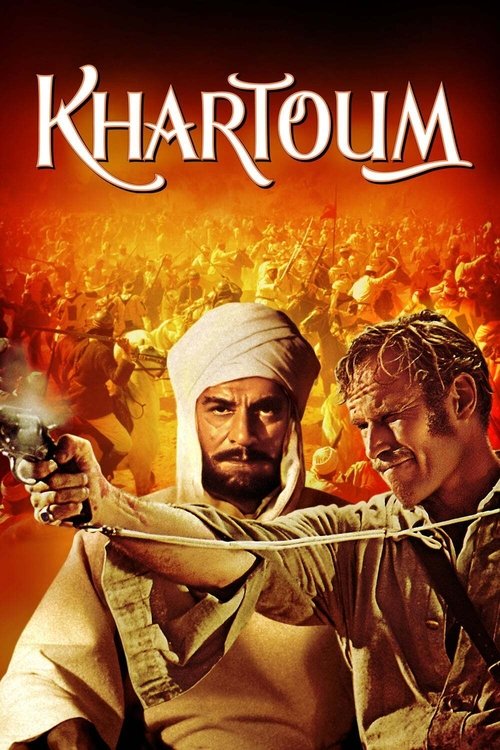
Khartoum1966
Another siege, another empire meeting its match. Charlton Heston and Laurence Olivier as antagonists of equal stature—the film understands that the best conflicts happen between worthy opponents who see each other clearly.
But The colonial perspective is very much a 1966 film's perspective; modern viewers may find its assumptions dated, and it's leisurely by today's standards.
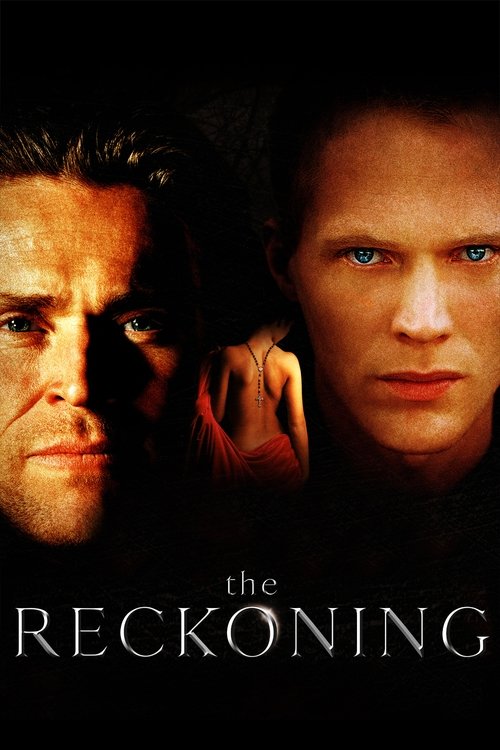
The Reckoning2004
Medieval, not Roman, but the same DNA—a small community under siege, faith tested, impossible choices made without the comfort of easy answers. Bleak and unsentimental, it understands why Masada matters.
But Genuinely depressing and unwilling to offer catharsis; some will feel it punishes its characters and audience both. Not a comfort watch.
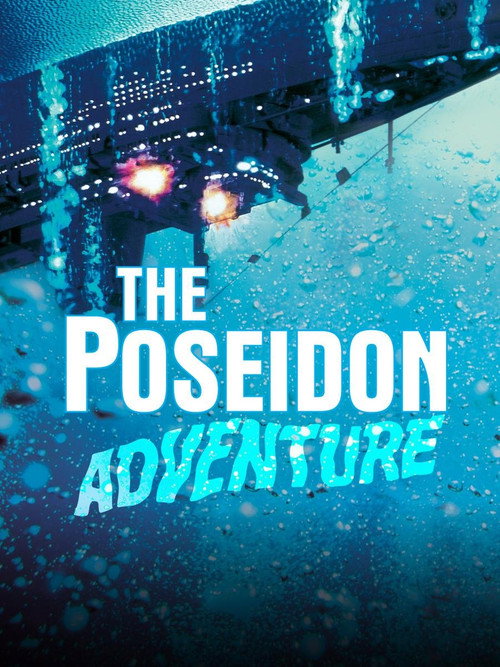
The Poseidon Adventure1972
A different kind of siege: survivors trapped in an upturned ship, fighting environment and circumstance. It has that same sense of people of principle facing impossible odds with limited resources.
But It's a disaster film at heart, driven by spectacle rather than moral weight; if you're after Masada's gravitas, you won't find it here.
People
Cast




Recommended by
The Fall of the Roman Empire, Rogue Male, Risen, Herman Wouk's The Winds of War, The Man in the Iron Mask, Ben-Hur