
Film
The Night of the Following Day
A 1969 kidnap thriller where Marlon Brando leads a crew of criminals holding a teenage girl hostage in a French beach house. Stylish and paranoid, it's a film about greed and distrust eating away at a perfect plan. For anyone drawn to crime stories where the criminals are their own worst enemies.
If you liked this
Rififi1955
A heist masterpiece about the perfect crime unraveling through human weakness. Tense, elegantly shot, and proof that criminal plans fail not from police but from within.
But It's French New Wave cool rather than action-driven, and moves at its own unhurried pace. Subtitles required.

The Killing1956
Kubrick's fractured narrative about a racetrack heist where timing and coordination matter everything—until they don't. Sharp, cynical, and you're always one step ahead and behind.
But The circular structure demands attention. Some find it cold rather than gripping.

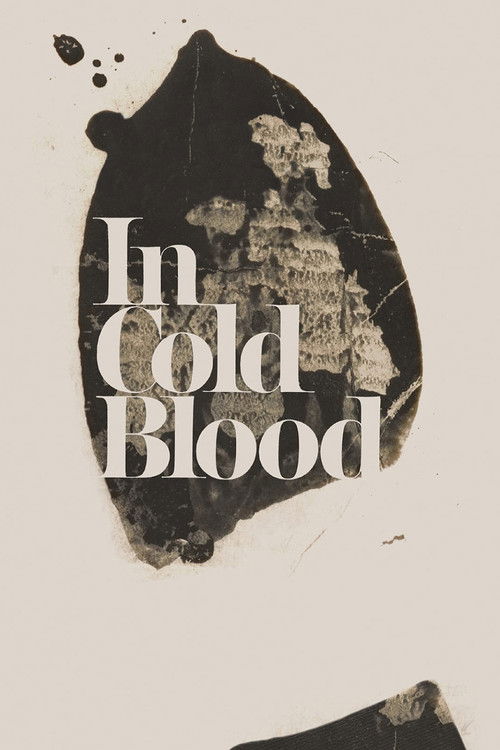
In Cold Blood1967
A true-crime procedural about two killers that understands both criminal psychology and the banality of evil. Haunting, methodical, and unflinching about what desperation does to people.
But It's bleak and moves slowly. The crimes are real and the film doesn't look away from their reality.
Not sure tonight? Get a pick in a minute, starting from The Night of the Following Day
The wildcard
Something you would not have found on your own.
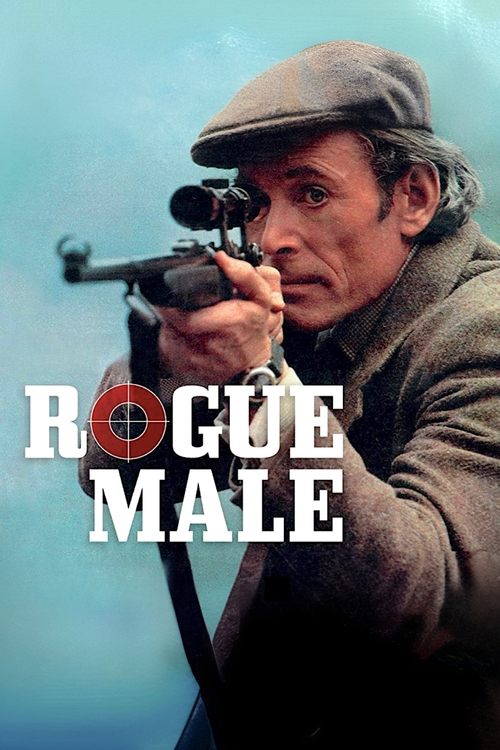
Rogue Male1976
Both films trap you in the headspace of criminals or hunted men, watching rational plans collapse under pressure and human fallibility. Same paranoid engine, different context.
A tense British two-part film about a man hunted across Europe after a failed assassination attempt. Paranoia, survival, and the erosion of civilized behavior when you're prey. Peter O'Toole is superb.
But Made for television in 1976 with the pacing that entailed. It's slower and more deliberate than modern thrillers expect.
More like this (8)
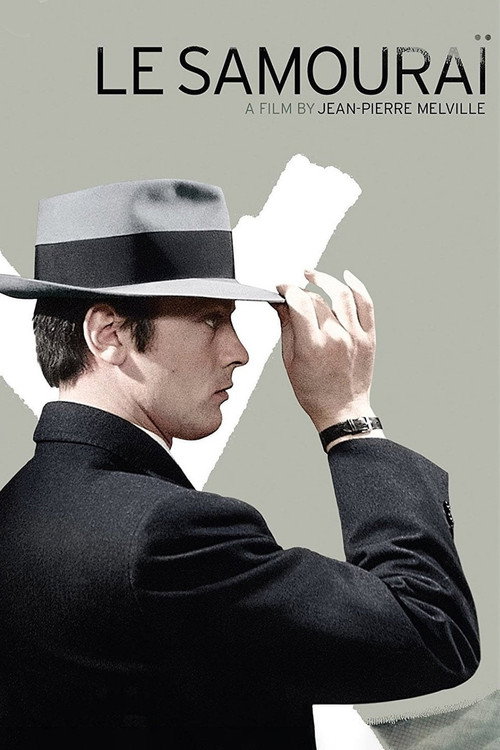
Le Samouraï1967
Melville's ice-cold assassin thriller is pure style and paranoia. Every frame is composed like a photograph. A masterclass in mood over plot.
But Glacial pacing. If you need dialogue and emotional beats, this will feel like watching paint dry in silence.
The Asphalt Jungle1950
The original heist film that invented the template. A brilliant crime plan meets inevitable human failure, shot with documentary-like clarity and real moral weight.
But It's foundational rather than surprising now. The mechanics feel familiar if you've seen what it inspired.

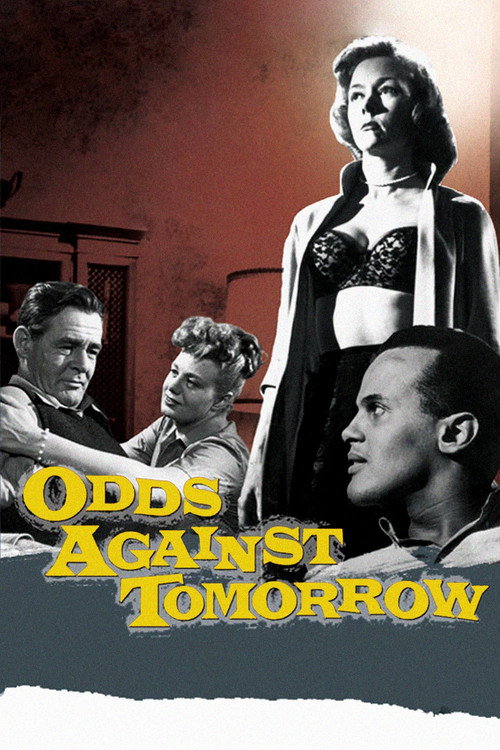
Odds Against Tomorrow1959
A heist that falls apart because its crew members are racist and bitter. Rare for its era in making personal poison the actual plot. Tense, morally serious, with Harry Belafonte and Robert Ryan.
But The racial themes demand engagement. It won't let you sit comfortably.
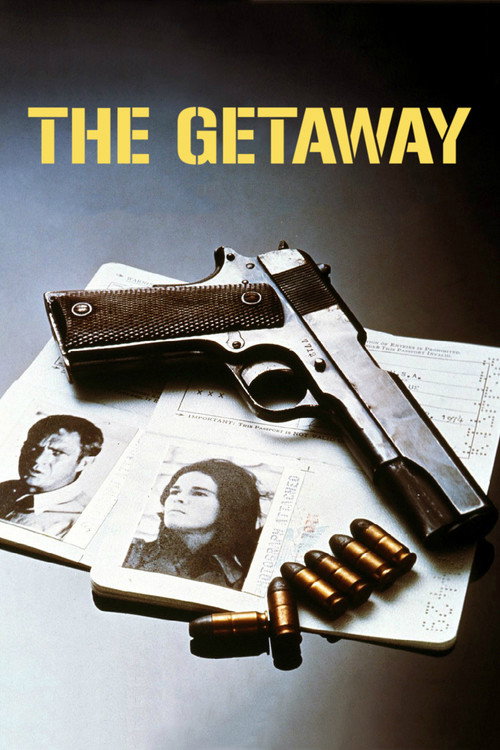
The Getaway1972
Peckinpah's paranoid sprint where a couple on the run can't trust anyone, including each other. Violent, sexy, and genuinely anxious about what happens when the job succeeds but everything falls apart.
But Graphic violence and a cynicism that extends to relationships. Some find Peckinpah's style dated now.
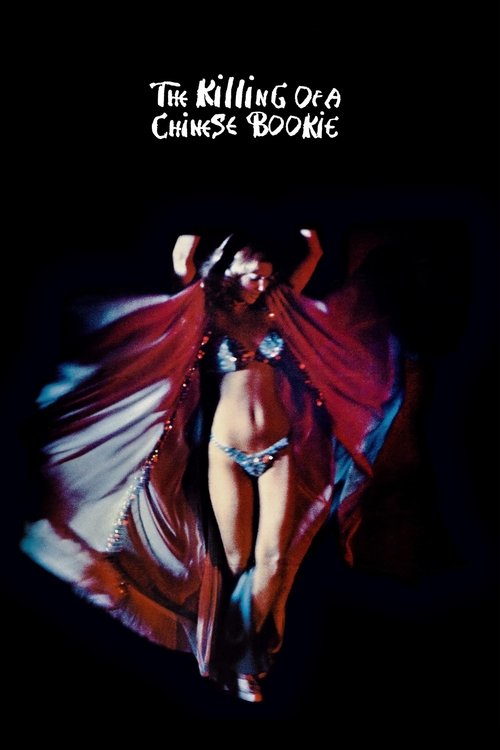
The Killing of a Chinese Bookie1976
Cassavetes' acid-burned vision of a small-time hustler drowning in debt and desperation. Raw, intimate, and unlike any other crime film—more about character than plot.
But It's elliptical and improvisational. The sound design is harsh. If you want clarity and forward momentum, this will frustrate you.
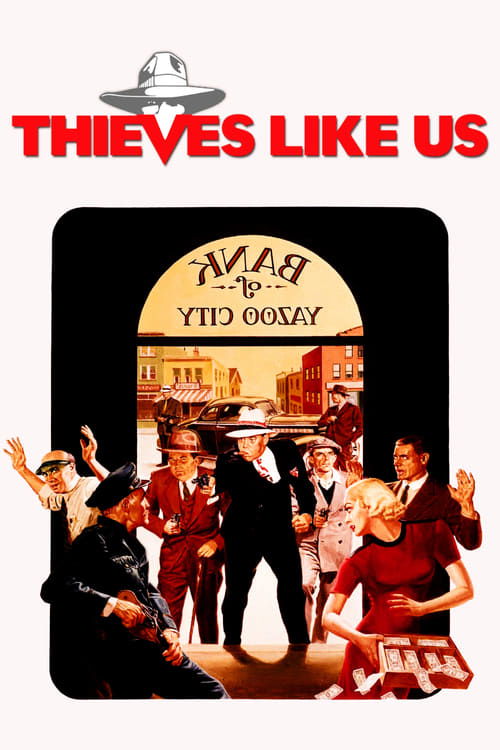
Thieves Like Us1974
Robert Altman's Depression-era robbers who are gentle, almost melancholic people. Sad and human where most crime films are cool. A counterargument to the whole genre.
But Deliberate pace and quiet. No heist thrills, just the slow sadness of people with nowhere else to be.
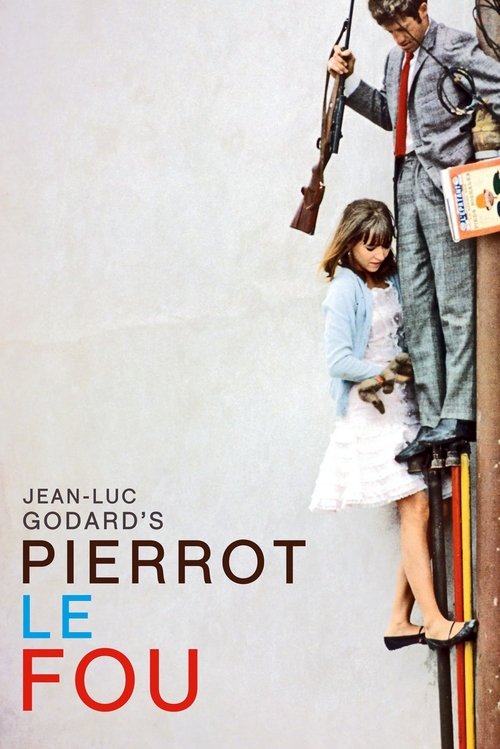
Pierrot le Fou1965
Both pit characters against each other as the real threat, both use visual style to convey psychological disintegration, both suggest that the crime itself matters less than what it reveals about the criminals.
Godard's lovers-on-the-run film is a Technicolor fever dream of crime, romance, and nihilism. Genre rules dissolve. It's not a heist but a descent, brilliantly strange.
But It's aggressively avant-garde. Narrative breaks down deliberately. If you want story clarity, Godard will frustrate you immediately.
Sexy Beast2001
Both films understand that the real crime—the real threat—lives inside the group. A perfect plan survives police, but it dies from within when people stop trusting each other or when a single person's damage infects everyone.
A retired British gangster in Spain is invaded by an old associate—a small, violent man who destroys everything through sheer force of will. Visually audacious, genuinely frightening, and about men ruined by their pasts.
But Ben Kingsley's character is relentlessly abusive and the film doesn't soften him. Ray Winstone is deliberately passive. Some find it exhausting rather than gripping.

People
Cast
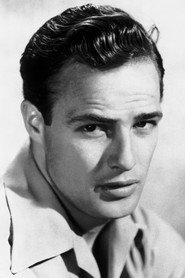 Marlon BrandoChauffeur
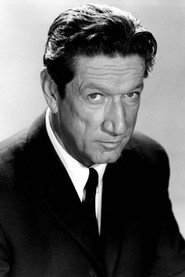 Richard BooneLeer
 Rita MorenoBlonde
 Pamela FranklinGirl
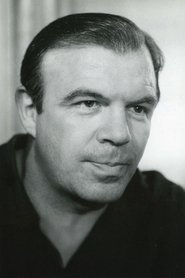 Jess HahnFriendly
- Gérard BuhrFisherman-Cop
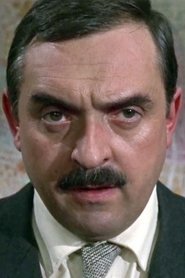 Jacques MarinBartender
- Hugues WannerFather
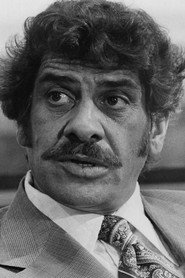 Al LettieriPilot
 Lucien DesagneauxLuggage Handler at the Airport (uncredited)
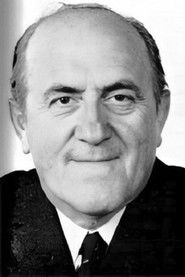 Albert MichelTaxi Driver (uncredited)
- Éric RophéKid (uncredited)
Directing
- Georges PellegrinAssistant Director
- Hubert CornfieldDirector
Writing
- Lionel WhiteNovel
- Hubert CornfieldWriter
- Robert PhippenyWriter
Production
- Al LettieriAssociate Producer
- Elliott KastnerExecutive Producer
- Jerry GershwinExecutive Producer
- Hubert CornfieldProducer
- Marion RosenbergProducer's Assistant
- Louis FleuryProduction Manager