
Film
The Reckoning
Other titles called The Reckoning: the 1970 film, the 2021 film.
A fugitive priest joins a troupe of medieval actors who arrive in a town gripped by a witchcraft trial. When they stage a performance about the accused woman's alleged crimes, the line between theatre and truth blurs dangerously. It's a film about performance, faith, and how stories can reveal or conceal guilt—rich and unsettling, for viewers who prize ambiguity over answers.
If you liked this
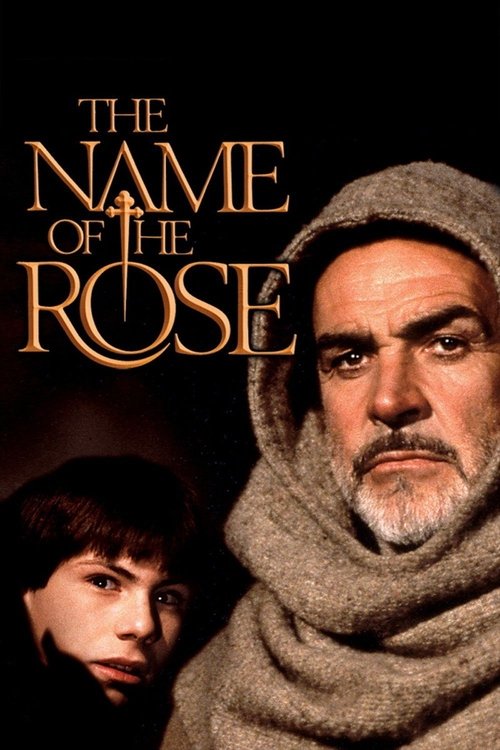
The Name of the Rose1986
A medieval murder mystery with theological depth, where a detective priest unravels a crime within monastery walls. Both films find darkness in the period and use investigation to explore faith's limits.
But It's deliberately paced and dense with philosophy; some find it slow. At three hours, it demands patience.
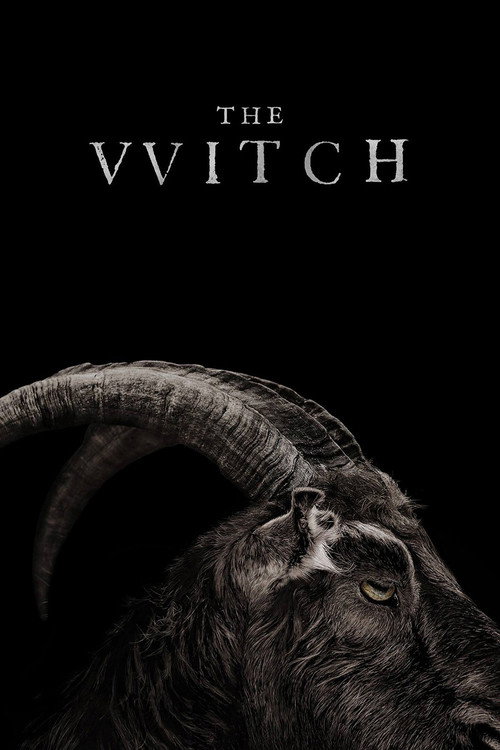
The Witch2016
A family accused of witchcraft in colonial America faces hysteria, paranoia, and a genuine horror emerging from their isolation. Like The Reckoning, it's ambiguous about what's real and what's projection.
But The dialogue uses period language that some find impenetrable. Slow-burn dread won't satisfy those wanting plot momentum.
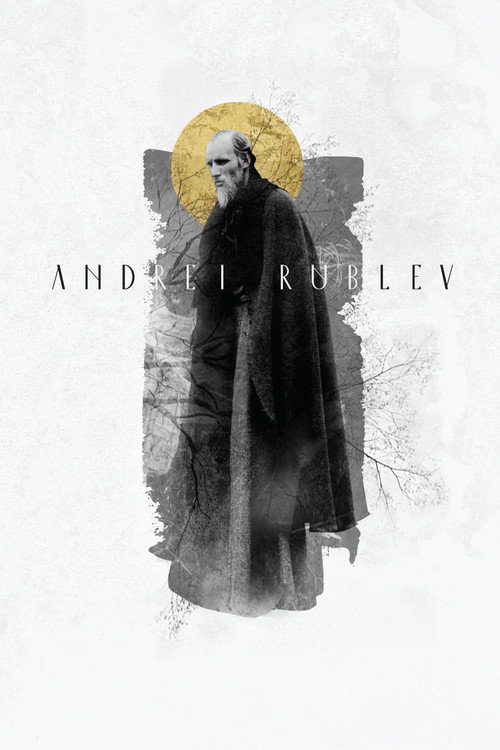
Andrei Rublev1966
Tarkovsky's meditation on a medieval icon painter struggling with faith, violence, and artistic truth. Both explore how art and belief survive in brutal times, with similarly meditative intensity.
But It's nearly four hours of deliberately slow, philosophical cinema. If you want conventional drama, this will feel glacial.
Not sure tonight? Get a pick in a minute, starting from The Reckoning
The wildcard
Something you would not have found on your own.
The Holy Mountain1973
Both are visually baroque, steeped in religious iconography and medieval imagery, and both treat the body and ritual as sites where spiritual and material truth collide.
Jodorowsky's surreal, occult-inflected journey through spiritual symbols and grotesque tableaux. It shares The Reckoning's medieval visual sensibility, its interest in faith's corruption, and its refusal to separate the sacred from the profane.
But It's aggressively experimental and frequently disturbing. If you need narrative coherence or conventional storytelling, this will alienate you immediately.

More like this (6)
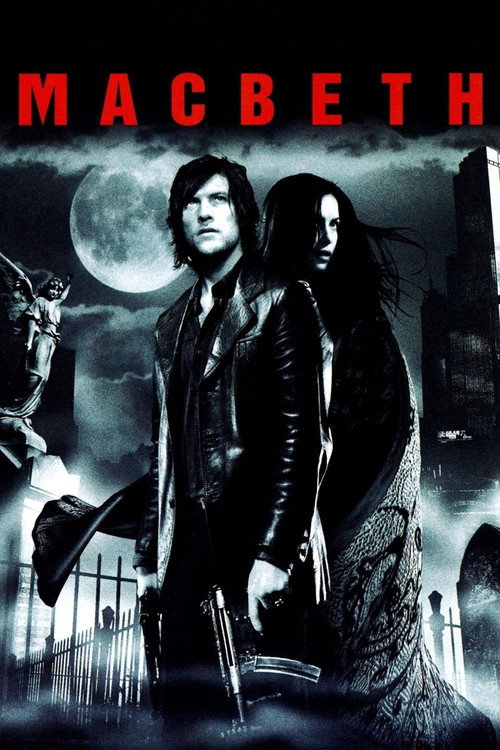
Macbeth2006
Geoffrey Wright's adaptation is visceral and modern in feel, but it retains Shakespeare's exploration of ambition, guilt, and how performances of power corrupt. The play's themes echo The Reckoning's interest in acting and moral collapse.
But The visual style is deliberately stylised and sometimes jarring. It's not a traditional Shakespearean approach, which some find distracting.
The Wailing2016
A Korean mystery where a village torn by illness and suspicion turns on a stranger. Like The Reckoning, it's deliberately ambiguous about guilt and offers no satisfying resolution—only questions.
But It's nearly three hours with a deliberately unclear ending that frustrates many viewers. Subtitles required, and the tone shifts between genres.

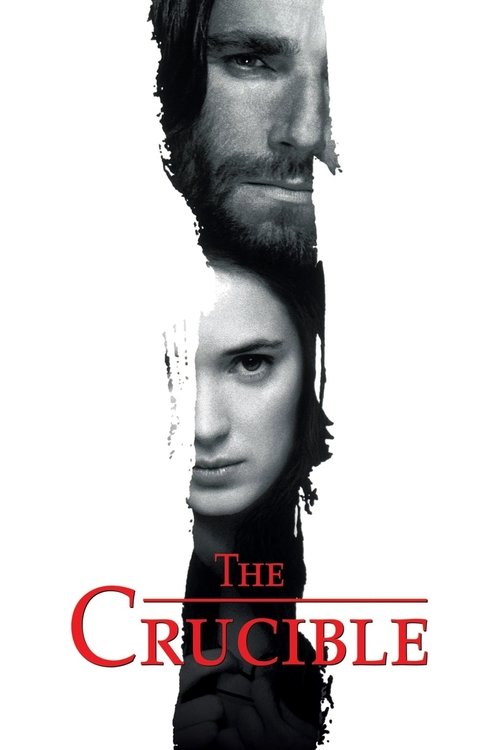
The Crucible1996
Arthur Miller's play about the Salem witch trials, exploring mass hysteria and the performative nature of accusation. Both films are interested in how communities construct guilt through collective belief.
But It's earnest in a way that can feel schematic. The moral argument is more direct than in The Reckoning, which some find less interesting.
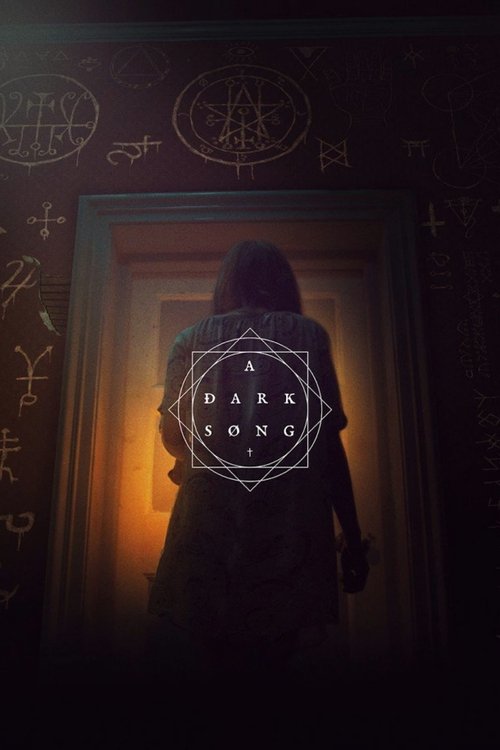
A Dark Song2016
Two people isolated in a house pursuing a desperate spiritual ritual. It shares The Reckoning's ambiguity about whether the supernatural is real or psychological, and both distrust easy answers.
But Extremely slow and sparse. Long stretches have minimal dialogue, which will exhaust those wanting plot-driven narrative.
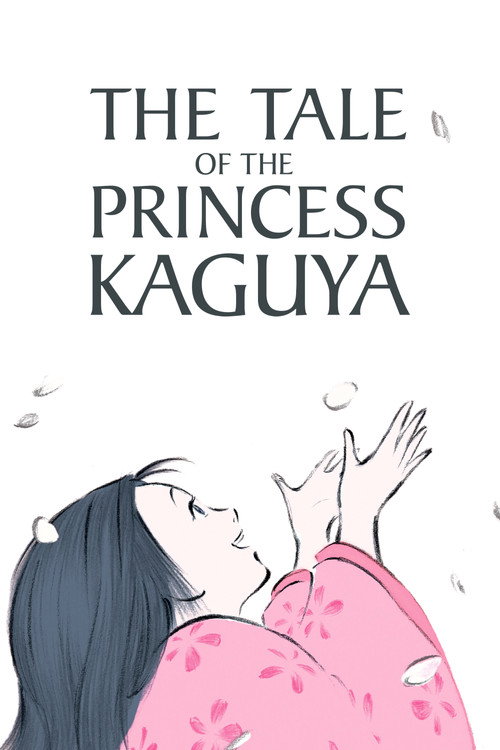
The Tale of The Princess Kaguya2013
Takahata's animated film about a girl of mysterious origins in feudal Japan, and a community's attempts to understand her. Both films explore how people impose narratives onto the inexplicable.
But It's animated, which some dismiss as less serious. It's also quite long for animation, and the pacing is deliberately gentle.
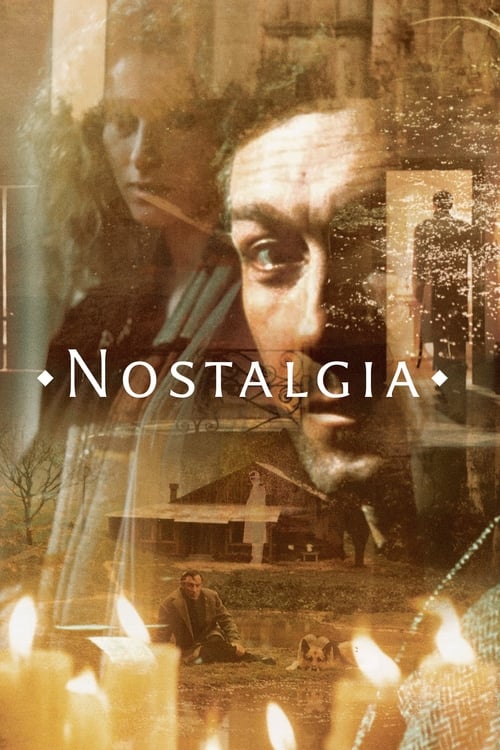
Nostalgia1983
Both treat performance and ritual as spiritual acts; both are sceptical of easy redemption and comfortable with ambiguity about meaning.
Tarkovsky's meditation on faith, exile, and the cost of belief through a poet's journey in Italy. Like The Reckoning, it's slow, philosophical, and concerned with how people enact their inner lives through ritual.
But Nearly three hours of deliberately hypnotic, non-narrative cinema. It requires patience bordering on devotion; casual viewing will feel punishing.
People
Cast
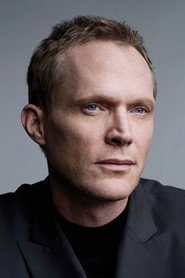 Paul BettanyNicholas
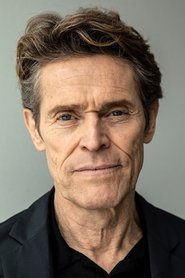 Willem DafoeMartin
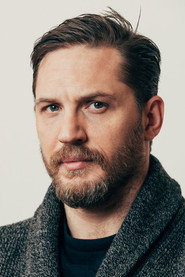 Tom HardyStraw
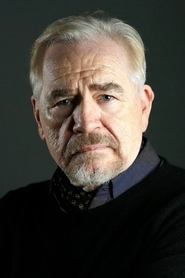 Brian CoxTobias
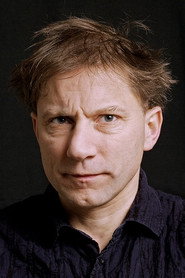 Simon McBurneyStephen
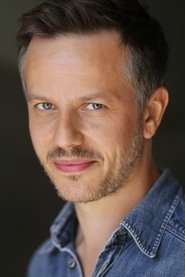 Luke de WoolfsonDaniel
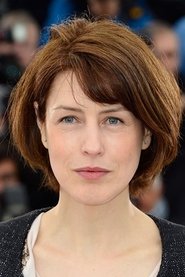 Gina McKeeSarah
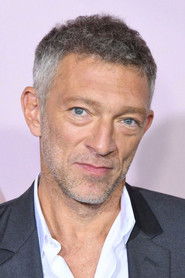 Vincent CasselLord De Guise
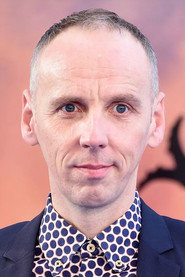 Ewen BremnerSimon Damian
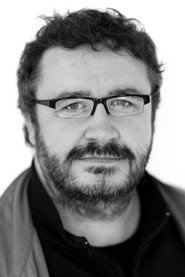 Mark BentonSheriff
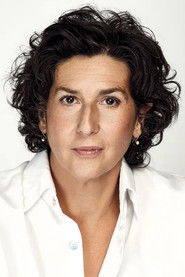 Elvira MínguezMartha
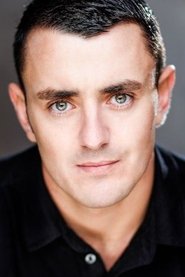 Stuart WellsSpringer
Directing
- Paul McGuiganDirector
- Susanna LentonScript Supervisor
Writing
- Barry UnsworthNovel
- Mark MillsScreenplay
Production
- Camilla-Valentine IsolaCasting
- Jina JayCasting
- Shaheen BaigCasting Associate
- Angus FinneyExecutive Producer
- Stephen EvansExecutive Producer
- Caroline WoodProducer
- Denise O'DellProducer
- Sarah HaliouaProducer