
Film
The Name of the Rose
A hooded Sean Connery plays monk-detective in a 14th-century abbey thick with fog, forbidden books, and inconveniently dead brothers. It's part murder mystery, part meditation on censorship and fear of knowledge, shot with real medieval grime rather than tapestry-shop gloss. Slow-burning, atmospheric, occasionally grotesque — for viewers who want their whodunit served with incense smoke and heresy trials rather than car chases.
If you liked this
Cadfael1994no page yet
Derek Jacobi's herbalist monk solves murders in medieval Shrewsbury with the same blend of faith, deduction and dry wit — the closest thing British telly ever made to this film's spirit.
But Gentle, studio-bound, and paced for Sunday evenings rather than cinematic dread — a cosier proposition altogether.
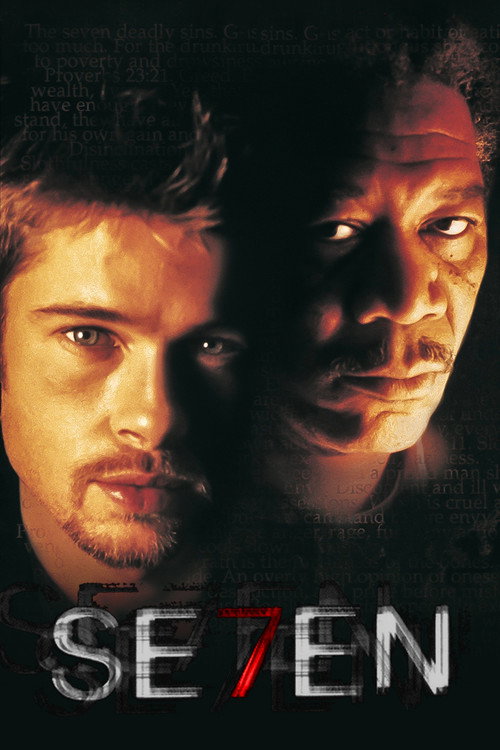
Se7en1995
A modern detective story built on sin, punishment and a killer who believes he's doing God's work — same theological rot, transplanted into a rain-soaked city.
But Brutally grim and explicit where the abbey kept its horrors half-shadowed; not for the squeamish.
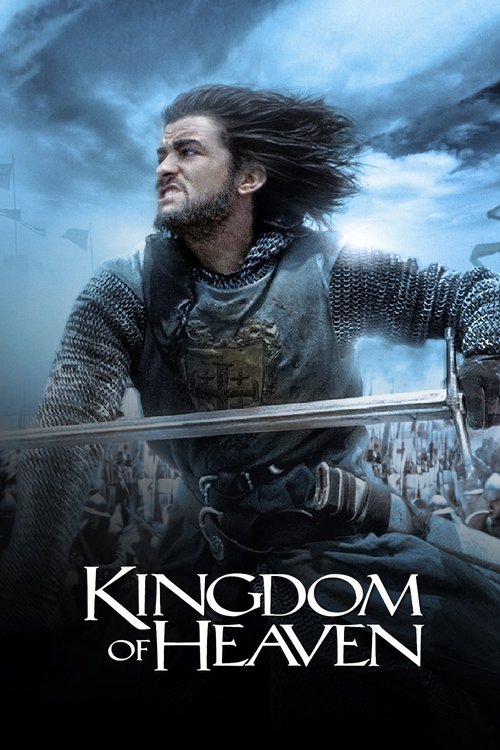
Kingdom of Heaven2005
Ridley Scott's Crusades epic shares the interest in faith curdling into politics, with cathedrals, corrupt clergy and a hero caught between doctrine and conscience.
But Bigger, louder, more battle than mystery — the intimacy of the abbey is traded for siege engines.
The wildcard
Something you would not have found on your own.
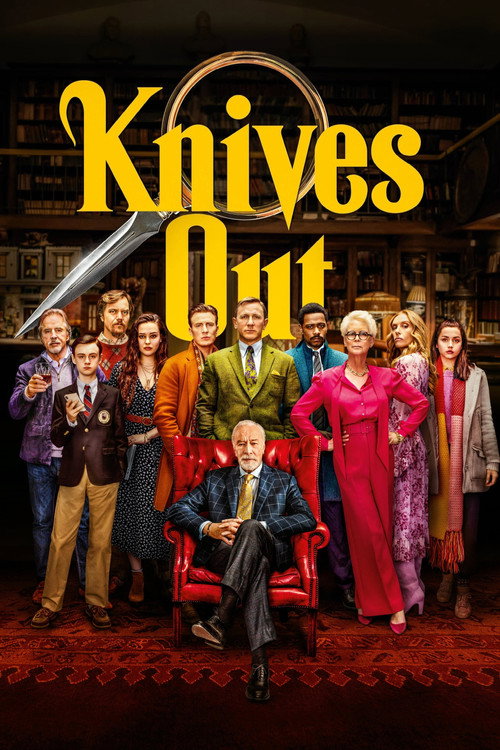
Knives Out2019
Same engine as William's investigation — an outsider detective exposing a household's rot from within — just run as sharp comedy instead of theological dread.
A brilliant outsider arrives at a closed, self-protecting community and picks apart everyone's lies until the truth embarrasses the institution itself.
But Bright, funny, contemporary — allergic to solemnity in a way the abbey never was.
More like this (8)
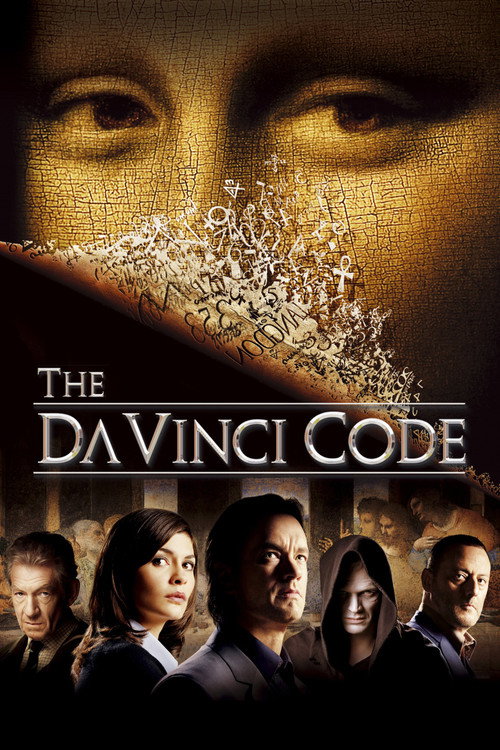
The Da Vinci Code2006
Church conspiracy, coded symbols, a scholar racing against institutional secrecy — a glossier, faster-moving descendant of the same premise.
But Pulpy and expository where the original is patient; treats theology as puzzle rather than horror.
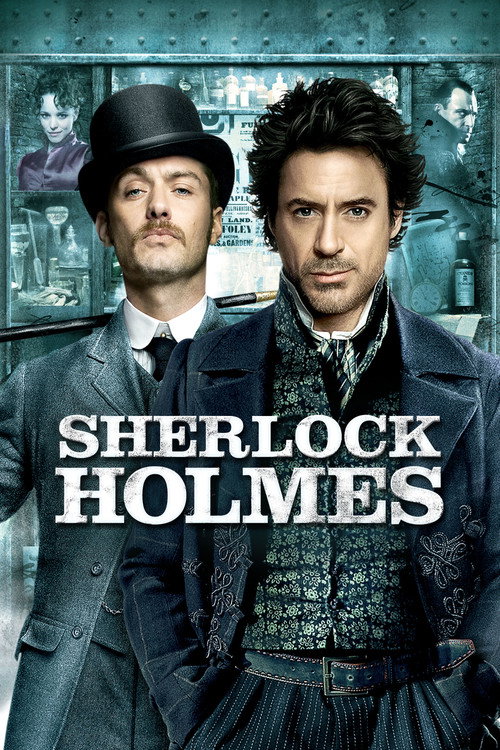
Sherlock Holmes2009
Guy Ritchie's take on deduction-as-spectacle gives you the same pleasure of watching a brilliant outsider read a room full of liars and violence.
But Playful and kinetic rather than solemn — closer to a caper than a meditation on sin.
Perfume: The Story of a Murderer2006no page yet
Another period murder investigation steeped in sensory obsession and moral corruption, with the same fascination for the grotesque underside of a devout era.
But Stranger and more perverse in its fixations; less interested in reasoned detection than fever-dream atmosphere.
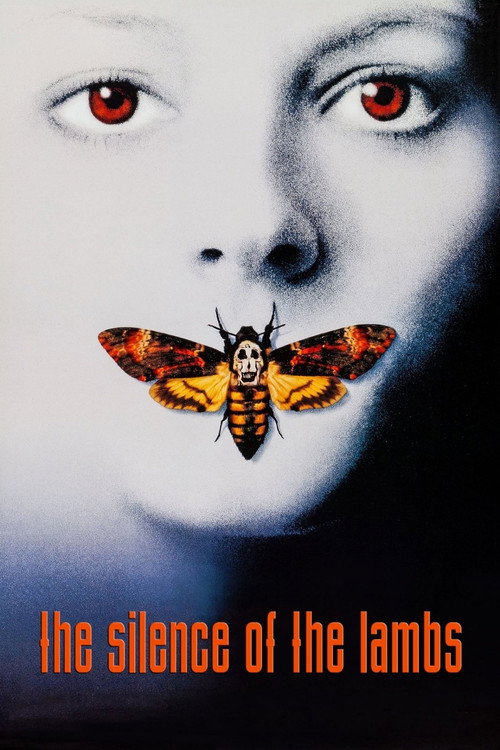
The Silence of the Lambs1991
A genius outsider navigating a closed, hostile institution to extract truth from monstrous men — the detective's isolation feels familiar.
But American, contemporary and far more psychologically clinical — no incense, no Latin, no abbey walls.
Black Death2010no page yet
Plague-era England, a monastic mission gone wrong, and a slow unraveling of who's actually righteous — bleaker cousin to the abbey's moral maze.
But Nastier and more nihilistic, with none of William's wry humanism to soften the despair.
The Physician2013no page yet
Medieval medicine, monastic suspicion of knowledge, and a hero risking heresy charges for learning — smaller-scale but same historical texture.
But More earnest coming-of-age drama than mystery thriller; lacks the film's sense of dread.
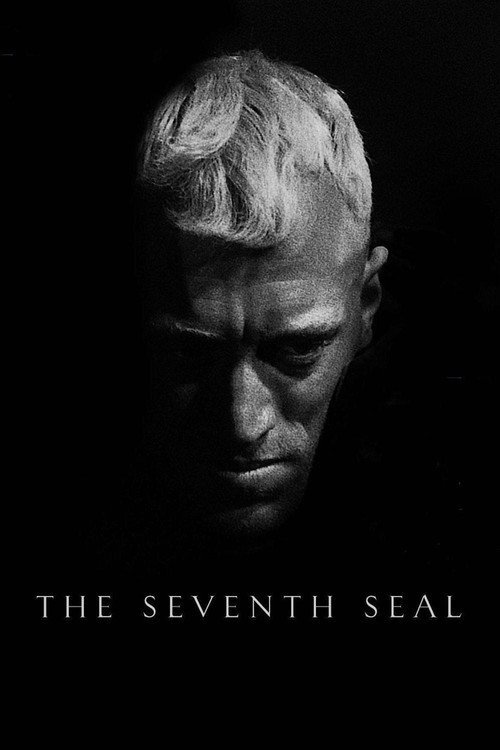
The Seventh Seal1957
Strips the medieval-faith-crisis setting down to its bones, showing where this film's obsession with doubt and mortality actually comes from.
Bergman's black-and-white knight plays chess with Death across a plague-stricken medieval landscape, wrestling with the same silence-of-God questions the abbey's monks fear to ask aloud.
But Almost no plot mechanics at all — pure philosophical dread, slow and austere, made three decades earlier.
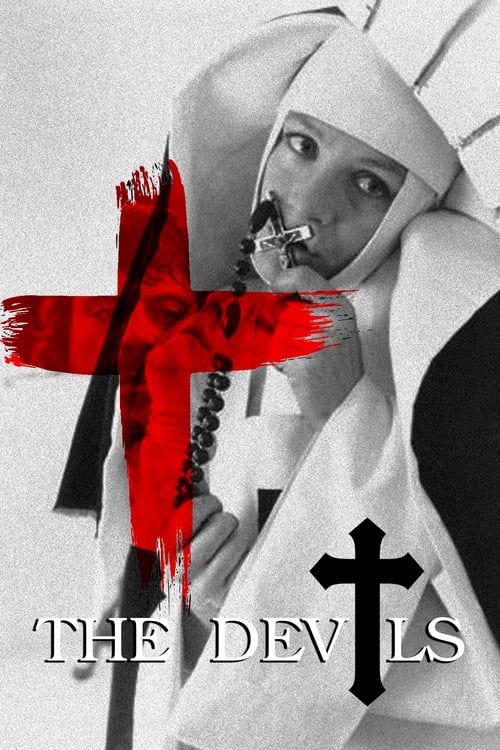
The Devils1971
Same critique of church power weaponising fear and heresy, but unflinching and visceral where this film stays composed and shadowed.
Ken Russell's hallucinatory account of a real 17th-century witch-hunt shows institutional Christianity turning cruelty into doctrine, with none of the restraint this film maintains.
But Genuinely shocking, explicit and disturbing — banned in places for a reason, and built to unsettle rather than entertain.
People
Cast
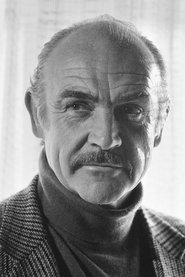 Sean ConneryWilliam of Baskerville
 Christian SlaterAdso of Melk
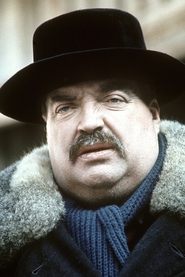 Helmut QualtingerRemigio da Varagine
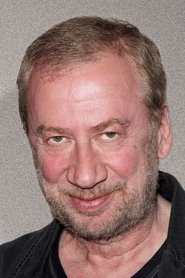 Elya BaskinSeverinus
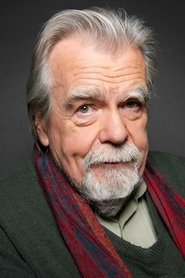 Michael LonsdaleThe Abbot
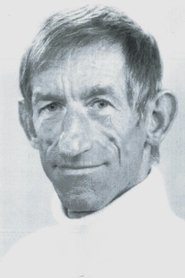 Volker PrechtelMalachia
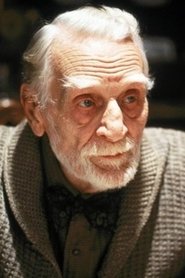 Feodor Chaliapin Jr.Jorge de Burgos
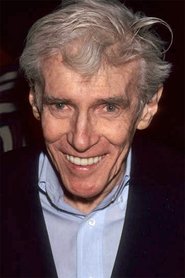 William HickeyUbertino da Casale
- Michael HabeckBerengar
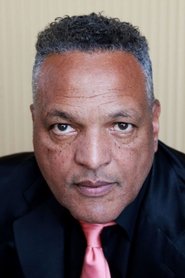 Urs AlthausVenantius
 Valentina VargasThe Girl
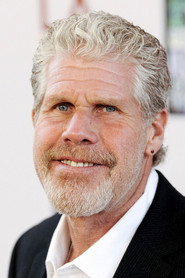 Ron PerlmanSalvatore
Directing
- Jean-Jacques AnnaudDirector
Writing
- Umberto EcoNovel
- Alain GodardScreenplay
- Andrew BirkinScreenplay
- Gérard BrachScreenplay
- Howard FranklinScreenplay
Production
- Celestia FoxCasting
- David RubinCasting
- Dominique BesnehardCasting
- Gianni ArduiniCasting
- Sabine SchrothCasting
- Mali FinnCasting Assistant
- Jake EbertsExecutive Producer
- Thomas SchühlyExecutive Producer
- Alexandre MnouchkineProducer
- Bernd EichingerProducer
- Bernd SchaefersProducer
- Franco CristaldiProducer
Recommended by
The Da Vinci Code, The Seven-Per-Cent Solution, The Ninth Gate, The Seventh Seal, Father Brown, The Devils, The Librarians