
Film
Murder by Decree
Christopher Plummer's Holmes chases Jack the Ripper through a conspiracy reaching the highest corridors of power. This is Sherlock as political thriller—less puzzle box than paranoid excavation. It's handsome, serious, and willing to suggest that some murders stay unsolved because the powerful ensure it. For those who want their detective stories entangled with history and shadow.
Should you watch it?
Watch it if you love a moody Holmes who is more haunted detective than puzzle-solving showman, and you enjoy a slow, atmospheric period mystery where the conspiracy matters as much as the killer.
Skip it if you want a brisk whodunit with tidy deductions, because this drifts, leans on fog and mood, and its political murk can blur the thread.
What it asks of you: Just over two hours of unhurried, dim scenes, with long stretches of talk and walking through foggy streets; it rewards patience more than quick attention.
Not sure? Find tonight's pick in a minute.
If you liked this
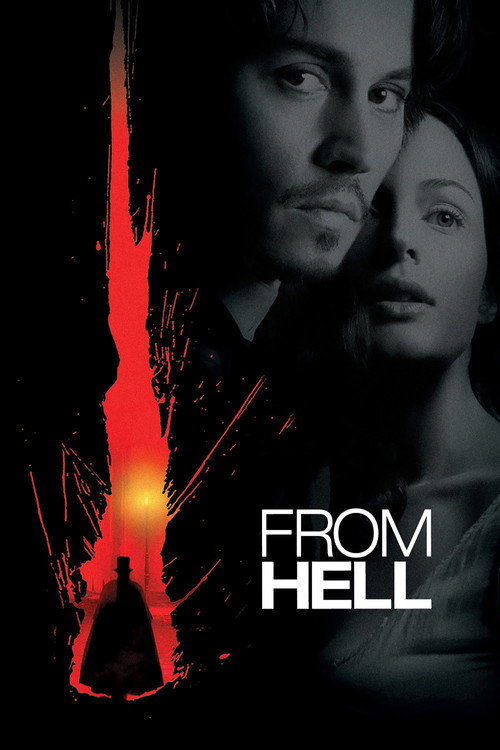
From Hell2001
Johnny Depp as an opium-addled inspector hunting the Ripper through fog and gore. Visually sumptuous, genuinely unsettling, and also convinced the conspiracy runs deep. If you liked Holmes chasing shadows, this leans harder into the dread.
But The body horror is substantial and unafraid. It's also a bit baggy—the plot thrashes around searching for weight it doesn't quite find.
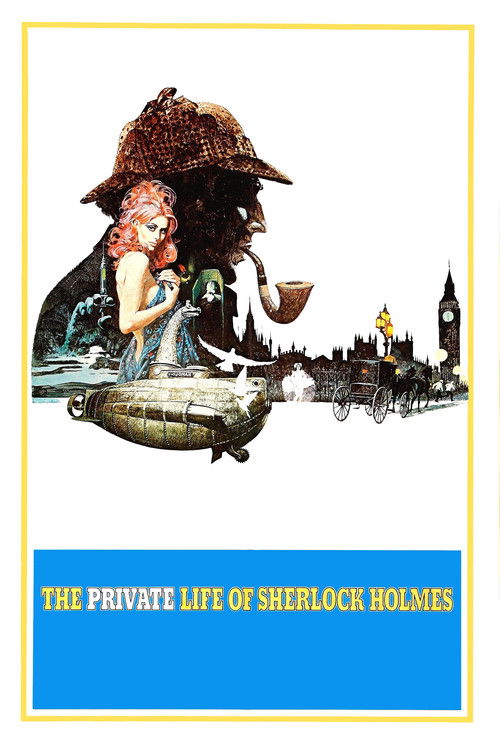
The Private Life of Sherlock Holmes1970
Billy Wilder's only Holmes film, starring Robert Stephens. It's funny, tender, and interested in the detective as a lonely man. Wilder treats the mystery as an excuse to examine obsession and the cost of brilliance.
But It's meditative rather than thrilling. At nearly two and a half hours, it expects patience with digression and melancholy.
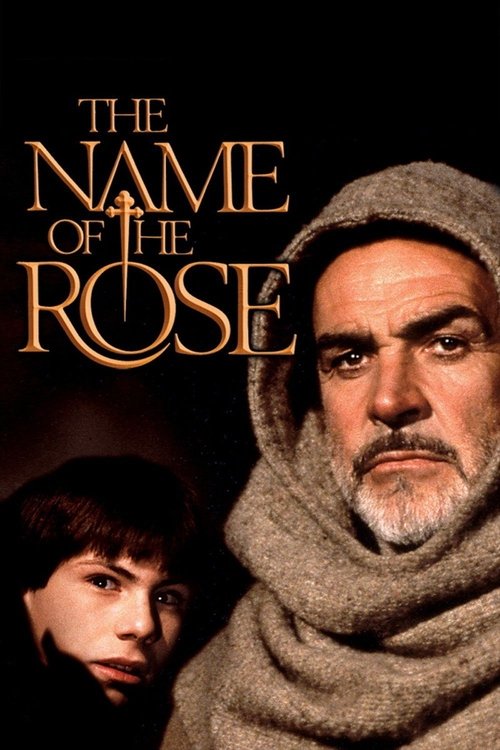
The Name of the Rose1986
Sean Connery as a Franciscan monk-detective solving a murder in a medieval monastery. It shares Murder by Decree's conviction that power corrupts truth itself. Sumptuous and intellectually fierce.
But The puzzle is subordinate to atmosphere and ideas. If you need plot momentum, you'll find it glacial.
Not sure tonight? Get a pick in a minute, starting from Murder by Decree
The wildcard
Something you would not have found on your own.
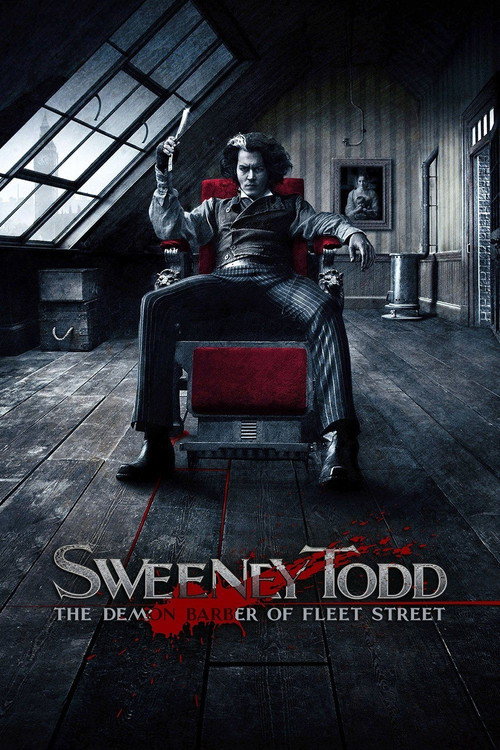
Sweeney Todd: The Demon Barber of Fleet Street2007
Both are Victorian crime stories about hidden violence and institutional failure, but Sweeney Todd uses music and stylization where Murder by Decree uses realism and paranoia.
Sondheim's musical, filmed by Tim Burton with Johnny Depp. It's also about serial murder hidden in plain sight in Victorian London, also about complicit officials and moral rot. But it's sung, baroque, and commits fully to operatic grief rather than noir detection. The connection is structural and tonal—both see murder as a symptom of systemic corruption—but the form is wholly different.
But If you dislike musical theatre, this will test you. It's also dark enough to feel like an endurance test rather than entertainment.
More like this (8)
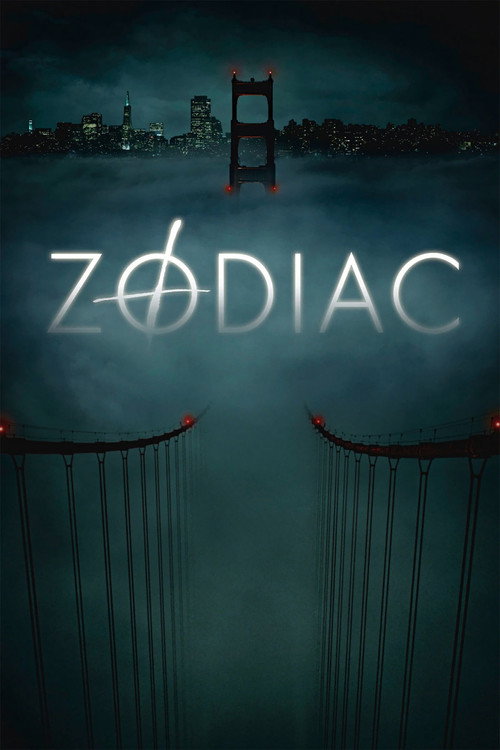
Zodiac2007
Fincher's obsessive hunt for a real serial killer, with Jake Gyllenhaal and Mark Ruffalo as cops consumed by the chase. It captures that same paranoid conviction that the truth hides in plain sight, protected by indifference.
But It's long, deliberately paced, and ends not with resolution but exhaustion. Some find that infuriating rather than haunting.
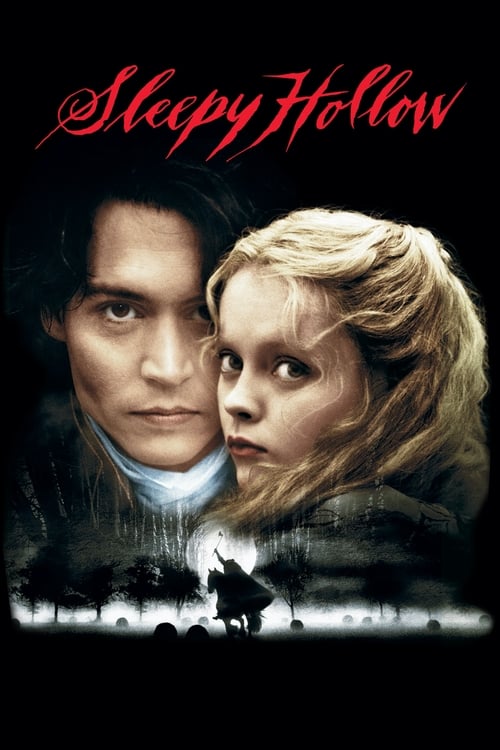
Sleepy Hollow1999
Tim Burton's Ichabod Crane investigates murders in colonial New York. Like Murder by Decree, it marries Gothic atmosphere with institutional corruption. Johnny Depp's neurotic detective is oddly moving.
But The mystery is less interesting than the mood. Fans of logical detective work will find it indulgent.
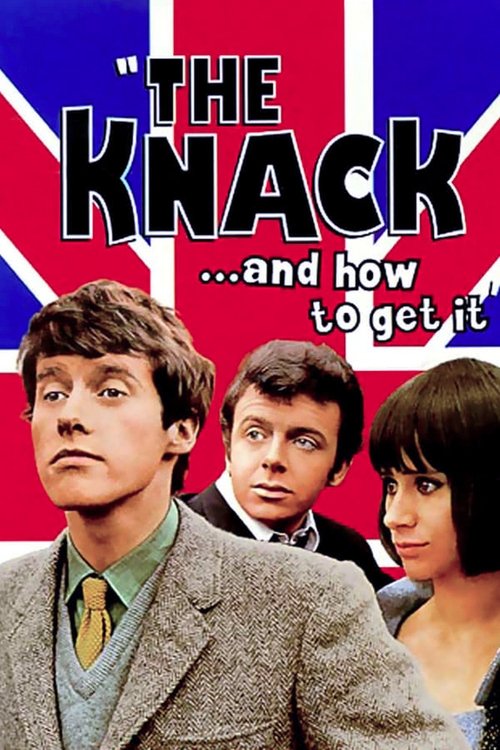
The Knack... and How to Get It1965
A sharp, playful British film about deception and hidden agendas beneath a swinging-London surface. It shares the sensibility that what you see isn't what you get, though the tone is comedic rather than dark.
But It's a period piece that feels deliberately artificial. Some will find the style alienating.
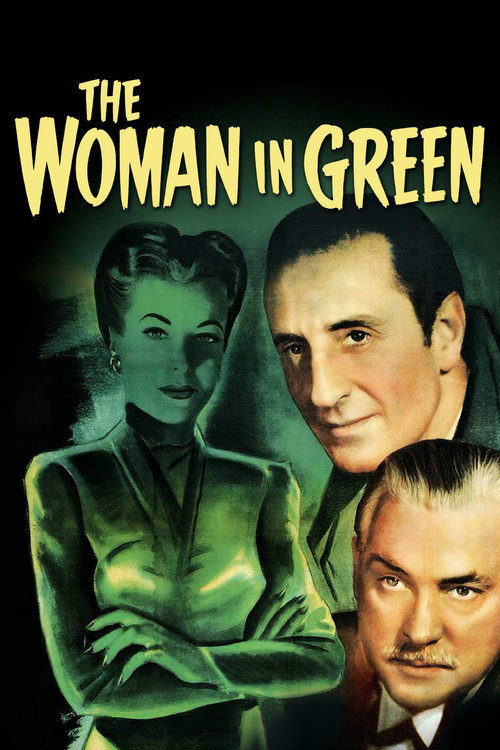
The Woman in Green1945
Basil Rathbone and Nigel Bruce as Holmes and Watson in a B-picture about hypnotism and blackmail. Pure, unpretentious Holmesian fun—the kind of thing that reminds you why the character endures.
But It's a relic. The production values are thin, and the plot is cheerfully simple compared to the Byzantine schemes of Murder by Decree.
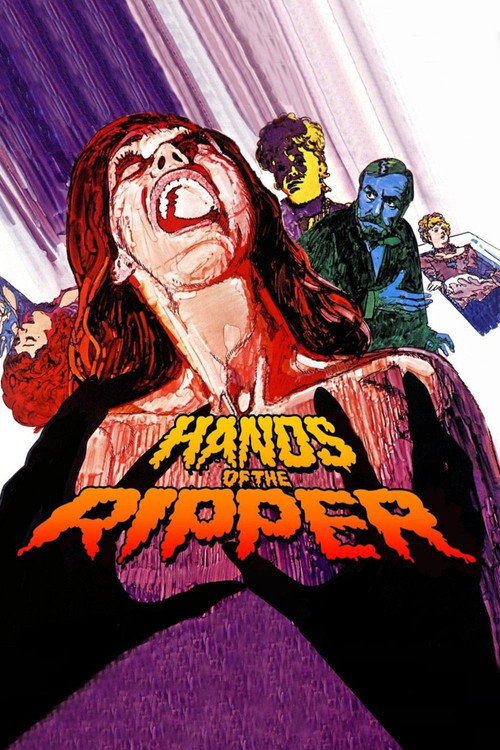
Hands of the Ripper1971
A Hammer horror film that imagines the Ripper's daughter inheriting his murderous pathology. It's gruesome, psychologically strange, and genuinely unsettling in ways many Ripper stories aren't.
But The gore is strong for 1971, and the psychological logic is pulpy. It's exploitation dressed in Gothic fabric.
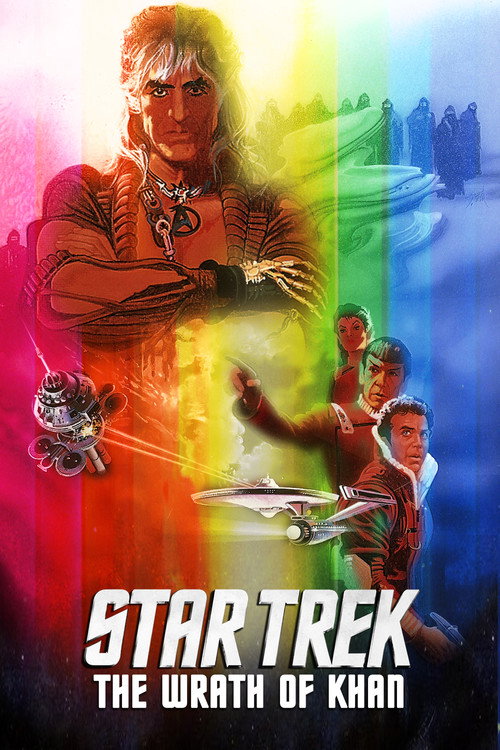
Star Trek II: The Wrath of Khan1982
Ricardo Montalbán as Khan, obsessed with revenge against Kirk. It's about a man hunting across years, convinced of conspiracy and betrayal. The emotional core mirrors Holmes's fixation, though in space.
But It's science fiction spectacle. If you want grounded, historical mystery, this is the wrong planet.
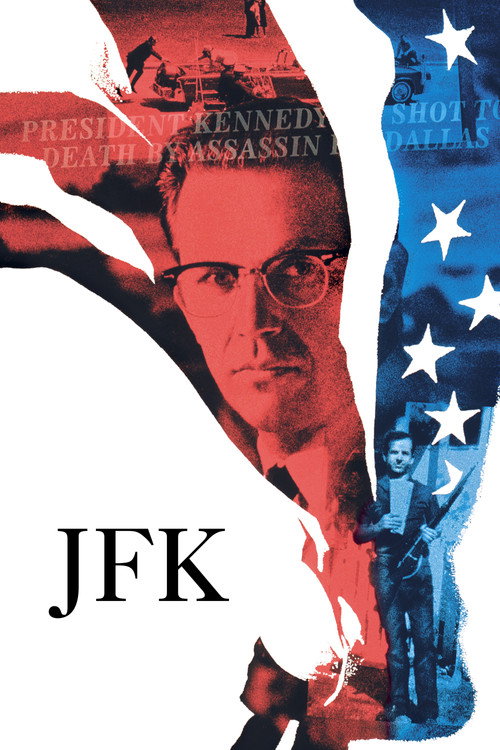
JFK1991
Both are obsessive investigations into conspiracy at the highest levels, but JFK is explicitly modern paranoia while Murder by Decree wears the clothes of Victorian mystery.
Oliver Stone's three-hour assault on official narratives. Kevin Costner's prosecutor grows convinced of a vast conspiracy; the film itself becomes a fever dream of doubt. It shares Murder by Decree's core belief: that history is written by the powerful and the truth dies with the inconvenient. The tone is utterly different—Stone hammers; Plummer breathes—but the paranoia is identical.
But Stone's rhetorical style is exhausting if you don't trust him. The film plays fast with facts and demands you surrender to its interpretation.
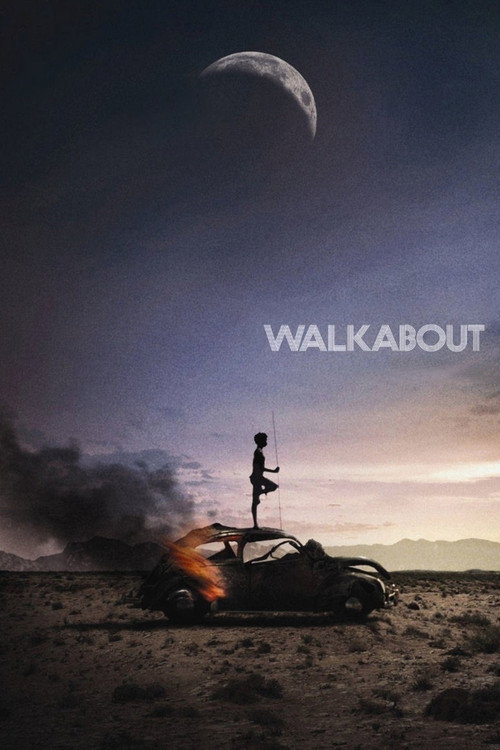
Walkabout1971
Both suggest that beneath the surface of ordered society lurks something primal and dangerous that institutions cannot control or explain.
Nicolas Roeg's film about two children lost in the Australian outback, guided by an Aboriginal boy. It has nothing to do with Ripper or mystery, but shares Murder by Decree's conviction that civilization is a thin surface over something feral and unknowable. The atmosphere of creeping dread, the sense of hidden truths beneath ordered society—that's the connection. Visually hypnotic and morally unsettling.
But The plot is minimal and the pacing is trance-like. It's also shot in 1971 with a political unconscious that may disturb in unexpected ways.
People
Cast
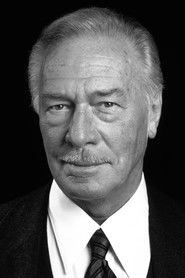 Christopher PlummerSherlock Holmes
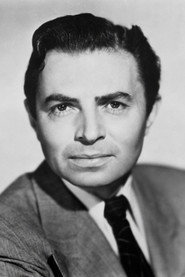 James MasonDr. Watson
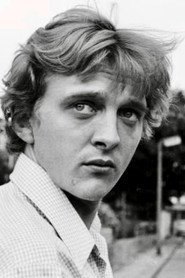 David HemmingsInspector Foxborough
 Susan ClarkMary Kelly
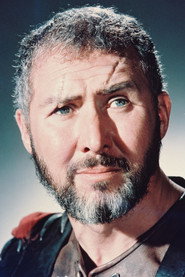 Anthony QuayleSir Charles Warren
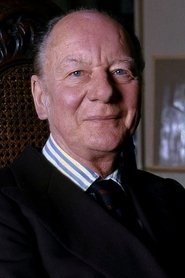 John GielgudPrime Minister
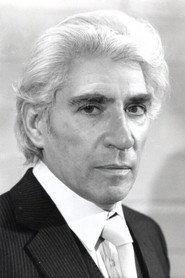 Frank FinlayInspector Lestrade
 Donald SutherlandRobert Lees
 Geneviève BujoldAnnie Crook
 Chris WigginsDr. Hardy
 Tedde MooreMrs. Lees
- Catherine KesslerCarrie
Directing
- Ariel LevyAssistant Director
- Marjorie LavellyContinuity
- Bob ClarkDirector
- Guy TraversSecond Assistant Director
- Ken GochSecond Assistant Director
Writing
- Arthur Conan DoyleCharacters
- Elwyn JonesNovel
- John LloydNovel
- John HopkinsScreenplay
Production
- Irene LambCasting
- Karen HazzardCasting
- Len HerbermanExecutive Producer
- Bob ClarkProducer
- René DupontProducer
- Robert A. GoldstonProducer
- Andy BirminghamProduction Accountant
- John DavisProduction Manager
- Ted RouseProduction Manager
- Liz TaylorProduction Secretary
Recommended by
Jack the Ripper: London's Most Notorious Killer, Time After Time, Sherlock Holmes and the Case of the Silk Stocking